Trends

146 items

Video thumbnail — 1-800-Collect David Spade Grunge Ad 1994
Trends 1993–2005 peak

1-800-COLLECT

Dial 1-800-COLLECT and let the operator know you're calling collect — MCI's dial-around service promised cheaper collect calls than your payphone's default carrier. One of the most aggressively advertised services of the 1990s, it burrowed into Gen X's brain via TV spots with celebrity spokespeople.

Video thumbnail — Mark McGwire breaks single-season home run record! Hits 62nd of 1998 to pass Roger Maris' 61 HR mark

The 1998 Home Run Chase

All summer, McGwire and Sosa traded home runs while the whole country checked the tally on the nightly news. The 1998 chase for Roger Maris's record turned baseball back into must-see TV—and its record book now reads very differently.

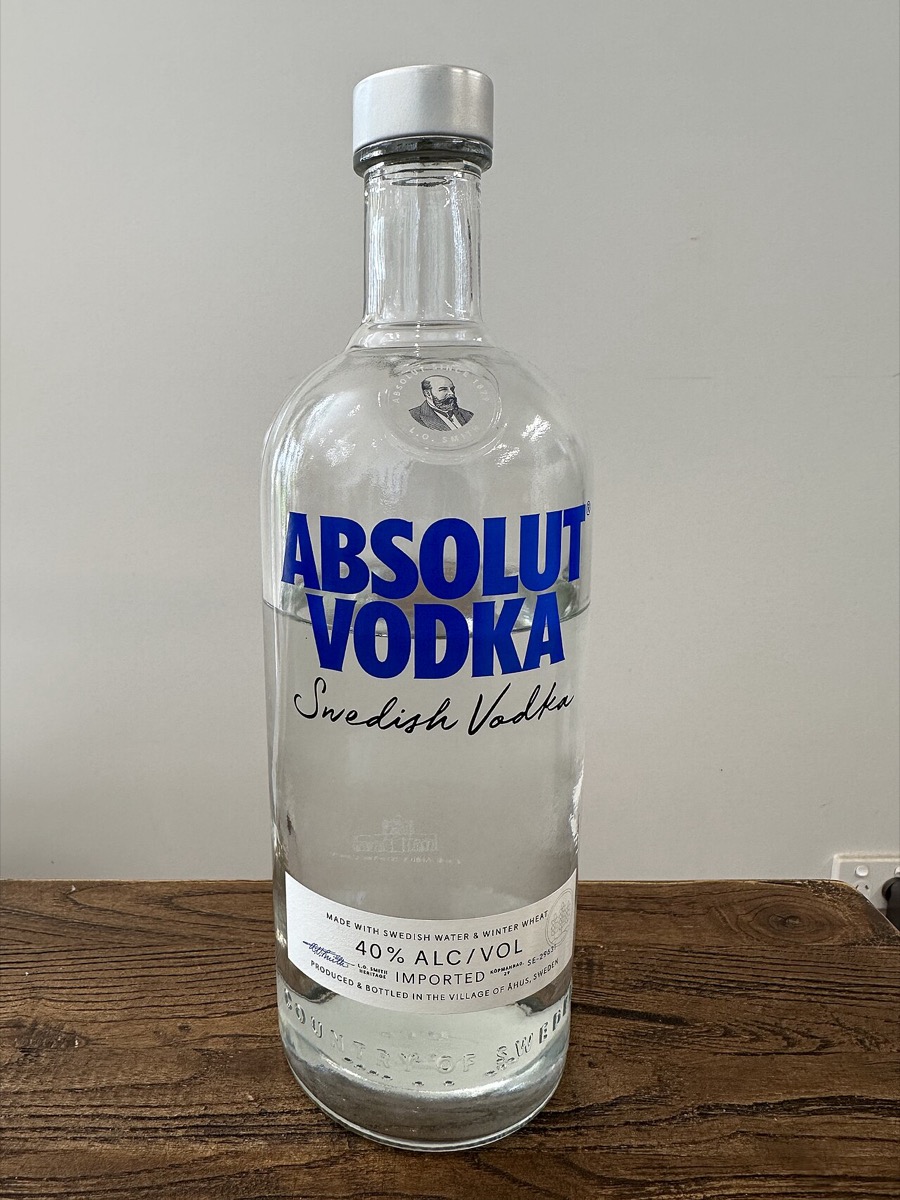
A bottle of Absolut Vodka standing on a wood table (used as a stand-in for the ad-collecting hobby, since the Absolut ads themselves are copyrighted)
Trends 1981–2000s

Absolut Ad Collecting

The phenomenon wasn't about drinking — it was about collecting the ads. Absolut's iconic bottle-silhouette campaign generated hundreds of witty one-word variations ('Absolut L.A.', 'Absolut Warhol'), which teens and adults tore from magazines, traded, and wallpapered across bedroom walls and school lockers throughout the 1990s.

Video thumbnail — I Play AddictingGames.com (First Time in 10+ Years)
Trends 2002–2010 peak

AddictingGames.com

The flash-game portal that gave "I'm bored" a URL. AddictingGames launched in 2002 as a constantly updated grid of free browser games, became one of the sites school IT departments most loved to block — and somehow outlived Flash itself.

Video thumbnail — msn messenger - TV Ad 1 - Australia 2004
Trends 1997–2007

AIM & MSN Messenger

The after-school ritual: logging on to a dial-up modem, scanning your buddy list, typing AIM away messages packed with song lyrics and veiled drama, and knowing your 12-year-old screen name would haunt you forever. AIM and MSN Messenger were the social nervous system of the '90s and 2000s — instant, informal, and utterly addictive.

Video thumbnail — Angelfire Hosting Review
Trends 1996–2000s

Angelfire

The free web host where the internet got weird and stayed that way. Angelfire grew into one of the "big three" free-hosting services of the late 90s, offering bare-bones page building for personal fan sites, rants, and niche collections—all with guestbooks, hit counters, and clashing backgrounds.

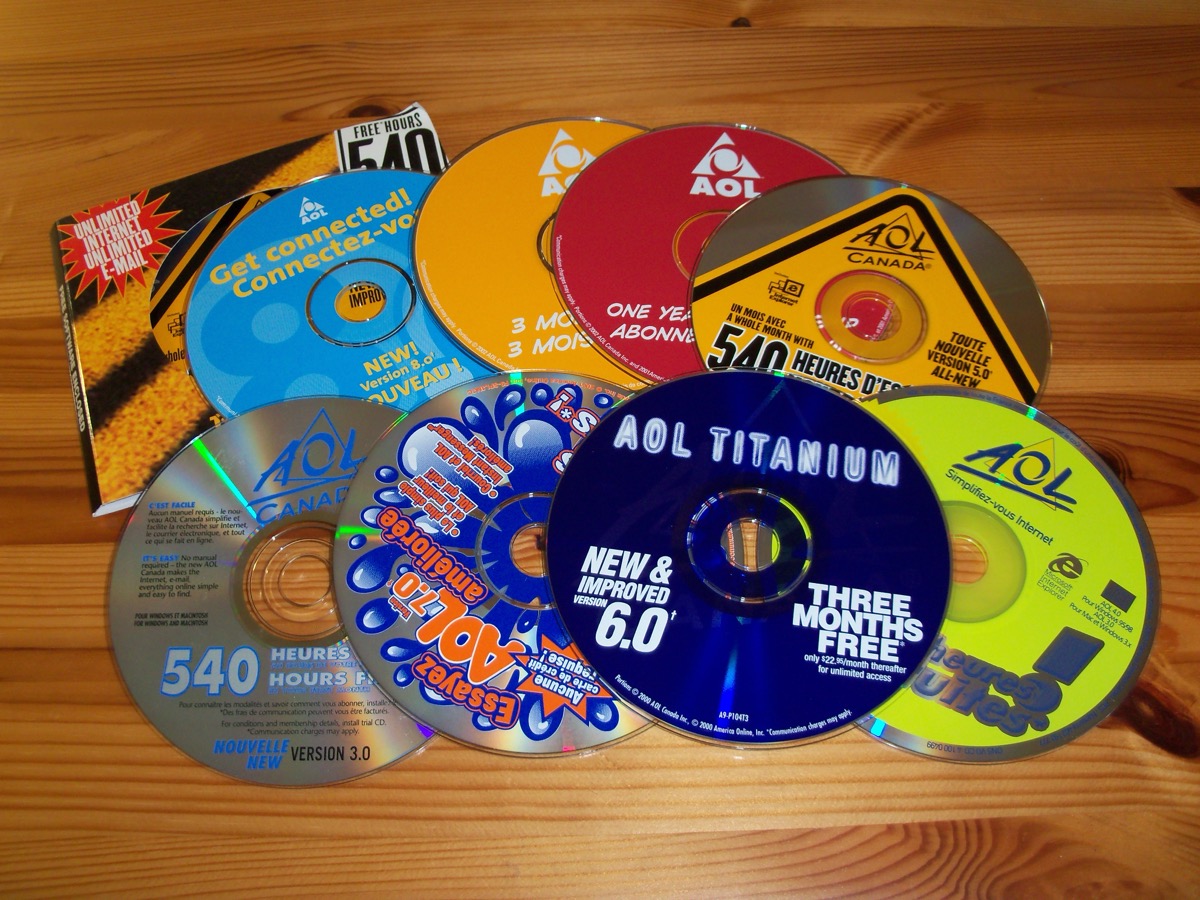
A pile of AOL free-trial promotional CDs
Trends 1993–2006

AOL Free-Trial CDs

AOL's marketing chief Jan Brandt carpet-bombed America with free-trial discs—in magazines, mailboxes, at Blockbuster and Best Buy, even in Omaha Steaks shipments. At peak saturation — by Brandt's own estimate — roughly half of all CDs manufactured worldwide bore the AOL logo, a $300 million marketing gambit that made the "You've Got Mail" sound the most iconic audio cue of the 1990s.

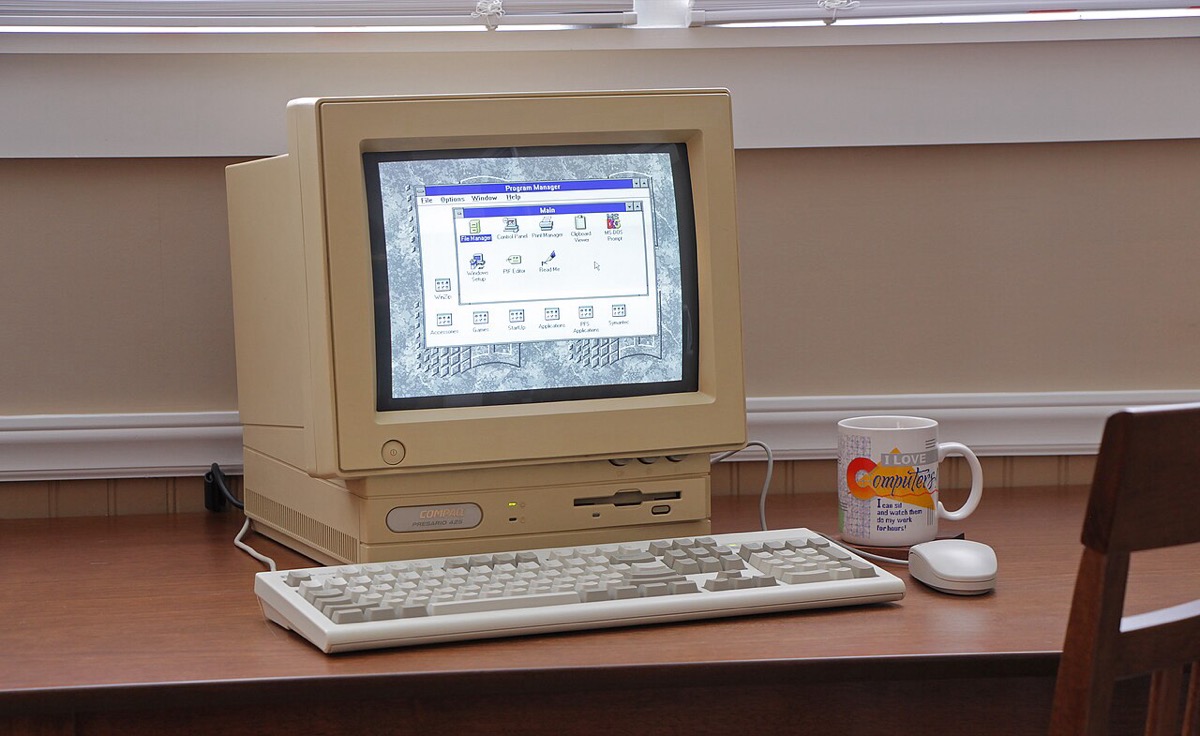
a mid-1990s beige desktop computer — the kind AOL chat rooms were visited on
Trends 1995–2001

AOL Private Chat Rooms

The hidden rooms where 90s internet culture actually lived. Capped at 23 people, joinable only if you knew the name, and greeted by universal "A/S/L?" — private rooms were where friendships, flirtations, and warez trades quietly thrived.

Video thumbnail — AOL Prog | Rampage Toolz
Trends 1994–1999

AOL Punters & Progs

Homemade Visual Basic programs that exploited and weaponized the AOL client. AOHell kicked off the era; "punters" crashed users offline; the scene thrived in secret warez rooms until AOL clamped down.

Video thumbnail — Dinoscore
Trends 1980s–present (90s peak)

Arcade Redemption Games

Drop in a token, play a game of skill, and win a stream of paper tickets — then trade the crumpled wad at the glass prize counter for cheap plastic junk. Rock 'N Bowl, Skee-Ball, Wheel 'Em In, Dinoscore: the ticket-frenzy floor of every '90s arcade.

Video thumbnail — Blockbuster Video - A Night Off (1990s) TV Commercial
Trends 1985–2010

Blockbuster Video

The blue-and-yellow torn-ticket empire where Friday nights meant wandering the new-release wall, hoping the big movie wasn't rented out, and dreading the late fees. At its peak in 2004, Blockbuster dominated home entertainment with 9,094 stores worldwide—until Netflix and streaming dismantled the whole business model.

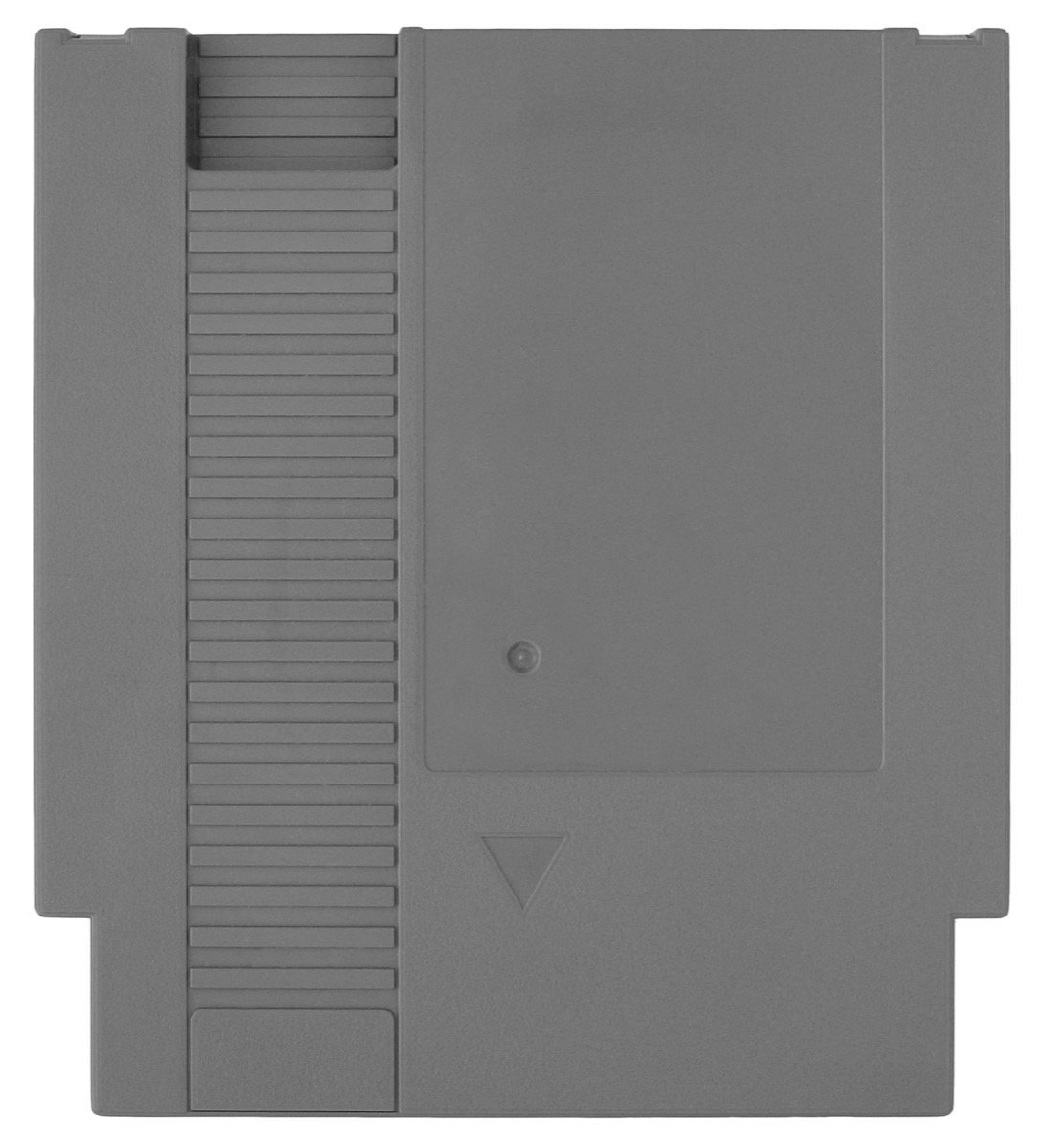
A gray NES game cartridge standing upright on a white background — the kind every 90s kid blew into
Trends 1985–1999

Blowing Into Cartridges

The universal remedy for a glitching NES, SNES, or N64 game: pull the cartridge, blow hard across the contacts, and pray. It never actually worked—the real fix was just reseating the cart—but the ritual of blowing was so universal that every gamer swore by it, confirmation bias at its finest.

Video thumbnail — 1995 Super Bowl Commercial "Bud" "Weis" "Er"
Trends 1995–2000

Budweiser Frogs

Three frogs on a swamp log, croaking one syllable each: "Bud." "Weis." "Er." That was the whole ad — and the entire country spent 1995 doing the impression. It didn't matter that most of the people quoting it weren't old enough to buy the product. That, it turned out, was the problem.

Video thumbnail — Burger King Commercial - I Like It Like That (1996)
Trends 1996–1997

The Burger King "I Like It Like That" Commercial

The 1996 commercial that turned a two-year-old salsa soundtrack single into a Top 40 hit. For a season of TV breaks, the Blackout All-Stars' "I Like It" was simply the Burger King song — an ad doing what radio hadn't.

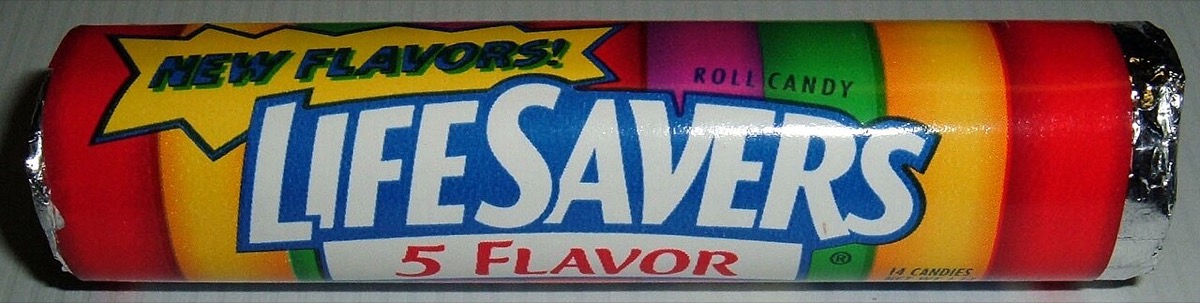
A Life Savers 5 Flavor roll — the candy brand behind Candystand
Trends 1997–2010

Candystand

Life Savers' secret weapon for brand loyalty: genuinely good Flash games, free for anyone, with the advertising hiding inside the games themselves. The mini golf alone kept a generation of school computer labs quietly clicking.

Placeholder graphic for 90s chain emails
Trends 1994–2005

Chain Emails

"FORWARD THIS TO 10 PEOPLE OR..." — the chain letter reborn at internet speed in 90s inboxes. Bad-luck threats, sick-kid legends, glurge poems, free-money hoaxes and virus panics, all forwarded with a wall of ">>>" quote marks and a hundred strangers' email addresses.

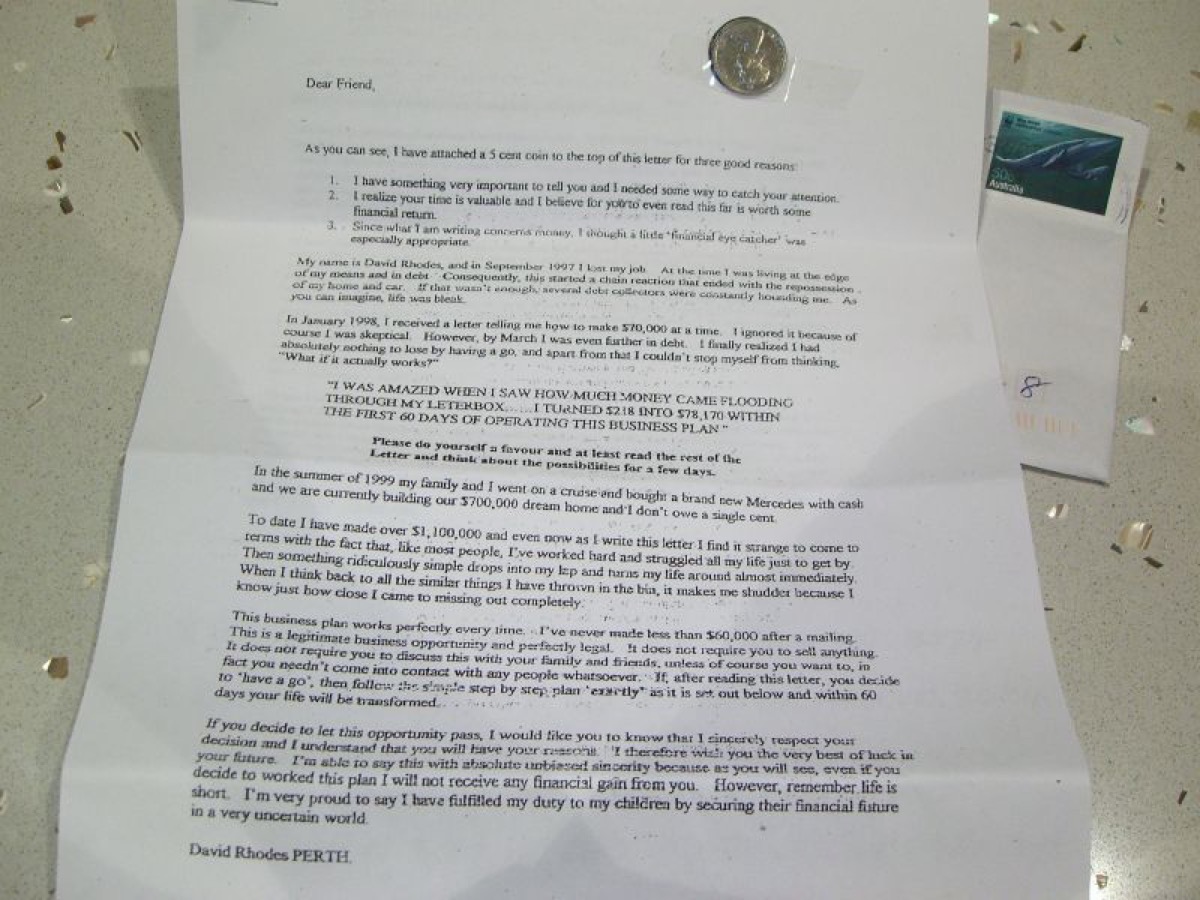
A real chain letter: a typed 'Dear Friend' money-chain letter with a small coin taped to the top and a stamped envelope beside it
Trends 1888–1990s

Chain Letters

The letter that arrived in the mailbox with instructions and a threat: copy this out ten times, mail it to ten people, and good luck will find you — break the chain and something terrible would happen. Some just promised fortune; others told you to send a dime or a dollar to the name at the top. Either way you sat there hand-copying it, half-laughing and half-not-wanting-to-risk-it.

Video thumbnail — 1990 Chia Pet TV Commercial Teddy Bear, Puppy, Kitten, Ram, Bull & Tree
Trends 1982–present

Chia Pets

Ch-ch-ch-Chia! Smear seed paste on a terracotta ram, water it, and watch it grow a green afro. Nobody ever asked for a Chia Pet — they materialized under Christmas trees anyway, summoned by a jingle that aired every December like clockwork.

Video thumbnail — Chicago Bulls Introduction 1996 NBA Finals Game 6 vs Seattle Supersonics
Trends 1991–1998

Chicago Bulls (1990s dynasty)

Six rings in eight years as two three-peats: the defining sports dynasty of the 1990s. Jordan, Pippen, Phil Jackson's triangle, the 72–10 season, 'I'm back,' and the lights-out 'Sirius' intro every kid recreated in the driveway.

Video thumbnail — 2 Basic Chinese Jump Rope Patterns | How to Chinese Jump Rope
Trends 1960s–present

Chinese Jump Rope

A big loop of elastic stretched around two kids' ankles while a third hopped through a chanted in-and-out pattern — and every time she cleared it, the rope went up: ankles, then knees, then thighs, until nobody could reach. All you needed was three friends and a length of stretchy cord, or a chain of knotted rubber bands in a pinch.

Video thumbnail — Circuit City Commercial 1990
Trends 1984–2009

Circuit City

The electronics superstore where your parents went to buy the first family PC, camcorder, or big-screen TV — with a commissioned salesman in a dress shirt walking them through every feature. Those red-tower storefronts were the 90s temple of consumer electronics. From superstore dominance to total liquidation in 2009, Circuit City is the retail ghost story of the era.

Video thumbnail — Club penguin commercial 2008
Trends 2005–2010

Club Penguin

The online hangout where millions of kids waddled around as cartoon penguins, decorated their igloos, adopted puffle pets, and played mini-games for coins in a safety-focused chat environment. Club Penguin was one of the first MMOs designed specifically for kids, and it became an after-school addiction that defined a generation's online childhood.

Video thumbnail — Columbia House Music CD 90s TV Commercial (1997)
Trends 1990s–2000s

Columbia House

The mail-order music gamble that tangled millions in negative-option billing: "Get 12 CDs for a penny," then buy more albums at full price or face automatic charges. Columbia House was the trap that snapped shut after the free shipment arrived—and every kid who signed up under a fake name was trying to outsmart the system.

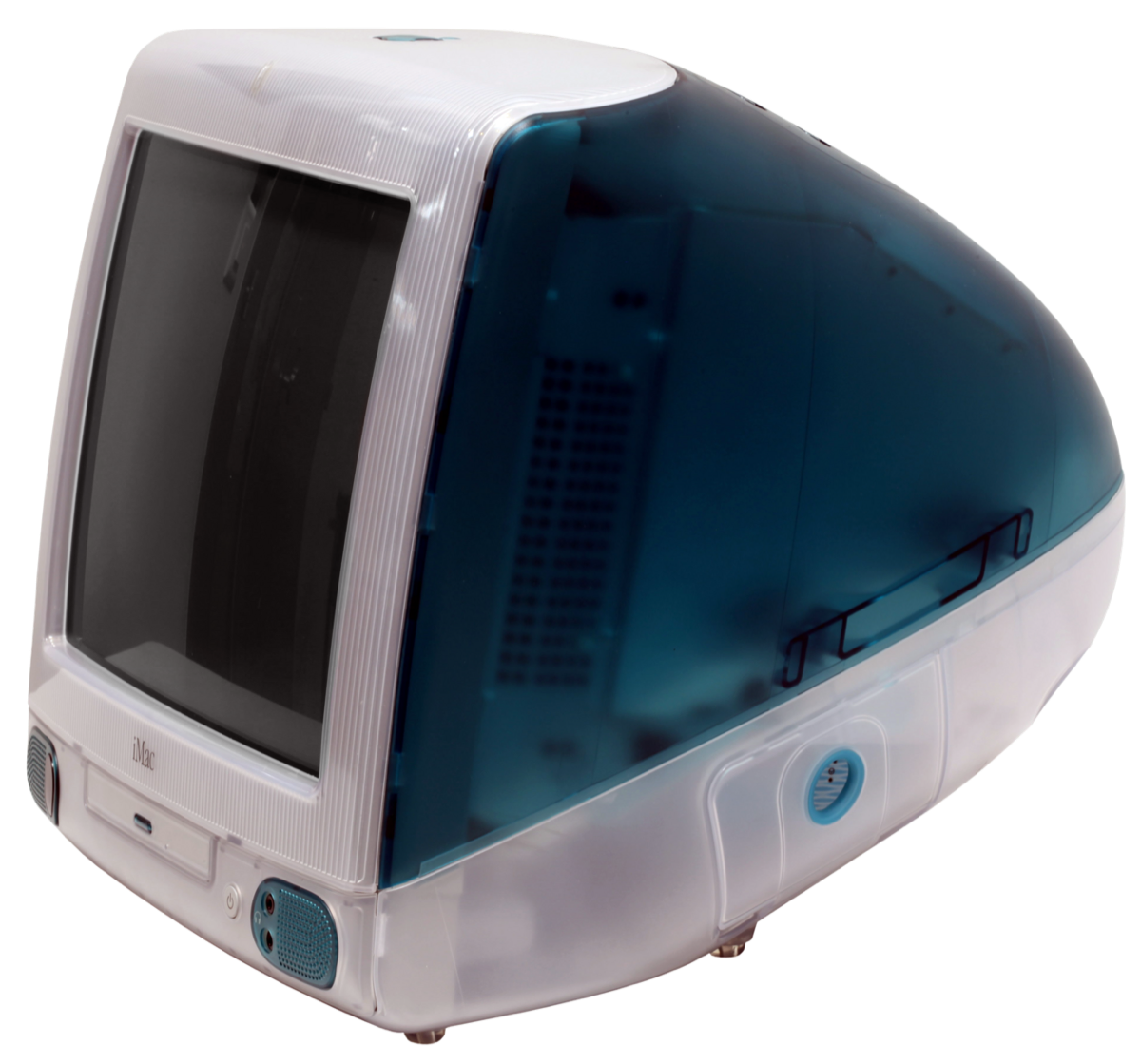
A translucent-blue Apple iMac G3 (1998) — a late-'90s all-in-one that filled school computer labs
Trends 1985–2005

Computer Lab

The weekly pilgrimage down the hall to the room full of beige Apple computers, where you'd slot in a floppy disk, wait, and take turns dying of dysentery on the Oregon Trail. "Computer Day" was equal parts educational software and the first place a lot of kids ever touched a keyboard.

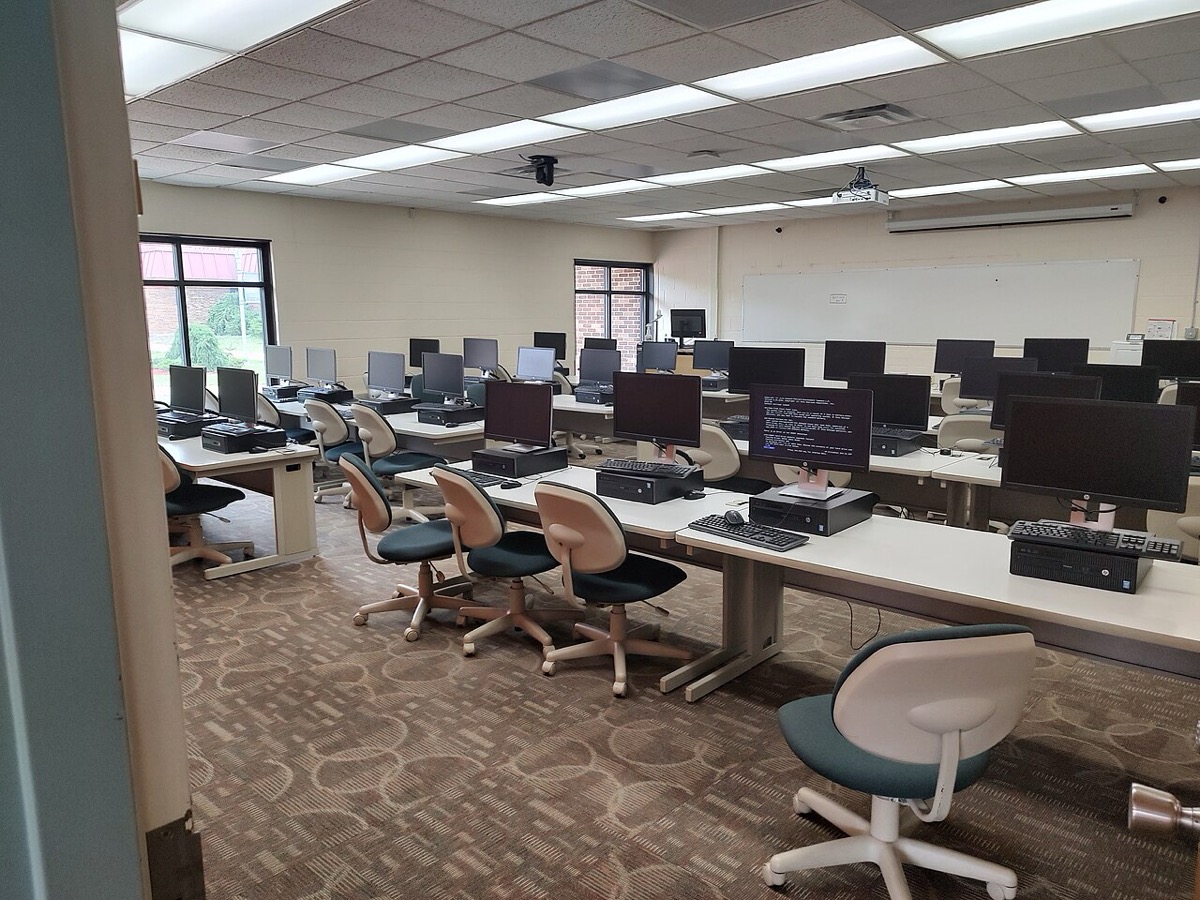
Rows of desktop computers in a school computer lab — where a generation played Cool Math Games
Trends 1997–present

Cool Math Games

The web filter loophole that became a school institution. Cool Math Games' "math" branding kept it off the blocked-site list while every other gaming site got nuked, making it the de facto arcade of every school computer lab in the mid-2000s.

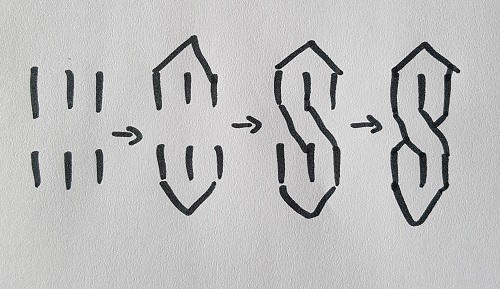
A hand-drawn, step-by-step construction of the pointy "Cool S" doodle in pen on paper
Trends 1980s–present

The "Cool S"

The pointy, six-stroke "S" that every kid somehow knew how to draw — on notebook margins, desks, backpacks, and bathroom stalls. Nobody taught it in class and nobody knows where it came from, yet it spread kid-to-kid across the entire world.

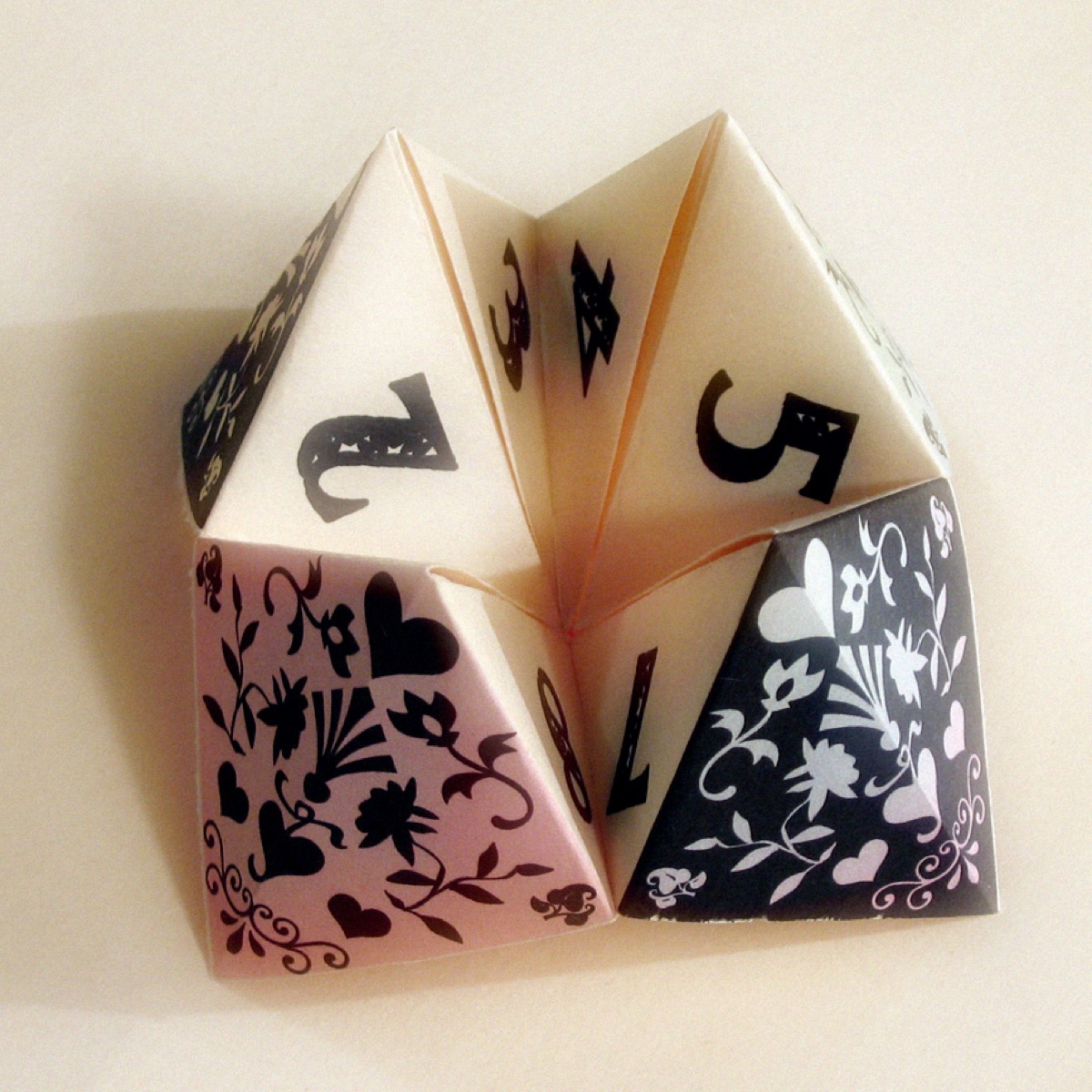
A folded paper fortune teller (cootie catcher), its flaps marked with numbers and patterned in pink and black
Trends 1880s–present

Paper Fortune Tellers

The folded-paper contraption you worked with your fingers to tell someone their future. Pick a color, pick a number, and under the last flap was your fate — who you'd marry, or something rude your friend had written. The classroom fortune-teller you could make out of a single square of notebook paper.

Video thumbnail — How to Make a Paper Bag Book Cover
Trends 1970s–2000s

Covering Your Textbooks

The first week of school came with homework before you'd learned anything: take home the stack of hardcover textbooks the teacher just issued and cover every single one. You either cut open a brown paper grocery bag and folded it into a snug jacket, or slid on a stretchy fabric cover in a color you actually liked. Then you brought them back the next day for the teacher to check.

Video thumbnail — The Original Chair from Crazy Creek Products
Trends 1987–present

Crazy Creek Chair

The legless, fold-flat fabric chair that turned any patch of ground into a seat — clip the side buckles, lean back, and the straps hold you in a recline on dirt, sand, bleachers or gym floors. If you sat "in" something at summer camp in the 90s, it was probably a Crazy Creek.

Video thumbnail — Dancing Baby Screensaver. 1996 (original music)
Trends 1996–1999

Dancing Baby

A 3D-rendered infant doing the cha-cha — arguably the first viral video-meme of the internet age. Born as a software demo in 1996 and spread through email chains like a digital chain letter, the "Ooga-Chaka baby" went fully mainstream when it started haunting Ally McBeal.

Video thumbnail — DARE commercial
Trends 1983–present

D.A.R.E.

Drug Abuse Resistance Education — the program that sent a uniformed police officer into your elementary classroom to talk about saying no to drugs. You watched slideshows, filled out a workbook, maybe met a police dog, and graduated with the T-shirt everyone in the '90s wore. The message was simple; the results, it turned out, were complicated.

Video thumbnail — deLiA*s catalog flip-through - Spring 1999
Trends 1993–2015

The dELiA*s Catalog

It came in the mail and your afternoon was over. The teen-girl catalog you read cover to cover, dog-eared, circled, and fought your friends over — baby tees, butterfly clips, platform sandals, and girls in the photos who were never, ever smiling politely. For a lot of teenagers it was the only place the trendy clothes actually existed.

Video thumbnail — Dinoscore
Trends late 1990s–present

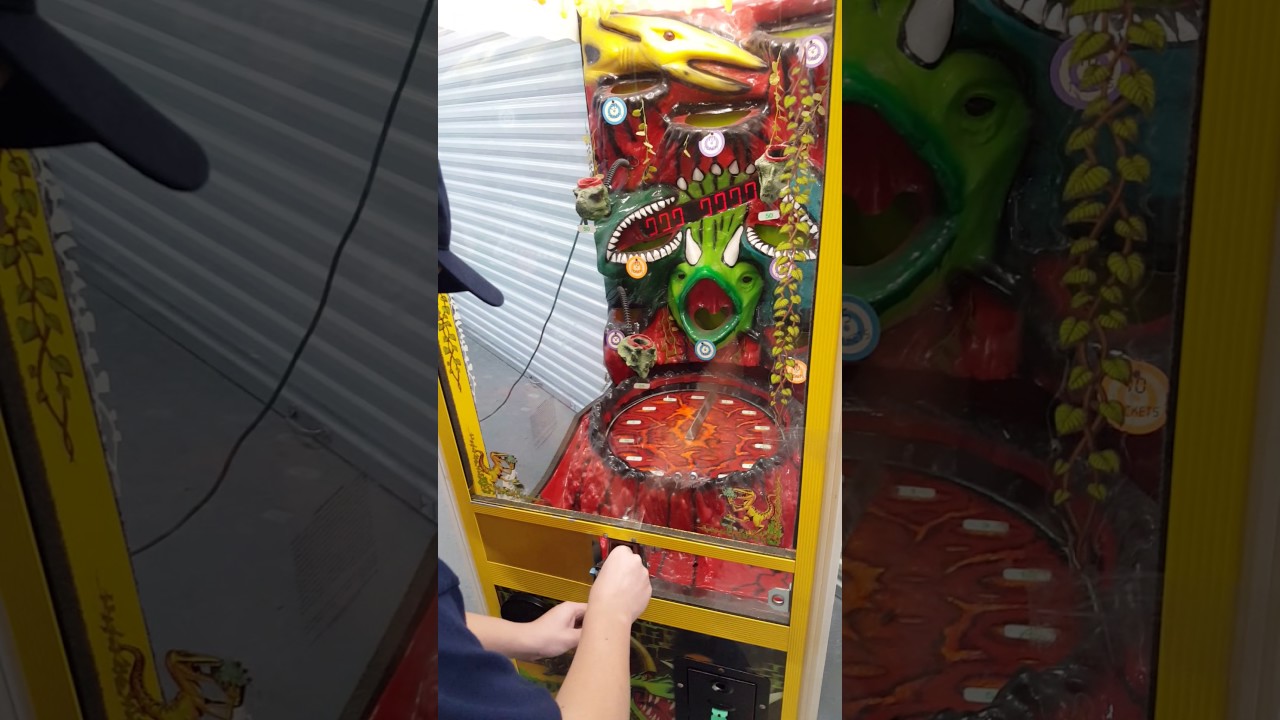
Dinoscore

The arcade redemption machine where you launched a token up toward a hungry dinosaur's mouth, feeding the beast for a payout of tickets. A dino-themed cousin of Rock 'N Bowl and Wheel 'Em In on the '90s ticket-frenzy floor.

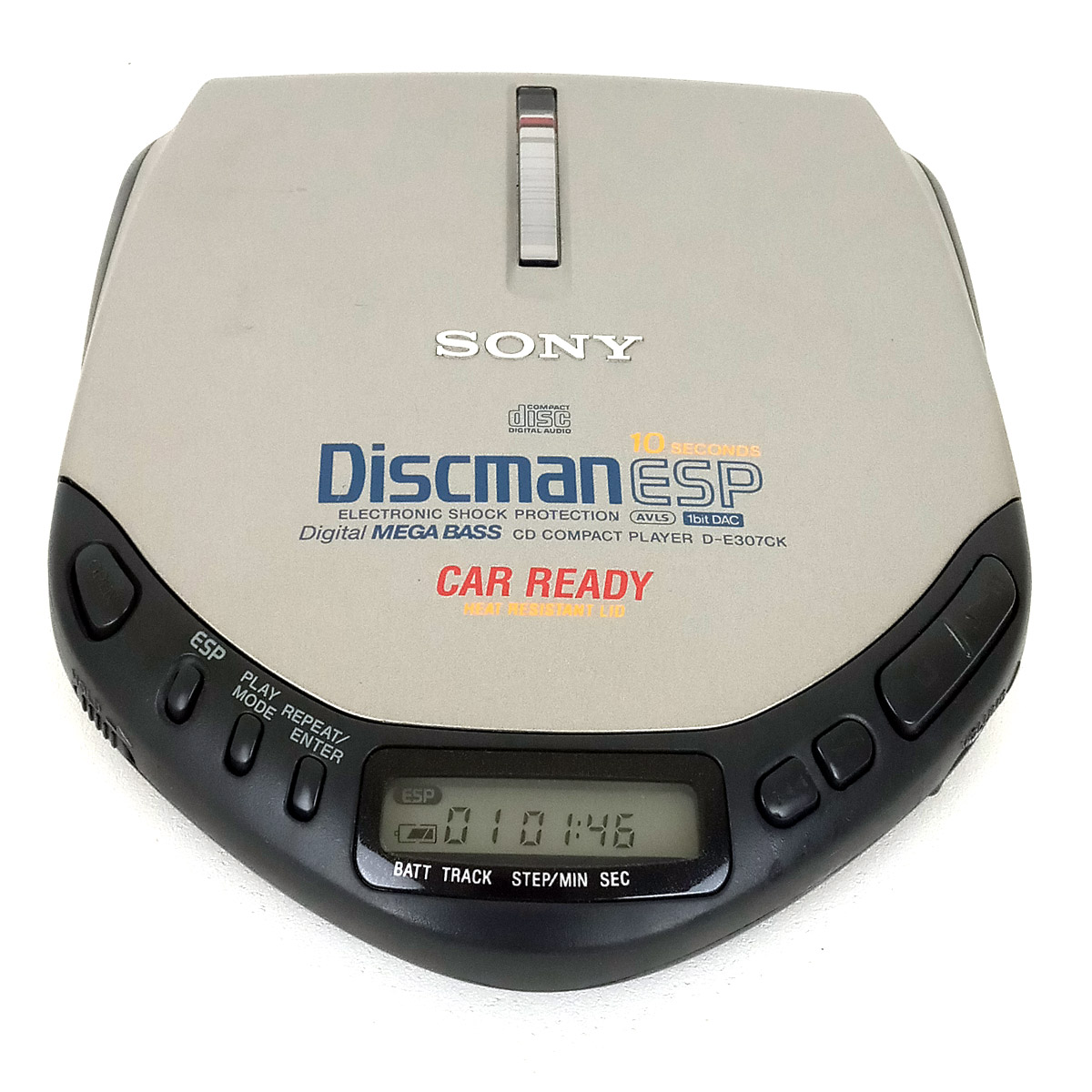
A Sony Discman ESP D-E307CK portable CD player, viewed from above with the lid closed
Trends 1992–2002

Discman & CD Binders

The ritual of portable CD life: a Sony Discman clipped to your waist or backpack, Electronic Skip Protection bragged on the box, and a zip-up CD binder holding exactly 24 discs — the ones that defined you. CD binders like Case Logic wallets replaced jewel cases, turning your music taste into curated, tangible proof of personality.

Video thumbnail — DZ Discovery Zone Commercial - 1993
Trends 1989–2001

Discovery Zone

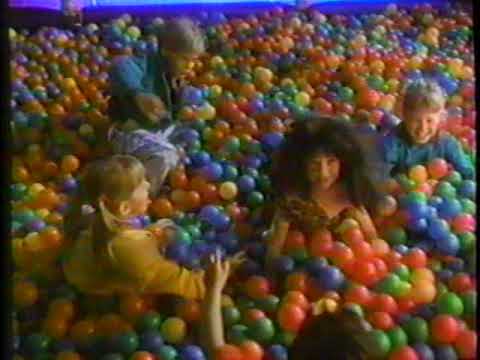
'DZ' — the indoor playground empire of padded mazes, tube slides, ball pits, and birthday parties. Exploded across the '90s, then vanished almost overnight.

Video thumbnail — Walt Disney's World on Ice: Aladdin commercial, 1996
Trends 1981–present

Disney on Ice

The ice show that came to town every winter with the latest Disney movies on skates. For 90s kids it meant Belle waltzing around the local arena while you waved a light-up wand and worked on a snow cone in a mouse-ear cup.

Video thumbnail — We Found an Original Old Disney Store Stuck in Time from the 90s!
Trends 1987–present

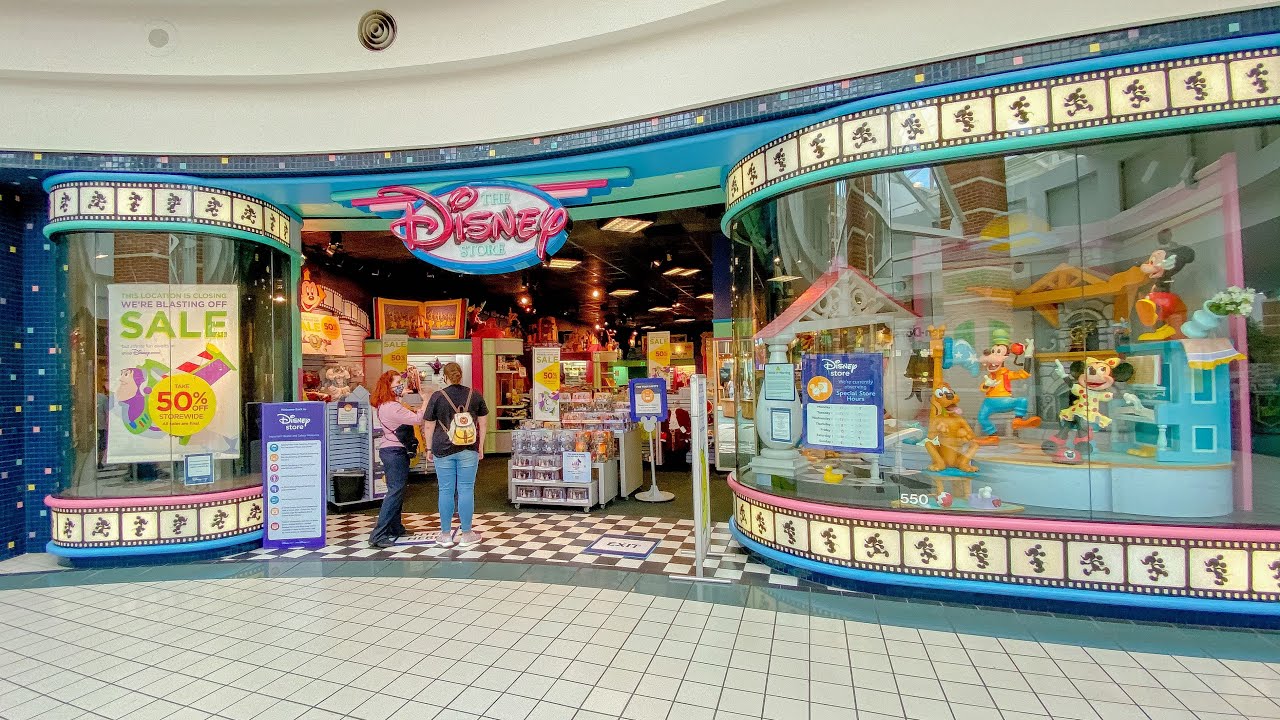
The Disney Store

The closest thing to the parks that existed within driving distance of most kids — a bright box of plush, videos, and costume dresses parked between the shoe store and the food court. In the 1990s there were nearly 750 of them. Today there are about twenty.

The taxidermied body of Dolly the Sheep on display at the National Museum of Scotland, her woolly head lit against a dark background
Trends 1996–2003

Dolly the Sheep

The most famous sheep in history — the first mammal cloned from an adult cell, and the moment cloning jumped from science fiction to the dinner-table conversation. When Dolly was unveiled in 1997, she landed on magazine covers, triggered ethics panics, and made 'clone' a word every kid suddenly knew.

Video thumbnail — Ebay Website (1999)
Trends 1995–early 2000s

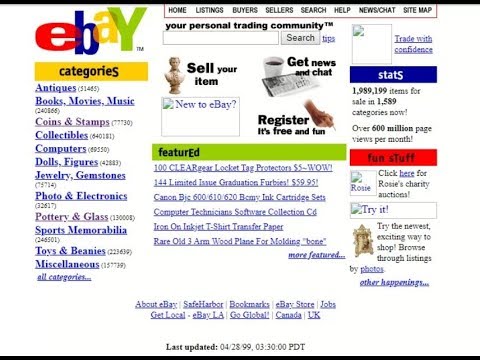
Early eBay

The person-to-person auction era before storefronts and one-click checkout. You photographed your own stuff with a grainy digital camera, hand-wrote the listing in janky HTML, and mailed a check to a stranger whose feedback score was the only thing telling you they could be trusted. Half the thrill was a last-second bidding war; the other half was the box arriving at all.

the original YouTube 'Broadcast Yourself' logo (2005–2011)
Trends 2005–2009

Early YouTube

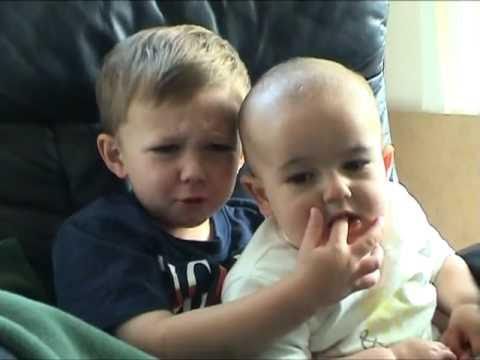
The video platform that made viral content a daily ritual. YouTube launched in 2005 as low-res, ad-free, and gloriously weird—a space where "Lazy Sunday," "Chocolate Rain," and "Charlie Bit My Finger" became the lingua franca of internet culture.

Placeholder graphic for eBaum's World
Trends 2001–2008

eBaum's World

The early-2000s comedy and media dump every kid browsed instead of doing homework. Flash cartoons, prank-call soundboards, funny clips, and simple games — all stamped with the site's inescapable watermark, which became the running joke and the scandal at once.

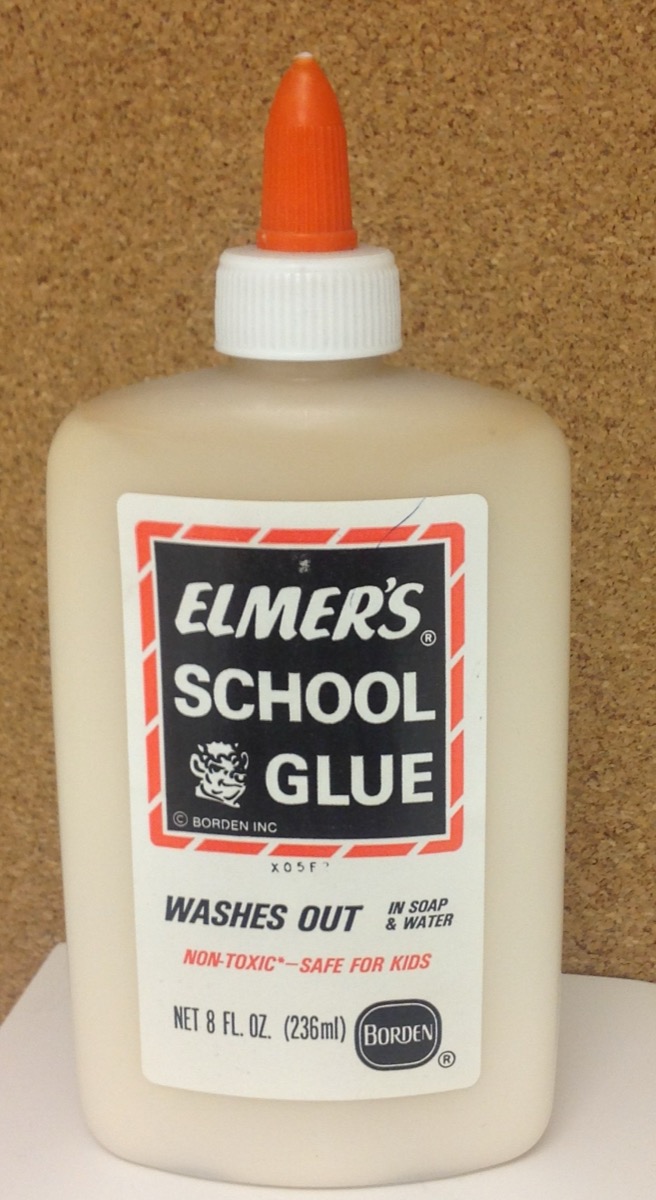
A vintage Borden-era Elmer's School Glue bottle with the orange twist cap and Elmer the bull on the label
Trends 1947–present

Elmer's Glue

The white bottle with the orange twist cap and the bull on the label — the glue of every 90s classroom, and the raw material of two sacred rituals: peeling dried glue off your palm, and the (never-quite-true) legend of the kid who ate paste.

Close-up portrait of a person with a classic emo swoop haircut holding a rose
Trends 2004–2009

Emo / Scene-Kid Wave

The mid-to-late-2000s youth subculture built around emo and pop-punk bands like My Chemical Romance, Fall Out Boy, Panic! at the Disco, and Dashboard Confessional. The look: long side-swept bangs over one eye, black skinny jeans, band tees, studded belts, thick eyeliner, Converse, and dyed or straightened hair. It lived on MySpace through dramatic high-angle selfies and Top 8 drama, shaping a generation's teenage aesthetic.

Video thumbnail — Toy shopping at FAO Schwarz in 1996
Trends 1862–present

FAO Schwarz

The toy store as a destination — the marble-and-magic Fifth Avenue palace with the giant walk-on piano from Big, toy-soldier doormen, and stuffed animals taller than you were. For a '90s kid, FAO Schwarz was the place a trip to New York was really about.

Elementary-school kids in matching shirts playing outdoor games on a grassy field at a school field day
Trends 1990–2005 peak

School Field Day

The end-of-year outdoor blowout when class got canceled for a day of sack races, tug-of-war, three-legged races, and water-balloon tosses out on the field. Everybody went home sunburned and clutching a ribbon — even if it just said "Participant."

the glossy red Macromedia Flash icon — the 'install Flash Player' era
Trends 1999–2010 peak

Flash Game Sites

A corner of the web where anyone could upload a game, the community voted, and you could lose hours flicking through hand-coded animations and wildly unpolished experiments. Flash game sites were the internet's scrappy basement arcade.

Video thumbnail — Website review- FMYLIFE.com
Trends 2008–present

FML (FMyLife)

"Today, [something humiliating happened]. FML." The confessional site where strangers shared their tiny daily disasters as one-sentence anecdotes, and you voted on whether their life truly sucked — or whether they totally deserved it. The three-letter sign-off outgrew the website and became everyday slang.

Video thumbnail — How To Play FOUR SQUARE
Trends 1950s–present

Four Square

The recess court painted in four big squares, ruled by whoever held the top square and whatever house rules they felt like declaring that day. Bounce the rubber ball into someone else's square, they had to hit it on before it bounced twice, and one blown return sent you to the back of the line while everybody moved up.

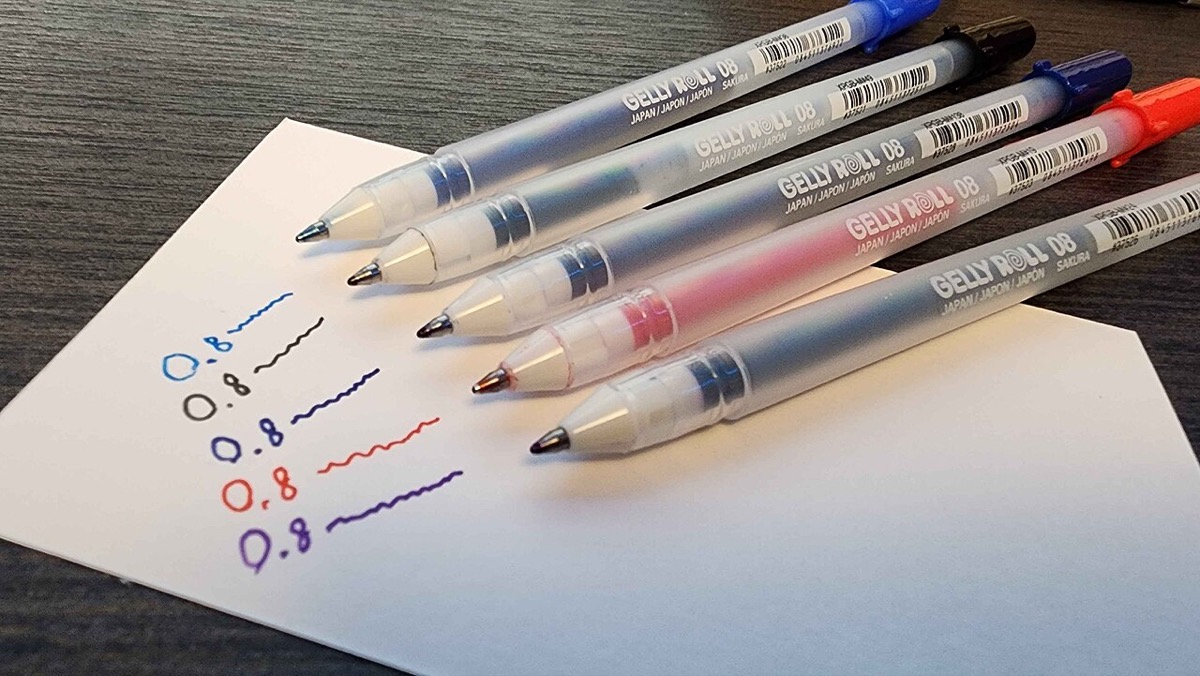
A row of Sakura Gelly Roll gel pens on paper with ink swatches
Trends 1990–1999

Gel Pens

The 1990s school-supply craze: smooth-writing gel-ink pens in glittery, metallic, pastel, and neon colors (the opaque pastels known as "milky pens") that showed up vividly even on black paper. Kids hoarded huge collections, traded colors with friends, and covered notebooks and each other's arms in shimmery ink—a quintessential 90s classroom status symbol.

the GeoCities logo — the black 'g' mascot over the blue-and-green wordmark
Trends 1995–2009

GeoCities

The free web hosting empire where the internet learned to be chaotic. GeoCities gave millions of people their first webpage, organized into themed neighborhoods, and established the visual language of under-construction GIFs, MIDI soundtracks, and blinking text that defined the early web.

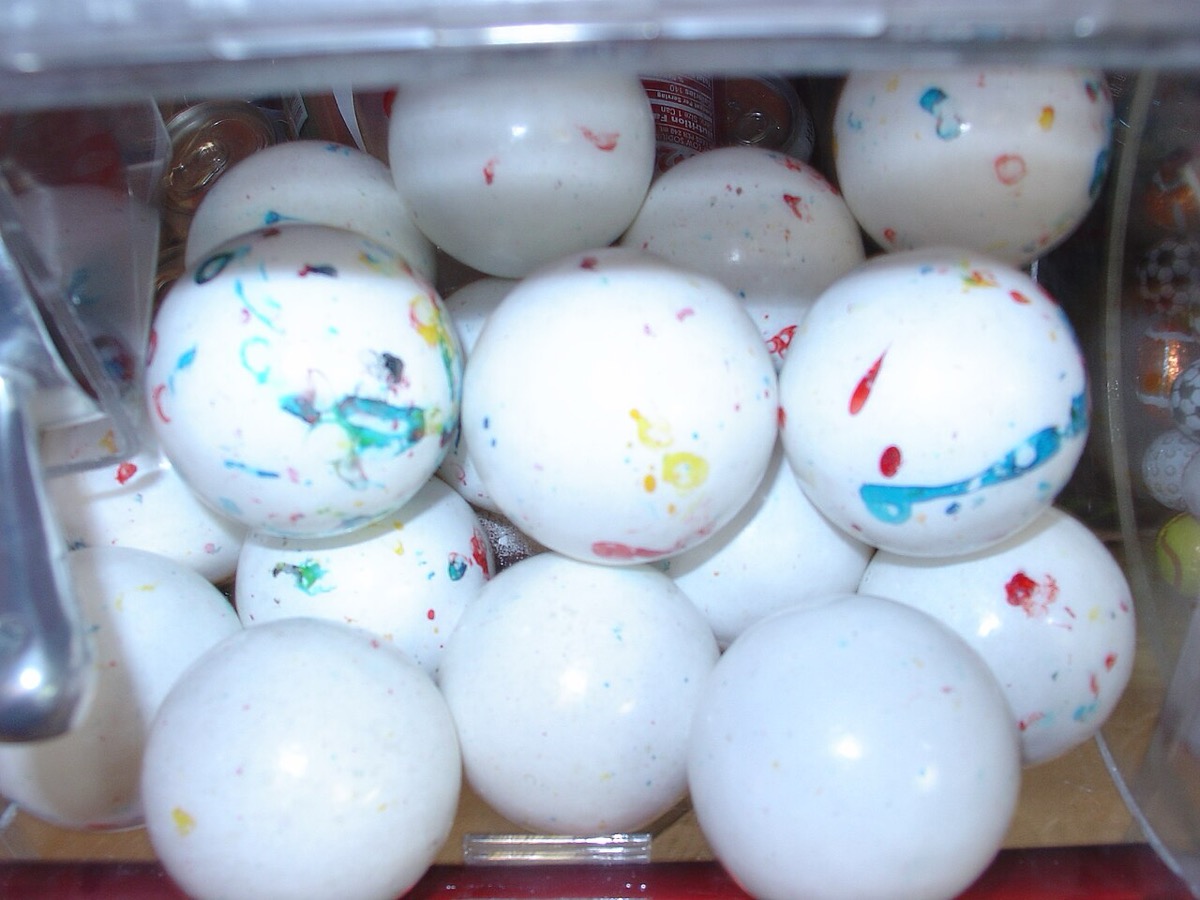
A bin full of large speckled, marbled giant jawbreaker candies
Trends 1990s

Giant Jawbreaker in a Bag

Baseball-sized or larger multicolor jawbreakers (2–3+ inches across) that were physically impossible to finish, so kids licked them for weeks and carried them in plastic sandwich bags between sessions. Comparing color layers and tracking progress became peak 1990s playground status symbol.

Video thumbnail — Bedtime Hack for Kids... Glow Stars for Ceiling!
Trends 1990–1999

Glow-in-the-Dark Star Stickers

Adhesive plastic stars that glowed faintly when you turned off the lights, arranged in random chaotic constellations across your ceiling and walls — the ultimate low-effort bedroom customization. Kids spent hours peeling and sticking them in patterns, occasionally attempting actual star charts, mostly just creating glowing chaos overhead to stare at before sleep.

Video thumbnail — Star Stickers - Foil Star Stickers - Gold Star Stickers
Trends 1960s–2000s

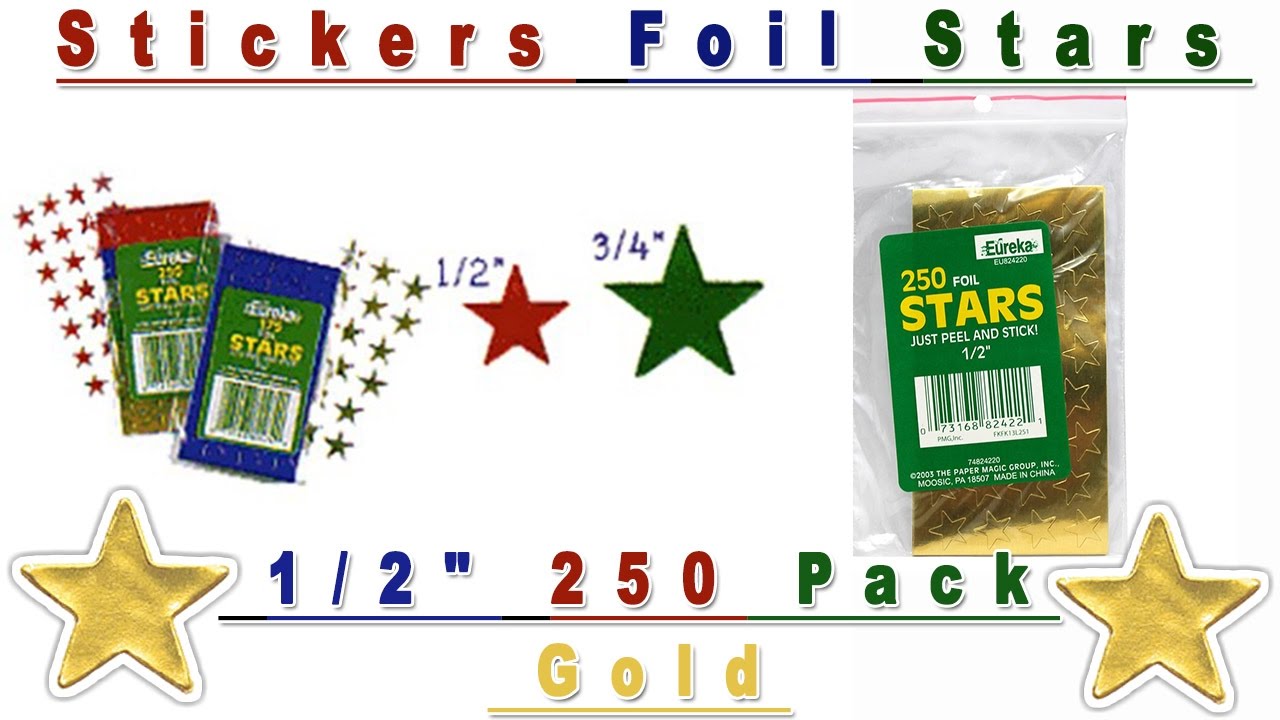
Gold Star Stickers

The foil star the teacher pressed next to your name on the chart taped to the classroom wall. Names ran down one side, a row of little boxes ran across, and the stars were the public ledger of who was doing well. Five in a row might mean the prize box. An empty row was its own quiet punishment.

Video thumbnail — Michael Bay Original Got Milk Commercial 1993 Who Shot Alexander Hamilton?  Aaron Burr
Trends 1993–2014

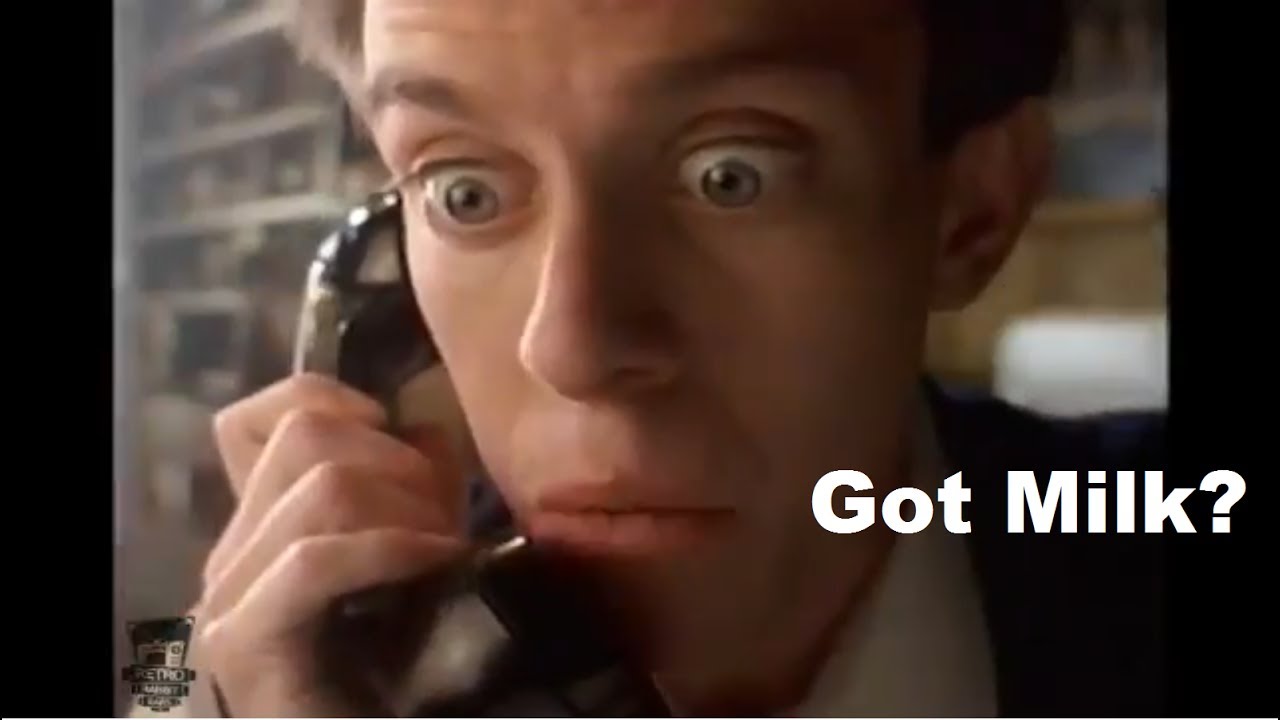
Got Milk?

The iconic 'Got Milk?' campaign launched October 1993 with a TV spot directed by Michael Bay, but the cultural phenomenon exploded with the celebrity milk-mustache print ads that started in 1995. Hundreds of celebrities posed with white mustaches across magazine spreads; kids collected and pinned the pages like trading cards.

Video thumbnail — Habbo Hotel Experience
Trends 2000–present

Habbo Hotel

A giant isometric pixel-art hotel you checked into as a blocky avatar — decorating rooms with "furni," chatting in the lobby, and guarding the virtual pool. One of the first massively popular online social worlds built for teenagers.

Comet Hale-Bopp in the night sky in March 1997, its blue ion tail and white dust tail streaming above a bare tree at twilight
Trends 1995–1997

Comet Hale-Bopp

The Great Comet of 1997 — the bright, hanging smudge of light that had entire families standing in the driveway looking up. Visible to the naked eye for a record stretch, Hale-Bopp was the comet everyone actually saw, a shared sky-watching moment that also collided with one of the decade's strangest tragedies.

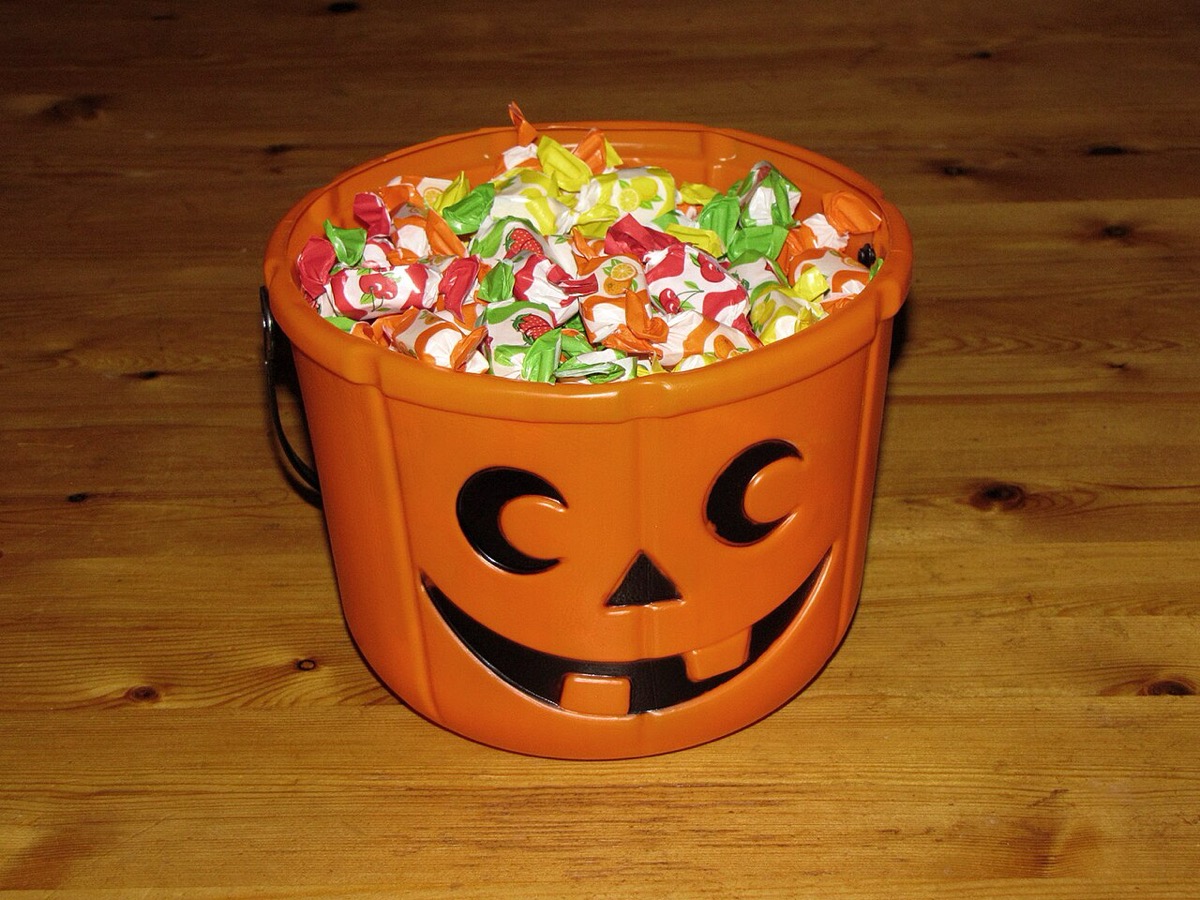
A plastic jack-o'-lantern pail filled to the brim with wrapped candies on a wooden floor
Trends 1990–2005 peak

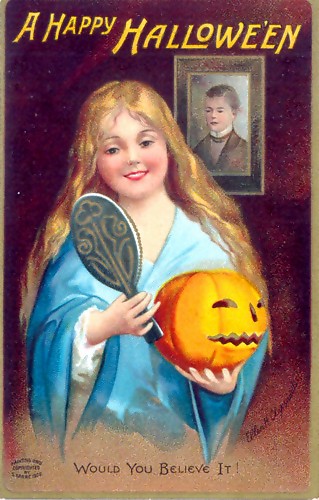
The Halloween Candy Haul

The real event started after trick-or-treating: dumping the pillowcase onto the living-room floor and sorting the haul into a personal taxonomy — chocolate aristocracy, fruity middle class, the circus-peanut underclass. Then came the trading floor: sibling negotiations with exchange rates everyone understood (one full-size anything was worth a fistful of anything else). And the parental 'safety inspection' tax: unwrapped candy confiscated, suspicious pinholes examined, a few 'tested' Snickers never seen again.

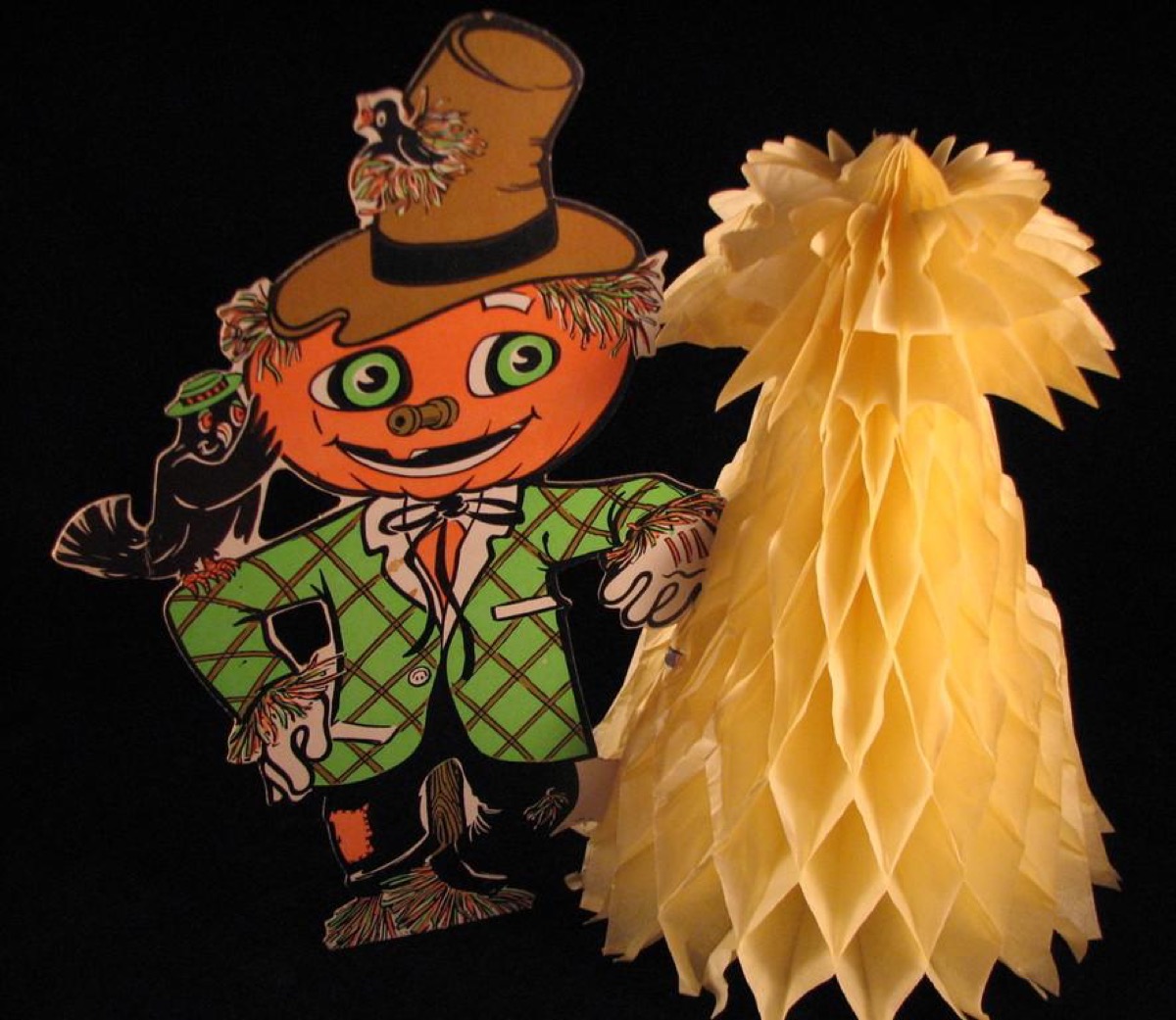
Vintage die-cut paper Halloween decorations — the kind taped up on classroom walls every October
Trends 1990–2005 peak

Halloween Classroom Decorations

Every October, elementary-school teachers transformed their rooms — construction-paper pumpkins taped to the windows, black paper bats on the walls, stretchy fake cobweb in the corners, and the jointed cardboard skeleton grinning by the door. It was the classroom's yearly costume.

Video thumbnail — The Hampster Dance website in 1999 in Netscape Navigator 4.04
Trends 1997–2000

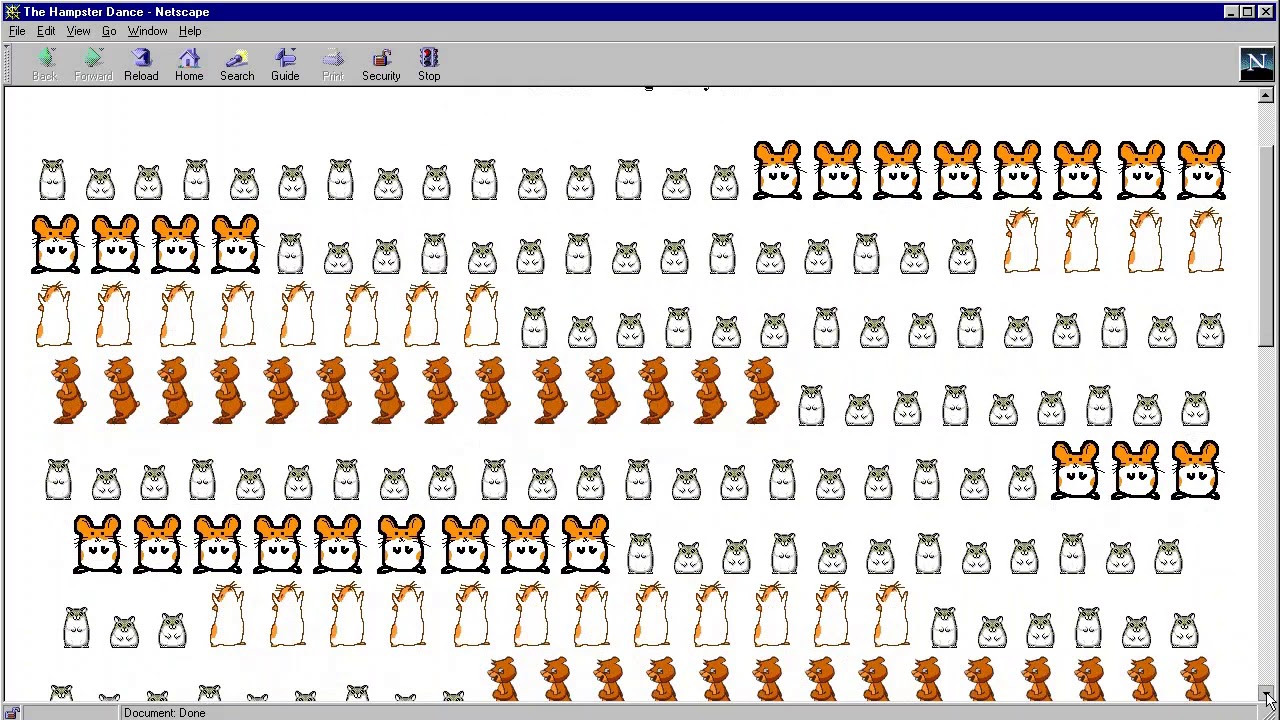
The Hampster Dance

Four animated hamsters repeated ad nauseam, set to a sped-up Disney sample — one of the internet's first viral sensations. Created in 1997 by a Canadian art student as a GeoCities tribute to her pet hamster, The Hampster Dance puttered along unseen until a 1999 email chain sent it stratospheric, spawning hit songs, merch, and a permanent place in internet history.

Video thumbnail — Miss Mary Mack (with lyrics and tutorial) | Hand Clapping Games for 2 players
Trends 1888–present

Hand-Clapping Games

Two kids facing off, hands flying through a clapping pattern too fast to follow, chanting 'Miss Mary Mack, Mack, Mack' or 'Down down baby' until somebody fumbled and cracked up. Passed friend to friend on playgrounds, no equipment required — just a partner and a rhyme everybody somehow already knew.

Video thumbnail — 1989 Harlem Globetrotters World Tour Commercial -Kemper Arena
Trends 1926–present

Harlem Globetrotters

The world's most famous exhibition basketball team didn't come from Harlem and almost never loses. Born on Chicago's South Side in the 1920s, they've spent a century mixing trick-shot artistry with comedy routines in packed arenas—their whistled theme "Sweet Georgia Brown" is as iconic as the alley-oop that made you jump out of your seat.

Video thumbnail — Harlem Wizards take on District 11 teachers in fun-filled fundraiser
Trends 1962–present

Harlem Wizards

The trick-basketball team that came to YOUR school gym, not the arena on TV. The Wizards turned your gym into a spectacle: alley-oops, rim hangs, teachers dunked on, and an entire night of chaos that somehow raised money for your school while you forgot there were adults in charge.

Video thumbnail — How to Play Seven Up
Trends 1950s–present

Heads Up, Seven Up

The rainy-day classroom game where seven kids crept up and down the aisles while everyone else put their heads down, eyes closed, one thumb up. Get your thumb pressed and you stood to guess who did it — a correct call and you took their place at the front. It was less a game than a way to survive an indoor recess.

Video thumbnail — Strong Bad Email #58 - Dragon
Trends 2000–2010 peak

Homestar Runner

The Flash cartoon empire that ran on merch and goodwill — no ads, ever. The Chapman brothers' site built its voice through Strong Bad's absurd email replies, one of which spawned Trogdor the Burninator, a scribbled one-armed dragon that became internet legend.

Video thumbnail — KAYBEE Toy Store Commercial from 1991
Trends 1973–2009

KB Toys

The cramped, stacked-to-the-ceiling toy store tucked into every American mall — smaller and more chaotic than Toys "R" Us, with clearance bins spilling into the aisles. It was the impulse-buy toy stop on any mall trip, right up until it liquidated for good in 2009.

A big red rubber playground ball in the grass — the ball of every schoolyard kickball game
Trends 1990–2005 peak

Kickball

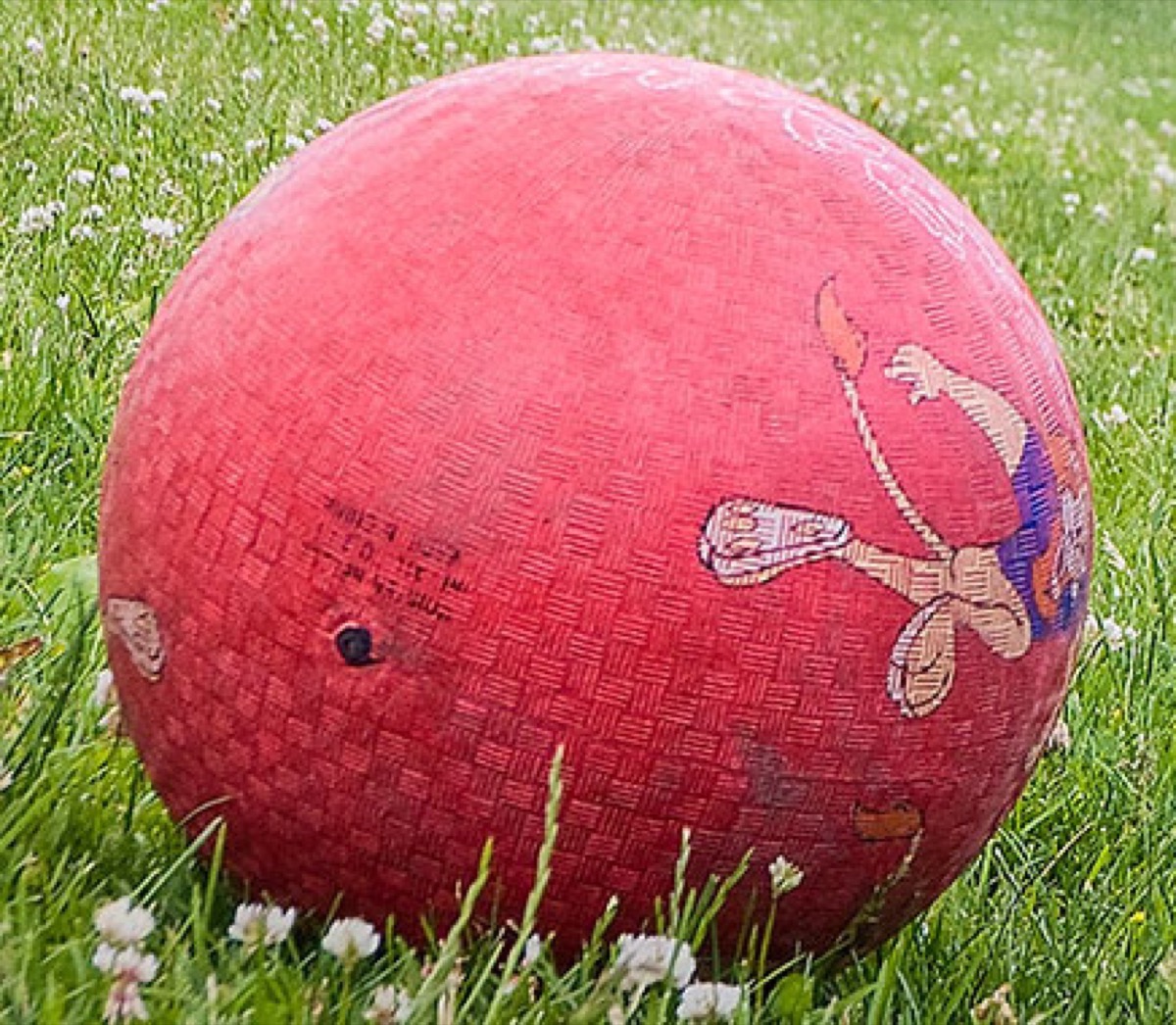
The great equalizer of elementary recess: a big red rubber ball, a diamond scuffed into the grass, and a game of baseball you played with your feet. The same ball did double duty for four-square and dodgeball.

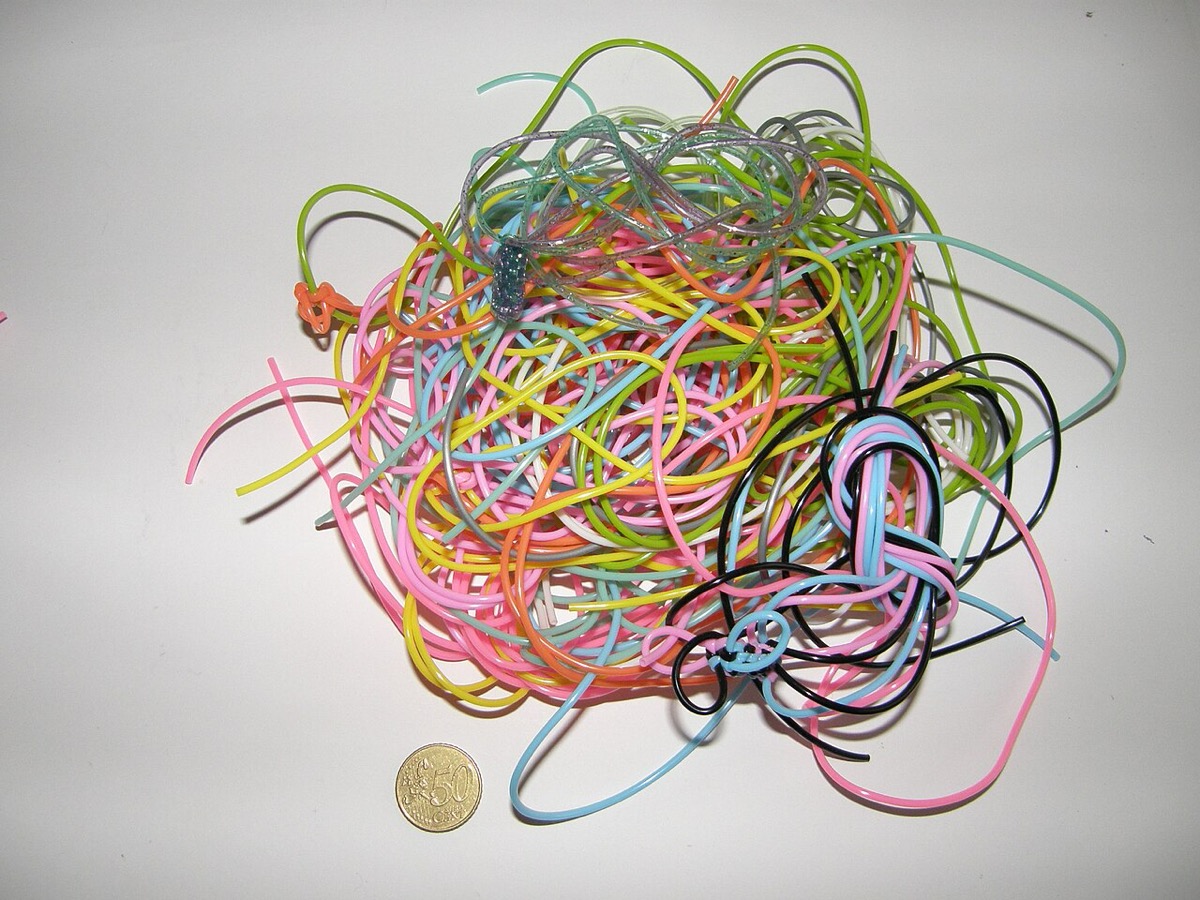
A tangle of brightly colored scoubidou / gimp plastic lacing, the material of the lanyard craft
Trends 1958–present

Lanyards

The plastic-lace keychain craft that ran on camp tables and classroom desks — box stitch, cobra, Chinese staircase — in every neon color the gift-shop rack sold. Depending on where you grew up you called it gimp, boondoggle, or scoubidou, and you made yards of it you had no use for.

Video thumbnail — Q-Zar Laser Tag Commercial
Trends 1984–present

Laser Tag Arenas

Fog-choked blacklight mazes where you strapped into a chunky plastic vest, grabbed a blaster, and tagged opponents in a neon-soaked techno dreamscape. Laser tag arenas were birthday-party bedlam — loud, disorienting, and absolutely thrilling.

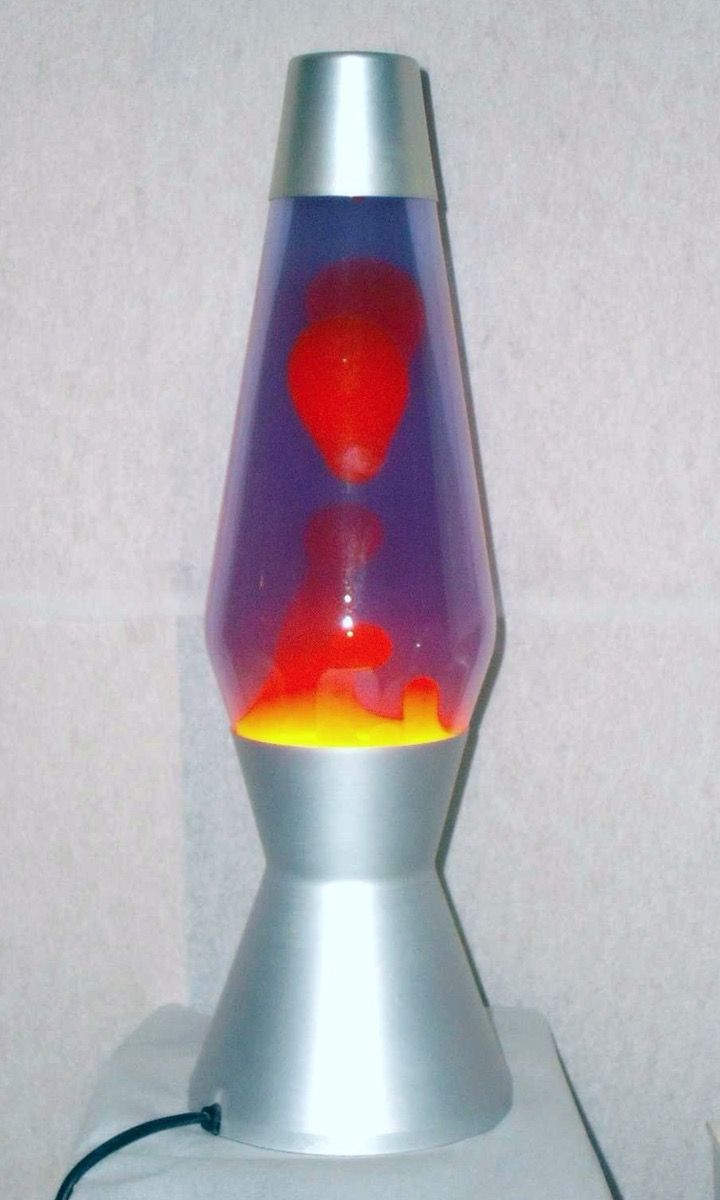
A glowing lava lamp with red wax rising through purple liquid on a silver base
Trends 1963–present

Lava Lamps

The glowing bottle of slow-drifting wax blobs that anchored every '90s bedroom and dorm-room shelf. Invented in 1963, it lay dormant for years before a wave of retro nostalgia made it the mood-lighting must-have of the decade all over again.

Video thumbnail — Napster - Changing an Industry
Trends 1999–2010

LimeWire & Napster

The lawless era of free music: you queued up a download that would take three hours on dial-up, crossed your fingers it wasn't mislabeled, and hoped even harder it wasn't a virus. Napster and LimeWire were the P2P revolution that detonated the music industry, made kids into accidental outlaws, and eventually gave way to iTunes.

Video thumbnail — Mila Kunis Lisa Frank Commercial!
Trends 1988–1998

Lisa Frank

Neon-rainbow folders, stickers, and binders plastered with dolphins, unicorns, and technicolor leopards—the aesthetic that defined every 90s classroom. Lisa Frank's maximalist explosion of color became a status symbol and a collecting obsession that grossed over $60 million a year at its peak.

Video thumbnail — MapQuest: The Forgotten Tech That Started It All
Trends 1996–2000s peak

MapQuest

Before your phone knew where you were, you printed directions from MapQuest and prayed you didn't miss step 14. The pre-GPS road-trip ritual, in a stack of warm printer paper.

Video thumbnail — The Bankrupt Mars 2112: NYC's Weird & Troubled Martian Restaurant
Trends 1998–2012

Mars 2112

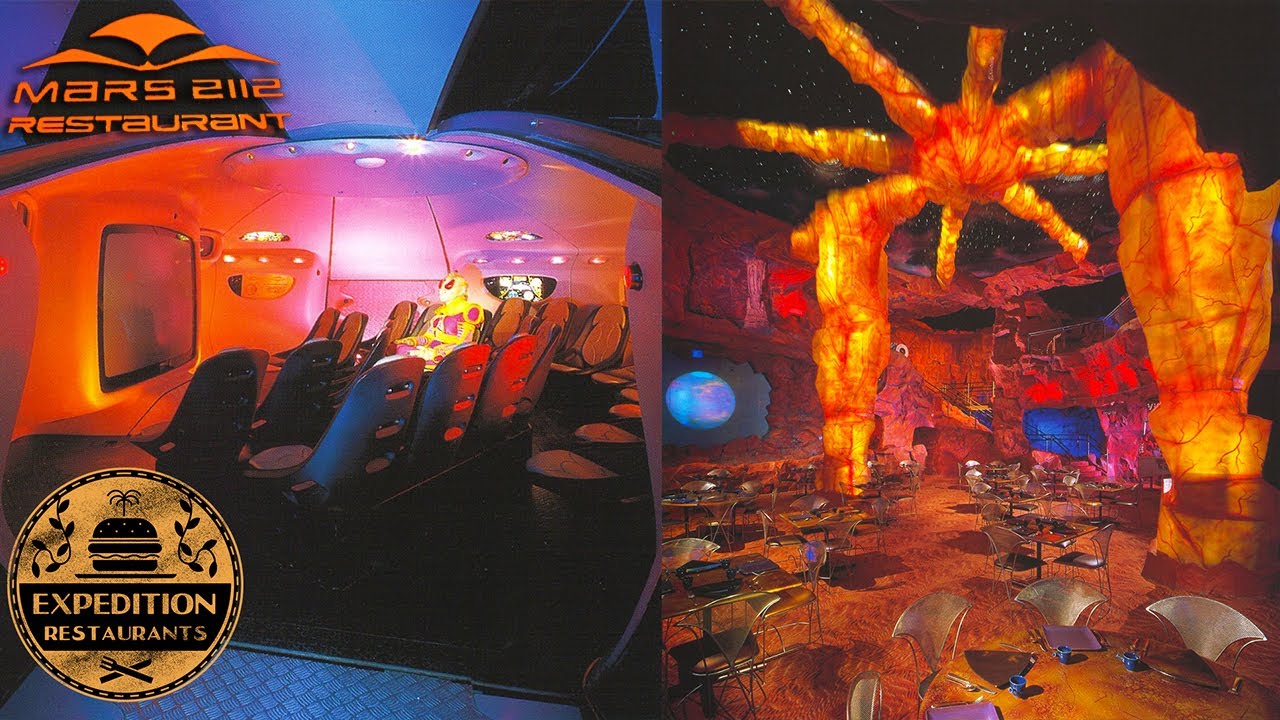
A 33,000-square-foot spaceship restaurant in Times Square where you literally flew to Mars on a motion-simulator shuttle before tumbling into a three-story underground Martian cavern. It was the largest space-themed restaurant on Earth when it opened, and it felt like it — a pure sci-fi fever dream.

Placeholder illustration for the MASH pencil game
Trends 1980s–present (true origin unrecorded)

MASH

The pencil-and-paper fortune game that predicted your whole adult life in a few minutes: who you'd marry, what car you'd drive, how many kids you'd have, and — the joke of the whole thing — whether you'd end up in a Mansion, an Apartment, a Shack, or a House.

the MAXIM wordmark
Trends 1997–2008 peak

Maxim

The "lad mag" that lived on every barbershop shelf and older brother's bedroom floor. Maxim brought cover models, cheeky lists, gear reviews, and the famous Hot 100 to millions of readers in the early 2000s—a condensed, irreverent take on lifestyle media that dominated dorms and waiting rooms.

Video thumbnail — McDonald's Batman Returns 1992 Commercial
Trends 1992–1995

McDonald's Batman Collector Cups

The movie-promo cups and glass mugs that turned a McDonald's run into a Batman artifact. When the Caped Crusader came back to theaters in the '90s, McDonald's turned itself into Gotham City — and a generation kept the glasses in the cupboard for years.

Video thumbnail — 1995 McDonalds Monopoly Game Commercial
Trends 1987–present

McDonald's Monopoly

Peel the game piece off the fries carton, hold your breath: Park Place. Again. Everyone had a drawer full of Park Places — because the Boardwalks were the whole game. What nobody knew was where the Boardwalks were actually going.

Video thumbnail — Medieval Times, Lyndhurst NJ (Commercial 1990 12 01)
Trends 1983–present

Medieval Times

Dinner and a tournament: jousting knights on horseback, a whole roast chicken eaten with your bare hands, and a whole section of the arena screaming for its color-coded knight. The birthday-and-field-trip institution that a Jim Carrey movie made unforgettable.

Video thumbnail — Miniclip: The End Of An Era | Forgotten Internet
Trends 2001–present

Miniclip

The browser-games portal you loaded the second the teacher turned around — a wall of free Flash games for every spare ten minutes, from stick-figure violence to pool. If one game got blocked at school, Miniclip was where you found ten more.

A blank Verbatim CD-R disc, 700MB / 52x / 80 min
Trends 1998–2008

Mix CDs

The mixtape of the CD-R era: download MP3s from file-sharing sites, burn them to a blank disc in Nero or iTunes, label it with Sharpie, and pray it didn't skip. Mix CDs were the late-90s and 2000s ritual—track order agonized over, burnable only by those with a CD-R drive, given as love offerings and road-trip soundtracks.

A close-up of a compact cassette with a handwritten label listing the recorded tracks
Trends 1979–2000

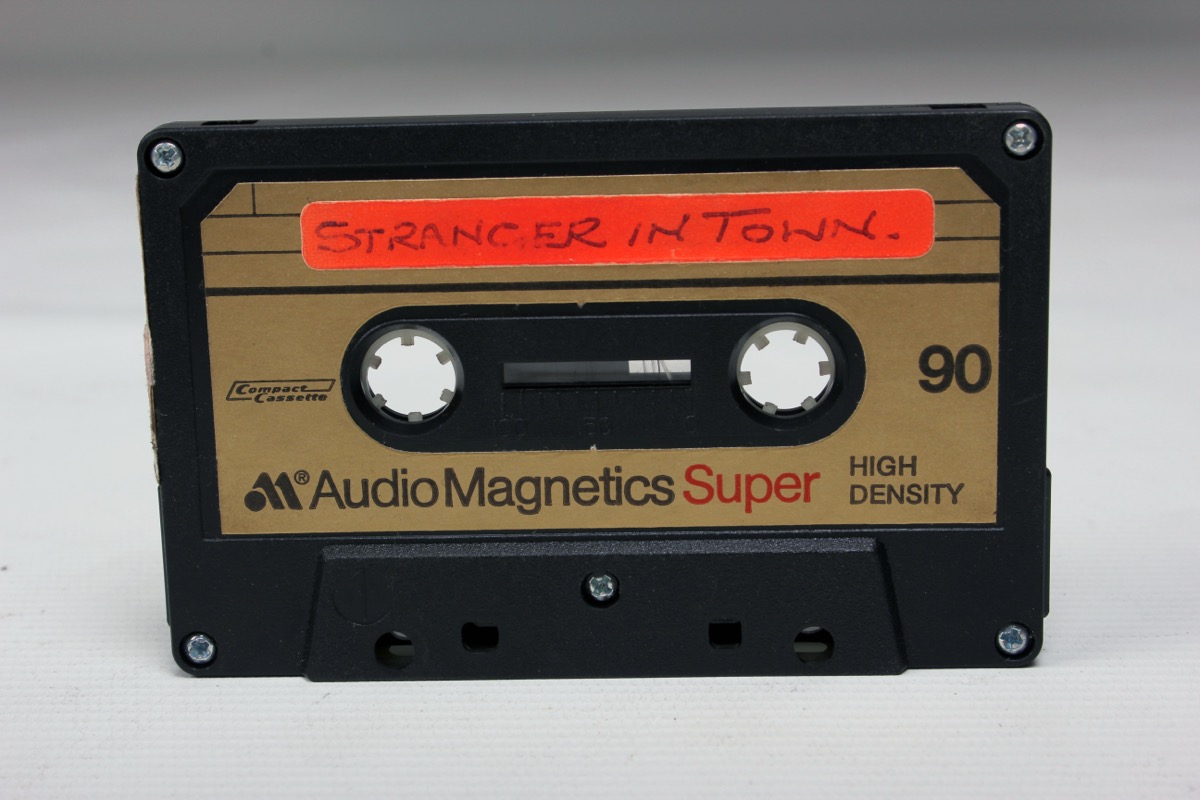
Mixtapes

The compact cassette made music personal; the Walkman made it portable; and the mixtape made it meaningful. A hand-labeled tape was a love letter, a friendship offering, an identity statement — hovering over the record button to catch a song off the radio, agonizing over track order, building the perfect sequence for someone who mattered.

Video thumbnail — Muzzy language course commercial
Trends 1986–present

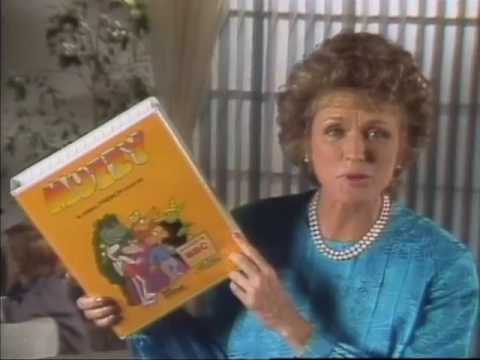
Muzzy

The big furry alien who ate clocks — the mascot of a language course your parents saw advertised on TV. Muzzy came as a set of VHS tapes (and cassettes and workbooks) that promised to teach kids French, Spanish, German, or another language the way they'd learned their first one: by watching a cartoon. Whether it worked or not, that green clock-munching creature is unforgettable.

The mid-2000s MySpace logo: 'myspace.com — a place for friends' wordmark with the three-person silhouette icon
Trends 2003–2008

MySpace

MySpace launched in August 2003 and became the social network that swallowed the mid-2000s internet — where everyone's first friend was Tom. Top 8 rankings sparked drama, profile songs played on auto-load, and DIY HTML customization meant glitter graphics and autoplay music ruled. Bands broke careers there; it was the most-visited website in the US by 2006.

Video thumbnail — 2003 Neopets TV Commercial
Trends 1999–2008

Neopets

The website where you could adopt a digital pet, battle it in the Battledome, and waste hours playing Flash mini-games to earn Neopoints. Launched by UK students Adam Powell and Donna Williams in 1999, Neopets became a certified after-school phenomenon, drawing tens of millions of users at its mid-2000s peak.

Video thumbnail — Netflix DVD Vintage Commercial: How To Use Netflix
Trends 1998–2023

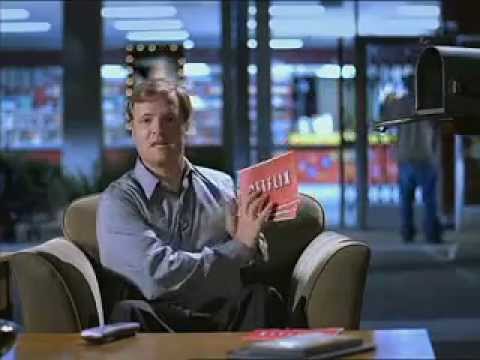
Netflix DVD Mailers

The anti-late-fee revolution in a red envelope. Netflix mailed you DVDs one at a time, and you could keep them as long as you wanted — the ritual was hypnotic, and your queue said who you were.

Video thumbnail — The Bizarre Lore of Newgrounds
Trends 1995–present

Newgrounds

The birthplace of internet culture's raw, unfiltered edge — where amateurs published bold Flash creations with no gatekeeper between them and millions of eyes. A tank logo, the dreaded "blam" vote, and the night-before anxiety: did your submission survive judgment?

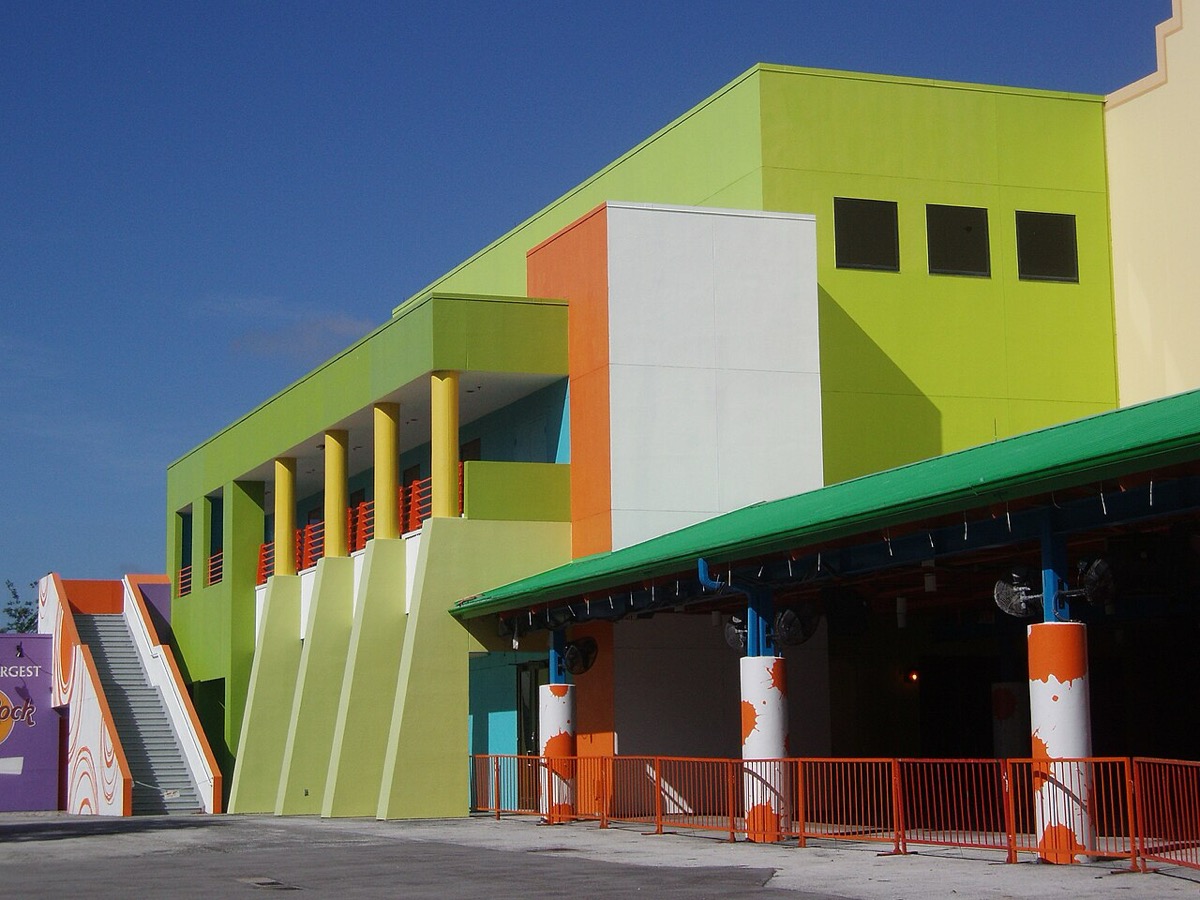
The brightly painted green, orange and yellow exterior of the Nickelodeon Studios building at Universal Studios Florida, with orange paint-splattered columns
Trends 1990–2005

Nickelodeon Studios

The working Nickelodeon studio tucked inside Universal Studios Florida — the one with the giant Slime Geyser erupting green out front. Kids toured the soundstages, watched real game shows get taped, and dreamed of being the one pulled from the crowd to get slimed. For a 90s Nick fan, it was a pilgrimage.

Video thumbnail — 90'S NICKELODEON WITH TOYS R US - SUPER TOY RUN SWEEPSTAKES COMMERCIAL
Trends 1984–2000 peak

Nickelodeon Super Toy Run

The ultimate Nickelodeon dream: win a timed sprint through a toy store and keep everything you can throw in the cart. A few frantic minutes of grabbing toys off shelves — the single most desirable sweepstakes a '90s kid could imagine.

Video thumbnail — Nickelodeon Ultimate Room Sweepstakes Ad (1994)
Trends 1994–1996

Nickelodeon Ultimate Room Sweepstakes

The Nickelodeon sweepstakes that redid a lucky kid's bedroom into a toy-stuffed dream space. Every kid watching the ad did the math on their own boring room and desperately mailed in to win the makeover.

Video thumbnail — Do You Remember Noodle Kidoodle?
Trends 1993–2000

Noodle Kidoodle

The "learning and discovery" toy store where the whole point was to play before you bought — hands-on demo stations, educational and non-violent toys, and a name no kid could say without smiling. A mid-90s mall staple that vanished almost as fast as it appeared.

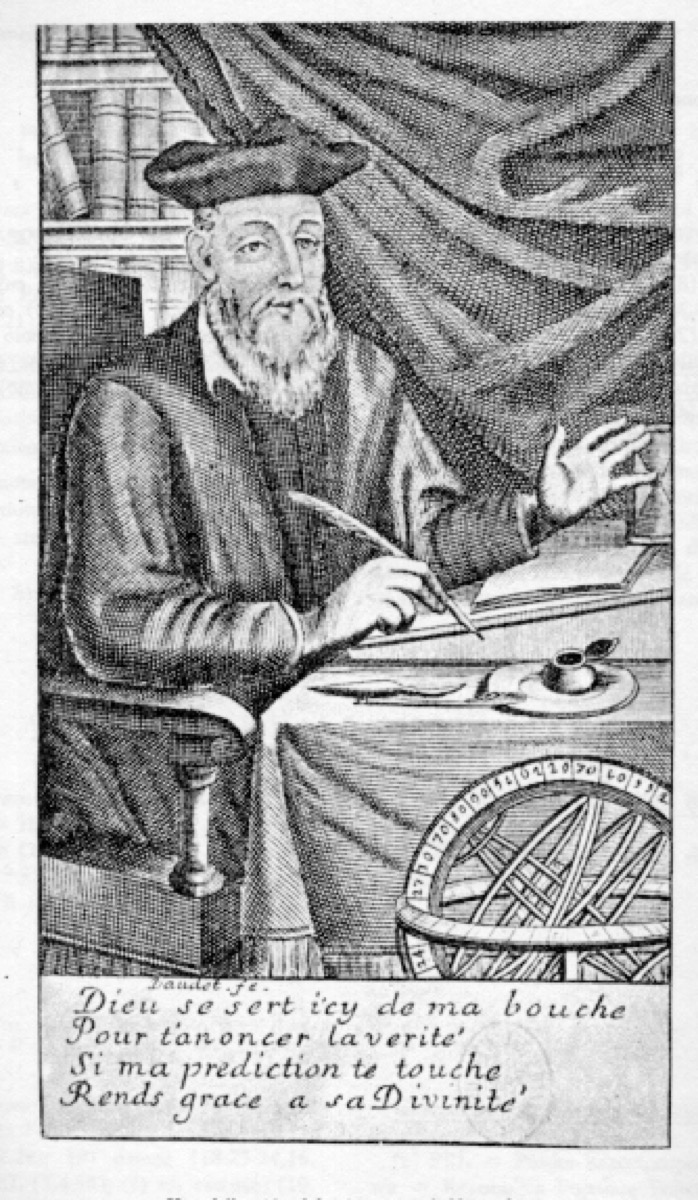
A circa-1690 engraving of Nostradamus seated at his writing desk with a quill and book, an armillary sphere beside him, above a four-line French verse
Trends 1994–1999 resurgence

Nostradamus

A 16th-century French seer who came roaring back as the year 2000 approached, thanks to one ominous quatrain about '1999, seventh month' and a King of Terror falling from the sky. Paperbacks, TV specials, and a spooky old Orson Welles documentary made Nostradamus the patron saint of millennium dread — and scared a lot of kids in the process.

Video thumbnail — How to Make a Triangular Fold : Paper Folding Projects
Trends 1980s–2000s

Note Folding

The lost art of turning a torn sheet of notebook paper into a tightly folded packet — a triangle you could flick across the room, or a rectangle finished with a tucked corner someone had to pick loose — and passing it hand to hand when you couldn't just say it out loud. In a '90s classroom, a folded note was how a secret got three rows over.

Video thumbnail — Numa Numa
Trends 2004–2006

Numa Numa

One of the internet's first viral megahits: a webcam clip of a New Jersey teenager lip-syncing and flailing joyfully to a Moldovan pop song. Gary Brolsma's "Numa Numa Dance" spread to hundreds of millions of views — and it happened before YouTube even existed.

Video thumbnail — Official All Star Cafe / Times Square New York City - March 1997
Trends 1995–2007

Official All Star Café

A 600-seat sports cathedral in Times Square where six of the world's biggest athletes put their names on a restaurant and filled it with memorabilia, video screens, and booths shaped like baseball mitts. It was Planet Hollywood's sports sequel — and proof that celebrity branding could turn dinner into an arena experience.

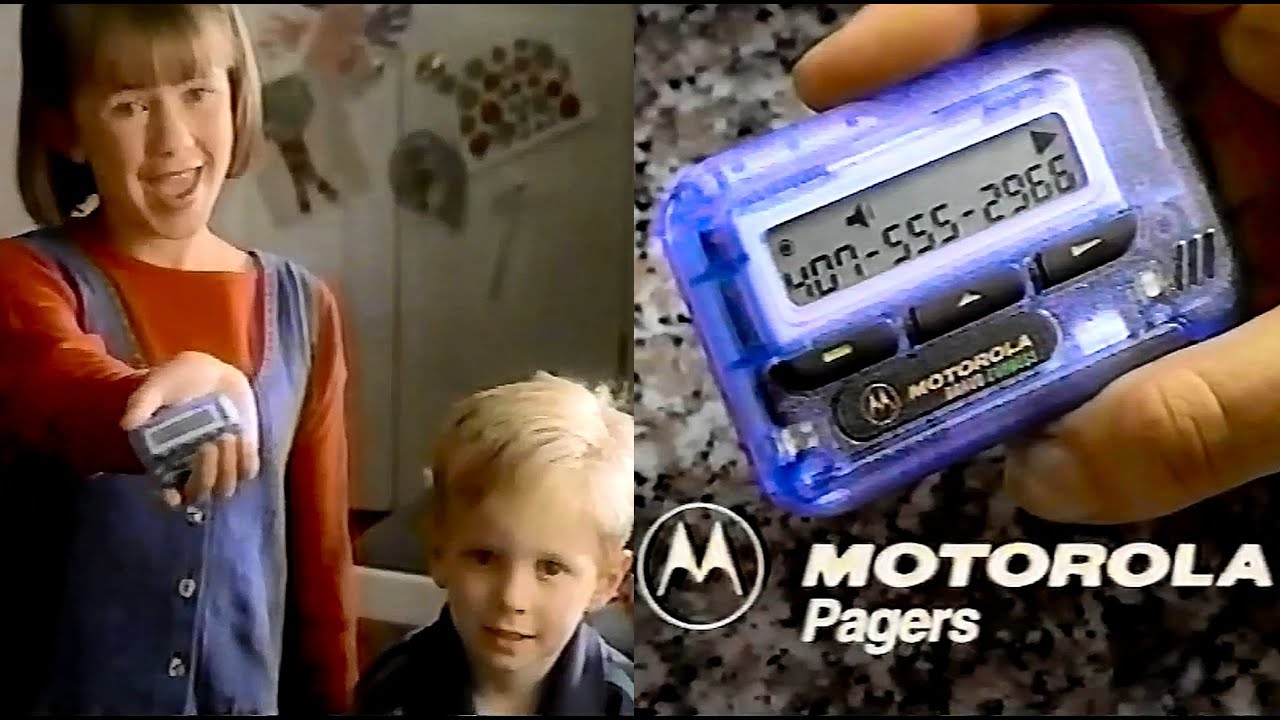
Video thumbnail — 1994 Motorola Pagers Commercial | How We Communicated In The 1990s | Bravo Express Beepers
Trends 1987–1999

Pagers (Beepers)

The numeric pager that showed callback numbers and cryptic codes: 143 meant 'I love you,' 911 meant call me NOW, 411 was gossip time. Clipped to your waistband, getting beeped meant hunting for a payphone with a quarter—and by 1994, 61 million pagers were in use, with Motorola owning roughly 80% of the market.

Video thumbnail — AllAdvantage Promo Video (2000)
Trends 1999–2001

Get Paid to Surf

The dot-com fantasy made real: companies would literally pay you to browse the web. Millions signed up for the Viewbar, watched ads while surfing, and actually got checks—until the ad market crashed and the dream evaporated in 2001.

Close-up of a landline telephone number keypad showing the 1-9, 0, star and pound keys with letter groupings
Trends 1990s

Star Codes (*67 & *69)

Dial *67 before someone's number to block your caller ID and appear as 'Private' — the anonymous call superpower every 90s kid knew. Dial *69 to find out who just called you and call them back. Two simple codes that transformed what you could do from a landline.

Video thumbnail — Poptropica® App: Official Trailer
Trends 2007–present

Poptropica

The browser game that ate every school computer lab: you made a round-headed avatar and traveled island to island, solving story quests and puzzles. It was created by Jeff Kinney, who was just becoming famous as the author of Diary of a Wimpy Kid.

Video thumbnail — 80s Commercials - Presidential Physical Fitness Award
Trends 1966–2013

The Presidential Physical Fitness Test

Once a year, gym class turned into a testing gauntlet: the pull-up bar, the sit-and-reach box, the shuttle run, and the curl-ups counted out by a partner. Do well enough across all of it and you earned the Presidential Physical Fitness Award. Come up short on the pull-ups in front of everyone and you just prayed for it to be over.

Video thumbnail — 1995 RadioShack Cellular Phones "You've got questions. We've got answers" TV Commercial
Trends 1990–2000 peak

RadioShack

Every strip mall had one: RadioShack, where you flashed your Battery of the Month club card for a free Enercell and got asked for your phone number just to buy batteries. Drawers of components, Realistic-brand gadgets, RC cars, police scanners, and staff who actually knew electronics. "You've got questions. We've got answers."

Video thumbnail — 2003 Rainforest Cafe commercial
Trends 1994–present

Rainforest Café

A jungle-themed restaurant chain founded by Steven Schussler, with the first location opening in October 1994 at the Mall of America in Minnesota. Diners ate surrounded by animatronic animals, aquariums, fake tropical rainstorms with thunder and lightning, and the constant squawk of electronic birds. Rainforest Café epitomized 1990s themed entertainment and the mall culture experience.

Video thumbnail — the original rainforest rap with lyrics
Trends 1988–1999

Save the Rainforest

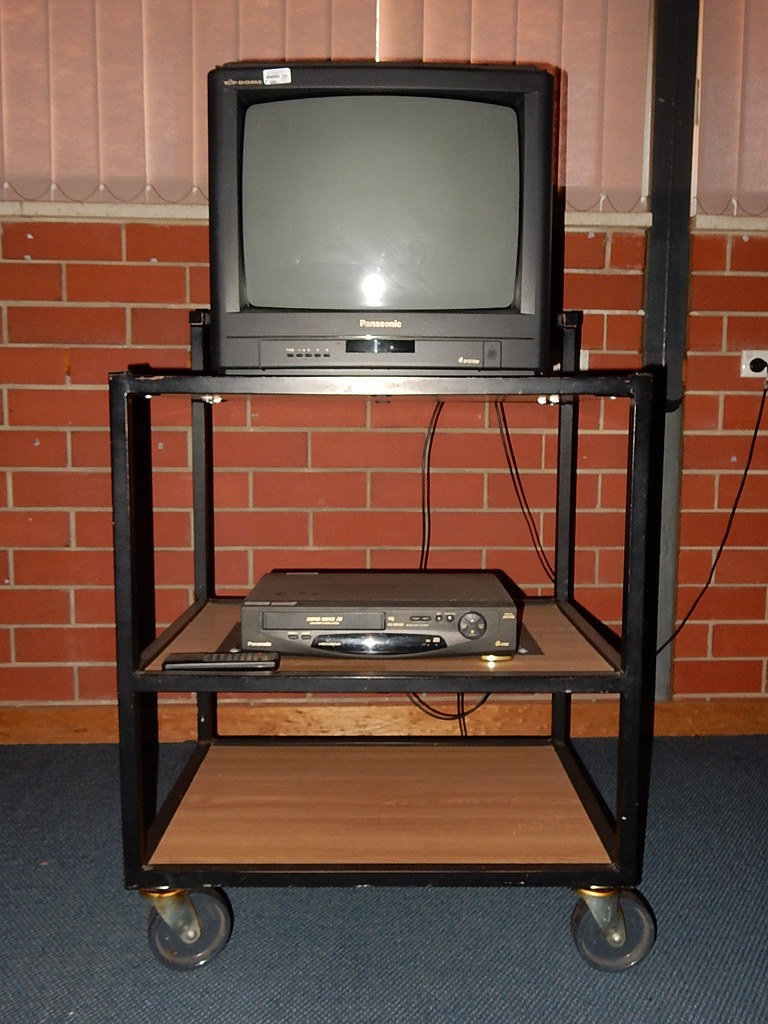
For a stretch of the late 80s and 90s, American elementary school ran on rainforest content: canopy diagrams on every bulletin board, endangered-species reports in every unit, and the hypnotic "Rain Forest Rap" on the TV cart until entire grade levels had it memorized. Saving the rainforest was simply THE cause.

Video thumbnail — Rick Astley - Never Gonna Give You Up (Official Video) (4K Remaster)
Trends 2007–present

Rickrolling

The internet's favorite bait-and-switch: click a promising link, get Rick Astley's 1987 "Never Gonna Give You Up" instead. Born on 4chan in 2007 and peaking in 2008, it's the prank that never really gave up.

Video thumbnail — Rock N’ Bowl Ticket Redemption Arcade Game!
Trends 1992–present

Rock 'N Bowl

The Bromley redemption machine where you dropped in your token and watched it roll bowling-style down a little lane at a rack of pins — every knockdown spitting out a fresh run of paper tickets. A fixture of the '90s ticket-frenzy arcade floor, right beside Skee-Ball and the prize counter.

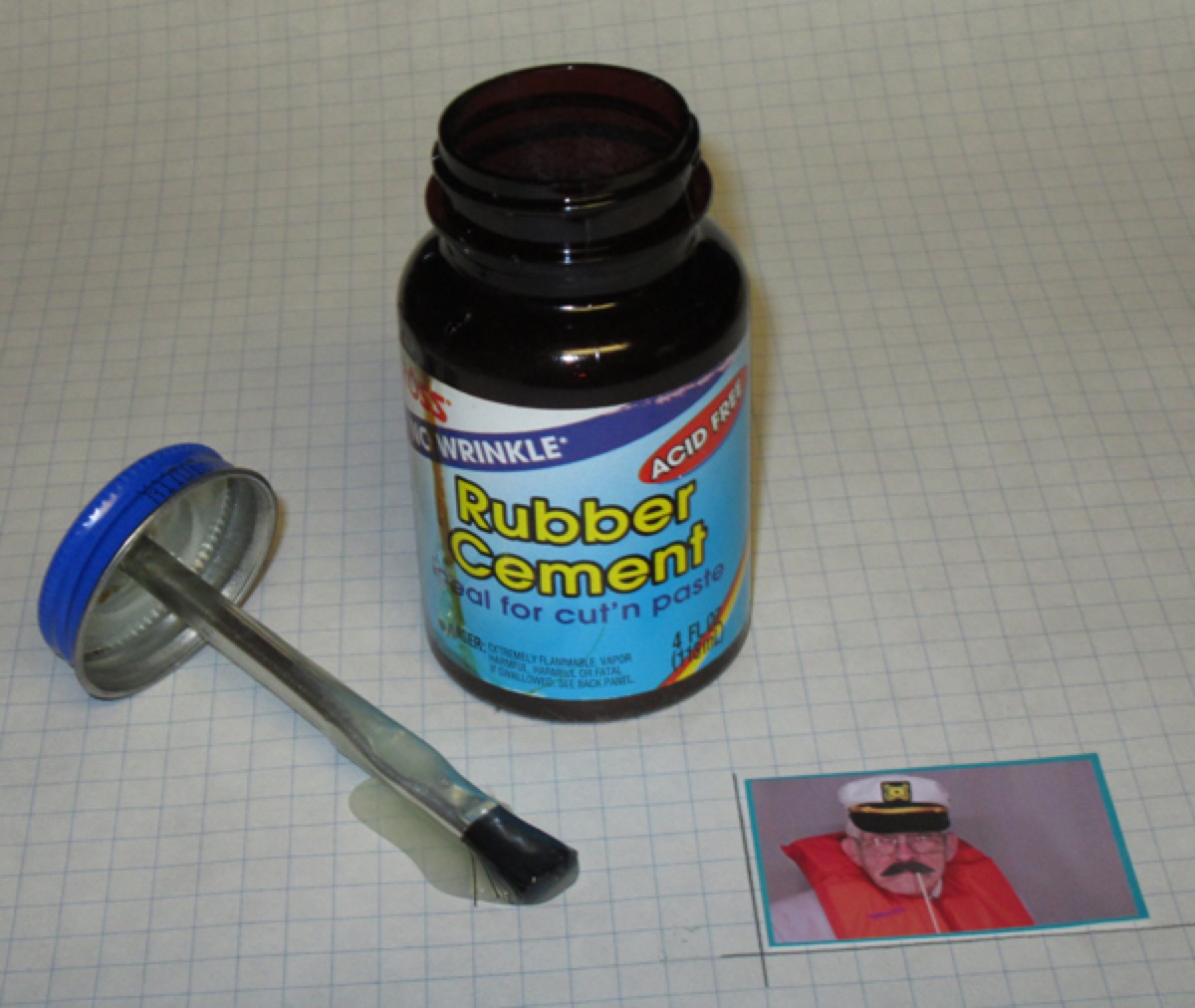
An open jar of rubber cement with its brush-in-the-cap applicator
Trends 1990–2005 peak

Rubber Cement

The brush-in-cap jar with the unmistakable chemical smell that made art projects actually work. Rubber cement let you unstick and re-stick paper without wrinkling—which meant you could revise, adjust, and experiment without destroying your work. The ritual of painting it on, peeling dried excess, and rolling it into bouncy little balls was as much the point as any finished project.

Video thumbnail — The Wild World of 90s/2000s School Fundraisers
Trends 1990s

Sally Foster Gift Wrap Fundraisers

The school fundraiser where you hauled a glossy brochure door-to-door selling wrapping paper, chocolates, and popcorn tins — all to chase the tiered junky prizes on the back page. The more rolls you sold, the better the plastic trinket you'd earn.

Video thumbnail — Sam Goody Commercial 2000
Trends 1951–2006

Sam Goody

The ubiquitous mall record store where 90s kids bought CDs, cassettes, and band tees. Sam Goody was the go-to destination for new releases and the social hub of music shopping before big-box discounters and digital downloads reshaped retail.

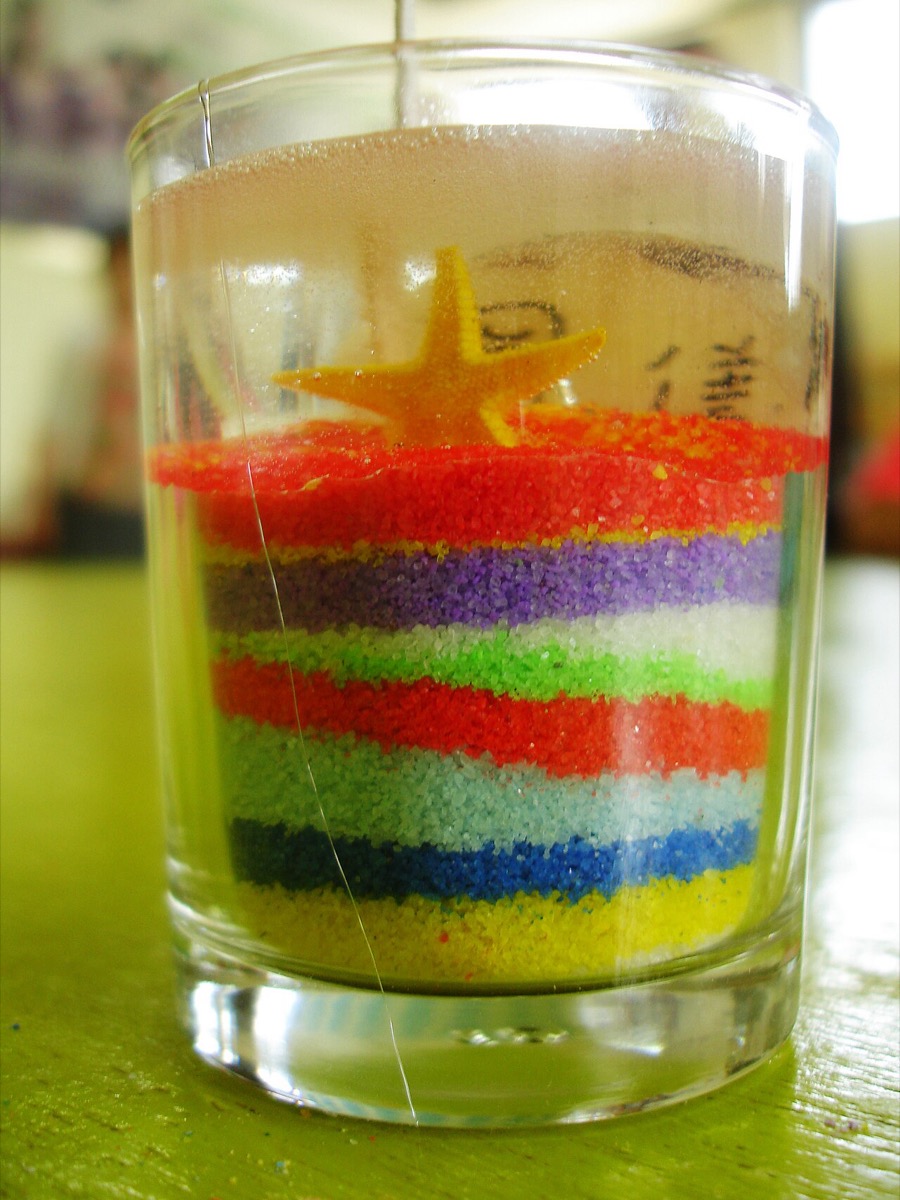
A glass jar of layered rainbow-colored sand topped with a small starfish charm
Trends 1880s–present

Sand Art Bottles

The layered-sand craft booth at every carnival and fair, where you picked a glass bottle, selected neon and tie-dye sand colors, and tilted them into waves and zigzags with a funnel. You walked away with a shelf decoration that somehow always ended up tipped over and swirled into mud.

a Scantron 815-E bubble answer sheet (cropped)
Trends 1972–present

Scantron

The green (or blue, depending on your school) bubble sheet that turned testing into a ritual of dread. The Scantron form—with its perfectly aligned bubbles and #2-pencil-only mandate—wasn't just a testing tool; it was a rite of passage, complete with the terror of erasure shadows and red hash marks on the returned sheet.

Video thumbnail — Scholastic School Book Fairs of The '80s & '90s
Trends 1948–present

Scholastic Book Club Order Forms

The monthly newsprint order form that landed on your desk — a tabloid catalog of paperbacks you circled with a stubby pencil, then begged your parents to fund. Ordering meant handing your teacher the torn-off form and some crumpled bills; the payoff was delivery day, when a stack of new books arrived with your name on it.

the Scholastic wordmark — white lettering on the red banner
Trends 1981–present

Scholastic Book Fairs

The ritual: your school gym transforms overnight into a pop-up bookstore of rolling display cases, and you wander the aisles with a wish list and a budget. Scholastic Book Fairs dominated the 90s market, though what kids actually bought — glittery gel pens, novelty pencils, poster books — often had nothing to do with the Goosebumps stacks they wandered past.

A library book's date-due slip stamped with due dates from 1990 to 1995, above the manila card pocket in the back cover
Trends 1900–1999

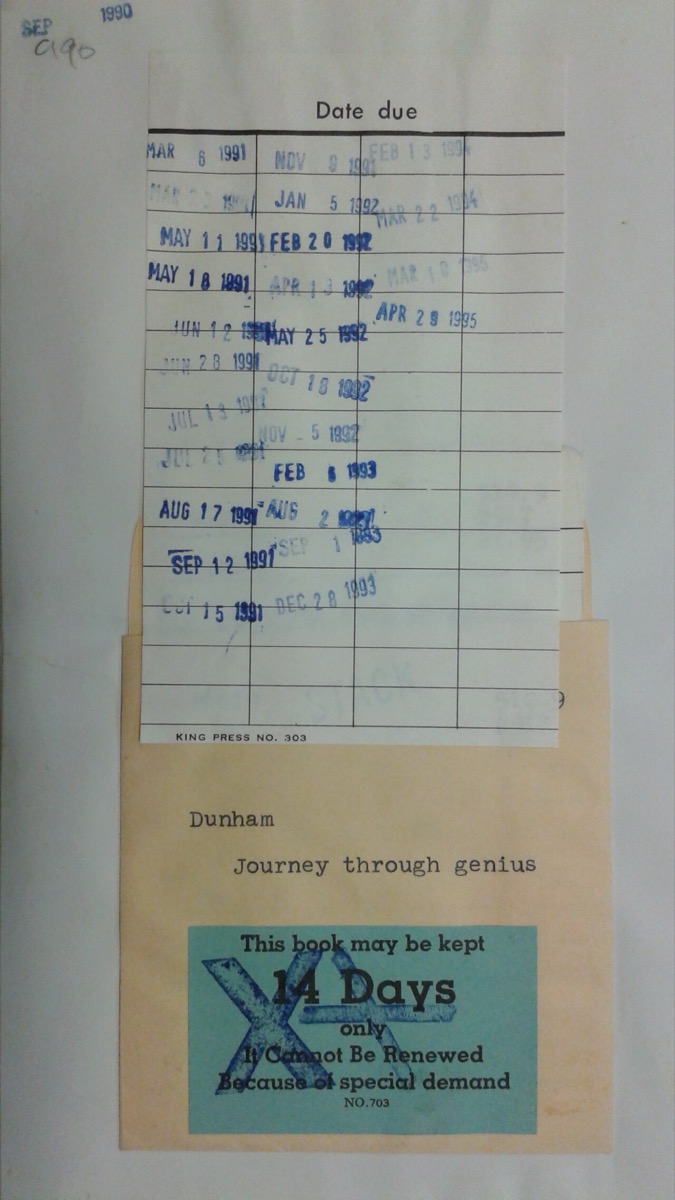
The Library Card & Pocket Checkout

A manila pocket glued inside the back cover of library books, a lined card inside listing every name who'd borrowed the copy before you, stamped with due dates — a fossil record of readers going back years, and you signed in to add yourself to the ledger. Then came barcodes, and 90s kids were among the last to know this ritual.

Placeholder graphic for School Assignment Planners
Trends 1990s–2000s

School Assignment Planners

The agenda book your school handed out on the first day — printed with your school's name, a homework grid for every class, and pages of rules and study tips. The Y2K editions came wrapped in a holographic cover that made an irresistible record-scratch sound when you dragged a fingernail across it.

Video thumbnail — Ionic Breeze - Quadra Commercial Sharper Image (2002)
Trends 1990s–2000s

Sharper Image

The mall store where you'd test-nap in a $400 massage chair while pretending to shop. Sharper Image was a playground of high-end gadgets, gizmos, and dubious contraptions—air purifiers, personal robots, noise machines, and the infamous Ionic Breeze, which looked futuristic but barely worked.

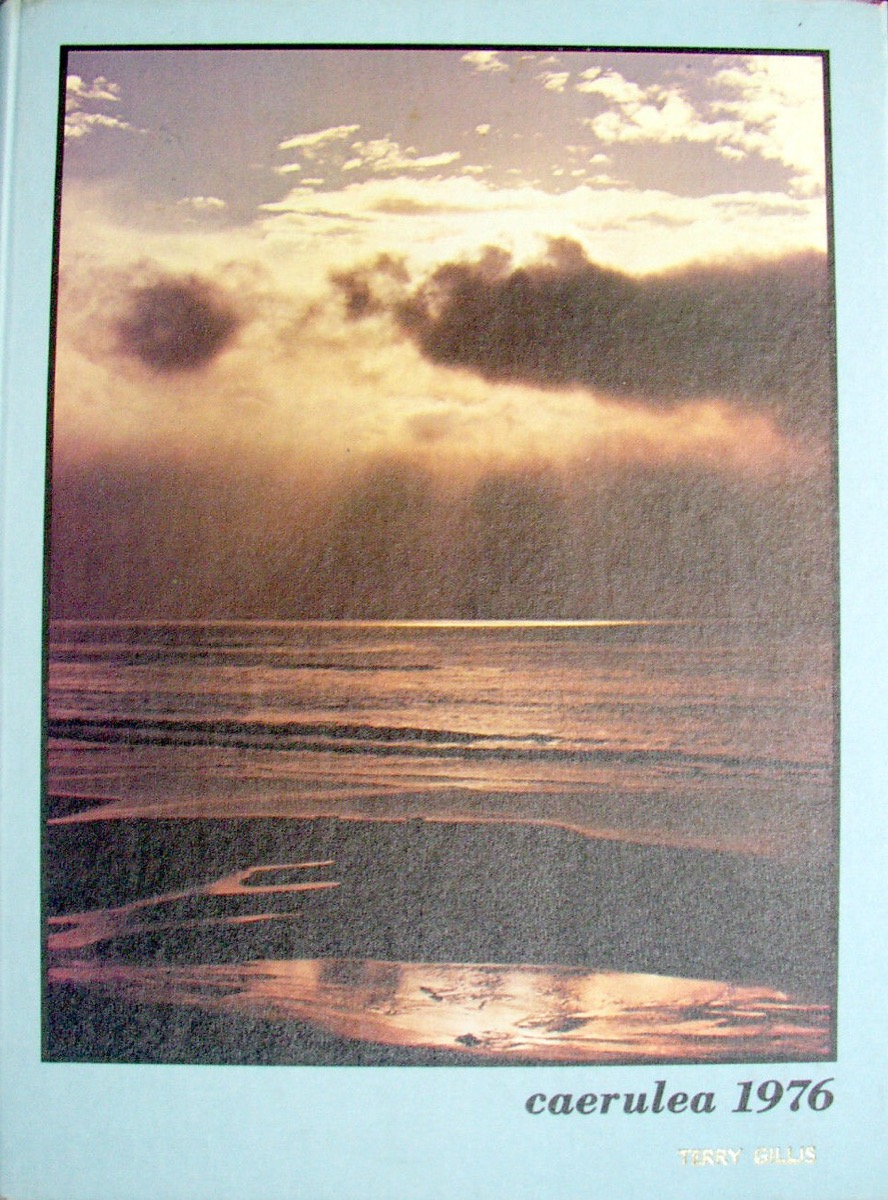
The cloth hardcover of a 1976 school yearbook, embossed 'caerulea 1976' over a sunset-ocean cover photo
Trends 1980s–present

Signing Yearbooks

The last week of school, when the yearbooks came out and everyone traded them around to scrawl in the margins and across each other's photos. 'HAGS,' 'stay sweet,' '2 good 2 be 4 gotten,' 'don't ever change, KIT!' — the same handful of phrases written over and over, sometimes next to a kid you'd barely spoken to all year.

the 1987 Spencer Gifts logo — "spencer" in rounded black lettering with "Gifts" in red script
Trends 1947–present

Spencer Gifts

The dark, loud, faintly disreputable novelty store your parents walked past and you did not. Lava lamps, gag gifts, rude T-shirts, Halloween masks, and a whole lot of merchandise a twelve-year-old had no business examining closely. Every mall had one, and going in was its own small act of rebellion.

Video thumbnail — Jamster Sweety the Chick Mobile Ringtone commercial [2005, HQ]
Trends 1999–2008

T9 Texting & Ringtones

Typing "home" and getting "good," texting blind from inside your pocket, and a computerized frog selling ringtone subscriptions between every cartoon. The whole keypad-phone universe, in one glorious, beeping memory.

Illustrated placeholder card
Trends 1900–2009

Writing Your Name in the School Textbook

A grid stamped inside the front cover: ISSUED TO / YEAR USED / CONDITION. On the first day you wrote your name in the column alongside every kid who'd had your copy before — sometimes going back a decade. You scanned the list for older siblings, anyone you recognized, anyone famous. The condition column warned: New, Good, Fair, Poor — and you'd pay the difference.

Video thumbnail — Texts From Last Night
Trends 2009–present

TFLN (Texts From Last Night)

Anonymous, out-of-context text messages — labeled only by area code — capturing the previous night's worst decisions. It was the drunk-text hall of fame, and half the fun was reconstructing the disaster around each single message.

A close-up stack of folded newspapers
Trends 1990–2005

The Daily Newspaper

The morning ritual when the paper landed on the doorstep and the whole household converged on it: TV listings, box scores, classifieds, comics, and coupons. The 90s were the last decade the world ran on yesterday's paper.

Video thumbnail — 1994 Tower Records "Gifts that entertain" TV Commercial
Trends 1960–2006

Tower Records

The iconic big-box music retailer founded by Russ Solomon in 1960, which grew into a global chain of 200+ stores before collapsing under digital competition and file-sharing. Tower Records was the archetypal "browse-the-racks" record store — deep catalog, knowledgeable staff, late hours, listening stations — that became a cultural hangout and symbol of pre-digital music retail.

Video thumbnail — Toys 'R' Us 1991 Day Before Thanksgiving Raw Footage
Trends 1985–2000

Toys "R" Us Game Ticket Slips

In the Toys "R" Us video-game aisle, you didn't grab the cartridge — you pulled a paper ticket from a plastic pouch under the box art, paid at the register, and traded the receipt at a counter window for the actual game. It was loss prevention that accidentally let you see exactly how many copies were left.

Video thumbnail — Toys R Us Commercial - Jingle - I Don't Wanna Grow Up (1990)
Trends 1957–2018

Toys "R" Us

The cathedral of childhood shopping. Charles Lazarus's toy superstore — the backwards "R," aisle upon aisle of Christmas lists waiting to happen, and Geoffrey the Giraffe's unmissable jingle — defined how kids experienced wanting. Then a leveraged buyout, five billion in debt, and a 2018 collapse ended the era.

Video thumbnail — 1993 Mead Trapper Keeper "Two kinds of people" TV Commercial
Trends 1978–present

Trapper Keeper

The velcro-sealed binder that turned school supplies into identity. Every 90s backpack carried an airbrushed Trapper Keeper — dreamscapes, sports cars, cartoon characters — and that rrrrip sound is still the official noise of every middle school hallway.

Video thumbnail — Award Winning Science Fair Layout | ArtSkills Project Tip
Trends 1990s–2000s

Tri-Fold Presentation Board

The white cardboard monolith that folded open into three panels and stood up on the table by itself. Every science fair, history day, and book report eventually came down to one: glue-sticked construction paper, printed clip art, and a rainbow WordArt title. You balanced it across the back seat on the drive to school, praying nothing peeled off before the bell.

tripod
Trends 1995–2026

Tripod

The free personal-homepage host where a generation first learned HTML. A sibling to GeoCities and Angelfire, it started as a resource for college kids and accidentally became a building full of gloriously amateur websites about absolutely everything.

The Weekly World News masthead — "The World's Only Reliable News"
Trends 1979–2007

Weekly World News

The black-and-white checkout-line tabloid where nobody believed the lies and that was the whole point. Bat Boy, Elvis sightings, and "Dear Dotti" advice made kids read sideways while their moms unloaded groceries.

Video thumbnail — Bromley Wheel'M In arcade machine
Trends 1990s–present

Wheel 'Em In

The Bromley redemption machine with the top-hatted old man clutching fistfuls of tickets on the cabinet art. You rolled a token and tried to land it squarely on a moving target for a ticket jackpot — the game's voice calling out "Just missed it" and "Here it comes" as it rolled.

A word search puzzle grid beside a word list, with one word circled in red
Trends 1968–present

Word Search Puzzle Sheets

The themed word-search worksheet the teacher photocopied for Friday afternoons and holiday parties — a grid of letters hiding a list of words, hunted down with a highlighter. Fall leaves, Halloween, Thanksgiving: there was a seasonal one for everything.

Video thumbnail — World's Finest Chocolate Introduces New Look
Trends 1990s

World's Finest Chocolate

The $1 chocolate bars kids sold by the case for their school — the white-and-red wrappered almond and caramel bars you lugged around the neighborhood in a cardboard carrying box. Fundraising, one guilt-tripped relative at a time.

the LiveJournal pencil logo and wordmark
Trends 1999–2008

Xanga & LiveJournal

The blogging platforms where a generation over-shared for the first time. LiveJournal and Xanga were where teenagers documented crushes, drama, and bad poetry in semi-public diaries before social networks centralized and monetized the same behavior.

Video thumbnail — Yikes! Pencils commercial (1993)
Trends 1993–1999

Yikes! Pencils

Pencils that didn't look like wood. Created by Ken Cooper at Empire Berol, Yikes! Pencils hit back-to-school 1993 in neon colors, wild patterns, and clashing dyes that made your standard wooden No. 2 look boring by comparison. They were a lunchbox status symbol and the kind of thing you'd trade or lose and actually care about.

Video thumbnail — YOMEGA "Yo-Yo" COMMERCIAL (1999)
Trends 1997–1999

The Yo-Yo Craze

In the late 90s, playgrounds erupted into a worldwide yo-yo arms race fueled by technological breakthroughs—Yomega's "Brain" with its magical automatic return, ball-bearing transaxles that spun for ages, and trick hierarchies that drove kids to master walk-the-dog and around-the-world. Schools banned them, championships crowned them, and by decade's end it all collapsed just as suddenly.

Video thumbnail — How YTMND came to be
Trends 2004–present

YTMND

"You're the Man Now, Dog." A whole website built on one dumb, perfect formula: a single looping image, a blaring sound clip, and a line of zooming text — repeated forever until it was either hypnotic or unbearable.

Video thumbnail — Zombo.com flash intro in 1999
Trends 1999–present

Zombo.com

Welcome to Zombo.com. You can do anything at Zombo.com. Anything at all. The only limit is yourself. And then... nothing — the internet's greatest anti-website: pulsing dots, a silky voice making infinite promises, and a quarter-century of delivering absolutely none of them.

Video thumbnail — Second Life trailer (original 2003 version)
Trends 2003–present

Second Life

A world with no levels, no quests, and no way to win — just land you could buy and a currency you could cash out for real money. For about two years in the mid-2000s, Second Life was going to be the future, and every news network, embassy and corporation piled in to say so. It is still running, which surprises people.

Placeholder illustration for Goody Bags
Trends 1990–present (true origin unrecorded)

Goody Bags

The sack of cheap toys and candy handed to kids at the end of a birthday party—the actual payoff for showing up. Every parent assembled them; every kid tore through them.

Video thumbnail — AIM should have lasted forever | Version History
Trends 1999–2006 peak

AIM Away Messages

The cryptic, ever-changing status you left up for your buddy list to decode — song lyrics aimed at nobody in particular, inside jokes, coded hints about your mood and your crush. AIM away messages were half diary entry, half performance art, and everyone was reading.

Video thumbnail — Bebo | The Forgotten Social Network - PKMX
Trends 2005–2010

Bebo

The social network that beat MySpace in Britain, sold to AOL for $850 million at the top, and got bought back by its own founders for $1 million five years later. America barely noticed Bebo; for a few years the UK and Ireland barely used anything else.

Video thumbnail — Don't Dream Machine it's over - Sony's last clock radio (ICF-C1)
Trends 1950s–2000s (then the phone took over)

Bedside Alarm Clocks

The glowing red digits on the nightstand, the snooze bar slapped in the dark, the 12:00 blink after every power outage — a device so mundane you didn't think of it as technology until it vanished from every bedroom at once. The smartphone didn't just beat the bedside alarm clock; it quietly deleted the whole category.

The blue and orange Meebo wordmark
Trends 2005–2012

Meebo

The browser tab that ran AIM, MSN, Yahoo and ICQ all at once — no download, no install, no getting caught. On locked-down school and library computers, Meebo was the loophole: the IT department could block installers, but the browser was always open.

Video thumbnail — When Seconds Matter: Nextel Direct Connect
Trends 1996–2013

Nextel Push-to-Talk Chirp

The two-tone chirp that echoed across every construction site, warehouse, and parking lot of the 2000s. Nextel's Direct Connect made a cellphone work like a walkie-talkie — press the side button, talk instantly — and everyone within fifty feet heard both sides of the conversation.

Illustrated placeholder card for Photobucket
Trends 2003–2010 peak

Photobucket

The image host that decorated the entire early internet — MySpace profiles, forum signatures, eBay listings. Photobucket's ten billion images were invisible infrastructure, right up until June 2017, when a paywall turned millions of embedded pictures into upgrade-nag placeholders all at once.

Video thumbnail — RealPlayer: The media player from the 90s that was spyware
Trends 1995–2005

RealPlayer Buffering

The ritual of early streaming: the "Buffering..." wheel, the mid-song stutter, the postage-stamp video window, the eternal nag to download the player. By 2000, more than 85% of streaming content on the internet ran on RealNetworks' format — which meant everyone, everywhere, was buffering.

trillian
Trends 2000–2007 peak

Trillian

AIM, ICQ, MSN and Yahoo in one window — and AOL hated it. Trillian was the power user's messenger, locked in a patch-versus-block war with the biggest network of the IM era.

Video thumbnail — Basshunter - Vi sitter i ventrilo och spelar DotA
Trends 2002–2010 peak

Ventrilo

The voice server of 2000s PC gaming — "Vent" to everyone who ever memorized an IP, a port, and a password to get on it. The crackle of raid nights, the guildmate who paid for the server, the push-to-talk key you forgot to release. Then Discord arrived, and the servers emptied out.