Pagers (Beepers)
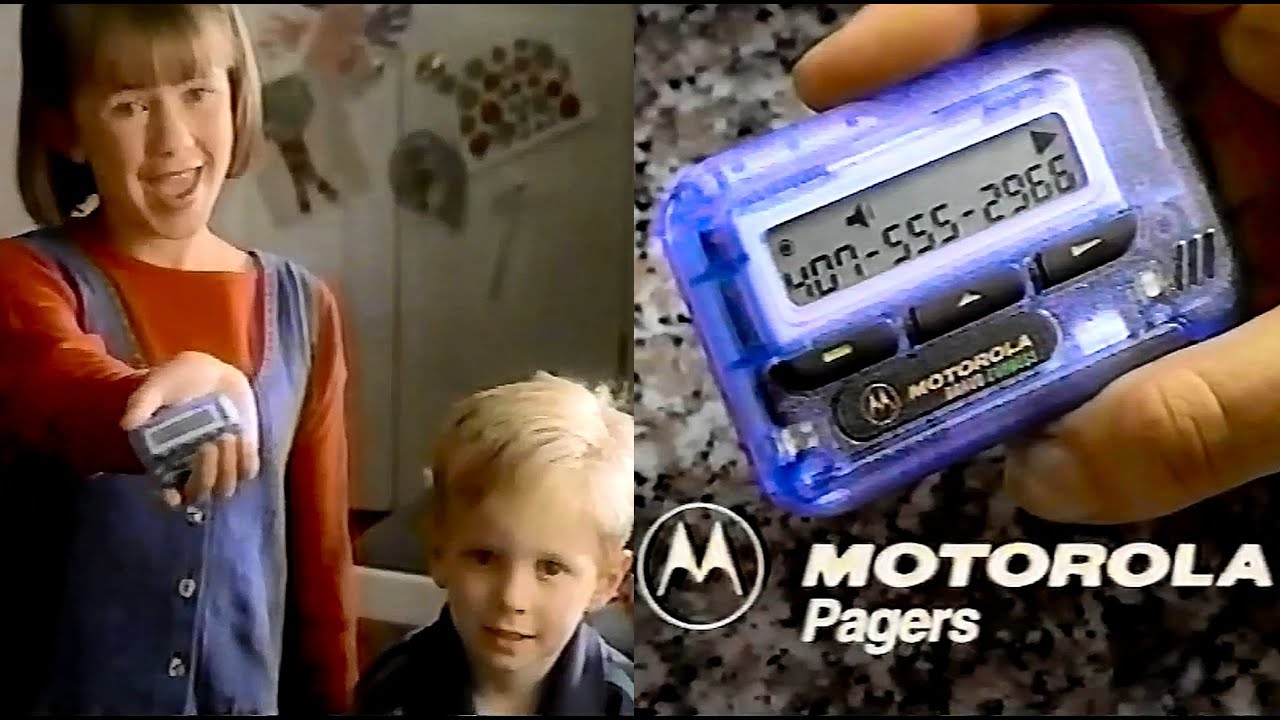
The numeric pager that showed callback numbers and cryptic codes: 143 meant 'I love you,' 911 meant call me NOW, 411 was gossip time. Clipped to your waistband, getting beeped meant hunting for a payphone with a quarter—and by 1994, 61 million pagers were in use, with Motorola owning roughly 80% of the market.
Pagers began as tools for doctors and on-call professionals, but teens transformed them into a status symbol and communication device in the early 1990s. By 1994, an estimated 61 million pagers were in use, and Motorola's Bravo line—with its iconic clip-on design and beeping alert—was THE beeper to carry. Teens built an entire shorthand language around numeric codes: 143 meant 'I love you' (counting the letters), 911 was an urgent callback, 411 was a signal for gossip. Getting beeped meant hunting for a payphone with a quarter, a hunt that defined the pre-cell-phone era.
Schools across the country banned pagers in the early 90s over drug-trade associations, creating a dual reputation: a communication tool for teens, yet controversial enough for institutional bans. Motorola's Bravo Express became the iconic 90s beeper, a pocket-sized rectangle that meant you mattered enough to be reached. Cell phones ended the pager era by decade's end, but the beep—and the era it represented—remains one of the 90s' defining touchstones.
Similar items
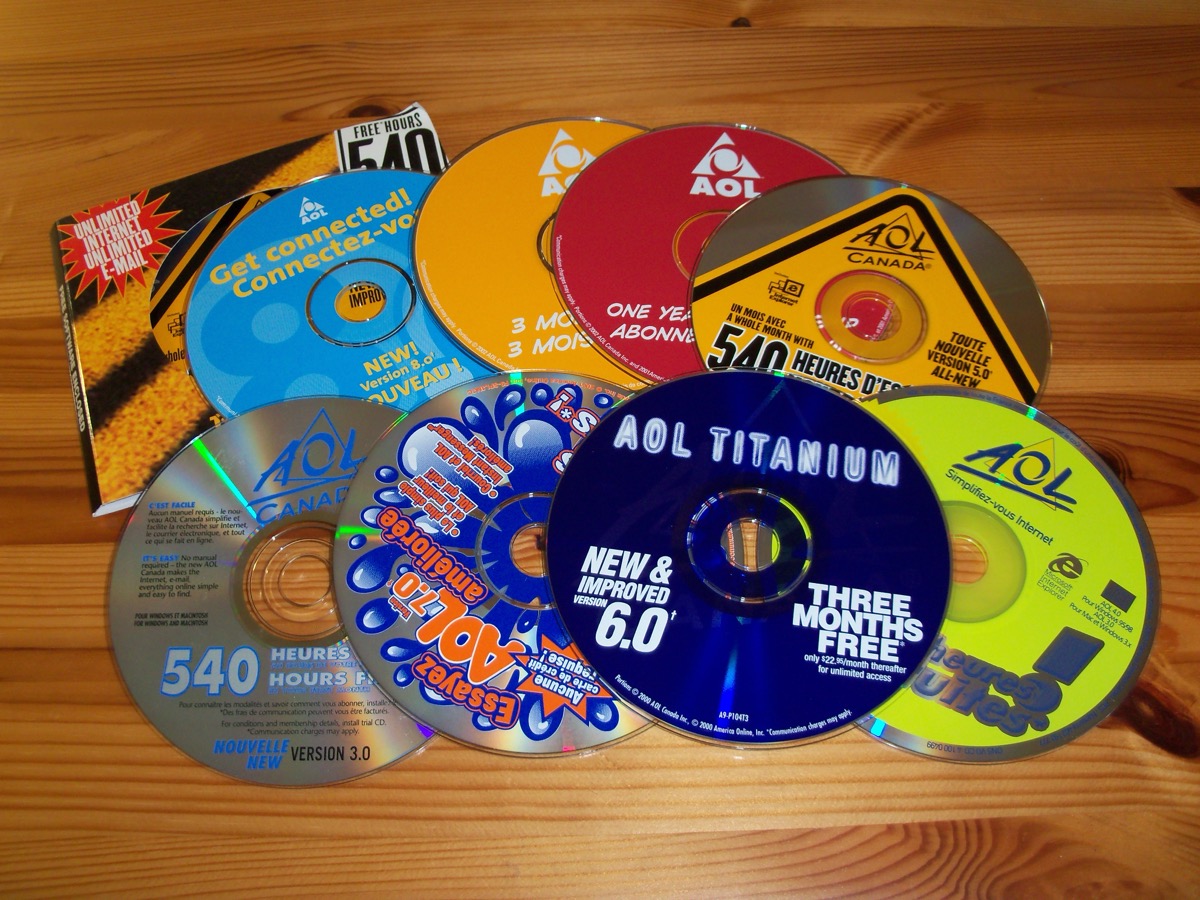
AOL Free-Trial CDs
AOL's marketing chief Jan Brandt carpet-bombed America with free-trial discs—in magazines, mailboxes, at Blockbuster and Best Buy, even in Omaha Steaks shipments. At peak saturation — by Brandt's own estimate — roughly half of all CDs manufactured worldwide bore the AOL logo, a $300 million marketing gambit that made the "You've Got Mail" sound the most iconic audio cue of the 1990s.
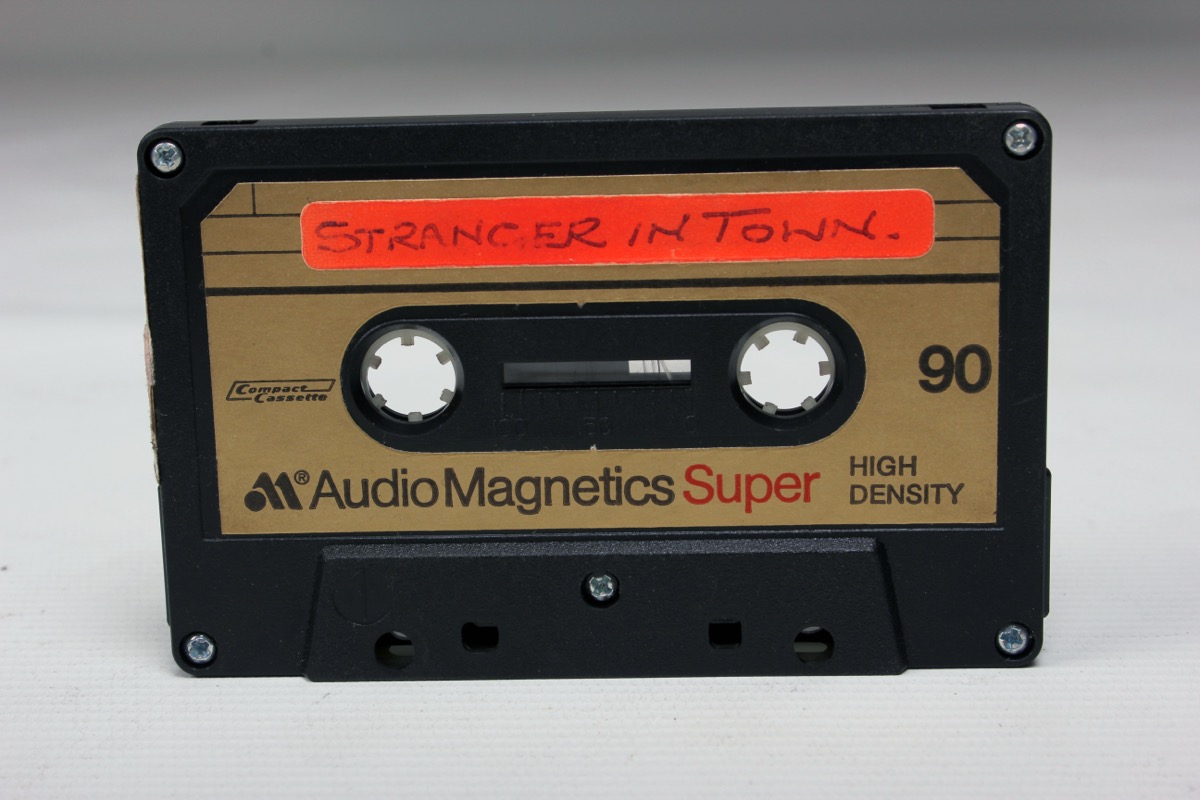
Mixtapes
The compact cassette made music personal; the Walkman made it portable; and the mixtape made it meaningful. A hand-labeled tape was a love letter, a friendship offering, an identity statement — hovering over the record button to catch a song off the radio, agonizing over track order, building the perfect sequence for someone who mattered.

Answering Machine Greetings
"You've reached the Johnsons! We can't come to the phone right now..." Before voicemail lived in your pocket, the family answering machine greeting was a homemade radio production — rehearsed, re-recorded, occasionally sung — and every caller had to sit through it.

AIM & MSN Messenger
The after-school ritual: logging on to a dial-up modem, scanning your buddy list, typing AIM away messages packed with song lyrics and veiled drama, and knowing your 12-year-old screen name would haunt you forever. AIM and MSN Messenger were the social nervous system of the '90s and 2000s — instant, informal, and utterly addictive.