Fashion

41 items

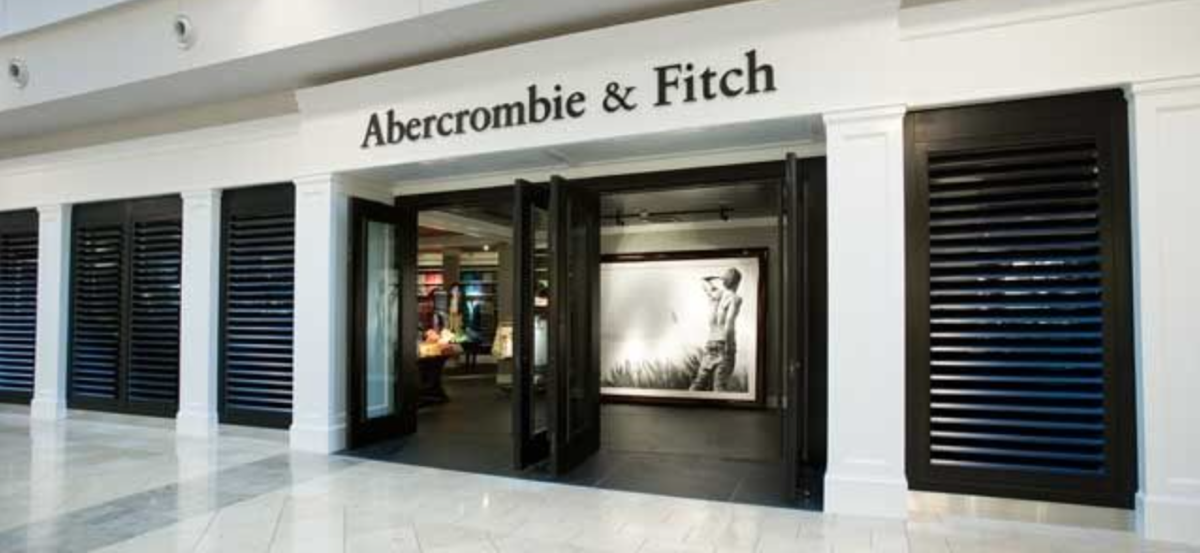
An Abercrombie & Fitch storefront with the brand's wordmark sign
Fashion 2000–2008

Abercrombie & Fitch

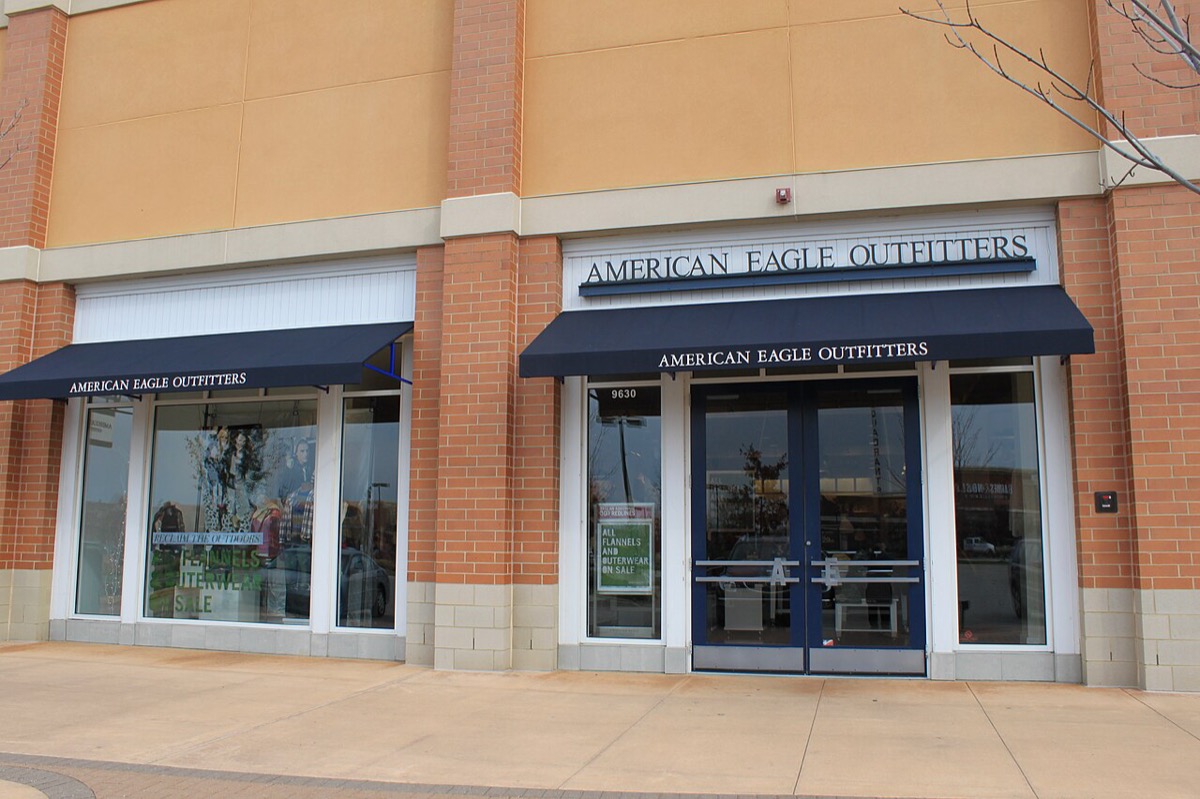
The dim-lit mall temple with impossibly loud music, a signature cologne so thick it hit you at thirty paces, and shopping bags plastered with shirtless male models. The Abercrombie & Fitch moose logo on polos and tees became a middle-school currency of cool in the 2000s. Wearing it meant you had money, taste, or both—or at least that's what everyone pretended to think. The brand launched its spinoff, Hollister, in 2000, spreading the gospel even wider.


Video thumbnail — The Original AND1 Mixtape: The Skip Tape with Rafer "Skip 2 My Lou" Alston
Fashion 1993–2008 peak

AND1

Basketball trash-talk tees that grew into a sneaker empire. AND1 turned playground streetball into ESPN programming, and by 2001 it trailed only Nike in US basketball-shoe market share. If you owned the shirt that said "Pass. Save yourself the embarrassment," you know.

Placeholder graphic for Body Glitter
Fashion 1997–2003

Body Glitter

Roll-on, gel, or powder with a puff — applied to the collarbones, the eyelids, and eventually the entire upper body before a school dance. It came in every color imaginable, and its single defining property was that it never came off. Not that night, not that week, not from your bedsheets.

Video thumbnail — Butterfly Clips Hairstyles: Late 90s / Early 2000s
Fashion 1998–2002

Butterfly Hair Clips

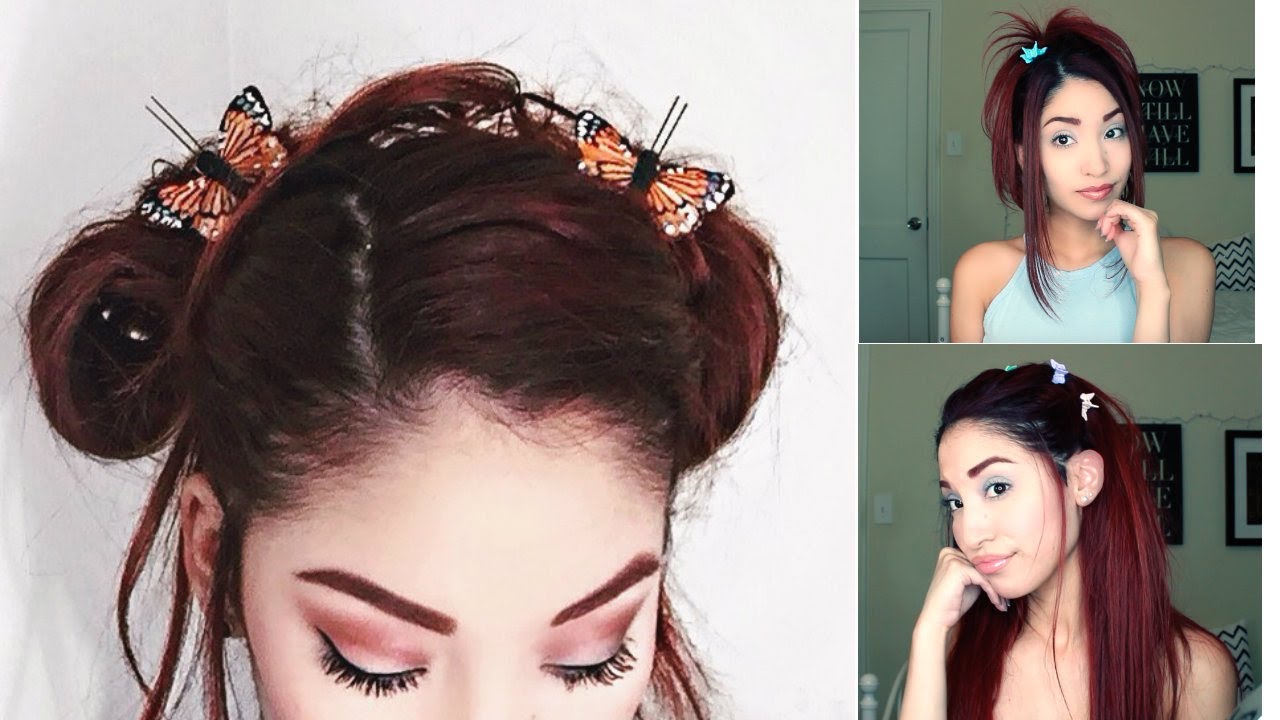
Tiny plastic butterflies clipped in careful rows across the top of your head — pastel, glittery, sometimes with a rhinestone body. For late-'90s picture day, a fistful of butterfly clips was the whole hairstyle.

Video thumbnail — Cargo Pants: The Trend That Keeps Coming Back
Fashion 1938–present

Cargo Pants

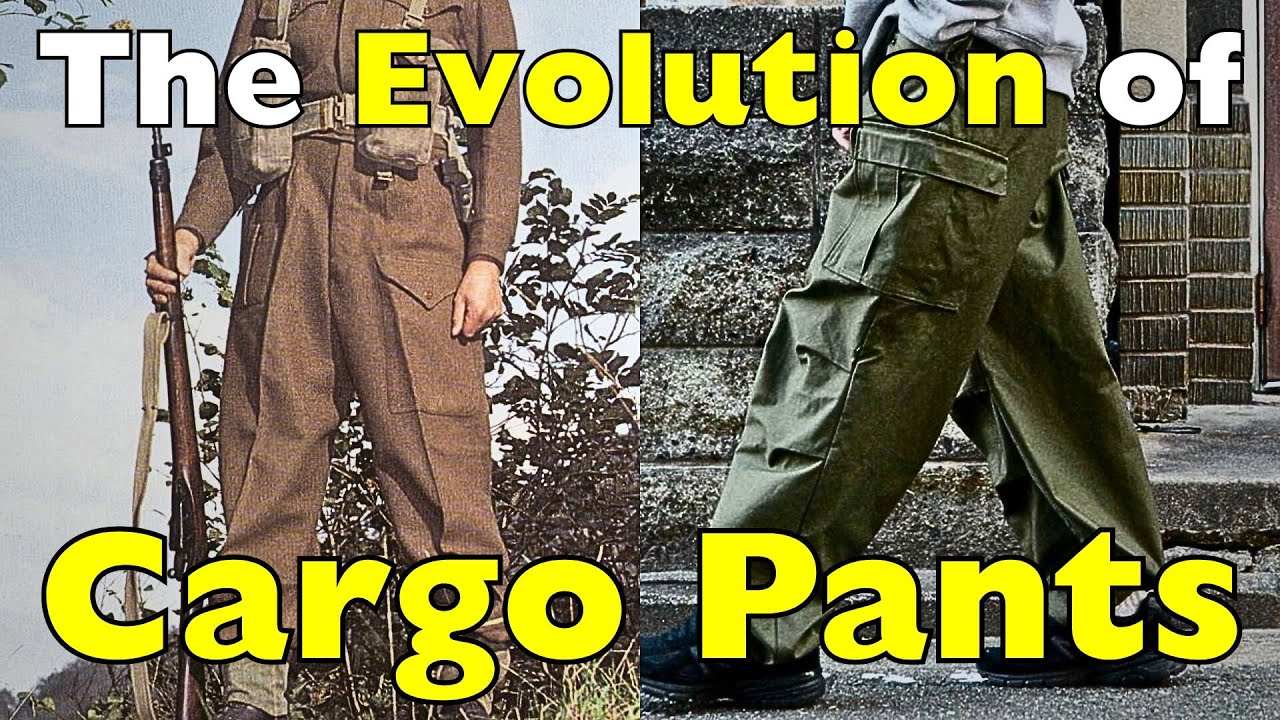
Baggy, khaki, and covered in pockets you never put anything in. Six to eight compartments, minimum, most of them flapping empty against your thigh. For a few years in the early 2000s they were simply what pants were, and then everyone agreed to never mention it again — until they came back.

A black nylon trifold wallet with an attached metal chain and belt clip
Fashion 1992–1999

Chain Wallets

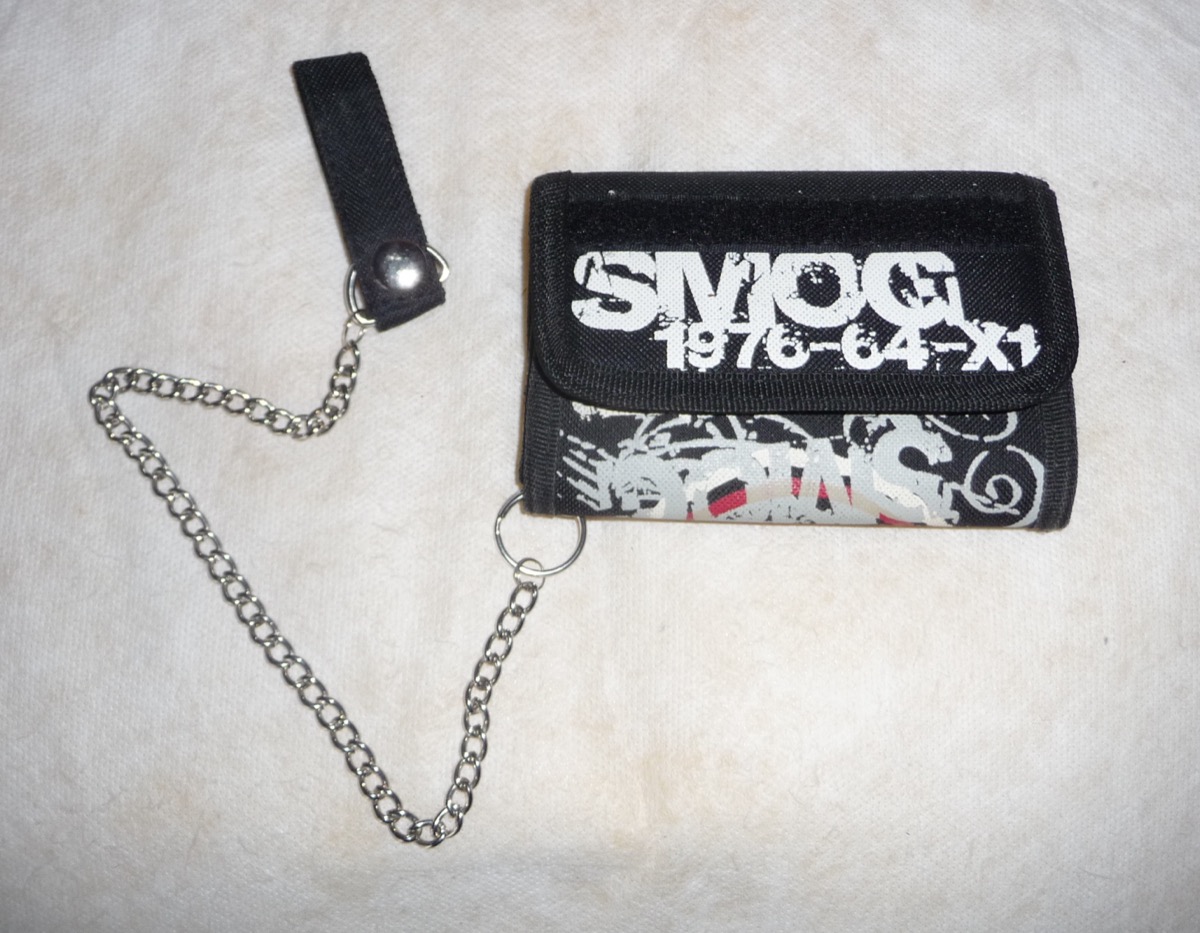
A metal chain connecting your trifold wallet to your belt loop—the ultimate 90s mall accessory that nobody actually needed for security but everyone desperately wanted anyway. Biker chic meets suburban shopping mall.

Video thumbnail — Polymer Clay Cane & Jewelry Tutorial: The Staggered Bullseye Cane
Fashion 1995–2001

Clay Pendant Necklaces

Handmade-looking polymer clay pendants—suns with faces, crescent moons, yin-yangs—strung on hemp or black leather cord. Cheap enough to buy at a boardwalk kiosk, earthy enough to feel like you'd made it yourself. The unofficial jewelry of late-90s beach towns and mall food courts.

A pair of classic black Crocs foam clogs on a wooden floor, showing the signature ventilation holes and heel strap
Fashion 2002–2009

Crocs

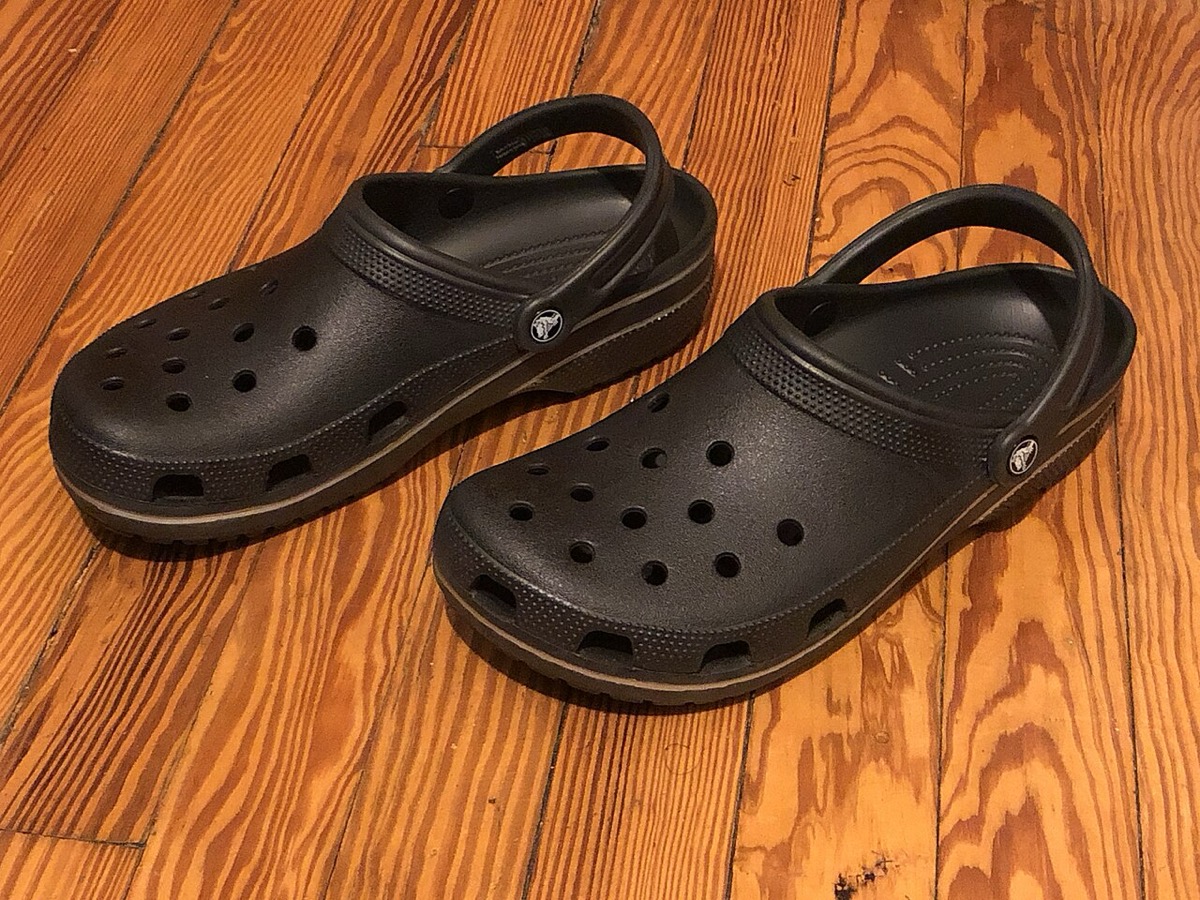
Foam clogs with signature ventilation holes and a pivoting heel strap, born on the water but conquered the streets. Crocs became a 2000s icon — beloved for their squishy comfort, mercilessly mocked for their appearance, and customizable with Jibbitz charms that clipped into the holes.

Video thumbnail — Why Is Curve STILL so GOOD?
Fashion 1996–present

Curve

The fruity-floral (blue bottle, women) and green-aromatic (yellow-green bottle, men) that Liz Claiborne launched in 1996 as the affordable fragrance for everyone. Two complementary scents that became the default drugstore/department-store smell of late-90s teenagers — the scent of school dances, first dates, and hallways thick with Curve. A mall-culture essential that somehow outlived the malls.

Video thumbnail — DKNY Fall 1993
Fashion 1989–1999 peak

DKNY

Donna Karan's younger, cheaper, city-cool little sister — the four letters everyone could actually afford. DKNY's logo tees and sweatshirts made a designer name attainable for the '90s mall, half the price of the runway line and twice as casual.

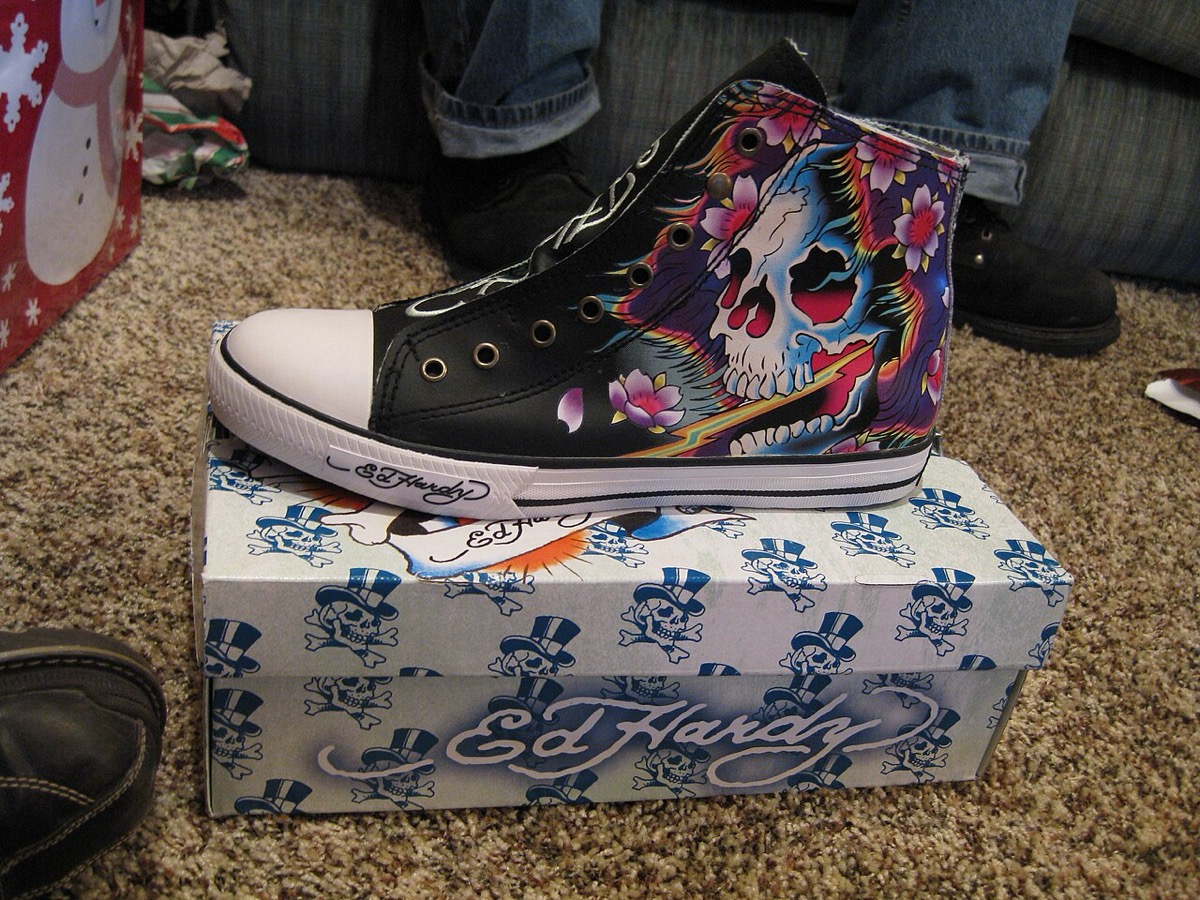
an Ed Hardy tattoo-art high-top sneaker on its branded box
Fashion 2005–2010

Ed Hardy

The 2000s fashion brand built around the iconic tattoo artwork of 'Godfather of modern tattooing' Don Ed Hardy and turned into a celebrity phenomenon by designer Christian Audigier from 2005 — tigers, skulls, roses, and hearts splashed across rhinestone-studded t-shirts, hoodies, and trucker hats. Loudly branded and worn by celebrities, it became the defining symbol of late-2000s flashy excess and later, of hilariously dated taste.

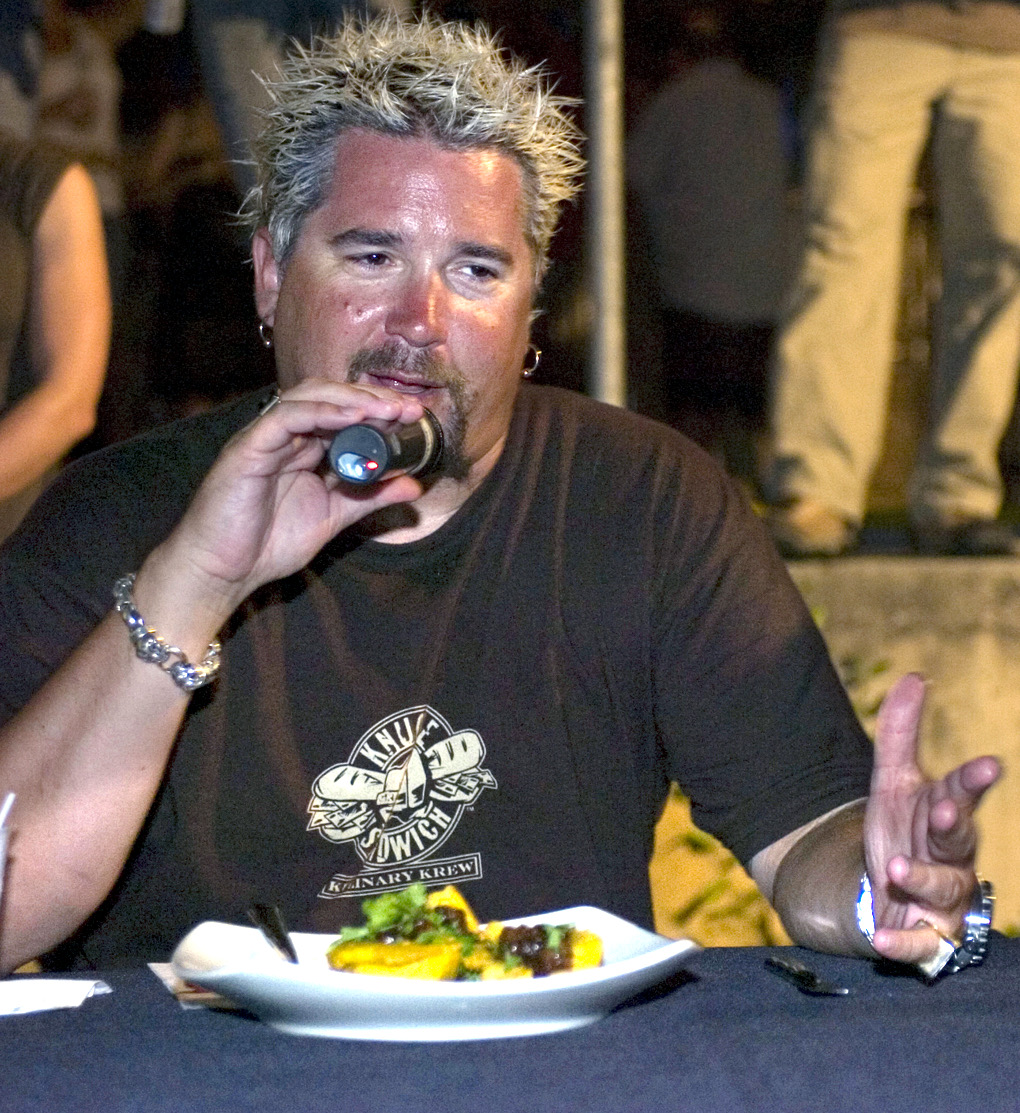
Guy Fieri, whose spiky bleached frosted tips outlasted the trend
Fashion 1997–2004

Frosted Tips

Short hair gelled into stiff spikes with the tips bleached pale blond — the signature boy-band-era men's look. If a guy on TRL had it, so did half the boys at your school.

Video thumbnail — G-Shock: Original 1983 Television Commercial
Fashion 1983–present

G-Shock & Baby-G Watches

Casio's G-Shock (first released in 1983) was the chunky, rugged, shock-resistant digital watch built to survive drops and abuse. The smaller, more colorful Baby-G line (launched 1994) targeted a younger audience and helped make the watches a 1990s fashion staple—big plastic bodies, digital displays, and durability marketing turned them into schoolyard status accessories.

Video thumbnail — Heelys Commercial
Fashion 2000–2008

Heelys

Sneakers with a hidden wheel in the heel that made kids feel like they were gliding through the mall in ways shoes were never meant to allow. Schools banned them almost as fast as they sold, malls put up 'no Heelys' signs, and the fad burned from the early 2000s to its 2006–07 peak before the cool factor evaporated.

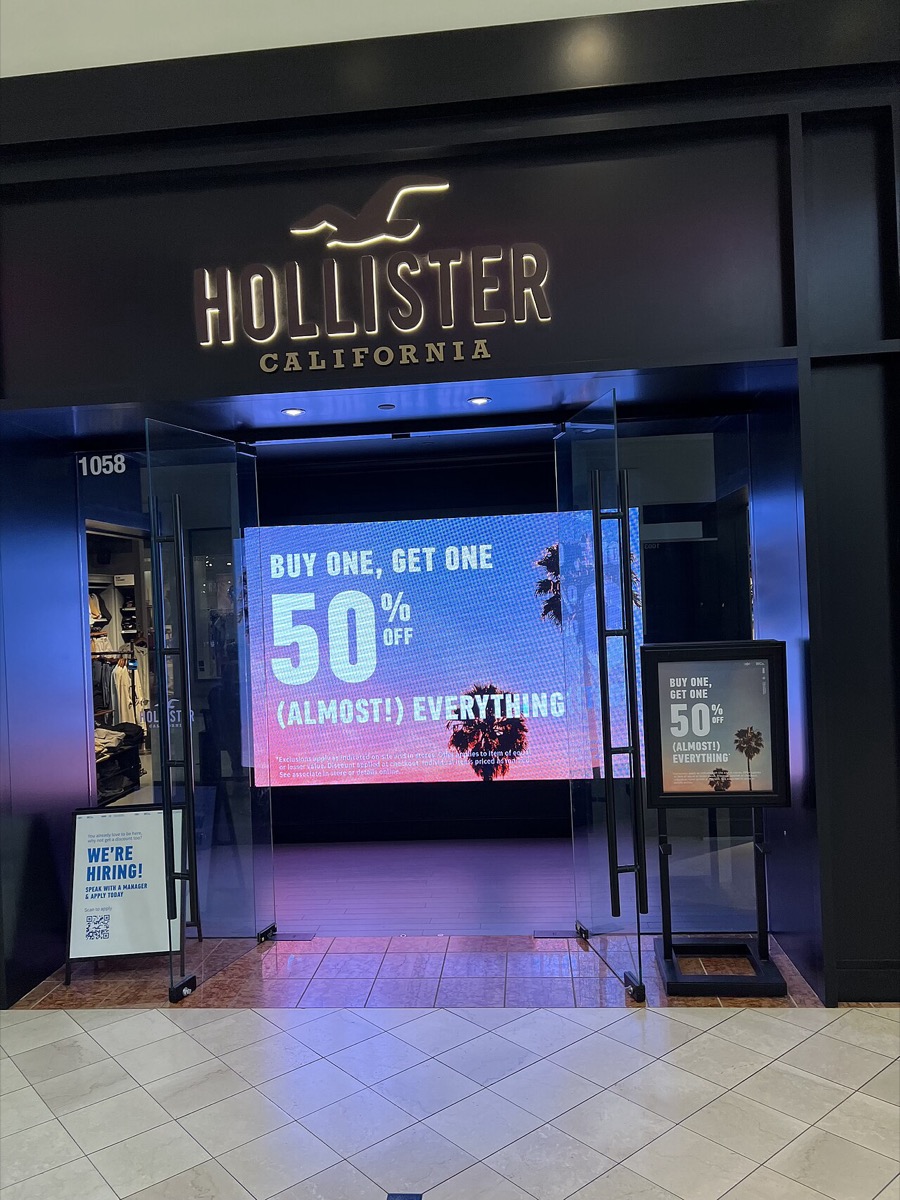
a Hollister Co. mall storefront — dark facade, glowing seagull logo
Fashion 2000–2009

Hollister Co.

Abercrombie & Fitch's Southern-California-surf-themed spinoff brand, launched in 2000 and aimed at teens. Hollister stores were deliberately dim, cave-like spaces with beachy decor, a seagull logo, and an overwhelming signature cologne. Logo hoodies and tees were a 2000s teen status marker.

Video thumbnail — The History Of HOT TOPIC
Fashion 1989–present

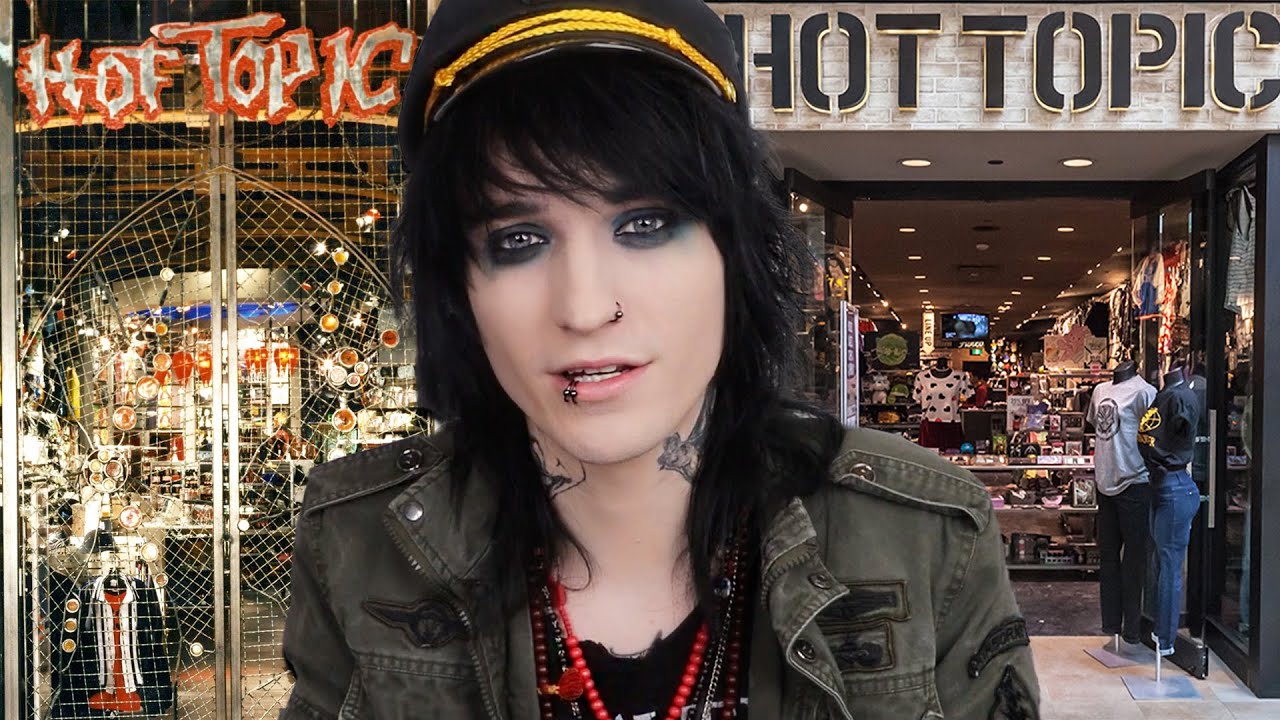
Hot Topic

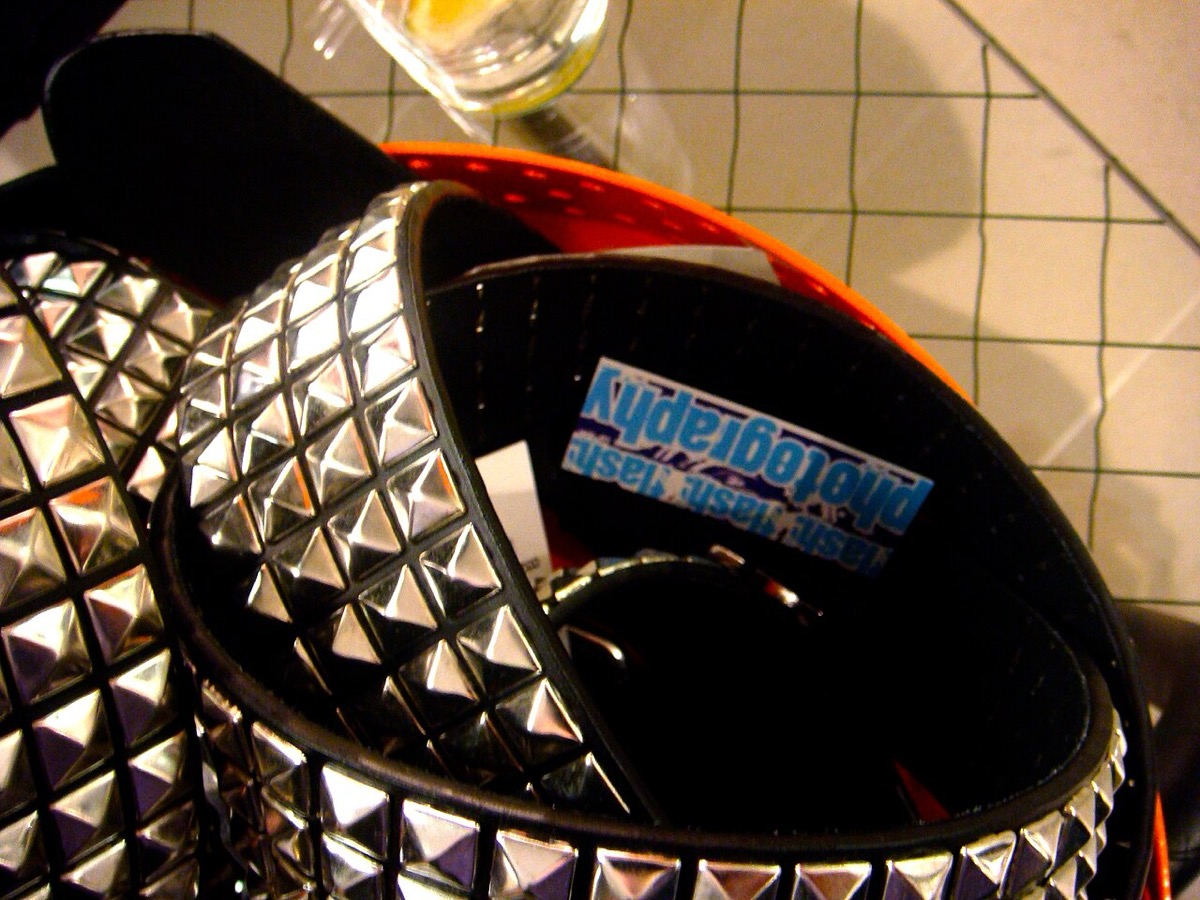
The black-walled store at the end of the mall where the music was too loud and the T-shirts had bands your parents had never heard of. Studded belts, band merch, hair dye, and a smell of incense you could identify from thirty feet away. For a certain kind of teenager, walking in felt like finding your people.

Video thumbnail — 1991 - Generra Hyper Color Shirts - Heat Makes It Happen Commercial
Fashion 1991–1992

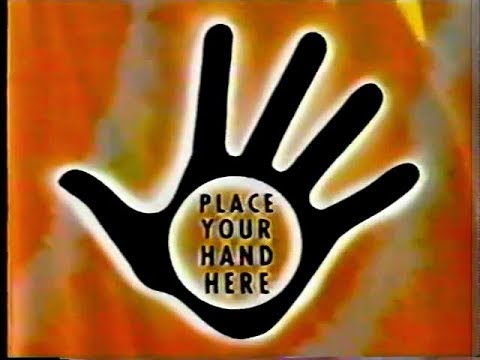
Hypercolor T-Shirts

The shirt that changed color where you touched it — a warm handprint bloomed a lighter shade across your back, and everyone in class wanted to leave a mark. Hypercolor was a full-blown 1991 craze that the washing machine quietly killed.

Placeholder graphic for Jelly Bracelets
Fashion 1983–1996

Jelly Bracelets

Thin, neon plastic hoops that came in every color imaginable and were stacked up the arm like jewelry—the fashion accessory that cost almost nothing and became trading currency on every playground. Sparked by Madonna's 1980s stacked-arm look, they dominated the early 80s and stayed essential into the 90s, cheap enough to lose constantly and buy again without guilt.

Video thumbnail — Cory 'Nasty' Nastazio JNCO commercial
Fashion 1985–1999

JNCO Jeans

JNCO jeans were the uniform of 90s youth rebellion: outrageously baggy denim with cavernous pockets so deep you could lose a Walkman, decorated with zipper details and an attitude that rejected traditional fit. If you weren't tripping over your cuffs or making those pockets jingle, you weren't dressed for the decade.

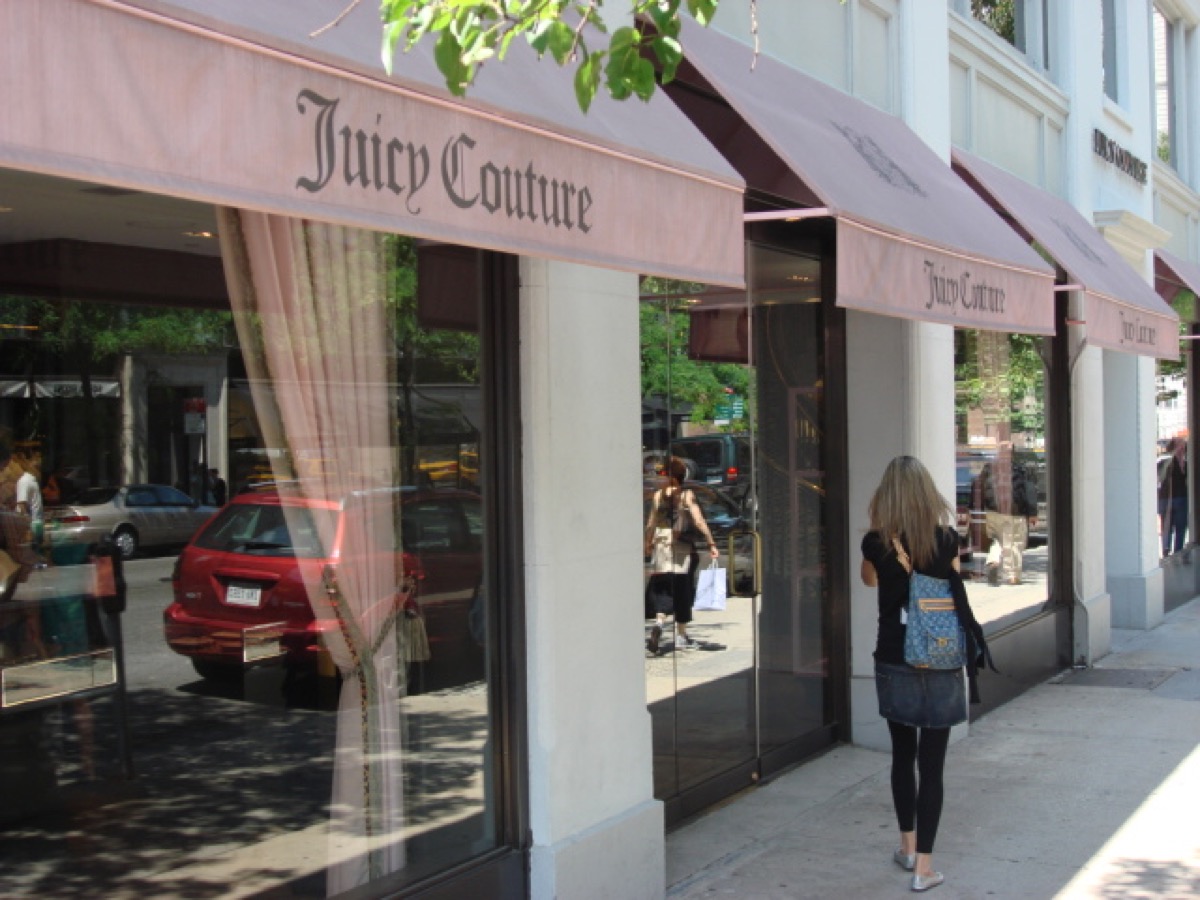
a Juicy Couture boutique with pink awnings
Fashion 2001–2008

Juicy Couture Tracksuits

Matching velour or terrycloth tracksuits — zip hoodie and low-rise pants, often with "JUICY" emblazoned across the back — that screamed early-2000s louder than any other garment. Worn by celebrities like Paris Hilton and Jennifer Lopez, the Juicy tracksuit was the status symbol of the mall, equal parts comfort and conspicuous consumption.

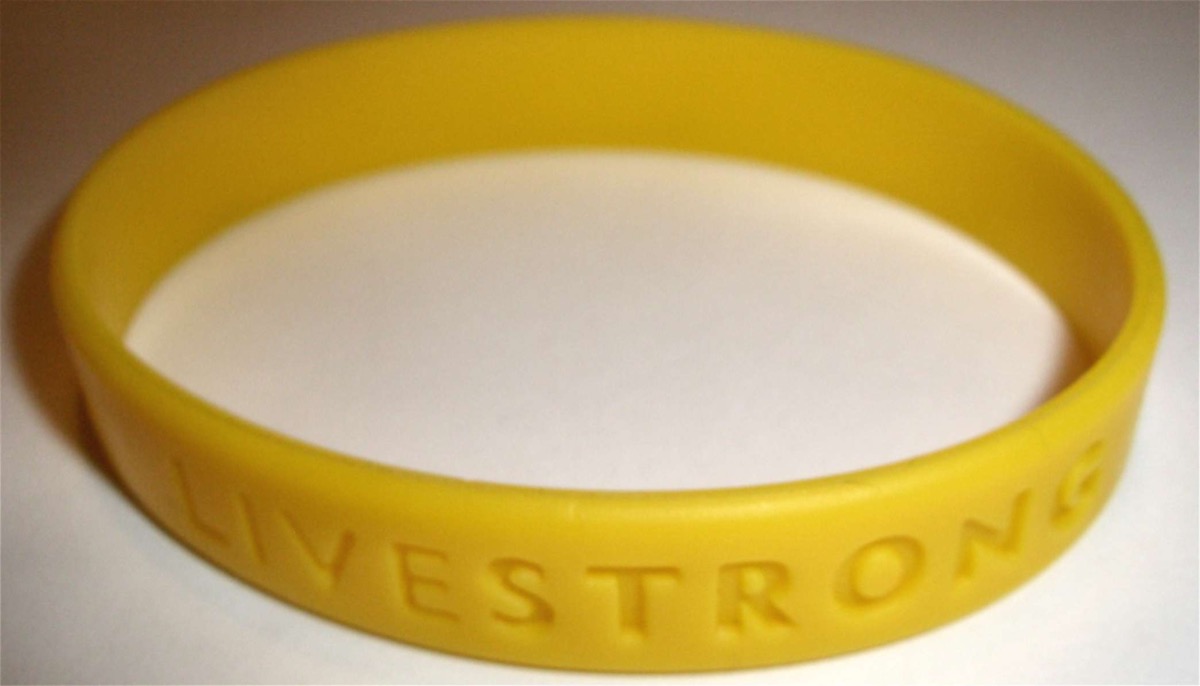
A yellow silicone LIVESTRONG wristband on a plain background
Fashion 2004–2007

Livestrong Bands

The yellow silicone gel wristband launched in 2004 by the Lance Armstrong Foundation with Nike, sold for $1 to support people affected by cancer. Tens of millions sold, and it ignited the entire cause-awareness rubber-bracelet craze—soon every color stood for a different charity, and everyone stacked them on their wrists like a visible moral portfolio.
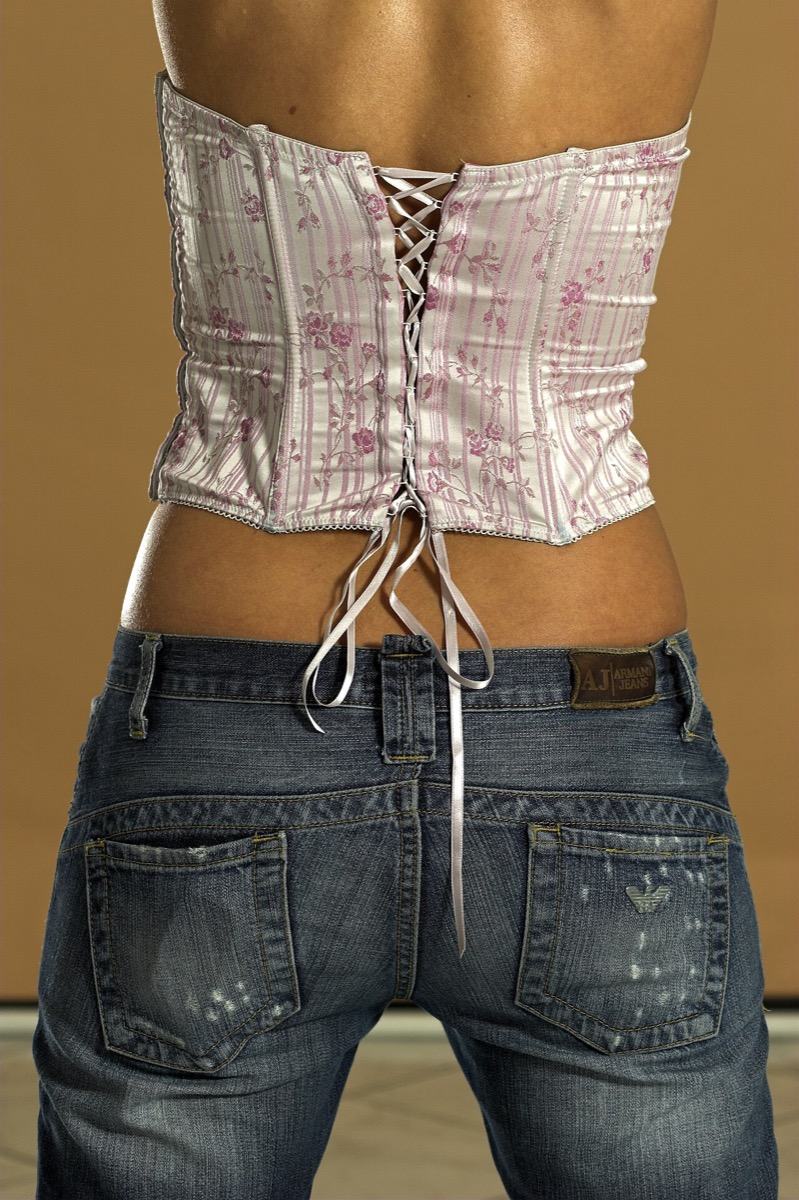
Low-rise jeans as worn in the mid-2000s
Fashion 1998–2008

Low-Rise Jeans

The denim silhouette that exposed everything — waistbands that barely qualified as clothing. Low-rise jeans paired with visible thongs and belly-button rings was THE Y2K uniform, and photos from this era still make you cringe.

Video thumbnail — Michael Jordan Cologne Commercial 1996
Fashion 1996–present

Michael Jordan Cologne

Michael Jordan's fragrance debut in 1996 at the absolute apex of MJ-mania — the same year as his fourth NBA title and Space Jam. Bijan's Beverly Hills fragrance house backed it with $20 million in advertising, and America bought so much of it that it was widely reported as the year's best-selling men's fragrance. A black silhouette of a legend, bottled.

An original 1970s sterling-silver Mood Stone ring with its color-changing stone
Fashion 1991–1994 (90s revival)

Mood Rings

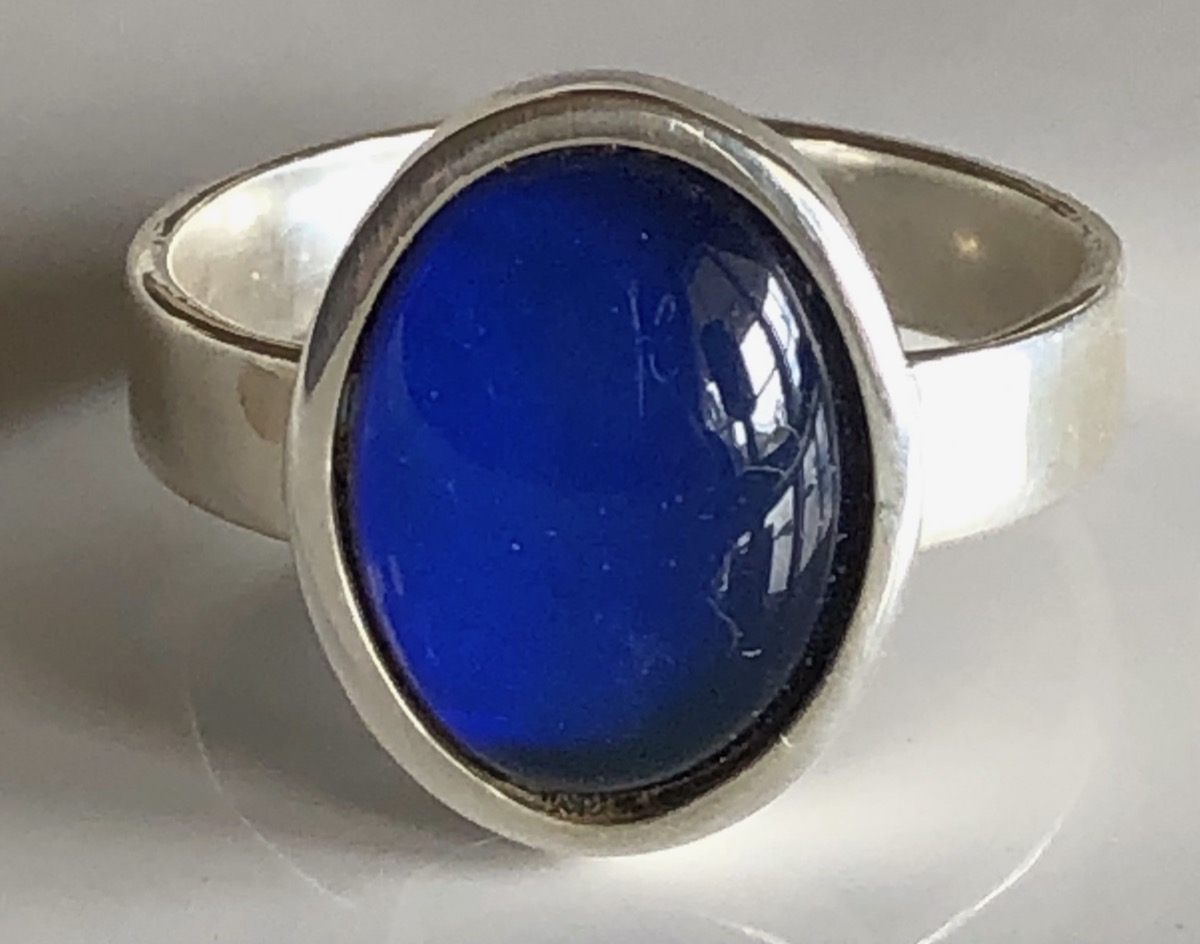
A thermochromic crystal that supposedly read your emotions—blue meant calm, black meant stressed—except it mostly just measured how cold your hands were. The stone changed color with finger temperature, not feelings, but that didn't stop every kid from testing one against its color chart and knowing, deep down, it was a scam.

Video thumbnail — 2000 Vince Carter Nike SHOX Commercial/Jumping Over Gary Payton
Fashion 2000–2007

Nike Shox

The sneakers with the fat shock-absorber columns under the heel—sixteen years of Nike R&D that landed in 2000 and instantly became hallway status. Vince Carter wore them to jump clean over a 7'2" Frenchman at the Sydney Olympics. Boing.

Video thumbnail — Ranking The Top 40 No Fear Shirts From the 90s
Fashion 1989–2000s

No Fear

The block-letter attitude brand of the '90s: bold white slogans about living hard and fearing nothing, splashed across black T-shirts, hoodies, and the rear windows of half the pickup trucks in the school parking lot. No Fear turned extreme-sports bravado into a middle-school uniform.

The North Face logo — white wordmark and half-dome mark on the brand's red field
Fashion 1966–present

The North Face Jackets

Expedition outerwear became high-school currency. The North Face started as a mountaineer's brand and somehow became the cold-weather uniform that separated the haves from the have-nots—a puffy jacket and fleece that climbed from base camp to your hallway.

Video thumbnail — The Irresistable Popcorn Shirts
Fashion 1990s–early 2000s

Popcorn Shirts

The shirt that lived scrunched into a ball the size of your fist and stretched to fit almost anyone who pulled it on. Covered in tiny raised bumps, made of stretchy polyester, and sold 'one size fits all' — you bought it crumpled, wore it snug, and it sprang right back to a lump the second you took it off.

Illustrated placeholder card for Power Bead Bracelets
Fashion 1998–2001

Power Bead Bracelets

Stretchy bracelets of round semi-precious stone beads, each color supposedly granting something—happiness, luck, smarts, money—according to the little card on the rack. Stacked a dozen deep on every late-90s wrist, powers pending.

Video thumbnail — Puka Shell Necklace
Fashion 2000–2004 peak

Puka Shell Necklaces

The little white shell choker every guy wore over a popped-collar polo circa 2001 — beachy, breezy, and slightly cheesy. Puka shells turned a Hawaiian souvenir into a mall-store staple of the early-2000s.

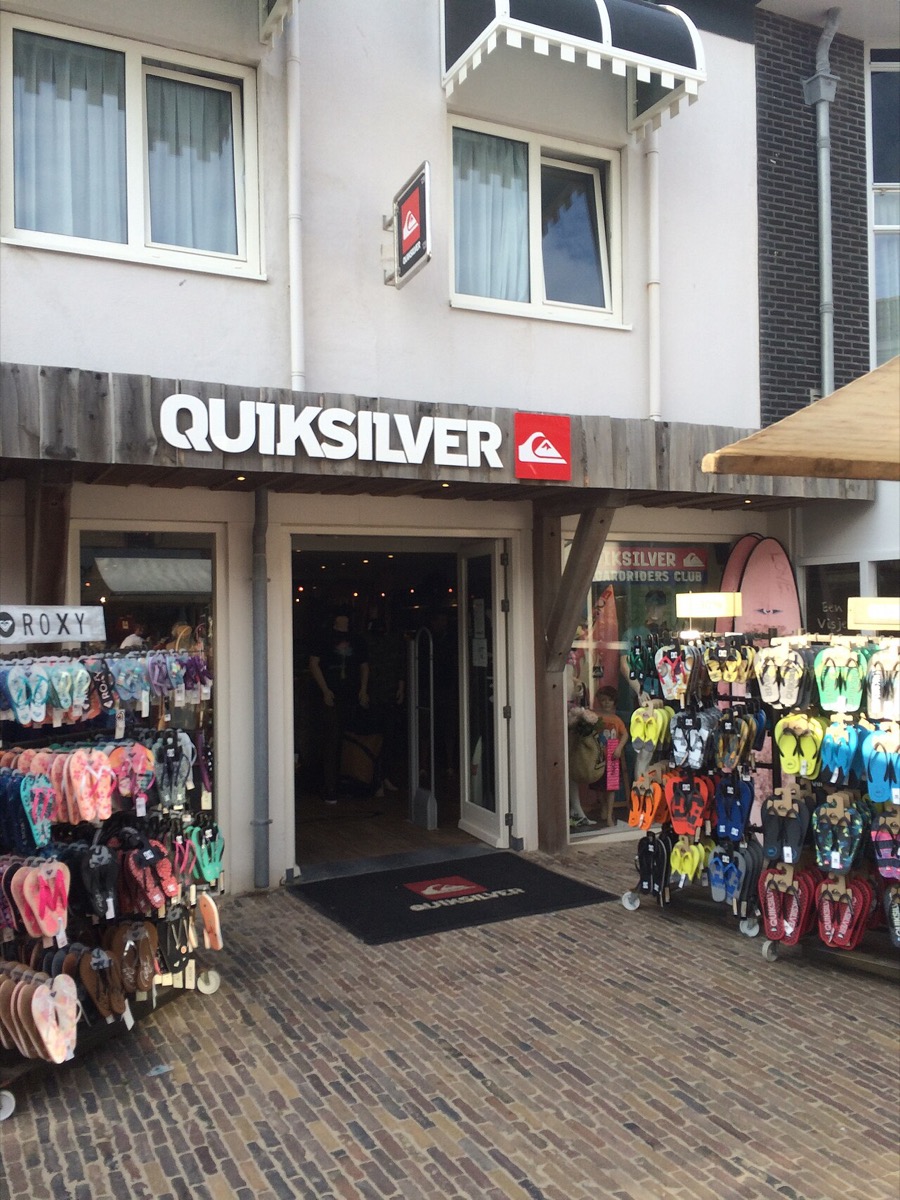
A Quiksilver shop entrance with the mountain-and-wave logo and wordmark over the door, a Roxy sign beside it
Fashion 1969–present

Quiksilver

The mountain-and-wave logo that ruled 90s school hallways a thousand miles from any ocean — spelled Quiksilver, no "c". Boardshorts built for surfers became a hallway uniform for landlocked kids who'd never touched a board.

Video thumbnail — Dee Brown - No-Look Dunk (1991 Dunk Contest)
Fashion 1989–1995 peak

Reebok Pump

The shoe that made you pump yourself up—an inflatable basketball sneaker that arrived at $170 and instantly became a playground legend. Press the orange button on the tongue and air chambers swelled around your ankle; every kid in the shoe store pressed it whether their mom was buying or not.

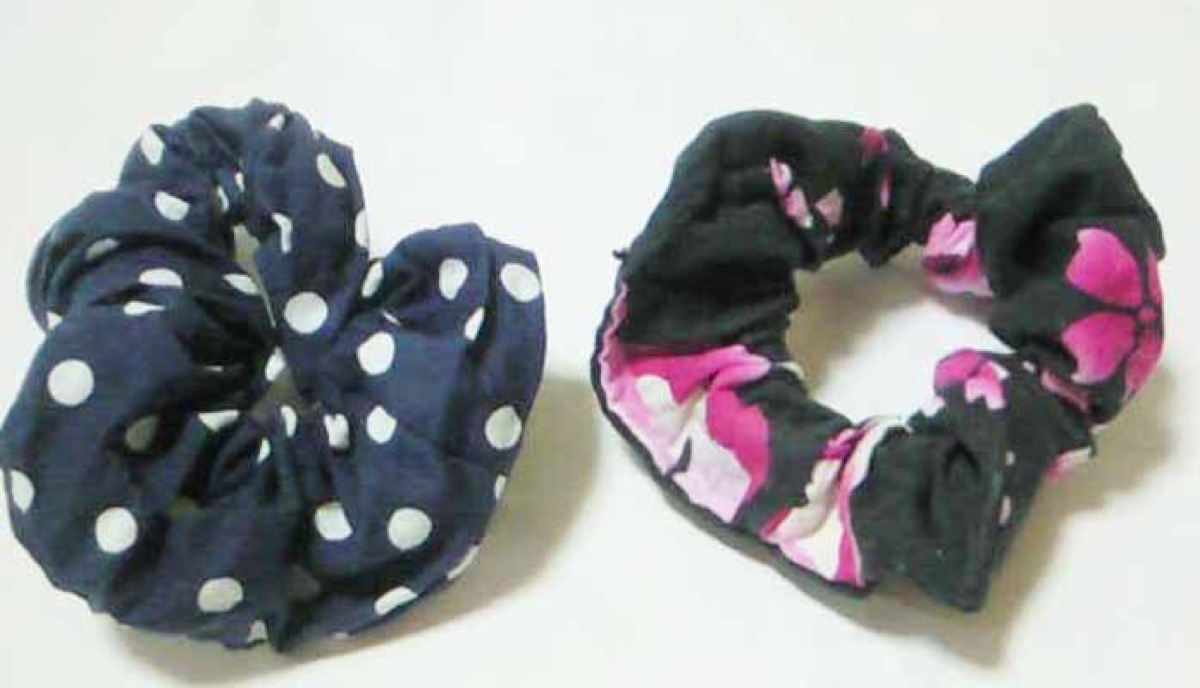
Two fabric scrunchies, one navy polka-dot and one black-and-pink floral print, on a white surface
Fashion 1987–1999

Scrunchies

The elastic hair tie wrapped in fabric that came in every color, pattern, and fabric texture imaginable — velvet, neon, holographic, gingham. Patented by Rommy Revson in 1987 and sold as Scünci, scrunchies were the ubiquitous hair staple that defined how an entire generation held up their ponytails and side-swept bangs.

Placeholder illustration for Skorts
Fashion 1959–present

Skorts

The best-of-both-worlds garment: a skirt in front, shorts underneath, so you could do a cartwheel or slide into home without flashing anyone. In the '90s the skort jumped off the tennis court and into everyday wardrobes and school-picture outfits everywhere.

A slap bracelet coiled into its snapped-closed spiral, photographed from the side
Fashion 1990–1991

Slap Bracelets

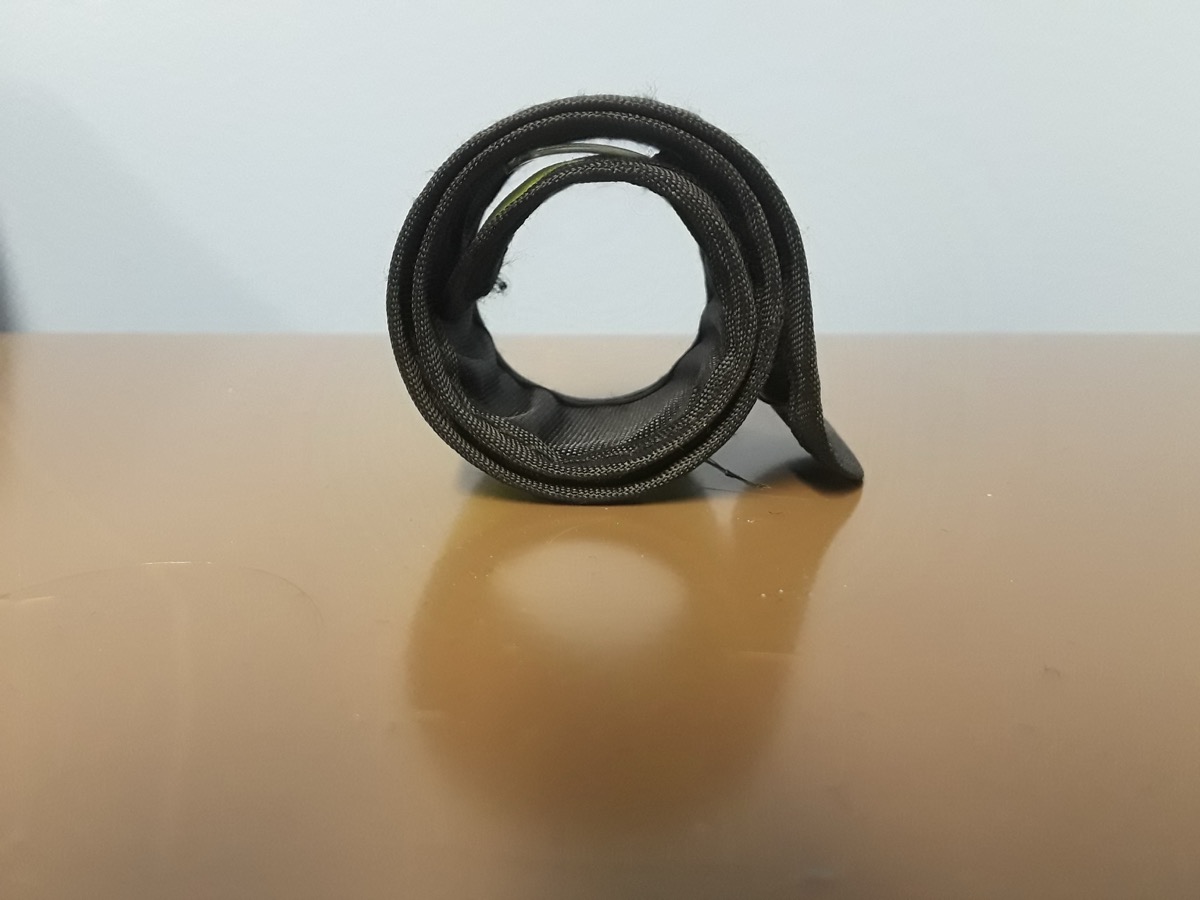
A spring-steel band in a fabric sleeve that snapped flat around your wrist when slapped on — equal parts accessory and weapon. Stuart Anders's invention became a summer craze that vanished just as fast when cheap knockoffs cut kids' wrists and schools banned them outright.

Video thumbnail — 1992 Starter Athletic Wear Commercial
Fashion 1990–1995

Starter Jackets

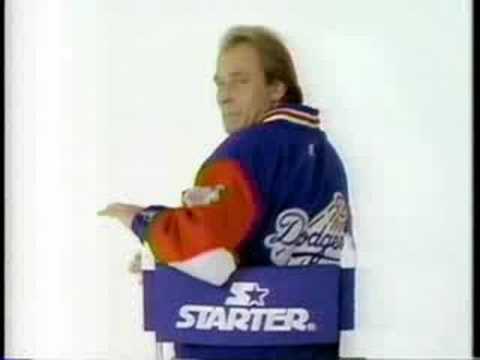
Starter's nylon and satin team jackets were the uniform of 90s cool — oversized windbreakers emblazoned with NBA and NFL team logos that transformed playground basketball courts and city streets into stadiums of style. Starter jackets became so coveted they sparked robberies, making them perhaps the decade's most dangerous fashion statement.

Video thumbnail — Steve Madden 'Big Head' Commercial
Fashion 1990–1999 peak

Steve Madden

The chunky platforms and stretch boots that owned the late-'90s teen mall — and a founder's story wild enough for a movie. Steve Madden built a shoe empire from the trunk of a car, then went to federal prison for stock fraud tangled up with the Wolf of Wall Street.

Placeholder graphic with the text 'Tattoo Chokers' — no freely licensed photo of the plastic tattoo-style choker exists
Fashion 1994–1999

Tattoo Chokers

The tight, lace-patterned plastic necklace that mimicked a hand-drawn tattoo band—one size fits all, no clasp, just stretch it over your head and let it snap snug. Worn by Kate Moss, Drew Barrymore, Gwen Stefani, and every kid with an allowance, the choker's actual origin is lost to history, and it simply appeared everywhere at once.

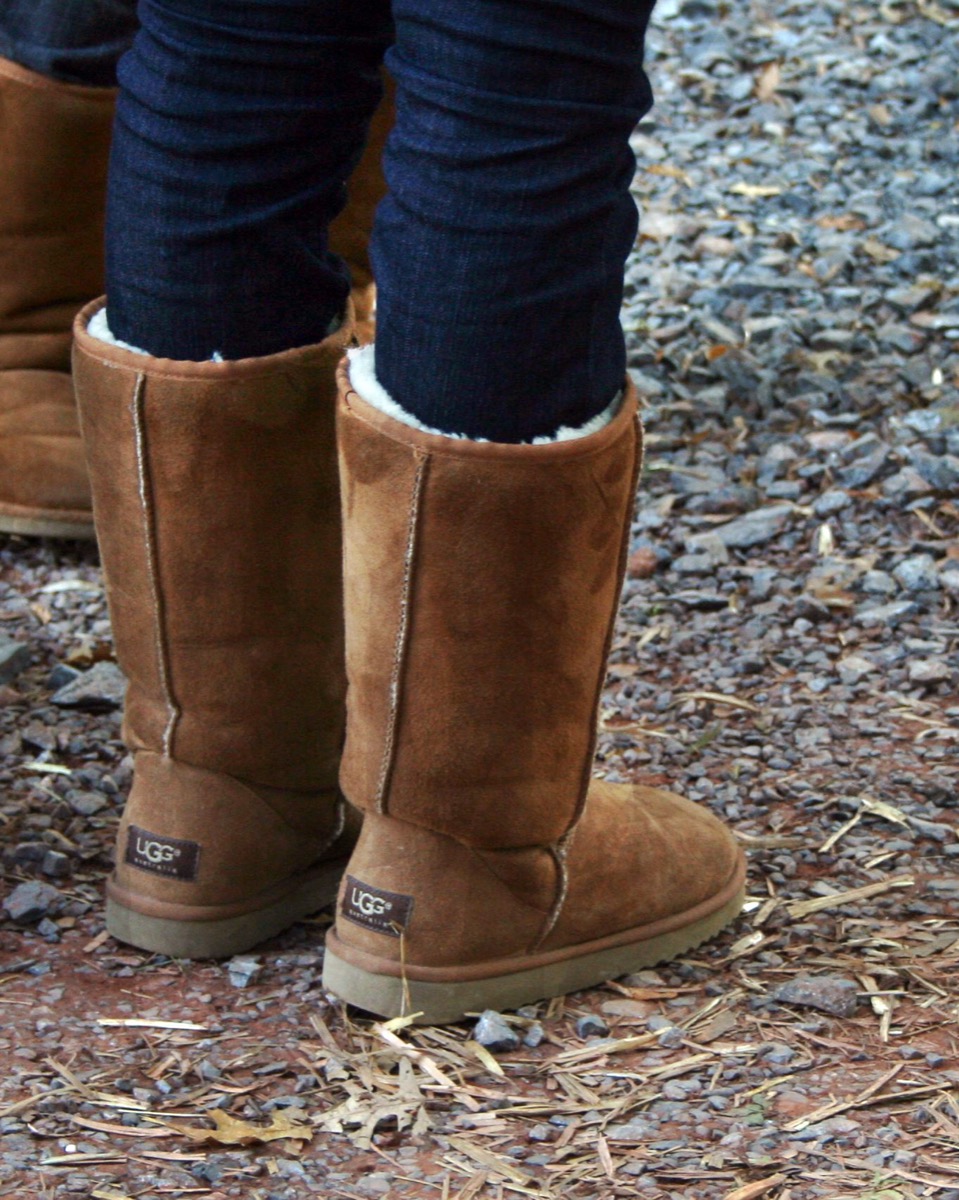
A pair of chestnut UGG boots worn with jeans tucked in, close-up on the boots
Fashion 2003–2009

Uggs

Sheepskin boots that conquered the world: the UGG brand exploded into a mid-2000s craze, worn year-round by celebrities and mall crowds alike. Paired with miniskirts in winter, sweatpants in summer, or tucked under jeans any season — comfort trumped couture, and comfort won.

the Urban Outfitters wordmark
Fashion 1970–present

Urban Outfitters

The store where art-school aspiration got merchandised: ironic graphic tees, distressed denim, a wall of novelty books, and housewares nobody needed but everybody wanted. Every location was built inside a renovated building, so no two ever looked quite alike. It started in 1970 as a tiny secondhand shop near a college campus, and by the 2000s it was where you went to buy a personality.

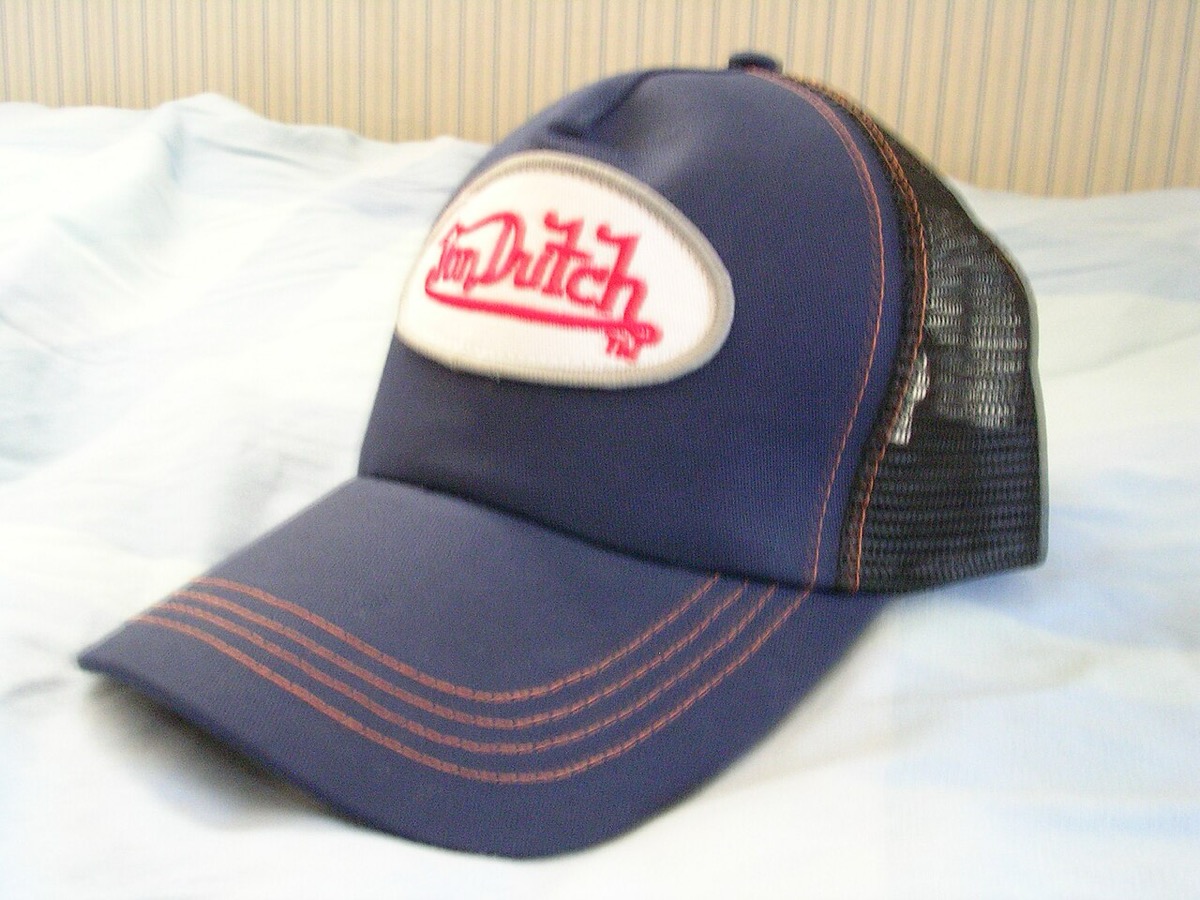
A navy blue Von Dutch mesh trucker hat with the embroidered logo patch
Fashion 2003–2006

Von Dutch Trucker Hats

The mesh-backed, foam-front trucker cap that became a mid-2000s celebrity status symbol under the Von Dutch brand. Worn and photographed constantly by celebrities like Ashton Kutcher, Paris Hilton, and Britney Spears, the Von Dutch trucker hat turned a humble working-man's accessory into a pricey fashion flex. It defined—and quickly dated—the Y2K era.