Mix CDs
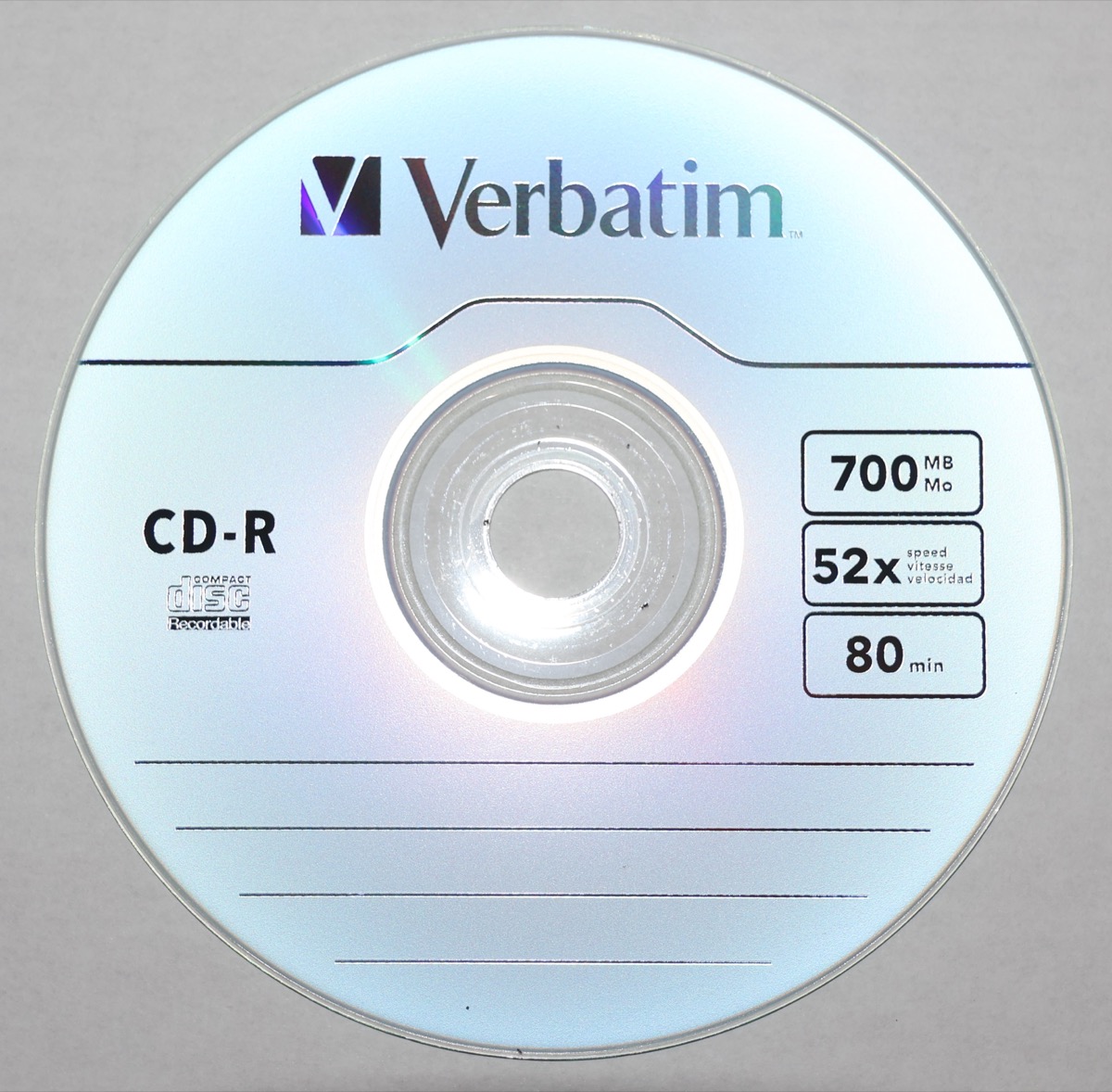
Photo credit: Photo: DiscoA340, CC0, via Wikimedia Commons
The mixtape of the CD-R era: download MP3s from file-sharing sites, burn them to a blank disc in Nero or iTunes, label it with Sharpie, and pray it didn't skip. Mix CDs were the late-90s and 2000s ritual—track order agonized over, burnable only by those with a CD-R drive, given as love offerings and road-trip soundtracks.
As recordable CD drives got cheap and blank CD-Rs cost pennies, the craft of making a personalized mix evolved from cassette tape to burning a custom disc. Consumer software like Nero Burning ROM and Roxio Easy CD Creator emerged in the late 1990s, followed by iTunes in 2001 and Windows XP's built-in CD-burning tools, democratizing the process for anyone with a computer.
The ritual was precise: source your songs from file-sharing sites like Napster, LimeWire, and Kazaa, or rip them directly from borrowed CDs. Then came the agonizing—fitting roughly 20 songs into 74–80 minutes, obsessing over track order, trying to create the perfect flow. No more handwritten J-card inserts on cassettes; instead you'd label the disc itself with a Sharpie. Burning a CD for a crush became the 2000s love gesture. A bad burn or a scratch that caused the disc to skip felt like betrayal.
Your car CD binder held your custom burns in rotation, a visible collection of your music taste and moods. But the format's dominance was fleeting. As the iPod rose and digital playlists replaced physical media, the need to burn and label CDs faded away. By the late 2000s, the mix CD was becoming history.
Similar items
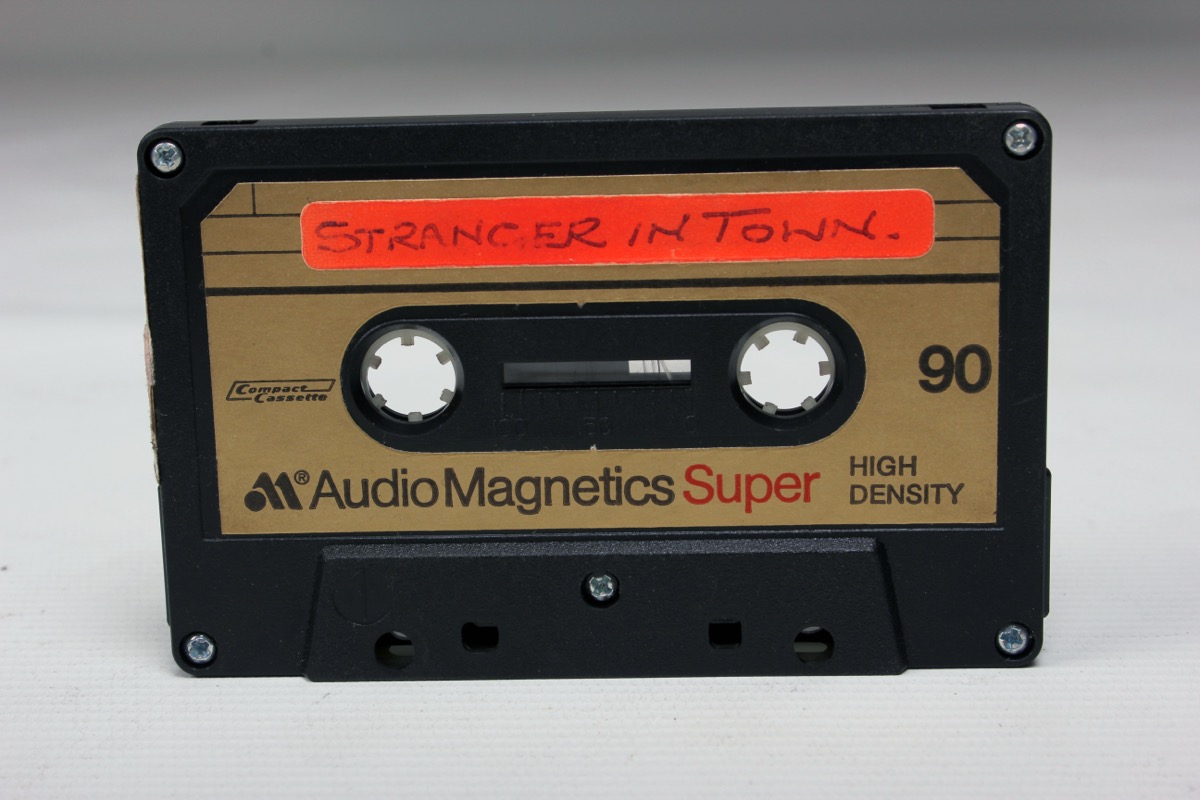
Mixtapes
The compact cassette made music personal; the Walkman made it portable; and the mixtape made it meaningful. A hand-labeled tape was a love letter, a friendship offering, an identity statement — hovering over the record button to catch a song off the radio, agonizing over track order, building the perfect sequence for someone who mattered.
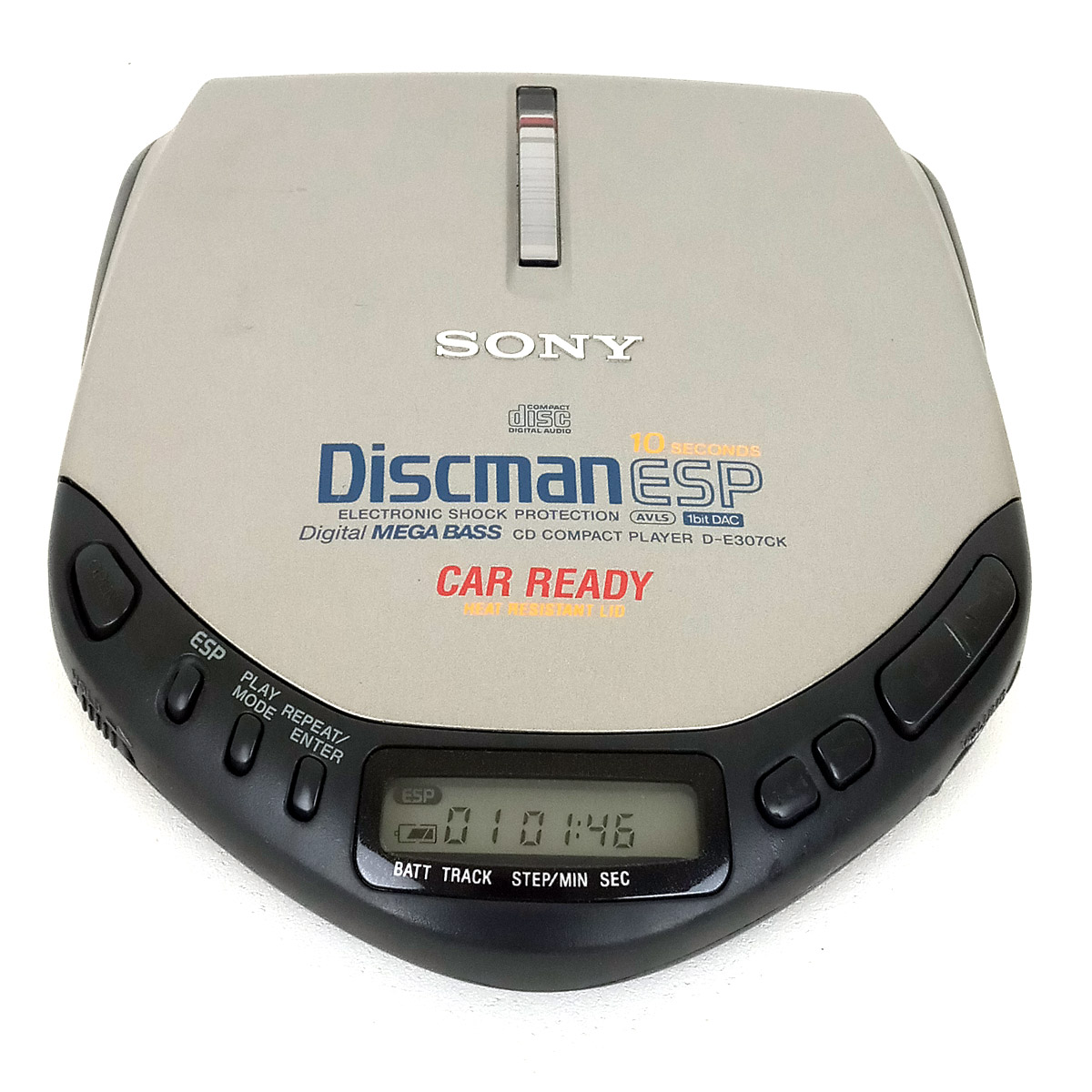
Discman & CD Binders
The ritual of portable CD life: a Sony Discman clipped to your waist or backpack, Electronic Skip Protection bragged on the box, and a zip-up CD binder holding exactly 24 discs — the ones that defined you. CD binders like Case Logic wallets replaced jewel cases, turning your music taste into curated, tangible proof of personality.

LimeWire & Napster
The lawless era of free music: you queued up a download that would take three hours on dial-up, crossed your fingers it wasn't mislabeled, and hoped even harder it wasn't a virus. Napster and LimeWire were the P2P revolution that detonated the music industry, made kids into accidental outlaws, and eventually gave way to iTunes.

iPod
Steve Jobs unveiled the iPod on October 23, 2001, promising "1,000 songs in your pocket." The original model packed a 5GB hard drive, mechanical scroll wheel, and FireWire connection—Mac-only, $399. The click wheel, iTunes Music Store (2003), and later Windows support made it the gateway device to digital music and one of the most influential electronics ever built.