McDonald's Monopoly

Peel the game piece off the fries carton, hold your breath: Park Place. Again. Everyone had a drawer full of Park Places — because the Boardwalks were the whole game. What nobody knew was where the Boardwalks were actually going.
McDonald's Monopoly launched in the US in 1987 and became the fast-food promotion: peel-off game pieces on fry boxes and drink cups, mapped to the Monopoly board. Instant-win pieces paid out food and small prizes constantly — that was the hook — but the big money required completing a color set, and each set contained exactly one deliberately rare piece. Millions of Park Places meant nothing without a Boardwalk. The genius was that everyone understood the odds lived in that one missing piece and played anyway: trading duplicates with coworkers, checking the rare-piece list in the newspaper, saving stubs in a kitchen drawer like lottery tickets that came with lunch.
Then the whole thing turned out to be one of the great American frauds. Jerome P. Jacobson — "Uncle Jerry," an ex-cop working as security chief at Simon Marketing, the contractor that ran the game — began stealing winning pieces after a supplier mistakenly sent him a sheet of the anti-tamper seals. From 1989 to 2001 he funneled top prizes through a network of recruited "winners" (one of his fences was Gennaro Colombo — of the actual Colombo crime family), skimming more than $24 million. At the scheme's height in the late 90s there were almost no legitimate million-dollar winners: the game a whole country was playing over fries was, at the top, essentially unwinnable. The scheme's one redeeming chapter came in 1995, when an anonymous envelope containing a $1 million piece arrived at St. Jude Children's Research Hospital — McDonald's honored it, and the FBI later traced it to the scheme.
A tip led the FBI to run "Operation Final Answer," and the arrests came in August 2001 — ultimately 53 people were indicted and nearly all pled guilty, with Jacobson sentenced to 37 months and $12.5 million in restitution. McDonald's scrambled to rebuild trust with immediate new giveaways, and the promotion survived: it kept running (huge in the UK for decades), and after a long US hiatus it returned in 2025 as an app-based game. The full saga became the HBO docuseries McMillions in 2020 — required viewing for anyone who ever peeled a Park Place and believed, for one second, that this was the year.
Similar items
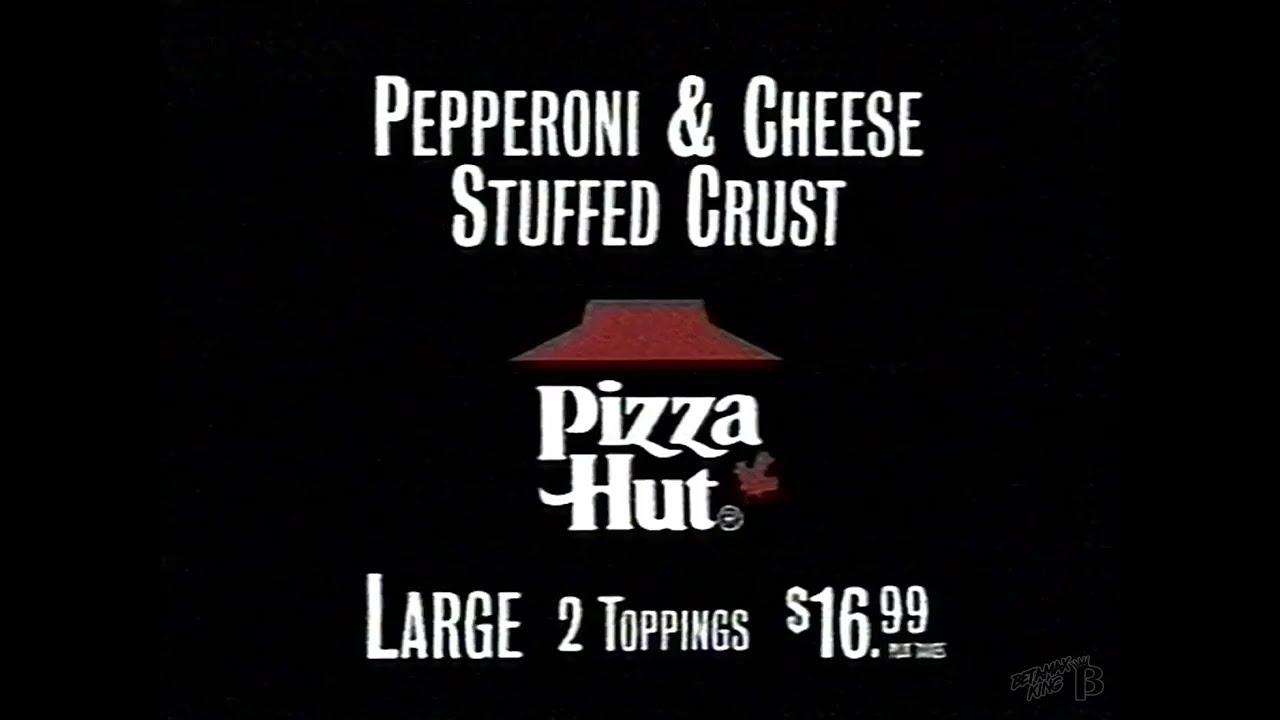
Pizza Hut (Dine-In Era)
The red-roof restaurant where you sat in a booth under Tiffany lamps, ordered a Personal Pan Pizza, and cashed in your Book It! certificate for a free one — Pizza Hut was where childhood occasions happened. The dine-in empire nearly disappeared as the chain pivoted to delivery.

Nickelodeon Super Toy Run
The ultimate Nickelodeon dream: win a timed sprint through a toy store and keep everything you can throw in the cart. A few frantic minutes of grabbing toys off shelves — the single most desirable sweepstakes a '90s kid could imagine.

Who Wants to Be a Millionaire
"Is that your final answer?" For a couple of years around the millennium, Regis Philbin, a tiered ladder to a million dollars, three lifelines, and a set that dimmed to a heartbeat pulse made this the biggest show on television — running multiple nights a week and minting the country's first game-show millionaires.

McDonald's Batman Collector Cups
The movie-promo cups and glass mugs that turned a McDonald's run into a Batman artifact. When the Caped Crusader came back to theaters in the '90s, McDonald's turned itself into Gotham City — and a generation kept the glasses in the cupboard for years.