Laser Tag Arenas

Fog-choked blacklight mazes where you strapped into a chunky plastic vest, grabbed a blaster, and tagged opponents in a neon-soaked techno dreamscape. Laser tag arenas were birthday-party bedlam — loud, disorienting, and absolutely thrilling.
Laser tag in arenas began in 1984 when George Carter III opened the first Photon center in Dallas on March 28, inspired by Star Wars after seeing it in 1977. The technology spread quickly: Photon released home toys in 1986, and Worlds of Wonder — the Teddy Ruxpin empire — launched their own Lazer Tag toys the same year. But the fad crested fast. Worlds of Wonder went under around 1988, and the Photon centers closed by 1989.
The 90s brought a chain-driven revival. Q-Zar, created by Geoff Haselhurst in Perth, Australia in 1987 (originally called Quasar — a name that persisted in the UK and Ireland), was sold to Irish investors in 1991 and opened a North American arm, Q-ZAR International, based in Dallas. By mid-1995, Q-Zar had roughly 250 locations worldwide and even listed on NASDAQ in 1996, though it filed for bankruptcy on November 5, 1997. Across the Atlantic, Laser Quest — founded in Manchester, England in 1989 — reached North America in 1993 and operated about 180 locations worldwide by mid-1995. It shuttered its North American operations in 2020 during the pandemic but still runs in the UK.
A snapshot from 1995 captures the heyday: a 12-minute game cost $6, and new one-off laser tag arenas were constantly opening and folding in strip malls nationwide. The game itself was straightforward and savage — teams competed to tag opponents and zap the enemy base. The visceral memory persists: the fog so thick you could barely see your own hands, the weight of the blaster, the panic of someone emerging from the haze.
Keep talking about it (Reddit)
Similar items
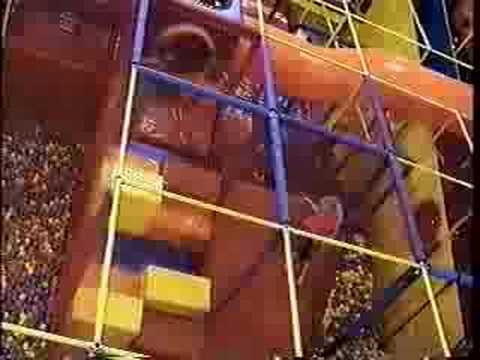
Discovery Zone
'DZ' — the indoor playground empire of padded mazes, tube slides, ball pits, and birthday parties. Exploded across the '90s, then vanished almost overnight.

Medieval Times
Dinner and a tournament: jousting knights on horseback, a whole roast chicken eaten with your bare hands, and a whole section of the arena screaming for its color-coded knight. The birthday-and-field-trip institution that a Jim Carrey movie made unforgettable.
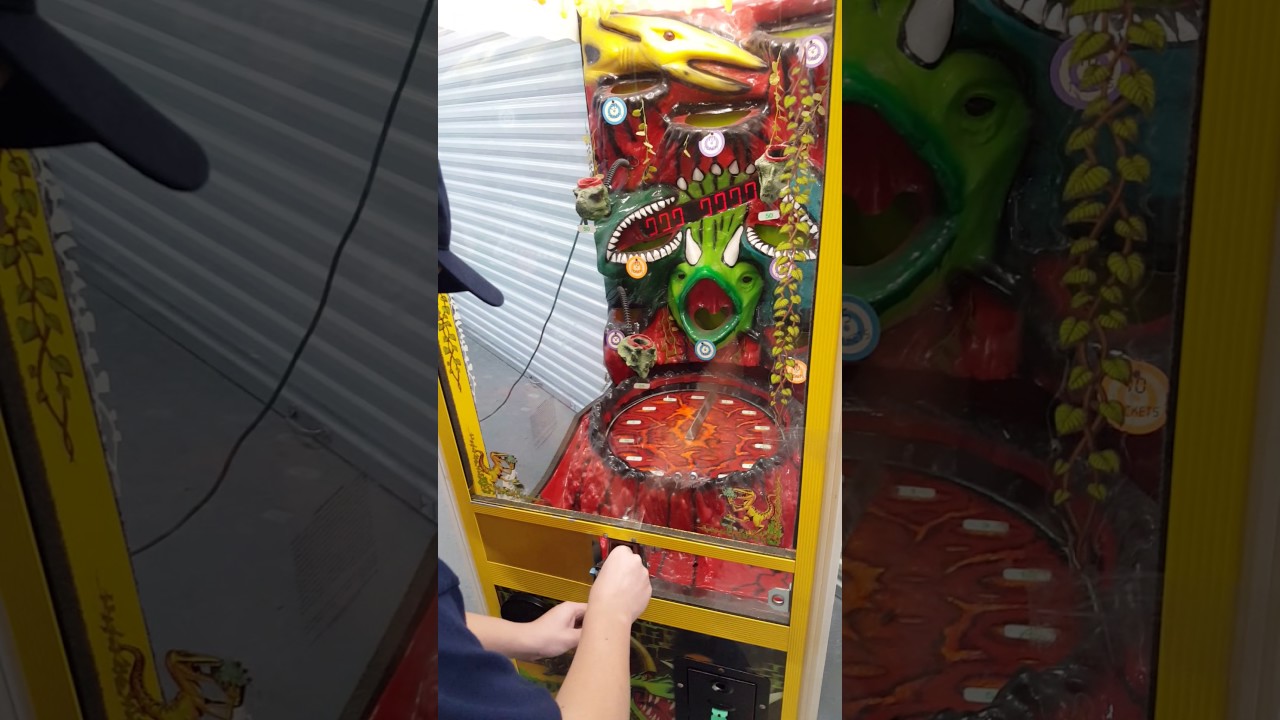
Arcade Redemption Games
Drop in a token, play a game of skill, and win a stream of paper tickets — then trade the crumpled wad at the glass prize counter for cheap plastic junk. Rock 'N Bowl, Skee-Ball, Wheel 'Em In, Dinoscore: the ticket-frenzy floor of every '90s arcade.
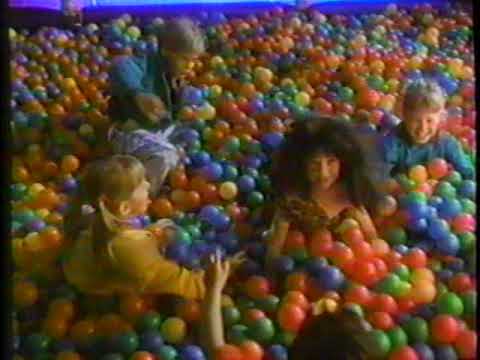
Chuck E. Cheese Birthday Parties
The default birthday destination of the 90s. It was never about the pizza — it was the sensory overload: beeping arcade games, the animatronic band, the ticket machines' endless whir. You got a cup of tokens, played skee-ball until your arms hurt, then faced the prize counter's brutal math.