The Daily Newspaper
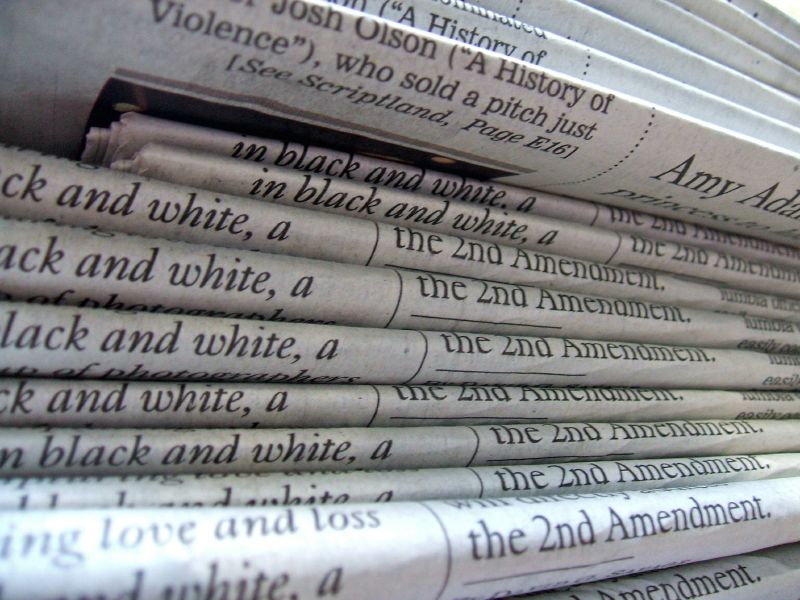
The morning ritual when the paper landed on the doorstep and the whole household converged on it: TV listings, box scores, classifieds, comics, and coupons. The 90s were the last decade the world ran on yesterday's paper.
The daily newspaper was ancient by the 1990s — a tradition stretching back centuries — but the 90s happened to be the last decade it still worked as a full household ritual. The morning started with the paper hitting the porch, and the choreography began. What you grabbed first depended on who you were: the TV listings grid to plan the evening (with TV Guide on the coffee table as an institution of its own), the comics, the crossword, the weather. Parents checked the classifieds for jobs and apartments; kids hunted the sports section for last night's box scores; clipped articles turned up on kitchen tables for school current-events assignments.
The paper was the unquestioned source — not because it was fast, but because it was there, in your hand, and everyone trusted it. US weekday circulation had peaked at nearly 63.3 million copies back in 1984 and was still enormous through the 90s, and Sunday circulation hit its all-time peak in 1990 at nearly 62.6 million copies and held almost exactly that level through 1993 — the Sunday paper was at full strength right as the decade opened.
The fade came fast and total. The internet took the TV grid, then the box scores, then the weather, then the breaking news itself. But the real dagger was the classifieds, which had long funded the industry — as much as 70% of some papers' ad revenue. Craigslist alone cost American newspapers an estimated $5.4 billion between 2000 and 2007. By the mid-2000s the morning ritual had quietly become checking your email and scrolling a website; even coupon clipping eventually moved online.
Newspapers themselves didn't disappear — some thrived as digital operations. But the ritual did: the idea that the whole household started its day around one shared stack of newsprint felt quaint within a decade. The 90s were simply the last time that was just how mornings worked.
Similar items

Weekly World News
The black-and-white checkout-line tabloid where nobody believed the lies and that was the whole point. Bat Boy, Elvis sightings, and "Dear Dotti" advice made kids read sideways while their moms unloaded groceries.

AOL
The dial-up gateway that wired up America. AOL's "You've Got Mail" voice, aggressive free-trial CD carpet-bombing, and shift to unlimited $19.95/month pricing triggered the legendary busy-signal crisis — millions of Americans' first taste of the internet.

MapQuest
Before your phone knew where you were, you printed directions from MapQuest and prayed you didn't miss step 14. The pre-GPS road-trip ritual, in a stack of warm printer paper.
The Sudoku Craze
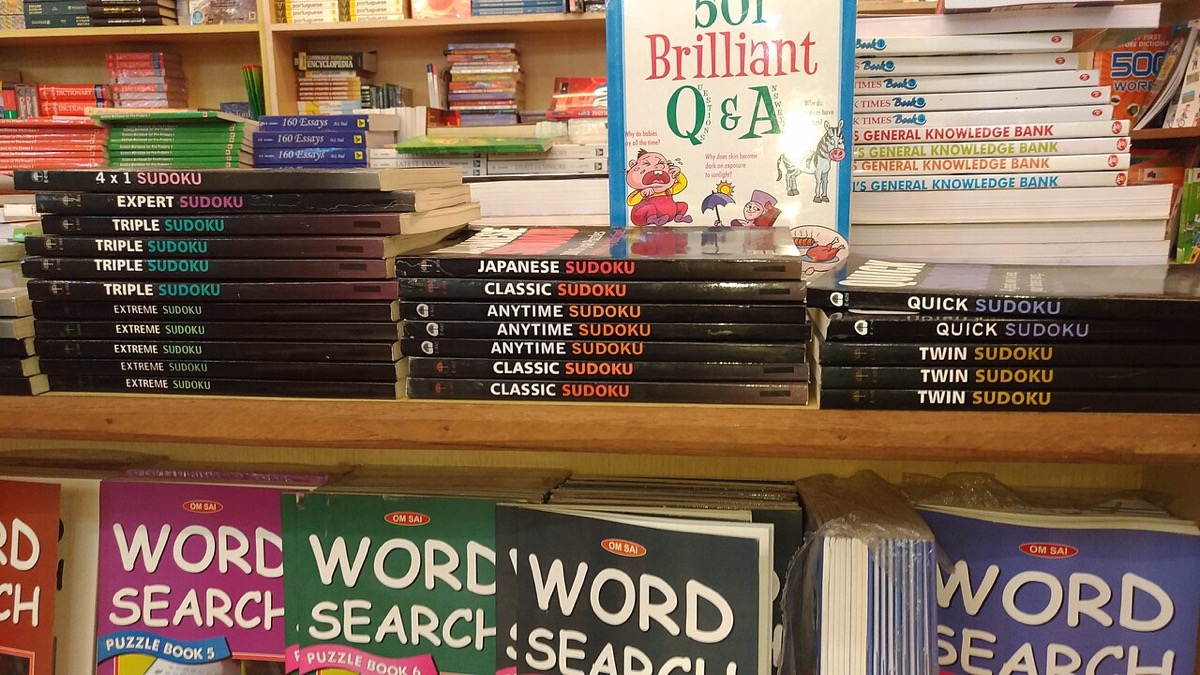
Remember when sudoku grids were suddenly everywhere — newspapers, airport bookstores, that one waiting room where time moved differently? The mid-2000s delivered the last great pencil-and-paper puzzle obsession, and it trained a generation of commuters to genuinely fear the word "fiendish."