Word Search Puzzle Sheets
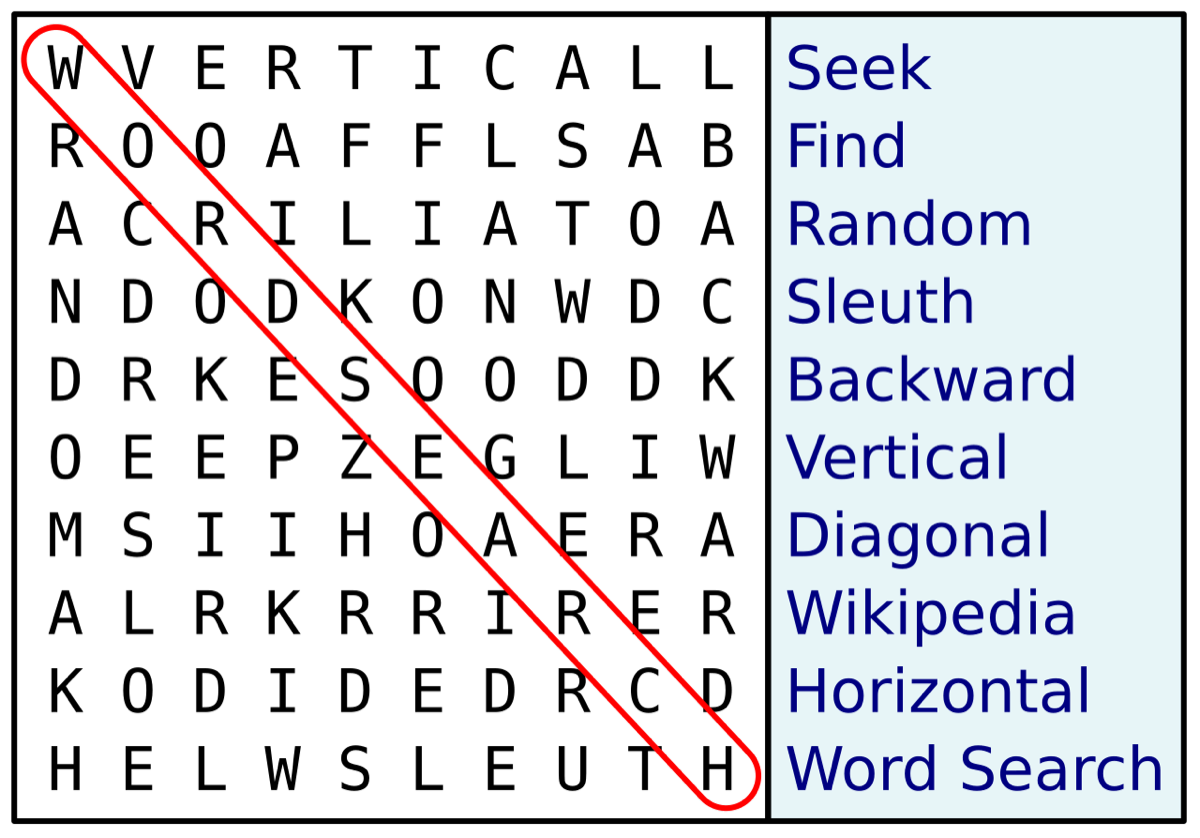
The themed word-search worksheet the teacher photocopied for Friday afternoons and holiday parties — a grid of letters hiding a list of words, hunted down with a highlighter. Fall leaves, Halloween, Thanksgiving: there was a seasonal one for everything.
The word search is younger than you'd think — and it's a classroom creation at heart. Norman E. Gibat published the first one in the Selenby Digest, a free advertising circular in Norman, Oklahoma, dated March 1, 1968. Local teachers asked for reprints to use with their students, and one teacher mailed copies to friends at schools around the country; that word-of-mouth spread is how the puzzle snowballed into newspaper syndication. (A few earlier claims exist, but the Gibat account is the standard one.)
The format never changed: a grid of letters with words hidden horizontally, vertically, diagonally, and often backwards, plus a word bank to check off as you found each one. In the pre-computer classroom it was the perfect low-effort, high-quiet activity — teachers ran off stacks of themed sheets on the ditto machine or copier for early finishers, indoor recess, holiday parties, and substitute days.
The seasonal versions were a genre unto themselves: Halloween sheets full of "cauldron" and "goblin," Thanksgiving grids of "cornucopia," worked over with a highlighter or circled in pencil. Simple, self-directed, and oddly satisfying, the word-search worksheet is one of those small textures of 90s school life that everyone remembers and no one was ever formally taught.
Similar items
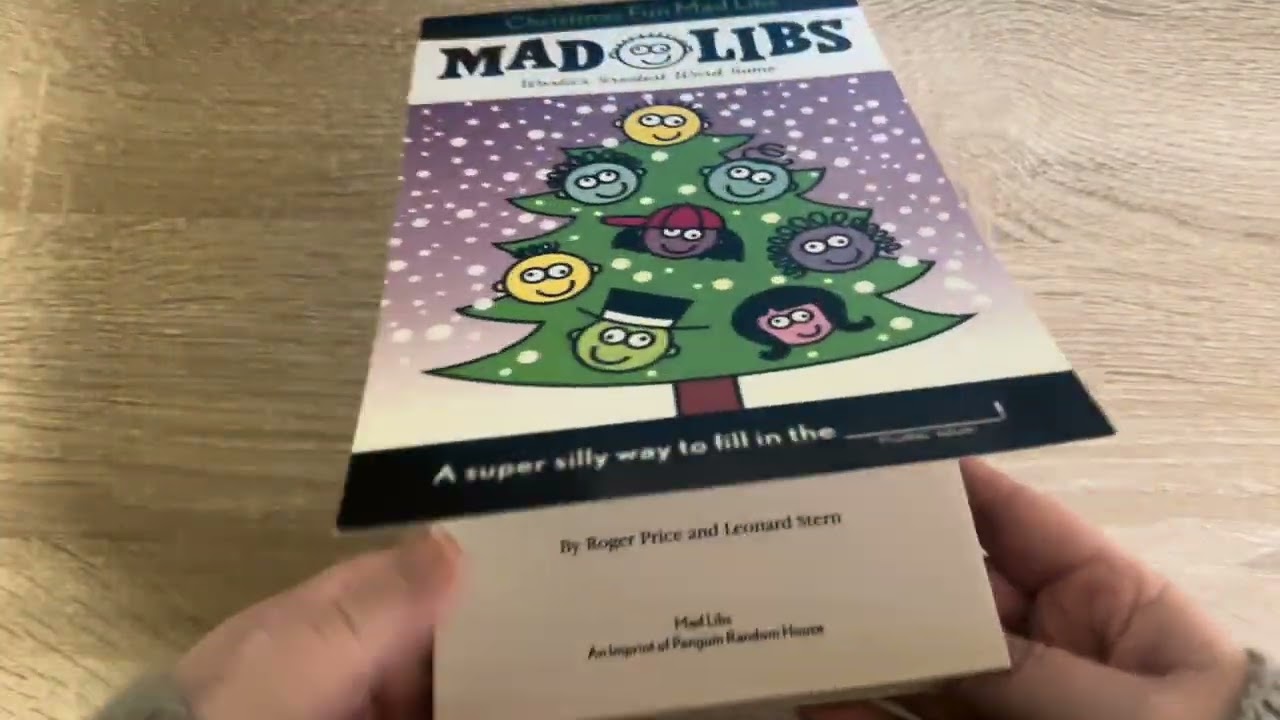
Mad Libs
The fill-in-the-blank word game in book form: someone asks for "a noun… a plural noun… an adjective," you shout out words with no idea of the story, and then they read back something gloriously absurd. A road-trip, sleepover, and rainy-day-classroom staple for generations.
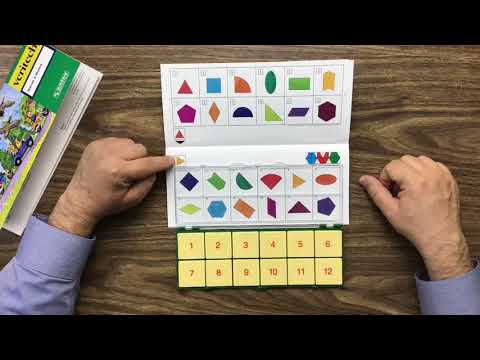
Mini Veritech
A self-checking tile puzzle: twelve numbered tiles in a clear plastic case, each with a fragment of a geometric pattern on the back. You worked through a workbook puzzle, placed each numbered tile on its answer, then flipped the case closed — if the pattern matched what was printed in the book, every answer was right. The game told you before the teacher could.

Caught Being Good
You held the door for the kindergartners, and suddenly a teacher was pressing a little ticket into your hand: CAUGHT BEING GOOD. Into the jar it went, and on Friday afternoon the whole class held its breath while a name got drawn for the prize box. School surveillance never felt so wonderful.

Covering Your Textbooks
The first week of school came with homework before you'd learned anything: take home the stack of hardcover textbooks the teacher just issued and cover every single one. You either cut open a brown paper grocery bag and folded it into a snug jacket, or slid on a stretchy fabric cover in a color you actually liked. Then you brought them back the next day for the teacher to check.