The Library Card & Pocket Checkout
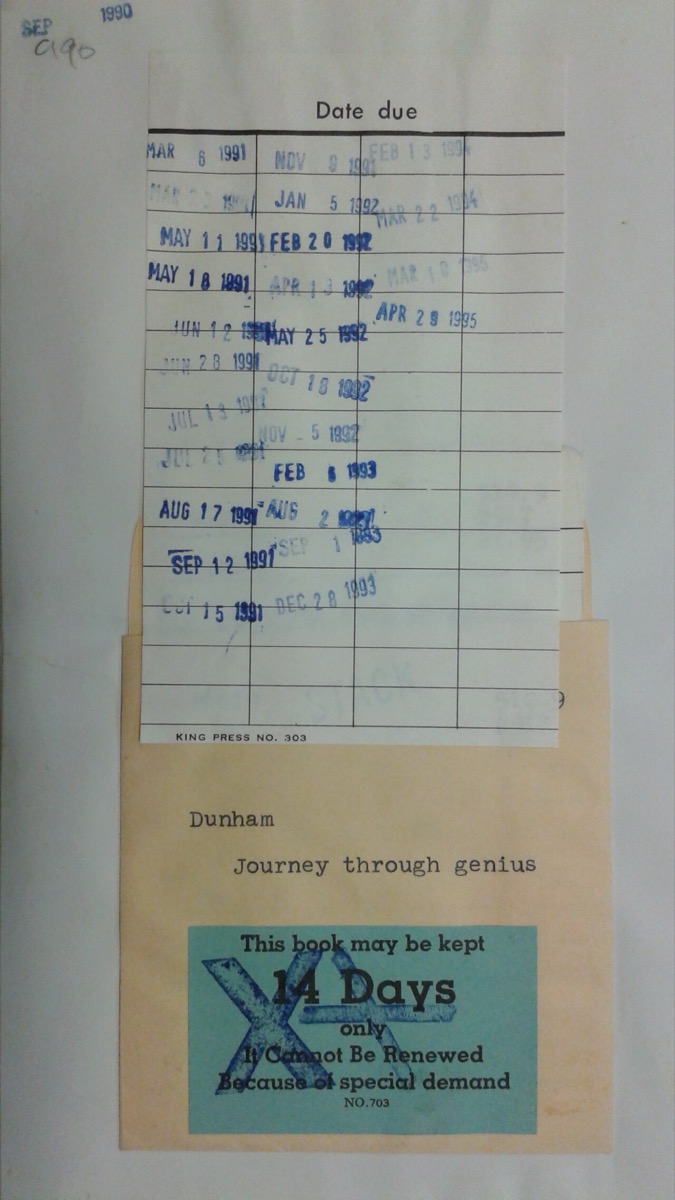
Photo credit: Photo: Nerd271, CC BY 4.0, via Wikimedia Commons
A manila pocket glued inside the back cover of library books, a lined card inside listing every name who'd borrowed the copy before you, stamped with due dates — a fossil record of readers going back years, and you signed in to add yourself to the ledger. Then came barcodes, and 90s kids were among the last to know this ritual.
The core design is usually credited to John Cotton Dana, director of the Newark Public Library, around 1900 — the "Newark charging system" that became the everyday standard in American libraries. Library supply houses industrialized the concept: the Library Bureau and competitors offered book cards in six colors (white, buff, blue, salmon, fawn, green) and pockets in every size, shipping them to libraries by the thousands. The ritual was simple and elegant: you signed your name on the lined card (title, author, and call number already filled in), and the librarian stamped the due date with a satisfying thunk — once on the card, once on the date slip pasted inside the book — then filed your card in a charging tray behind date guides, organized by due date. Each returned book's card went back into its pocket, ready for the next borrower.
What made it magical for a kid was that the card was a time capsule: every previous borrower's name in different handwriting, sometimes going back a decade or more. You scanned the list at the checkout desk for older siblings, legendary eighth-graders, anyone you knew — the card was proof that someone had held this exact book before you, and you were adding your name to the chain.
Through the 1980s and 1990s, computerized circulation systems and barcode scanners replaced the cards in most libraries. School libraries were among the last to hold out, so 90s kids were among the last generations to sign a checkout card. The pockets and cards survive today as ephemera — crafters and libraries sell them as nostalgia, and the act of signing your name into a book's history is pure memory now, a ritual most readers will never know.
Similar items

Eyewitness Books
Visual reference books from Dorling Kindersley that broke the mold of dense gray textbook type. Crisp object photography floating on white pages, labeled and captioned — you didn't read them front-to-back, you wandered them. Within eight years, 18 million copies had sold worldwide; they became the default grab for every school report.

Writing Your Name in the School Textbook
A grid stamped inside the front cover: ISSUED TO / YEAR USED / CONDITION. On the first day you wrote your name in the column alongside every kid who'd had your copy before — sometimes going back a decade. You scanned the list for older siblings, anyone you recognized, anyone famous. The condition column warned: New, Good, Fair, Poor — and you'd pay the difference.

Scholastic Book Fairs
The ritual: your school gym transforms overnight into a pop-up bookstore of rolling display cases, and you wander the aisles with a wish list and a budget. Scholastic Book Fairs dominated the 90s market, though what kids actually bought — glittery gel pens, novelty pencils, poster books — often had nothing to do with the Goosebumps stacks they wandered past.
Computer Lab
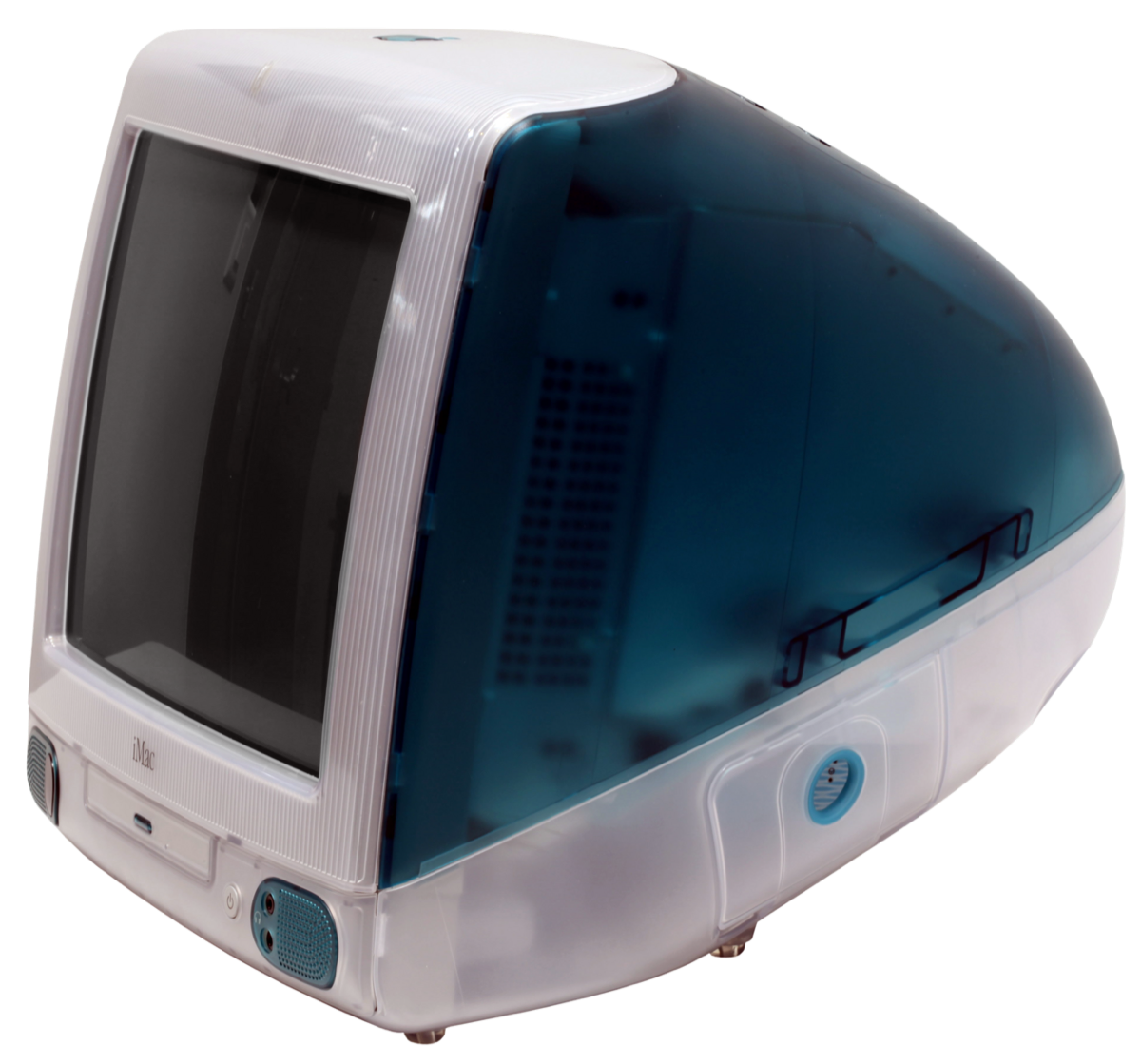
The weekly pilgrimage down the hall to the room full of beige Apple computers, where you'd slot in a floppy disk, wait, and take turns dying of dysentery on the Oregon Trail. "Computer Day" was equal parts educational software and the first place a lot of kids ever touched a keyboard.