Hand-Clapping Games

Two kids facing off, hands flying through a clapping pattern too fast to follow, chanting 'Miss Mary Mack, Mack, Mack' or 'Down down baby' until somebody fumbled and cracked up. Passed friend to friend on playgrounds, no equipment required — just a partner and a rhyme everybody somehow already knew.
Hand-clapping games are a folk tradition with deep roots in African American oral and playground culture, carried child to child rather than written down, so the words drift from place to place and no rhyme has a single author. The best-documented of them, 'Miss Mary Mack,' was recorded in the United States as far back as 1888 and has been called the most common hand-clapping game in the English-speaking world — 'all dressed in black, black, black, with silver buttons, buttons, buttons, all down her back, back, back.'
The repertoire ran deep. 'Down Down Baby' — with its 'shimmy shimmy cocoa pop' line that Nelly would later borrow for his 2000 hit 'Country Grammar' — and the fake-out rhyme 'Miss Susie,' built to dangle a rude word at the end of a line before swerving away, were playground standards. The words mattered less than the pattern: cross-claps, back-of-hand claps, and thigh slaps done in a blur, faster and faster until one partner lost the rhythm.
What kept these games alive for over a century is that they cost nothing and needed nobody's permission — just two kids and a spare minute in line or at recess. They're still clapped out on playgrounds today, the rhymes mutating with each new set of kids who learn them the only way anyone ever has: from the kid standing across from them.
Keep talking about it (Reddit)
Similar items

Chinese Jump Rope
A big loop of elastic stretched around two kids' ankles while a third hopped through a chanted in-and-out pattern — and every time she cleared it, the rope went up: ankles, then knees, then thighs, until nobody could reach. All you needed was three friends and a length of stretchy cord, or a chain of knotted rubber bands in a pinch.
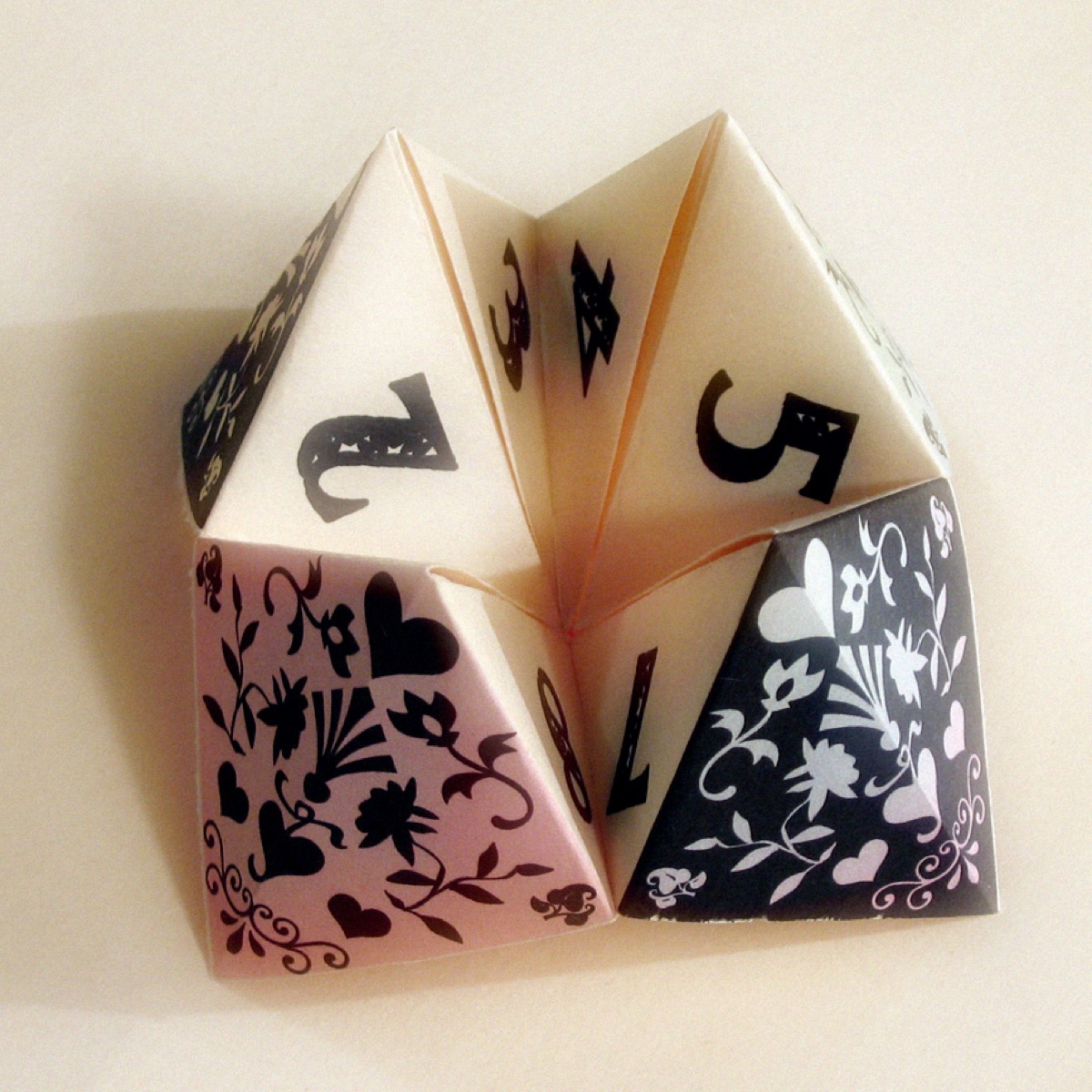
Paper Fortune Tellers
The folded-paper contraption you worked with your fingers to tell someone their future. Pick a color, pick a number, and under the last flap was your fate — who you'd marry, or something rude your friend had written. The classroom fortune-teller you could make out of a single square of notebook paper.
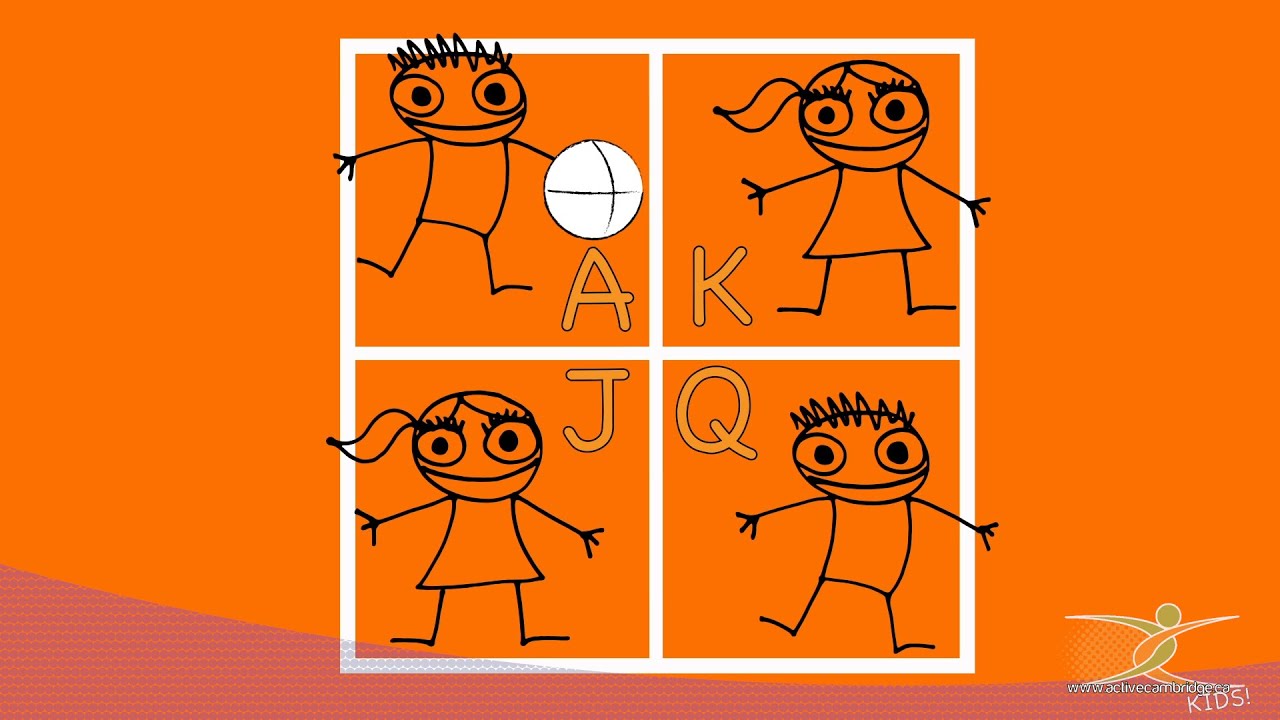
Four Square
The recess court painted in four big squares, ruled by whoever held the top square and whatever house rules they felt like declaring that day. Bounce the rubber ball into someone else's square, they had to hit it on before it bounced twice, and one blown return sent you to the back of the line while everybody moved up.
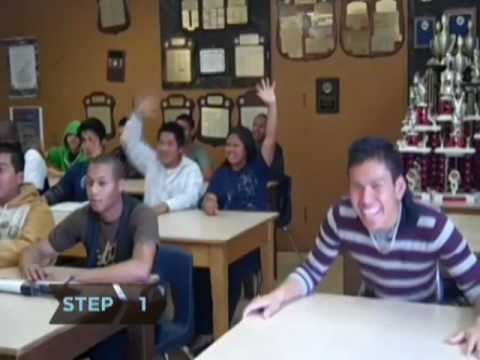
Heads Up, Seven Up
The rainy-day classroom game where seven kids crept up and down the aisles while everyone else put their heads down, eyes closed, one thumb up. Get your thumb pressed and you stood to guess who did it — a correct call and you took their place at the front. It was less a game than a way to survive an indoor recess.