Blowing Into Cartridges
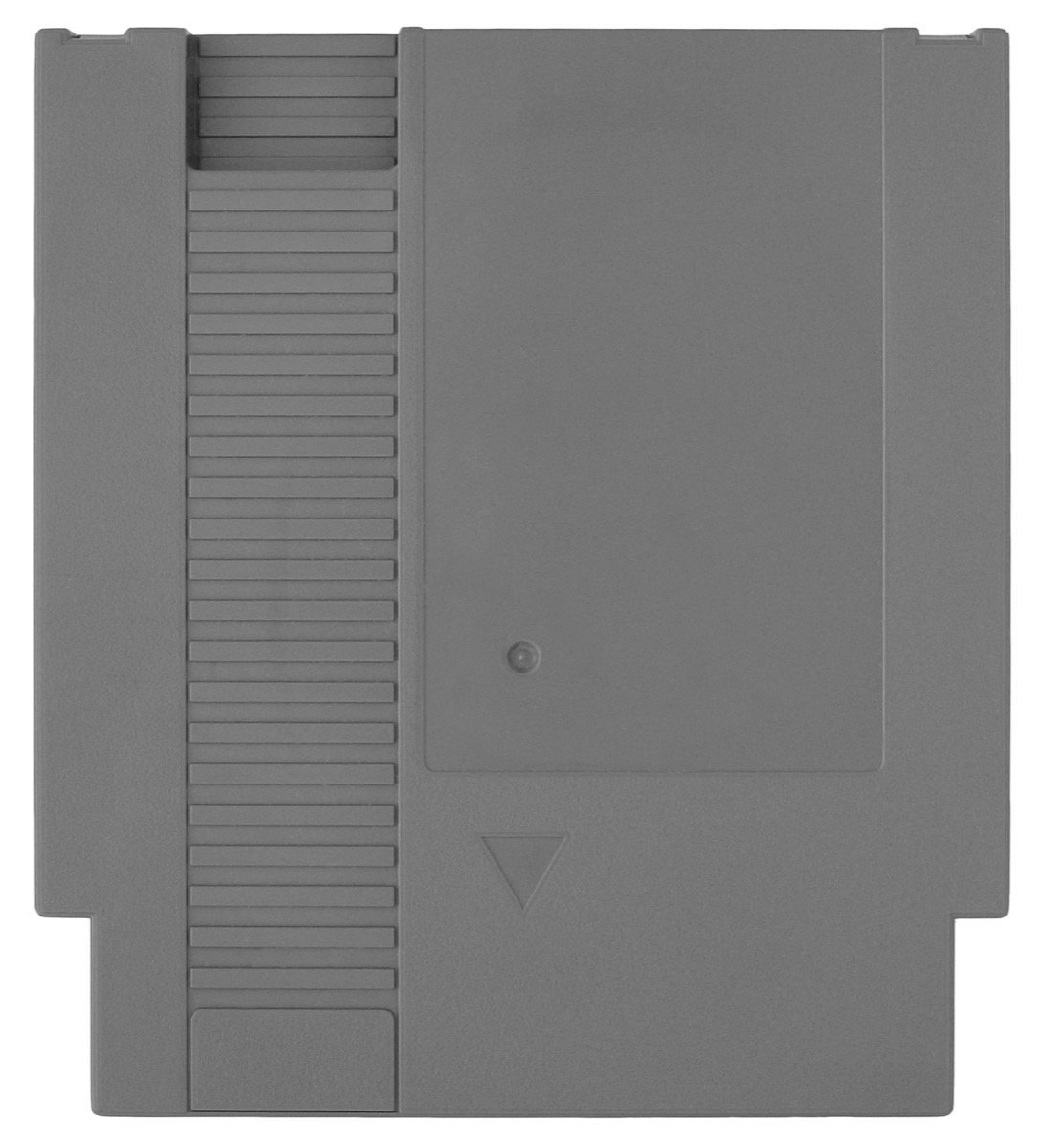
Photo credit: Photo: Evan-Amos, Public domain, via Wikimedia Commons
The universal remedy for a glitching NES, SNES, or N64 game: pull the cartridge, blow hard across the contacts, and pray. It never actually worked—the real fix was just reseating the cart—but the ritual of blowing was so universal that every gamer swore by it, confirmation bias at its finest.
The NES's zero-insertion-force cartridge slot was genius for usability but terrible for durability; dust accumulated on the metal contacts and caused the infamous flashing-screen death. Kids and adults alike discovered that blowing across the contacts before reinserting the cartridge seemed to fix the problem. In reality, the actual fix was simply reseating the cartridge and remaking the electrical connection—the moment the game flickered back to life, the human brain locked in a memory of blowing as the cure, creating an unshakeable confirmation bias that persisted through the SNES and N64 eras.
Nintendo officially knew better and warned against it ("Do not blow into your Game Paks"), even selling an official NES Cleaning Kit as an alternative. But blowing became folklore. Breath moisture could even corrode the pins over time, making the "cure" subtly harmful—and yet nobody stopped. It remains one of gaming's most stubborn and beloved urban legends.
Keep talking about it (Reddit)
Similar items

Super Nintendo (SNES)
Nintendo's 16-bit powerhouse that dominated the early 1990s and fought the Sega Genesis for console supremacy. Launched in North America at $199 in August 1991, it came packed with Super Mario World and helped define a generation of gaming with over 49 million units sold worldwide.

Nintendo 64
Nintendo's leap into three dimensions, the N64 brought 3D polygon gaming into living rooms with its quirky three-pronged controller and a cartridge library anchored by Super Mario 64 and The Legend of Zelda: Ocarina of Time. Its rumble pak added tactile feedback, while its four controller ports made it the console of couch multiplayer legends.

Sega Genesis
Sega's 16-bit home console arrived in 1989 and dominated the early 90s with its attitude, speed, and Sonic the Hedgehog. The Genesis ('Mega Drive' everywhere else) promised 'Blast Processing' and delivered games that felt faster and edgier than what Nintendo offered, winning hearts — and quarters — across a generation.

Power Glove
The NES controller you wore on your arm — futuristic on the commercial, nearly unplayable in the living room. It got the greatest product placement line in movie history: "I love the Power Glove. It's so bad." Somehow both a punchline and the coolest thing any kid had ever seen.