Scholastic Book Club Order Forms

The monthly newsprint order form that landed on your desk — a tabloid catalog of paperbacks you circled with a stubby pencil, then begged your parents to fund. Ordering meant handing your teacher the torn-off form and some crumpled bills; the payoff was delivery day, when a stack of new books arrived with your name on it.
Scholastic — founded in 1920 by Maurice R. "Robbie" Robinson — entered the book-club business in 1948 with the Teen Age Book Club, or "TAB," offering grade-7-and-up titles for a quarter apiece. Over the following decades it built out a tiered ladder of grade-targeted clubs, each with its own monthly flyer: See-Saw and Firefly for the youngest readers, Lucky for the elementary middle grades, Arrow for grades 4 through 6, and TAB for teens.
The ritual was the same in every classroom. Once a month the teacher handed out the newsprint flyers; kids pored over the grids of covers, circled their picks, and tore off the order form. Teachers collected everyone's forms and money and submitted a single combined order. The system ran on a teacher incentive — bonus points redeemable only for Scholastic books and supplies — so every classroom order fattened the class library and gave teachers a reason to keep the flyers coming.
Then came delivery day: the boxes arrived, the teacher called names, and a stack of glossy new paperbacks — a dollar or two each — landed on your desk still smelling of fresh ink. Distinct from the Scholastic Book Fair (the pop-up shop that rolled into the gym), the book club was the at-your-desk version, and it's still running today, more than 75 years on.
Similar items

Scholastic Book Fairs
The ritual: your school gym transforms overnight into a pop-up bookstore of rolling display cases, and you wander the aisles with a wish list and a budget. Scholastic Book Fairs dominated the 90s market, though what kids actually bought — glittery gel pens, novelty pencils, poster books — often had nothing to do with the Goosebumps stacks they wandered past.
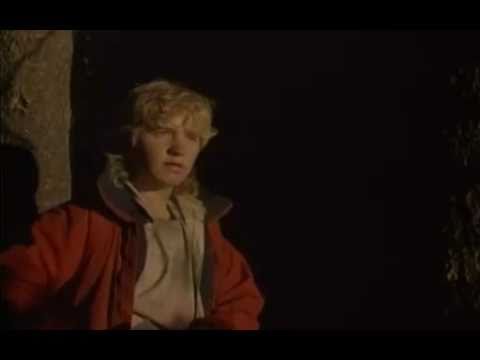
Hatchet
Gary Paulsen's 1987 survival novel about a thirteen-year-old crash-landed alone in the Canadian wilderness with nothing but a hatchet — the book that convinced a generation of middle schoolers they could survive in the woods if they just tried hard enough.

Horrible Harry
Harry loves horrible things — slime, snakes, gross schemes — and his loyal best friend Doug narrates the chaos from Miss Mackle's class in Room 2B. Suzy Kline's chapter books were Scholastic order-form gold, and if you remember it as Room 3B, you're not wrong: the class moves up to third grade in the later books.

Accelerated Reader Points
Finish the book, march to the library computer, pass the quiz, collect the points. Accelerated Reader turned a generation's independent reading into a full-blown economy — with leaderboards, prize walls, and kids doing cold calculations about whether a fat book was worth the point risk.