School Assignment Planners
The agenda book your school handed out on the first day — printed with your school's name, a homework grid for every class, and pages of rules and study tips. The Y2K editions came wrapped in a holographic cover that made an irresistible record-scratch sound when you dragged a fingernail across it.
For millions of North American kids, the school year began with the same ritual: a mass-produced daily planner, handed out (often mandatory) with your school's own name stamped on the cover and a grid inside to write down every class's homework. The dominant maker was Premier Agendas, which grew out of a Winnipeg print shop that launched its first school student agenda in 1983 after spotting a gap in the market; its whole innovation was cheap, school-customized planners produced at scale. By 1990 it was reaching around five million students a year, a figure that only climbed through the '90s and 2000s, with School Datebooks (founded 1985) as its main rival.
Inside, they were more than homework grids — they were padded out with study tips, motivational quotes, planner "etiquette," and the school's own rules. But the detail everyone remembers is the cover. The Millennium and Y2K-era editions came in a lenticular, holographic finish that shifted as you tilted it and, crucially, made a satisfying record-scratch sound when you dragged a fingernail across the ridges — a sound that got a lot of planners confiscated mid-class.
The two great rivals eventually became one: Premier Agendas and School Datebooks were folded together under SDI Innovations in 2020. The scratchy holographic cover, meanwhile, has become a recurring Y2K-nostalgia touchstone online — instantly recognizable to anyone who spent a class period dragging their nail across it instead of writing down the assignment.
Similar items
Computer Lab
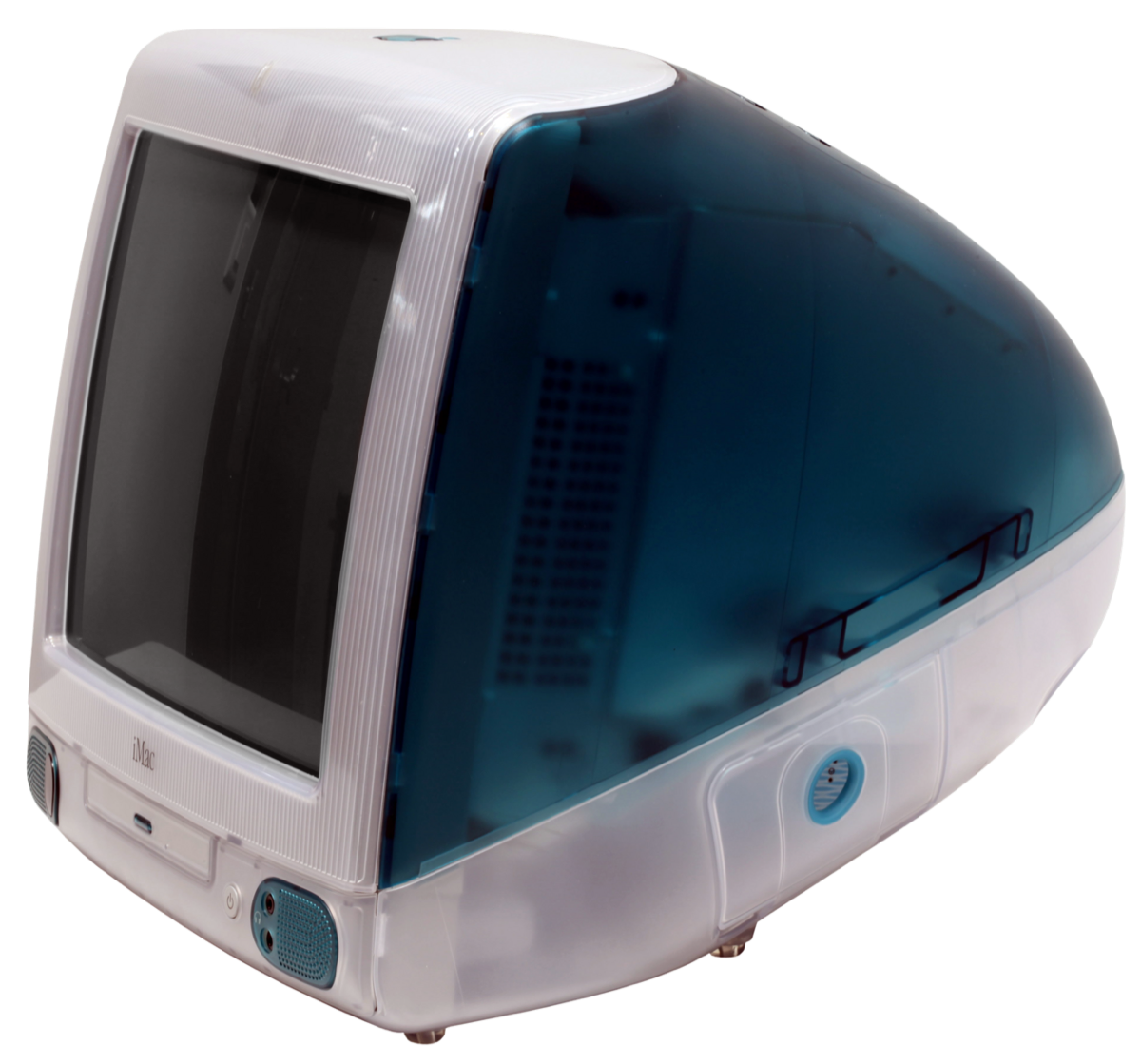
The weekly pilgrimage down the hall to the room full of beige Apple computers, where you'd slot in a floppy disk, wait, and take turns dying of dysentery on the Oregon Trail. "Computer Day" was equal parts educational software and the first place a lot of kids ever touched a keyboard.

Scholastic Book Club Order Forms
The monthly newsprint order form that landed on your desk — a tabloid catalog of paperbacks you circled with a stubby pencil, then begged your parents to fund. Ordering meant handing your teacher the torn-off form and some crumpled bills; the payoff was delivery day, when a stack of new books arrived with your name on it.
Writing Your Name in the School Textbook
A grid stamped inside the front cover: ISSUED TO / YEAR USED / CONDITION. On the first day you wrote your name in the column alongside every kid who'd had your copy before — sometimes going back a decade. You scanned the list for older siblings, anyone you recognized, anyone famous. The condition column warned: New, Good, Fair, Poor — and you'd pay the difference.
Word Search Puzzle Sheets
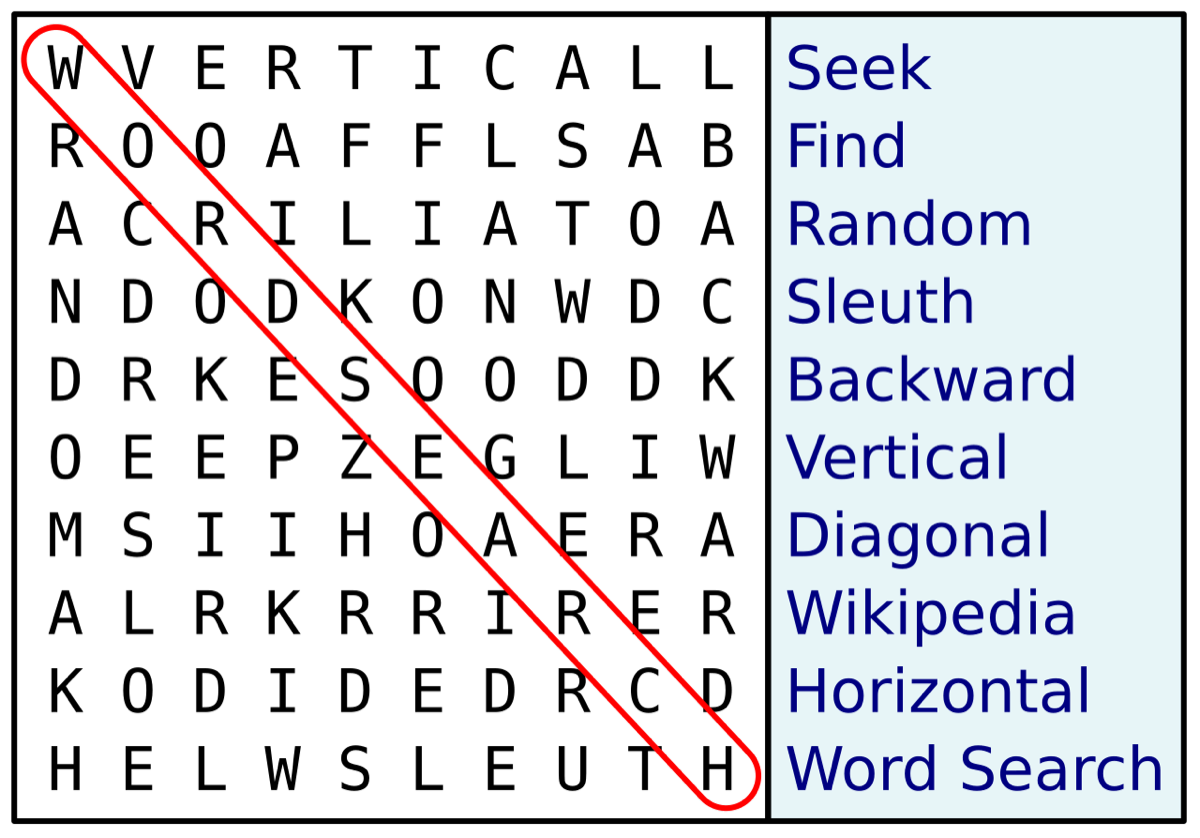
The themed word-search worksheet the teacher photocopied for Friday afternoons and holiday parties — a grid of letters hiding a list of words, hunted down with a highlighter. Fall leaves, Halloween, Thanksgiving: there was a seasonal one for everything.