Yikes! Pencils

Pencils that didn't look like wood. Created by Ken Cooper at Empire Berol, Yikes! Pencils hit back-to-school 1993 in neon colors, wild patterns, and clashing dyes that made your standard wooden No. 2 look boring by comparison. They were a lunchbox status symbol and the kind of thing you'd trade or lose and actually care about.
Ken Cooper, head of new product development at Empire Berol USA, envisioned pencils that broke the wood-and-graphite mold. Yikes! Pencils rolled out in the early '90s — all over back-to-school displays by 1993 — with neon hues, clashing patterns, and bright, oddball erasers, the barrels made from a compressed material that let the colors run straight through instead of pretending to be wood. The line extended to sharpeners, folders, and other supplies—Yikes! gear that signaled your taste and your cool-factor to peers. Unlike standard yellow pencils, these were *visible*, *different*, and *collectible*.
For a few glorious years, a Yikes! pencil in your hand during class meant something. Kids traded them, bought them at school book fairs, and displayed them in their pencil boxes like trophies. The end came from a boardroom, not the playground: after Berol was absorbed by Newell, the oddball line didn't fit the new parent's direction and was discontinued before the decade was out. But the mid-90s belonged to anyone with a neon pencil and the confidence to use it.
Similar items
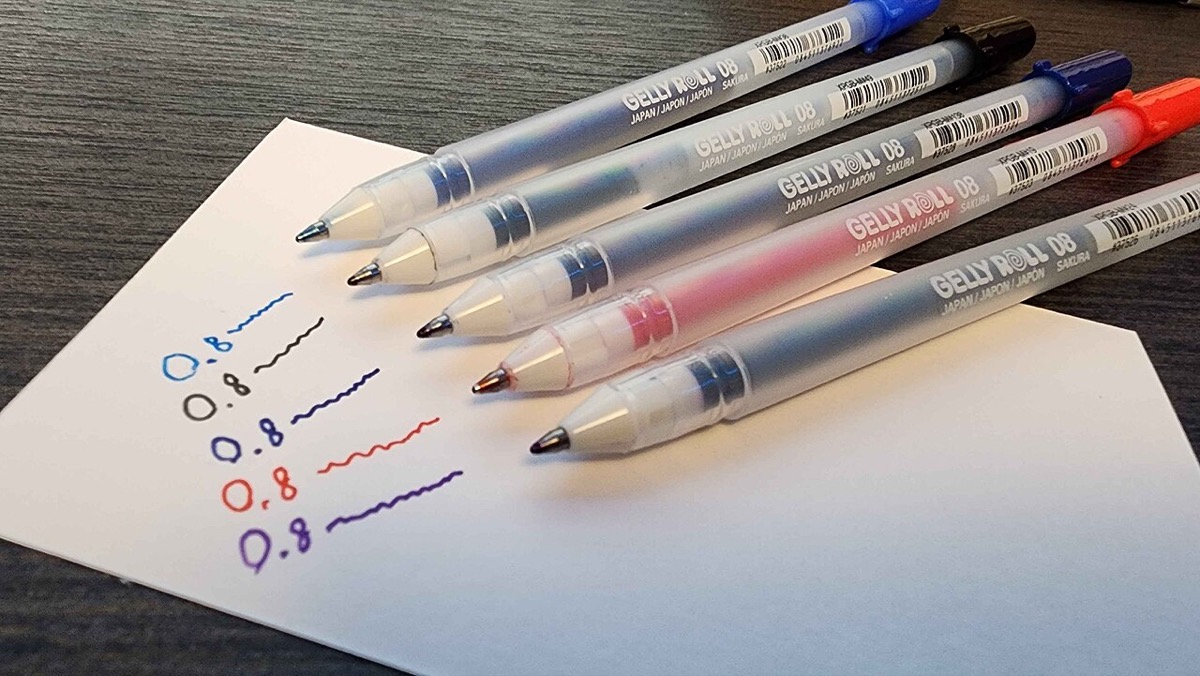
Gel Pens
The 1990s school-supply craze: smooth-writing gel-ink pens in glittery, metallic, pastel, and neon colors (the opaque pastels known as "milky pens") that showed up vividly even on black paper. Kids hoarded huge collections, traded colors with friends, and covered notebooks and each other's arms in shimmery ink—a quintessential 90s classroom status symbol.

Lisa Frank
Neon-rainbow folders, stickers, and binders plastered with dolphins, unicorns, and technicolor leopards—the aesthetic that defined every 90s classroom. Lisa Frank's maximalist explosion of color became a status symbol and a collecting obsession that grossed over $60 million a year at its peak.
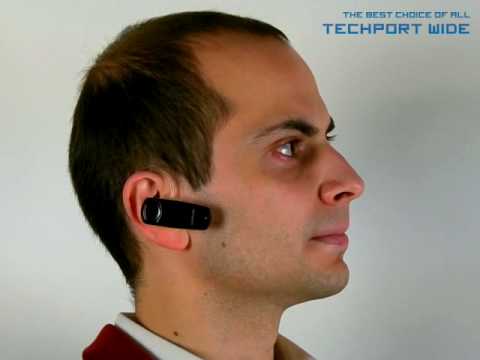
Bluetooth Headset Guy
The blinking blue earpiece, worn everywhere, forever. Mid-2000s America's most confident man: standing in the cereal aisle, gesturing, talking loudly to absolutely no one you could see.
![Video thumbnail — BIC Wite Out Brand EZ Correct Correction Tape Review - How Effective Is It? [2025]](https://i.ytimg.com/vi/INkGHfRlygU/maxresdefault.jpg)
Correction Tape
Click it, drag it, write over it instantly — correction tape solved the eternal problem of waiting for liquid white-out to dry. It became the default fix in 90s classrooms, the superior move of anyone who had tried both.