Scantron
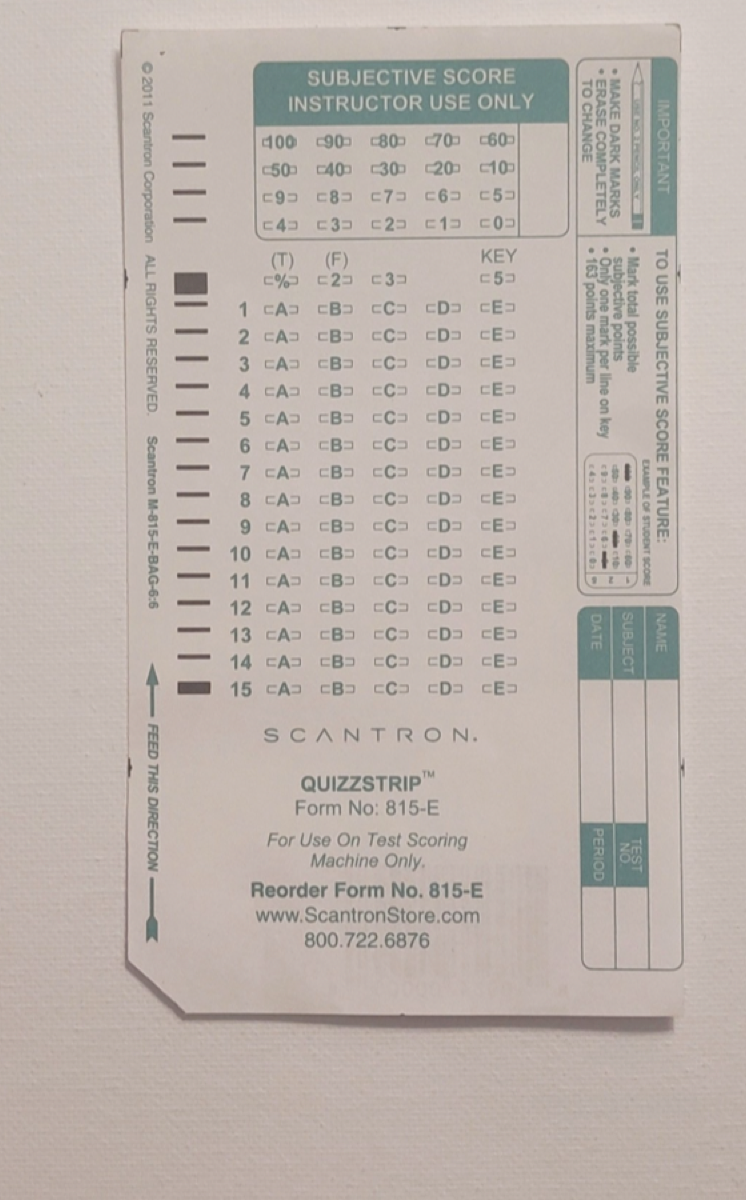
Photo credit: Photo: Lexilovescaffeine, CC0, via Wikimedia Commons
The green (or blue, depending on your school) bubble sheet that turned testing into a ritual of dread. The Scantron form—with its perfectly aligned bubbles and #2-pencil-only mandate—wasn't just a testing tool; it was a rite of passage, complete with the terror of erasure shadows and red hash marks on the returned sheet.
Machine-scored tests existed before Scantron — IBM built test-scoring machines as far back as the 1930s — but when Scantron Corporation arrived in 1972, it put compact, affordable optical-mark-recognition scanners in ordinary schools, and its standardized forms came to define American testing for decades. The iconic form most kids remember is the 882-E, with 100 questions in a five-choice A–E format, though blue variants also existed depending on your school district—and yes, many people genuinely remember theirs as blue. The ritual was unmistakable: receive the form, don't bend it, find your #2 pencil (it had to be a #2 — so the rule went, anyway), fill each bubble completely, erase any stray marks completely, or face a red hash mark that made your whole answer invalid.
The Scantron bubble became shorthand for anxiety, conformity, and standardized testing itself. Folklore suggested that C was the "safe" guess if you weren't sure, though no evidence supported it. The returned sheets with their red machine-printed marks were how you learned whether you'd studied hard enough or if you'd filled in something wrong by accident. For generations of students, the Scantron sheet *was* the test—more real than the questions themselves.
Similar items
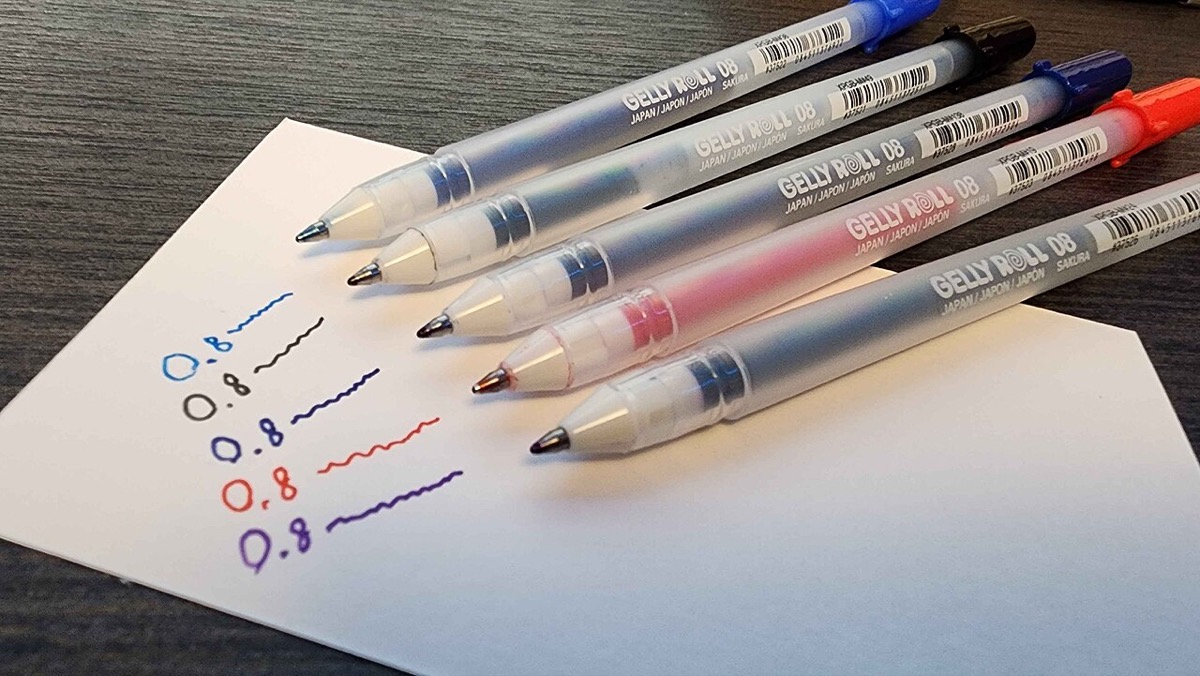
Gel Pens
The 1990s school-supply craze: smooth-writing gel-ink pens in glittery, metallic, pastel, and neon colors (the opaque pastels known as "milky pens") that showed up vividly even on black paper. Kids hoarded huge collections, traded colors with friends, and covered notebooks and each other's arms in shimmery ink—a quintessential 90s classroom status symbol.

Writing Your Name in the School Textbook
A grid stamped inside the front cover: ISSUED TO / YEAR USED / CONDITION. On the first day you wrote your name in the column alongside every kid who'd had your copy before — sometimes going back a decade. You scanned the list for older siblings, anyone you recognized, anyone famous. The condition column warned: New, Good, Fair, Poor — and you'd pay the difference.
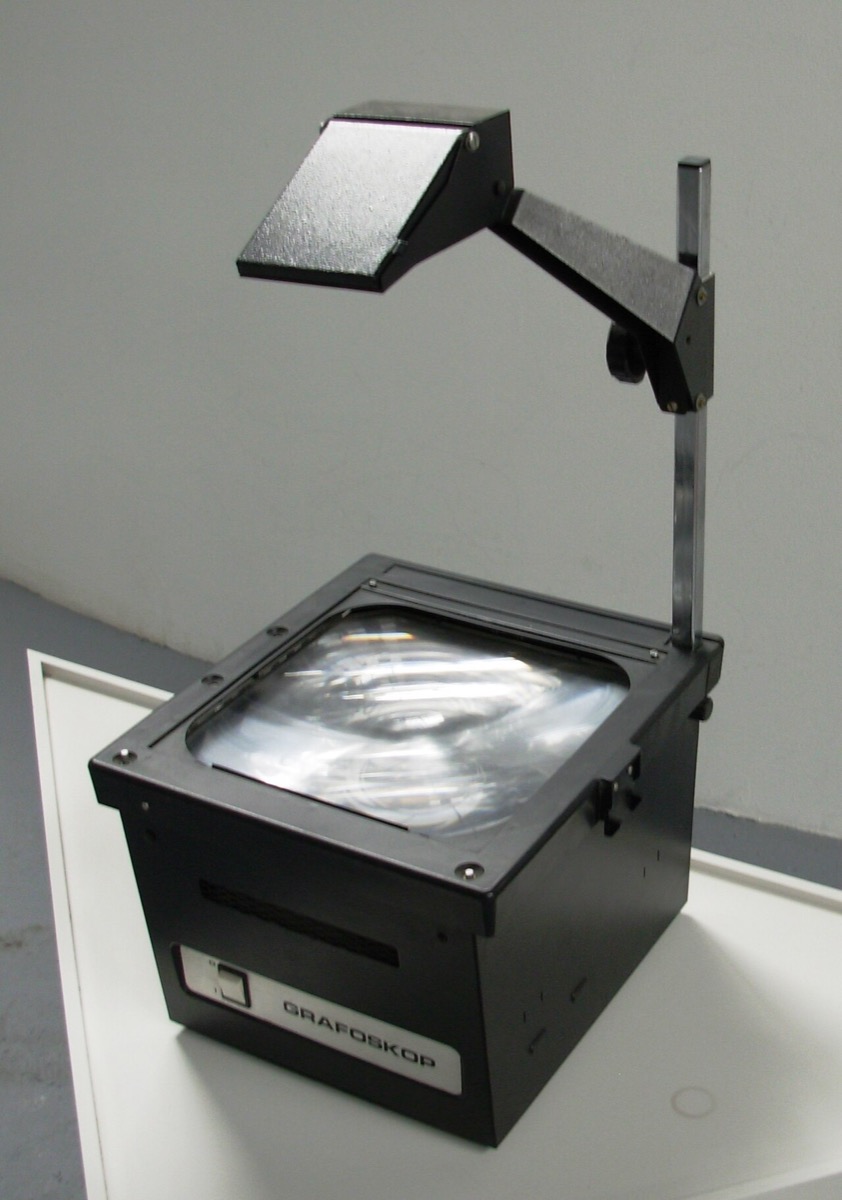
Overhead Projectors
A humming box with a giant mirror arm that threw your teacher's handwriting onto the wall — and, if you were lucky, you were the kid chosen to lay down the next transparency. Overhead projectors ran classrooms for half a century before fading quietly in the 2000s.

Caught Being Good
You held the door for the kindergartners, and suddenly a teacher was pressing a little ticket into your hand: CAUGHT BEING GOOD. Into the jar it went, and on Friday afternoon the whole class held its breath while a name got drawn for the prize box. School surveillance never felt so wonderful.