Paper Fortune Tellers
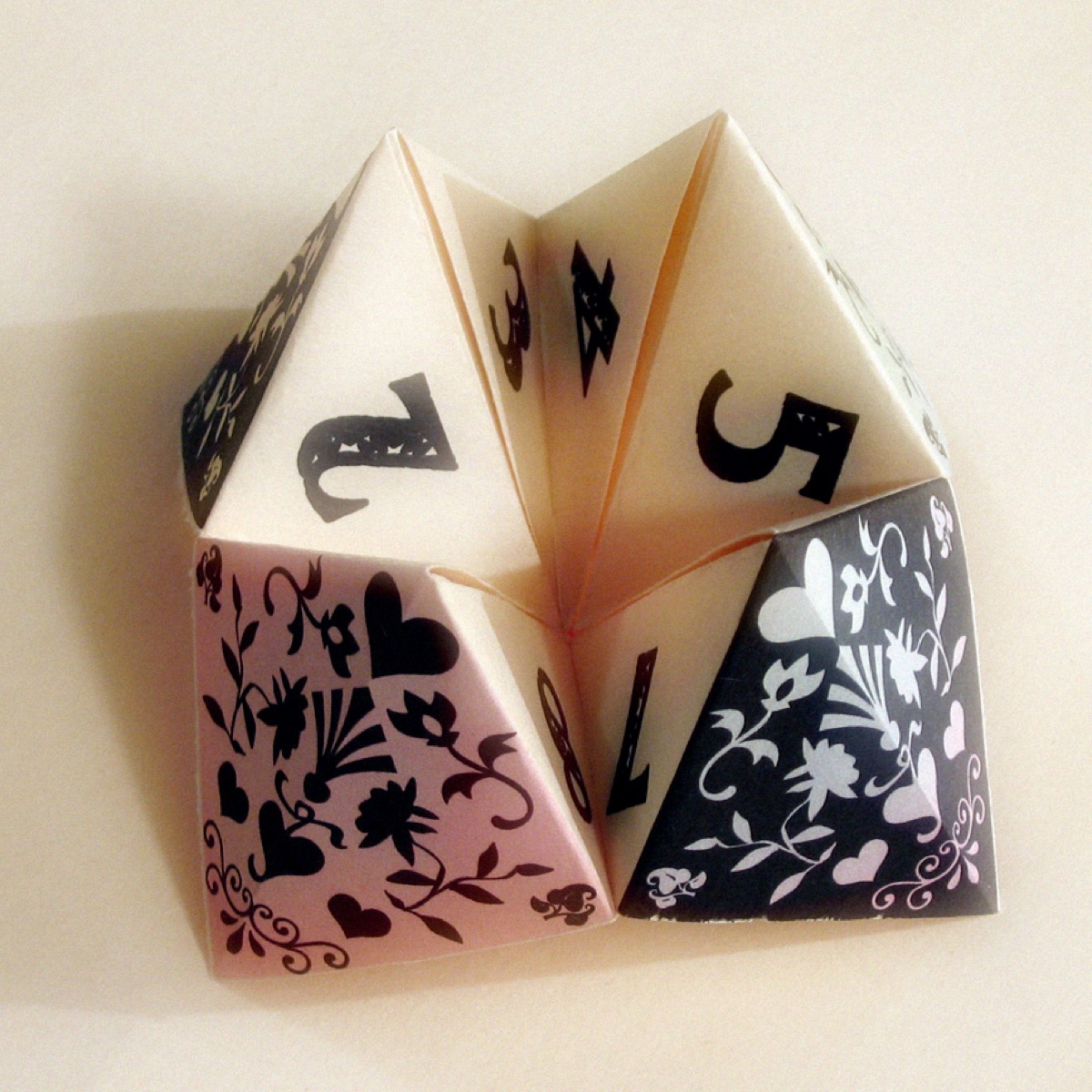
Photo credit: Public domain, via Wikimedia Commons
The folded-paper contraption you worked with your fingers to tell someone their future. Pick a color, pick a number, and under the last flap was your fate — who you'd marry, or something rude your friend had written. The classroom fortune-teller you could make out of a single square of notebook paper.
The paper fortune teller is a piece of folk origami far older than the kids who folded them in '90s classrooms. Under various names it shows up in European and American publications going back well over a century — as a 'salt cellar' in the 1880s and 1890s, and in a German children's book as early as 1876. The origami historian Koshiro Hatori has argued its roots are European rather than Japanese, which fits its long, scattered paper trail across the West.
The name is the giveaway of where and when it landed. Americans have called it a 'cootie catcher' since at least the 1960s; in England it's a 'fortune teller,' and older sources call it a 'salt cellar' or 'chatterbox.' Whatever you called it, the fold was the same: a square of paper collapsed into four finger pockets, its inner flaps labeled with colors, numbers, and messages. You worked it open and shut while a friend picked a color — you spelled it out, opening and closing the pockets one move per letter — then a number, counting the same way, until they chose a final flap and you lifted it to read what was written underneath.
What made it perfect for school was that it cost nothing and required no adult, no board, and no batteries — just one sheet of notebook paper and thirty seconds of folding. The messages ranged from earnest playground fortune-telling (which classmate you'd marry, how many kids you'd have) to whatever insult or dare the maker had scribbled inside. It's one of those childhood objects that never really launched and never really ended; it just gets passed hand to hand, folded fresh every generation, and the '90s classroom was simply one more place it thrived.
Keep talking about it (Reddit)
Similar items

MASH
The pencil-and-paper fortune game that predicted your whole adult life in a few minutes: who you'd marry, what car you'd drive, how many kids you'd have, and — the joke of the whole thing — whether you'd end up in a Mansion, an Apartment, a Shack, or a House.
Mad Libs
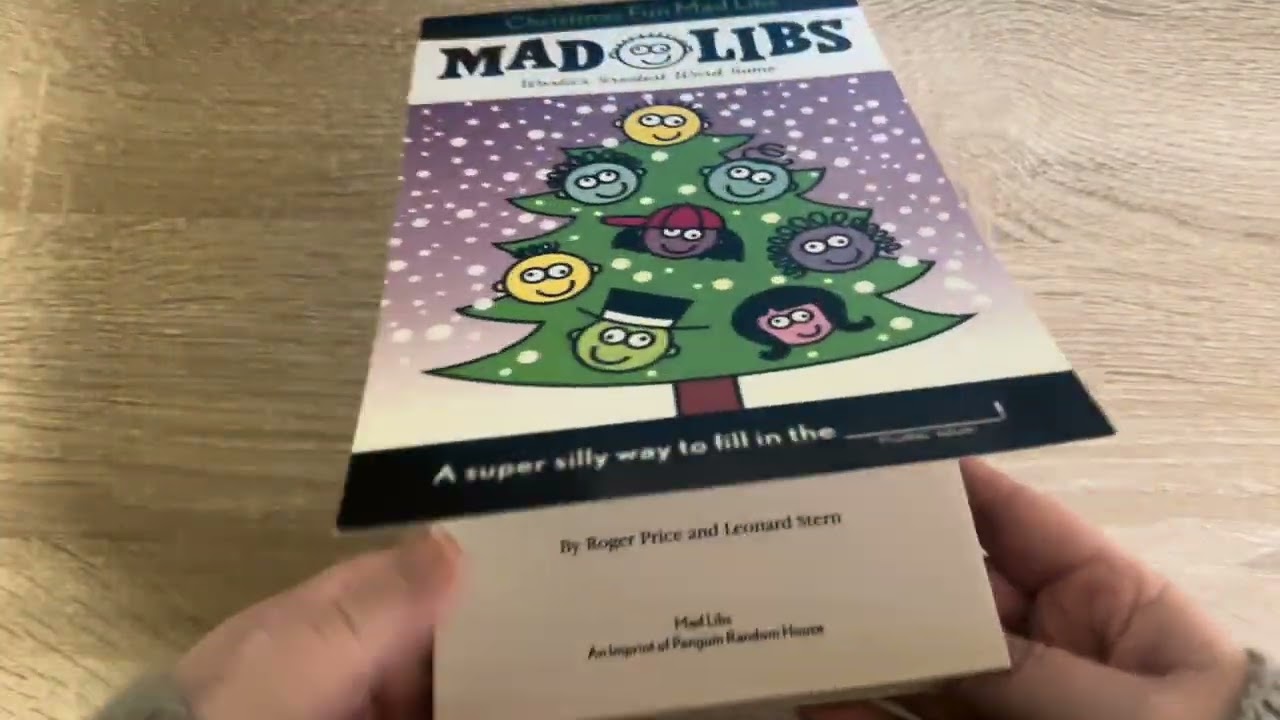
The fill-in-the-blank word game in book form: someone asks for "a noun… a plural noun… an adjective," you shout out words with no idea of the story, and then they read back something gloriously absurd. A road-trip, sleepover, and rainy-day-classroom staple for generations.

Note Folding
The lost art of turning a torn sheet of notebook paper into a tightly folded packet — a triangle you could flick across the room, or a rectangle finished with a tucked corner someone had to pick loose — and passing it hand to hand when you couldn't just say it out loud. In a '90s classroom, a folded note was how a secret got three rows over.

Hand-Clapping Games
Two kids facing off, hands flying through a clapping pattern too fast to follow, chanting 'Miss Mary Mack, Mack, Mack' or 'Down down baby' until somebody fumbled and cracked up. Passed friend to friend on playgrounds, no equipment required — just a partner and a rhyme everybody somehow already knew.