The Halloween Candy Haul
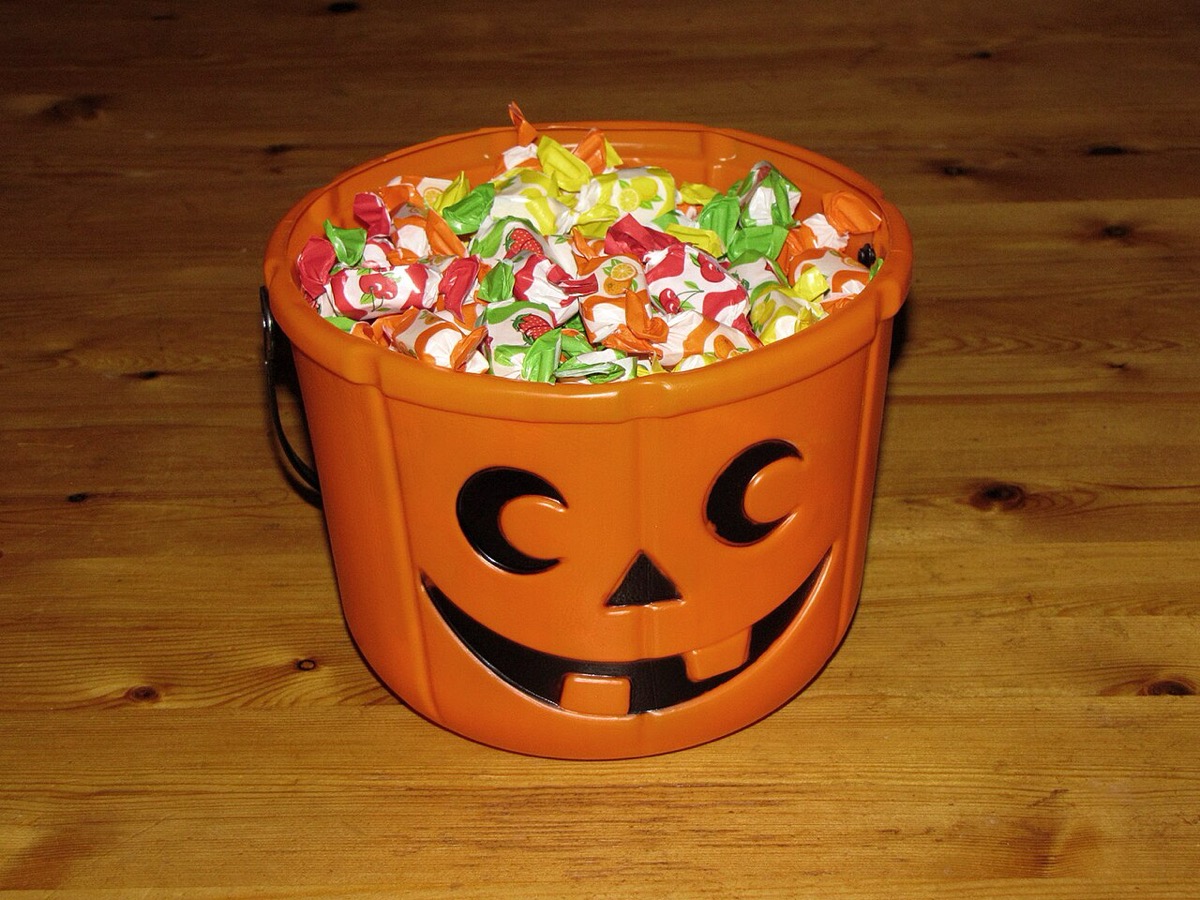
Photo credit: Photo: Petey21, CC0, via Wikimedia Commons
The real event started after trick-or-treating: dumping the pillowcase onto the living-room floor and sorting the haul into a personal taxonomy — chocolate aristocracy, fruity middle class, the circus-peanut underclass. Then came the trading floor: sibling negotiations with exchange rates everyone understood (one full-size anything was worth a fistful of anything else). And the parental 'safety inspection' tax: unwrapped candy confiscated, suspicious pinholes examined, a few 'tested' Snickers never seen again.
The Halloween haul wasn't really about the candy — it was about the economics. Once the pillowcase hit the carpet, a whole shadow market opened up: siblings trading, comparing, negotiating the relative value of a full-size Snickers versus a handful of Starburst. Exchange rates were brutal but understood by everyone. Full-size bars — rare, precious, from the houses of neighborhood legend — commanded entire fistfuls of anything else. The ritual of the sort itself was as important as the eating; it was sovereignty over your own small pile of treasure.
Then came the inspection. Parents lined up the haul and confiscated anything unwrapped, anything with a suspicious pinhole, anything that 'didn't look right.' Some of the 'tested' candy never made it back — a parental luxury tax that was simply understood as the cost of childhood. This inspection ritual had an origin story that seemed reasonable: stranger danger, Halloween razor blades, poisoned candy. The fear was real and widespread.
But sociologist Joel Best of the University of Delaware examined every newspaper-reported case of stranger-tampering from 1958 onward and found something startling: fewer than 90 alleged instances in a quarter-century of records, and most were hoaxes or family fabrications. There was no confirmed case of a child killed by a stranger's tampered trick-or-treat candy — ever. Yet the panic peaked after the 1982 Tylenol poisonings, and by 1985, a poll found that 60% of American parents feared Halloween-candy sabotage. By the late 80s and early 90s, hospitals were offering to X-ray kids' candy for suspicious objects. One 1988 study in Veterinary and Human Toxicology tallied 394 candy X-rays at just three hospitals — finding absolutely nothing, with national screening costs estimated at up to $1.4 million a year, all for a threat no investigation could ever confirm.
None of it killed the joy. The 1990s were a golden age of unsupervised door-to-door candy economics, and the post-haul floor sort remains one of the most universally shared memories of 90s childhood — fear of phantoms and all.
Keep talking about it (Reddit)
Similar items
Halloween Classroom Decorations
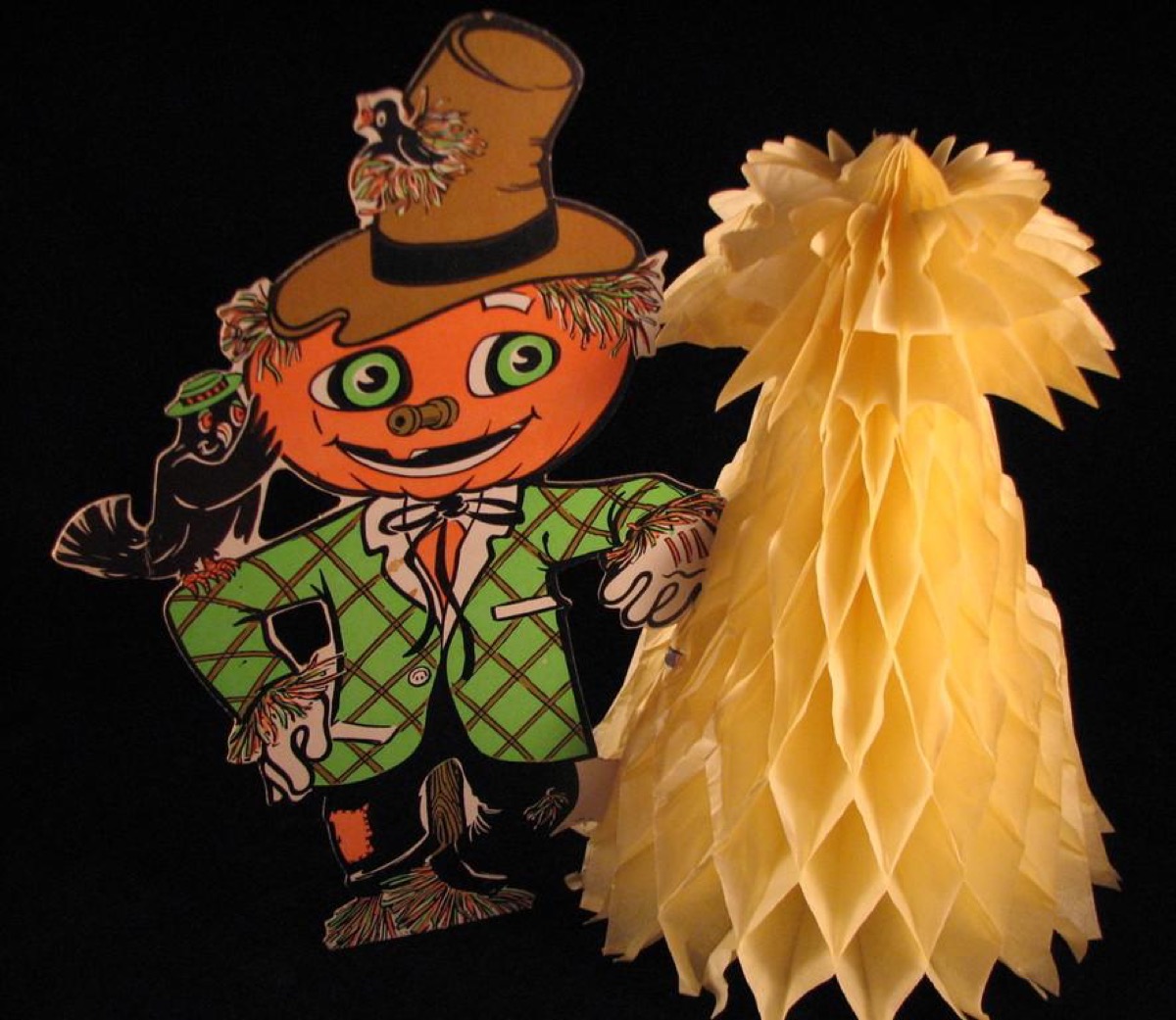
Every October, elementary-school teachers transformed their rooms — construction-paper pumpkins taped to the windows, black paper bats on the walls, stretchy fake cobweb in the corners, and the jointed cardboard skeleton grinning by the door. It was the classroom's yearly costume.
Hocus Pocus
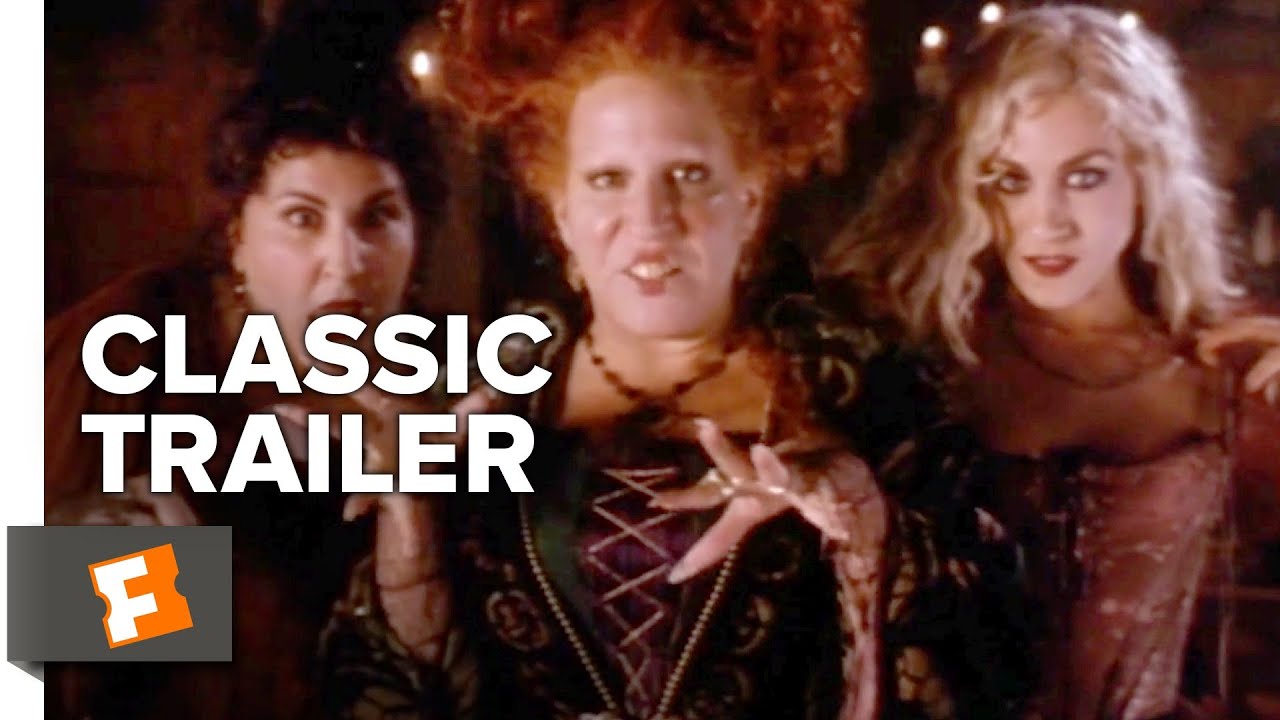
The Sanderson sisters — Bette Midler, Sarah Jessica Parker, and Kathy Najimy — resurrected in Salem on Halloween night, chasing children and belting "I Put a Spell on You." A box-office flop in 1993 that became the ultimate Halloween rewatch tradition.
Candy Cigarettes
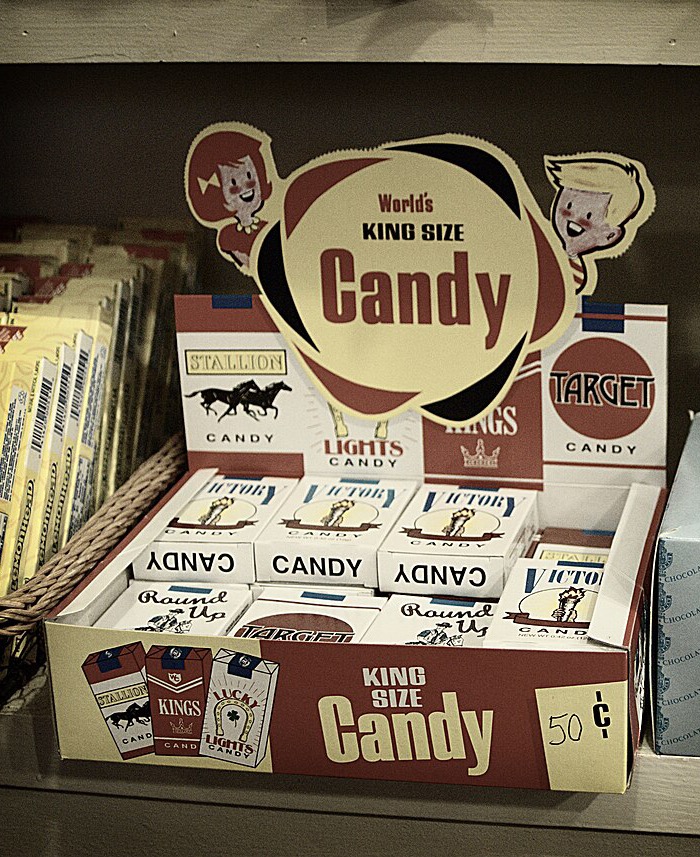
Chalky sugar sticks with a painted red tip, sold in cigarette-style packs straight to kids at the corner store — plus bubble-gum versions whose paper wrappers let you puff out powdered-sugar "smoke." The most "you had to be there" candy of the entire era.
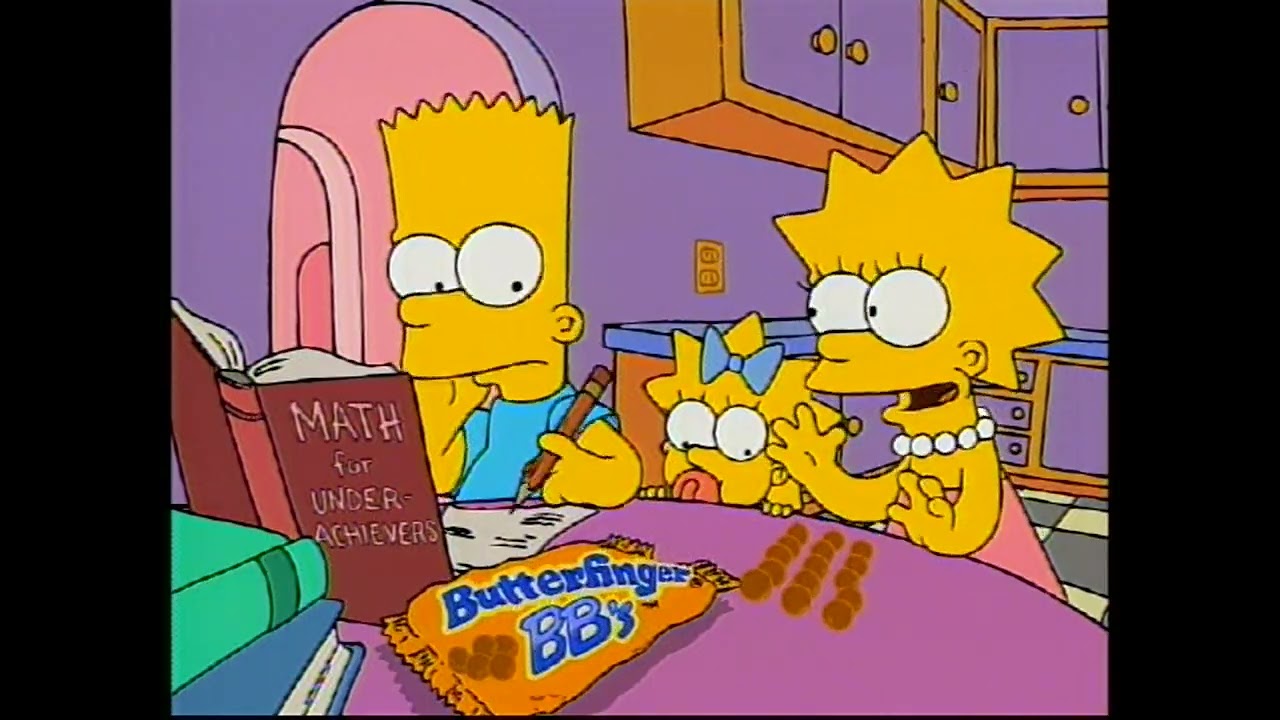
Butterfinger BB's
Marble-sized spheres of Butterfinger — crispy peanut-butter core wrapped in chocolate — sold in resealable pouches and at movie-theater counters. The Simpsons were the face: Homer eternally scheming to get at Bart's stash, Bart warning that nobody better lay a finger on his Butterfinger. Launched in 1992, discontinued in 2006 with no explanation — and fans never stopped asking for a comeback.