Bedside Alarm Clocks

The glowing red digits on the nightstand, the snooze bar slapped in the dark, the 12:00 blink after every power outage — a device so mundane you didn't think of it as technology until it vanished from every bedroom at once. The smartphone didn't just beat the bedside alarm clock; it quietly deleted the whole category.
People have been building machines to wake themselves for centuries — Levi Hutchins built the first American alarm clock in Concord, New Hampshire, in 1787, and French inventor Antoine Redier patented the first adjustable mechanical alarm clock in 1847. But the bedside ritual most people remember took shape in the 1950s, when Telechron became one of the first companies to offer what came to be called the snooze alarm: a button that bought you a few more minutes. The nine-minute snooze that became standard is usually traced to mid-century clockwork gearing that couldn't quite manage ten.
The clock radio married two morning rituals — you woke to a DJ or a song instead of a bell — and when digital displays spread in the 1970s, the glowing red digits on a dark nightstand became the image everyone remembers, along with the 12:00 blink that followed every power outage.
The ritual itself was intimate and entirely automatic. Setting the alarm was the last act of the day; the numbers were the first thing you saw the next morning. You reached for the snooze bar in the dark without looking, muscle memory finding it on the first slap. Nine more minutes. It happened every weekday for decades, so ordinary it was invisible — the alarm clock wasn't technology, it was furniture.
Then the smartphone arrived — the iPhone in 2007, everything else right after — and the phone was already on the nightstand anyway. Why keep a separate device that did one thing? Bedside clocks slipped from default to optional to curiosity, and the glowing digits faded out of the bedroom. It was the rare extinction nobody protested, or even really noticed until it was done.
Keep talking about it (Reddit)
Similar items
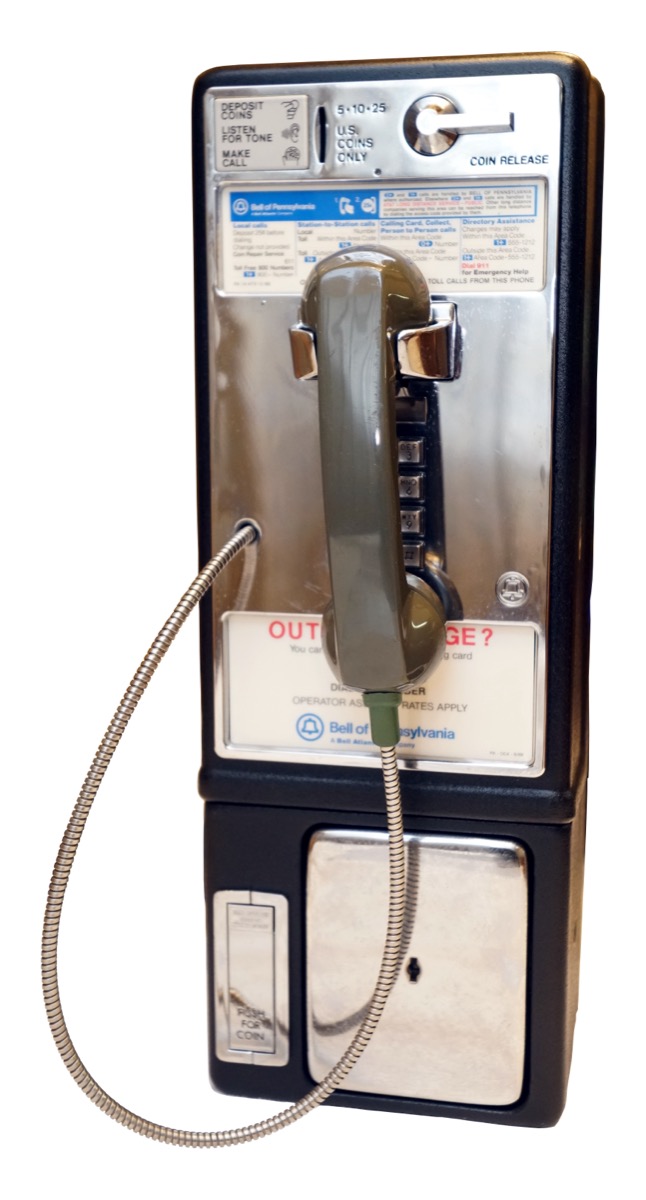
Pay Phones
Coin-operated public telephones on street corners, in malls, and outside every gas station — the fallback when you needed to call home or were out of pocket change. At their 1990s peak, the US had over 2 million payphones; by the 2010s, they'd nearly vanished.

BlackBerry
The thumb-typed email machine that owned the boardroom, then the teen universe — the hottest phone in America right up until the iPhone ate it. Push email, the blinking red light, BBM: BlackBerry was so addictive that Webster's New World made "CrackBerry" its 2006 Word of the Year.

Sharper Image
The mall store where you'd test-nap in a $400 massage chair while pretending to shop. Sharper Image was a playground of high-end gadgets, gizmos, and dubious contraptions—air purifiers, personal robots, noise machines, and the infamous Ionic Breeze, which looked futuristic but barely worked.

AIM & MSN Messenger
The after-school ritual: logging on to a dial-up modem, scanning your buddy list, typing AIM away messages packed with song lyrics and veiled drama, and knowing your 12-year-old screen name would haunt you forever. AIM and MSN Messenger were the social nervous system of the '90s and 2000s — instant, informal, and utterly addictive.