Spencer Gifts
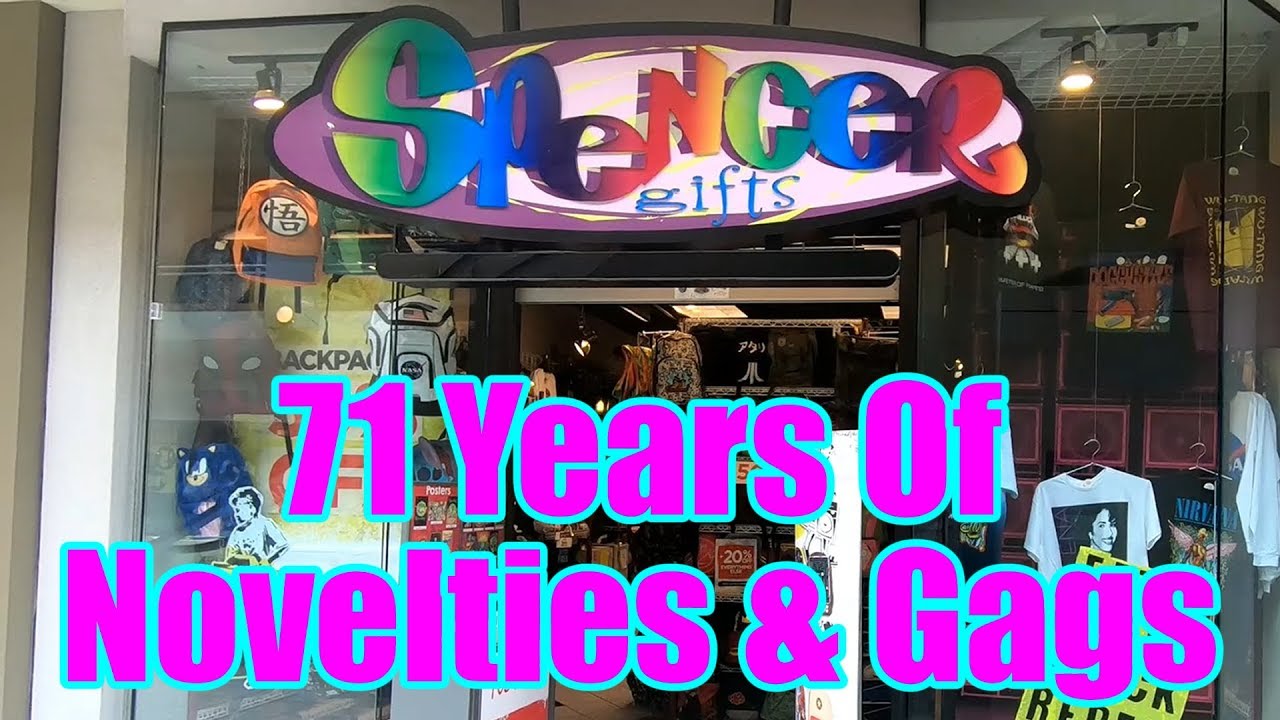
The dark, loud, faintly disreputable novelty store your parents walked past and you did not. Lava lamps, gag gifts, rude T-shirts, Halloween masks, and a whole lot of merchandise a twelve-year-old had no business examining closely. Every mall had one, and going in was its own small act of rebellion.
Spencer Gifts began in 1947 in Easton, Pennsylvania, as a mail-order catalog of novelty merchandise founded by Max Spencer Adler, a U.S. Army Corps bombardier who had been shot down over Europe during the war. The early catalog was gloriously strange. It sold do-it-yourself backyard skating rinks and cotton candy makers; it sold live small donkeys imported from Mexico, marketed as domestic pets starting at $85 — moving forty a day in 1954 — and it sold a girdle called the Reduce-Eze that drew a complaint from the Federal Trade Commission. The mail-order business was the whole company for sixteen years.
The first retail store opened in 1963 at the Cherry Hill Mall in Cherry Hill, New Jersey, where it still operates today. That store turned out to be the model for everything after it: the American enclosed shopping mall was arriving, and Spencer's was ready to occupy the weird corner of it. Adler sold the chain to the entertainment conglomerate MCA in 1967, while it was still a few dozen stores; it grew into the hundreds under MCA and its successors, passing through Seagram, Vivendi Universal, and a run of investment firms before landing with its own management in 2015. The mail-order catalog division that started it all was shut down in 1990, and in 2003 the rebranded chain dropped the "Gifts" and became simply Spencer's.
By the 1990s the store had settled into the form everyone remembers: black-painted, dimly lit, blaring, and stocked with lava lamps, Halloween masks, Rubik's Cubes, novelty signs, body jewelry, horror and fantasy merchandise, and racks of T-shirts printed with jokes that would not survive a modern HR department. Mental Floss described the aesthetic as looking "like the stage from an old Poison video," which is about right. And then there was the merchandise nobody's mother wanted them near — the adult toys and sex-themed card games kept toward the back. The chain has been criticized over the years for how easily children reached that section, and police in Rapid City, South Dakota once seized adult materials from a location as possible evidence that the retailer had failed to register as an adult-oriented business. For a kid, the appeal was precisely that the store felt like it was getting away with something.
It got away with plenty. In 1989 the American-Arab Anti-Discrimination Committee campaigned against "sheik" and "Arafat" Halloween masks; Spencer's pulled them in October, put them back on sale later that same month, absorbed a boycott, and said only that it would not reorder the masks. In 2014 the Ancient Order of Hibernians objected to the chain's Irish-stereotype merchandise, the group's national anti-defamation chairman, Neil Cosgrove, calling Spencer's "a recidivist when it comes to denigrating the heritage and culture of Irish Americans." The most consequential move, though, was quieter: in 1999 Spencer's acquired Spirit Halloween. Spirit had begun in 1983 when Joseph Marver swapped the merchandise in his women's discount apparel store for Halloween goods and kept the old name, and it had grown to roughly sixty seasonal stores by the time Spencer's bought it. By 2013 Spirit was running over 1,000 locations and accounting for about half of Spencer's roughly $250 million in annual revenue. The gag-gift store outlived the mall that made it — it still runs more than 600 locations — largely by taking over an empty storefront every autumn.
Similar items
Lava Lamps
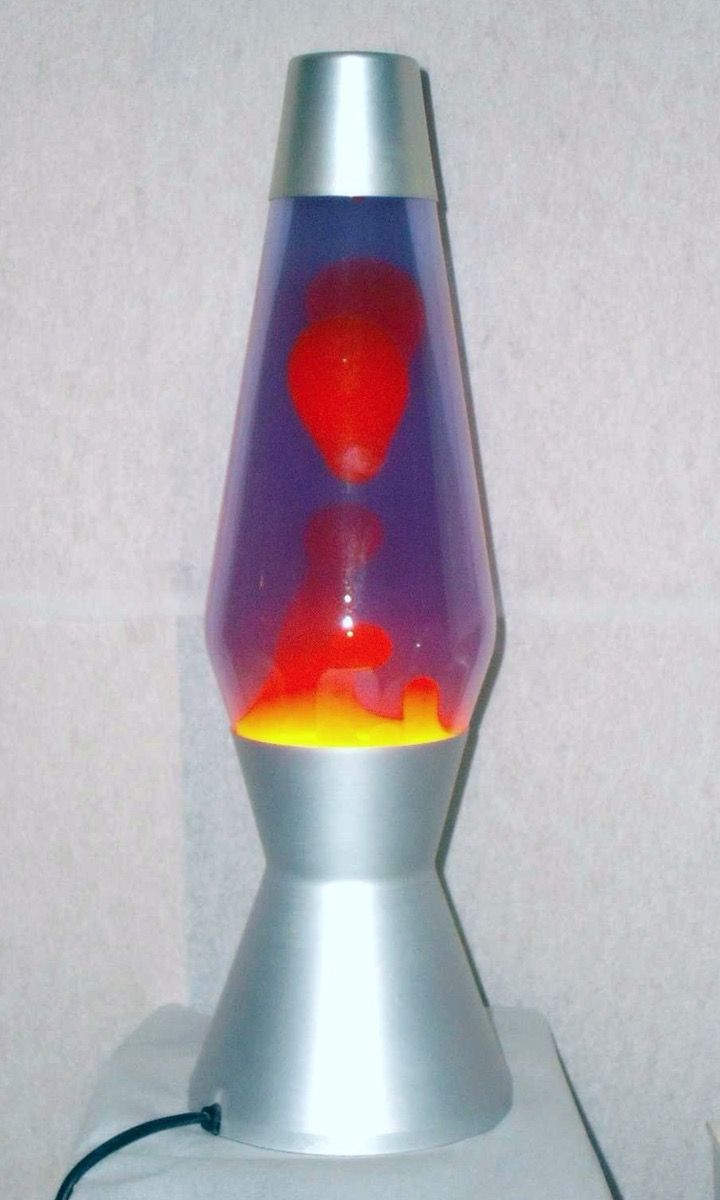
The glowing bottle of slow-drifting wax blobs that anchored every '90s bedroom and dorm-room shelf. Invented in 1963, it lay dormant for years before a wave of retro nostalgia made it the mood-lighting must-have of the decade all over again.
Hot Topic
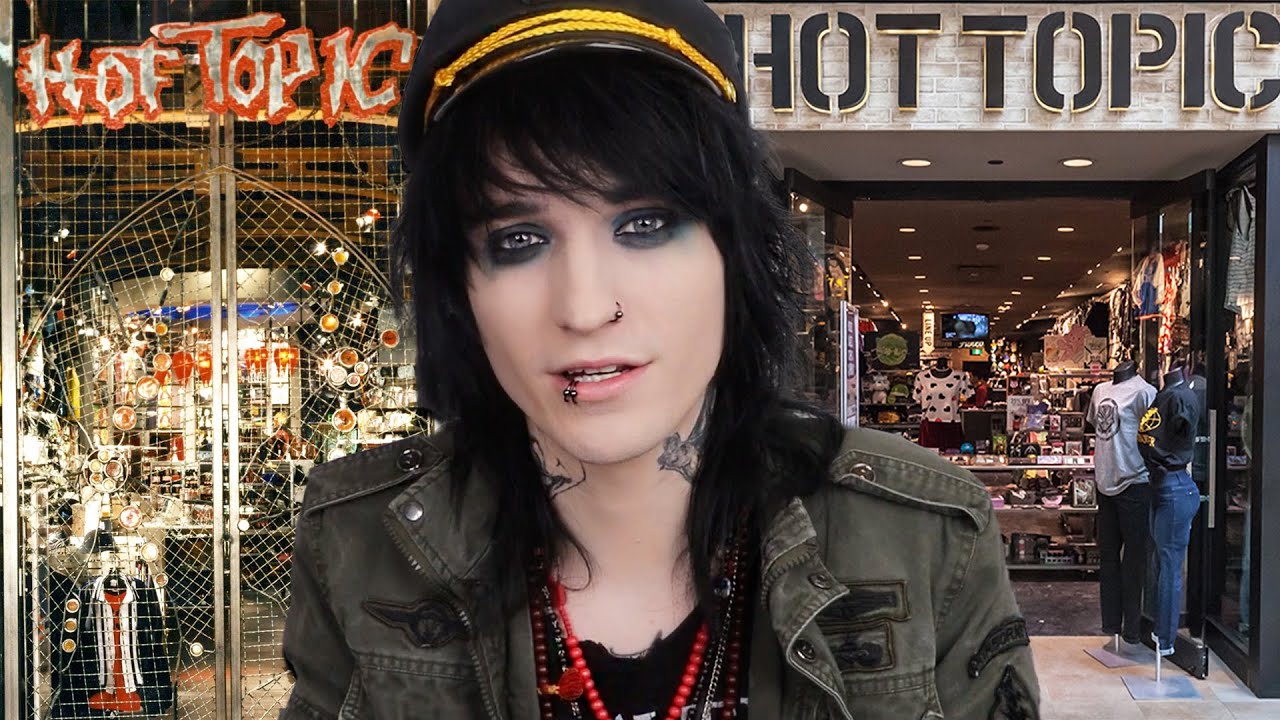
The black-walled store at the end of the mall where the music was too loud and the T-shirts had bands your parents had never heard of. Studded belts, band merch, hair dye, and a smell of incense you could identify from thirty feet away. For a certain kind of teenager, walking in felt like finding your people.

Urban Outfitters
The store where art-school aspiration got merchandised: ironic graphic tees, distressed denim, a wall of novelty books, and housewares nobody needed but everybody wanted. Every location was built inside a renovated building, so no two ever looked quite alike. It started in 1970 as a tiny secondhand shop near a college campus, and by the 2000s it was where you went to buy a personality.

Sam Goody
The ubiquitous mall record store where 90s kids bought CDs, cassettes, and band tees. Sam Goody was the go-to destination for new releases and the social hub of music shopping before big-box discounters and digital downloads reshaped retail.