Early eBay
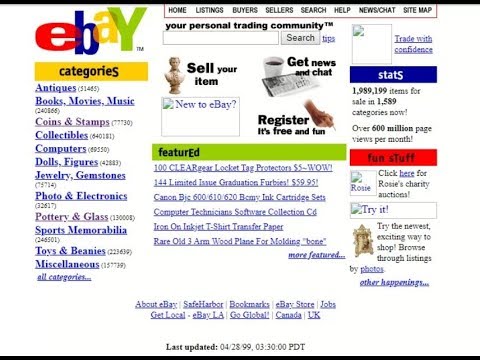
The person-to-person auction era before storefronts and one-click checkout. You photographed your own stuff with a grainy digital camera, hand-wrote the listing in janky HTML, and mailed a check to a stranger whose feedback score was the only thing telling you they could be trusted. Half the thrill was a last-second bidding war; the other half was the box arriving at all.
Pierre Omidyar launched the site as AuctionWeb on September 3, 1995, as a hobby to make a little extra money. One of the first things sold was a broken laser pointer, which went for $14.83 — the buyer, it turned out, collected broken laser pointers. In September 1997 the company renamed itself eBay, a shortening of Omidyar's consulting firm Echo Bay Technology Group (echobay.com was already taken).
Every listing was a small act of trust between strangers. You found something in your closet, photographed it, described its flaws (or didn't), and set a starting bid. Payment meant mailing a personal check or money order and waiting for it to clear before anything shipped — instant online payment was still years off. The running tally of feedback, a column of green stars, was the entire reputation system holding the whole thing together. Beanie Babies became an outright obsession on the platform, accounting for 10% of all listings in 1997.
In September 1998 eBay went public on NASDAQ at $18 a share and closed its first day at $53, a market cap near $1.9 billion. It acquired PayPal on October 3, 2002 for roughly $1.5 billion in stock, and as instant payment, fixed "Buy It Now" prices, and professional storefronts took over, the ramshackle charm of the early auction quietly faded — the digicam photos, the hand-coded listings, the mailed check, and the specific agony of watching someone outbid you in the final ten seconds.
Keep talking about it (Reddit)
Similar items

Beanie Babies
Ty Warner's small, under-stuffed plush animals launched in 1993 with a genius (and cynical) business strategy: artificial scarcity through deliberate 'retirements' sparked a mid-90s speculative mania. Kids and desperate adults bought price guides, protected tags with plastic sleeves, camped out for McDonald's Teenie Beanies, and treated them as retirement investments before the bubble collapsed around 1999.

AOL
The dial-up gateway that wired up America. AOL's "You've Got Mail" voice, aggressive free-trial CD carpet-bombing, and shift to unlimited $19.95/month pricing triggered the legendary busy-signal crisis — millions of Americans' first taste of the internet.
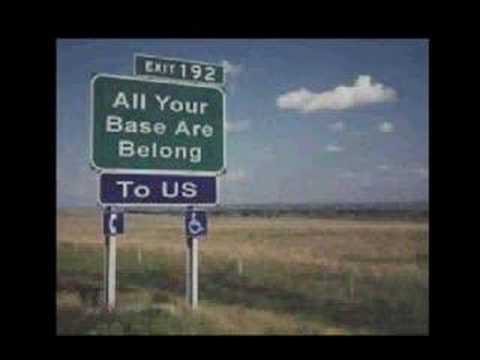
All Your Base Are Belong to Us
A hilariously broken line of video-game English that became one of the internet's first true memes. In February 2001, a techno remix and a Newgrounds video put 'All your base are belong to us' on forum signatures, Photoshopped billboards, and eventually YouTube's own maintenance page.
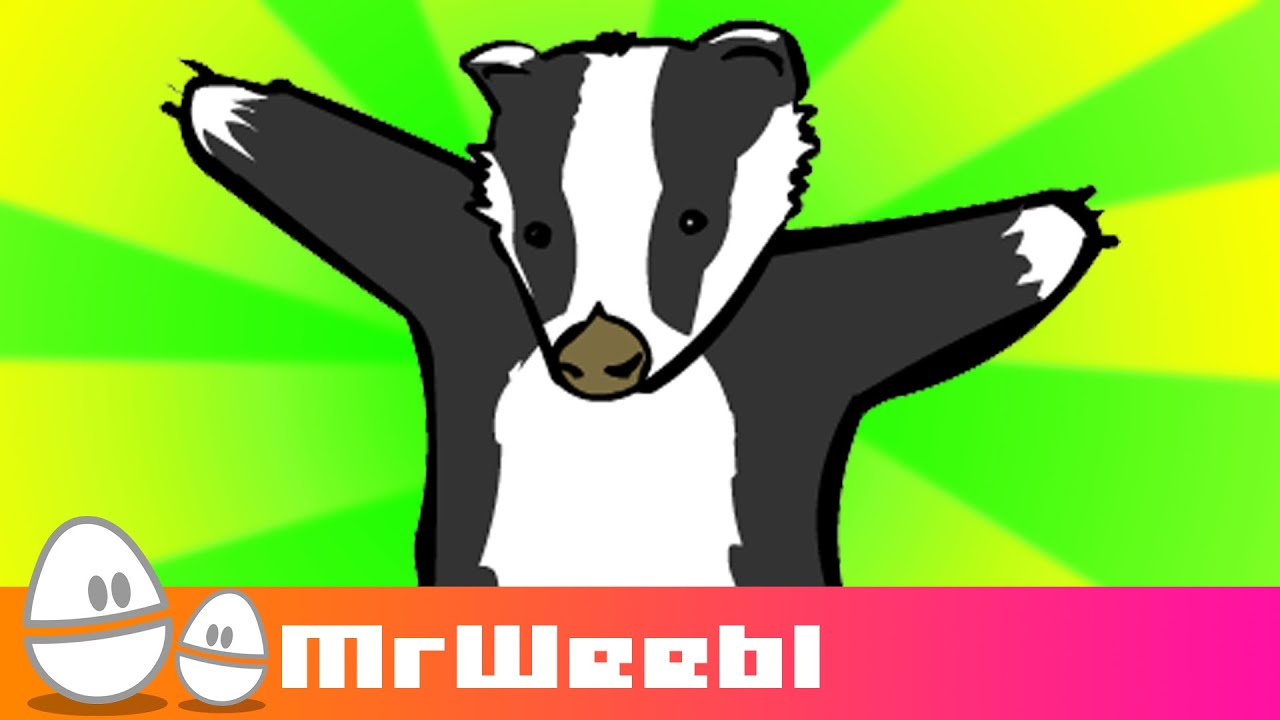
Badger Badger Badger
Twelve cartoon badgers do calisthenics to a chant that never stops, interrupted by a mushroom and a snake. The joke is that it loops forever and you cannot escape it — one of the great earworms of the early internet.