Chia Pets

Ch-ch-ch-Chia! Smear seed paste on a terracotta ram, water it, and watch it grow a green afro. Nobody ever asked for a Chia Pet — they materialized under Christmas trees anyway, summoned by a jingle that aired every December like clockwork.
The Chia Pet is what happens when a great ad man finds a terrible business. Joseph Pedott — the San Francisco advertising veteran who also gave the world The Clapper — came across the planters at a Chicago housewares show in the late 1970s: terracotta figures imported from Oaxaca, Mexico, whose grooved surfaces sprout a green "coat" of chia seedlings. The importer was losing money (a middleman was skimming him on prices), so Pedott bought the rights outright. The very first Chia Pet was actually "Chia Guy," a terracotta head made in September 1977; the one everyone remembers — the ram — became the first widely marketed Chia Pet in 1982, sold through Pedott's company, Joseph Enterprises.
What made it a phenomenon wasn't the pottery, it was the marketing calendar. Chia Pets became a nearly pure Christmas product — by the late 2000s roughly 90 percent of sales came during the holiday season, an estimated half-million units a year — and the TV spots ran wall-to-wall through the 80s and 90s every December, hammering the stuttered jingle "Ch-ch-ch-Chia!" into a generation's skull. (Even the jingle's origin is folklore: one account has it born in an agency brainstorm, though Pedott liked to tell it as a friend jokingly stuttering the name over drinks.) It became the definitive American gag gift — the thing you gave when the point of the gift was the laugh, then genuinely enjoyed watching grow on the kitchen windowsill through January.
The format proved weirdly immortal. Licensed heads arrived with Looney Tunes in 2000 and never stopped — Scooby-Doo, Homer Simpson, a 2009 Barack Obama, and a 2016 election matchup in which the Chia Trump outsold the Chia Clinton 77 percent to 23. Meanwhile the seed itself got a second life no one saw coming, rebranded in the 2010s as a superfood — the same chia, eaten in smoothie bowls by people who once grew it on a ceramic ram's back. Pedott died in 2023 at 91, with his creation still on shelves, still advertised every December, and sealed into a New York Times time capsule meant to be opened in the year 3000.
Similar items

Got Milk?
The iconic 'Got Milk?' campaign launched October 1993 with a TV spot directed by Michael Bay, but the cultural phenomenon exploded with the celebrity milk-mustache print ads that started in 1995. Hundreds of celebrities posed with white mustaches across magazine spreads; kids collected and pinned the pages like trading cards.
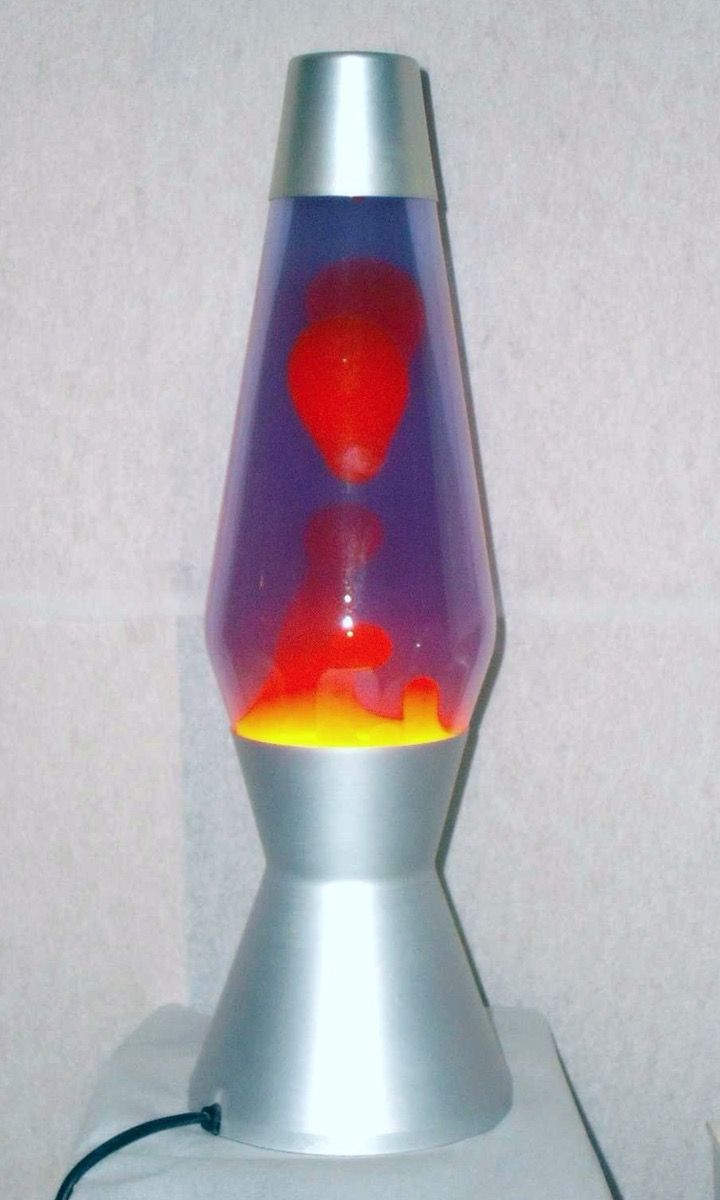
Lava Lamps
The glowing bottle of slow-drifting wax blobs that anchored every '90s bedroom and dorm-room shelf. Invented in 1963, it lay dormant for years before a wave of retro nostalgia made it the mood-lighting must-have of the decade all over again.

Snuggie
The blanket with sleeves. Regular blankets "slip and slide" and trap your hands, so America was sold a backwards fleece robe for $14.95 — buy one get one, free book lights. Everyone mocked the commercial. Everyone bought one anyway. It was, infuriatingly, cozy.

Mentos (The Freshmaker Era)
Minor social catastrophe? Eat a Mentos. Roll across a freshly painted bench, hijack a tablecloth, climb through a stranger's car — then flash a thumbs-up at the camera. The Freshmaker ads were so gloriously wrong they became one of the most beloved things on 90s TV.