Candystand

Photo credit: Scott Ehardt, public domain, via Wikimedia Commons
Life Savers' secret weapon for brand loyalty: genuinely good Flash games, free for anyone, with the advertising hiding inside the games themselves. The mini golf alone kept a generation of school computer labs quietly clicking.
The Candystand launched in 1997 as a venture by the Life Savers Company (then a Nabisco division), built and run by Skyworks Technologies — a studio founded in 1995 by Activision veterans David Crane and Garry Kitchen. It grew out of an earlier Life Savers CD-ROM project. This was the prototype "advergame": no banner ads, no intrusive marketing. The games *were* the ads — free, surprisingly polished Flash and Shockwave titles, each one wrapping Life Savers or candy theming directly into the play.
The mini golf game became the icon, unforgettable to anyone who played it. Pool, sports titles, arcade games — the portal grew to dozens of titles. Genuinely good, free, and unblocked during an era when free quality games online were rare, Candystand became a staple of school computer labs and home PCs. Millions of players per month at its peak. Skyworks' success spawned sibling portals: NabiscoWorld (1999), Postopia, and the advertising-as-game model spread.
As candy ownership shifted — Life Savers sold to Wrigley in the mid-2000s, Wrigley divested Candystand to Funtank in 2008, and Publishers Clearing House acquired it in 2010 — the site lost its single voice and original energy. It folded into PCH's generic games platform, and the Candystand era faded into memory.
Keep talking about it (Reddit)
Similar items

AddictingGames.com
The flash-game portal that gave "I'm bored" a URL. AddictingGames launched in 2002 as a constantly updated grid of free browser games, became one of the sites school IT departments most loved to block — and somehow outlived Flash itself.
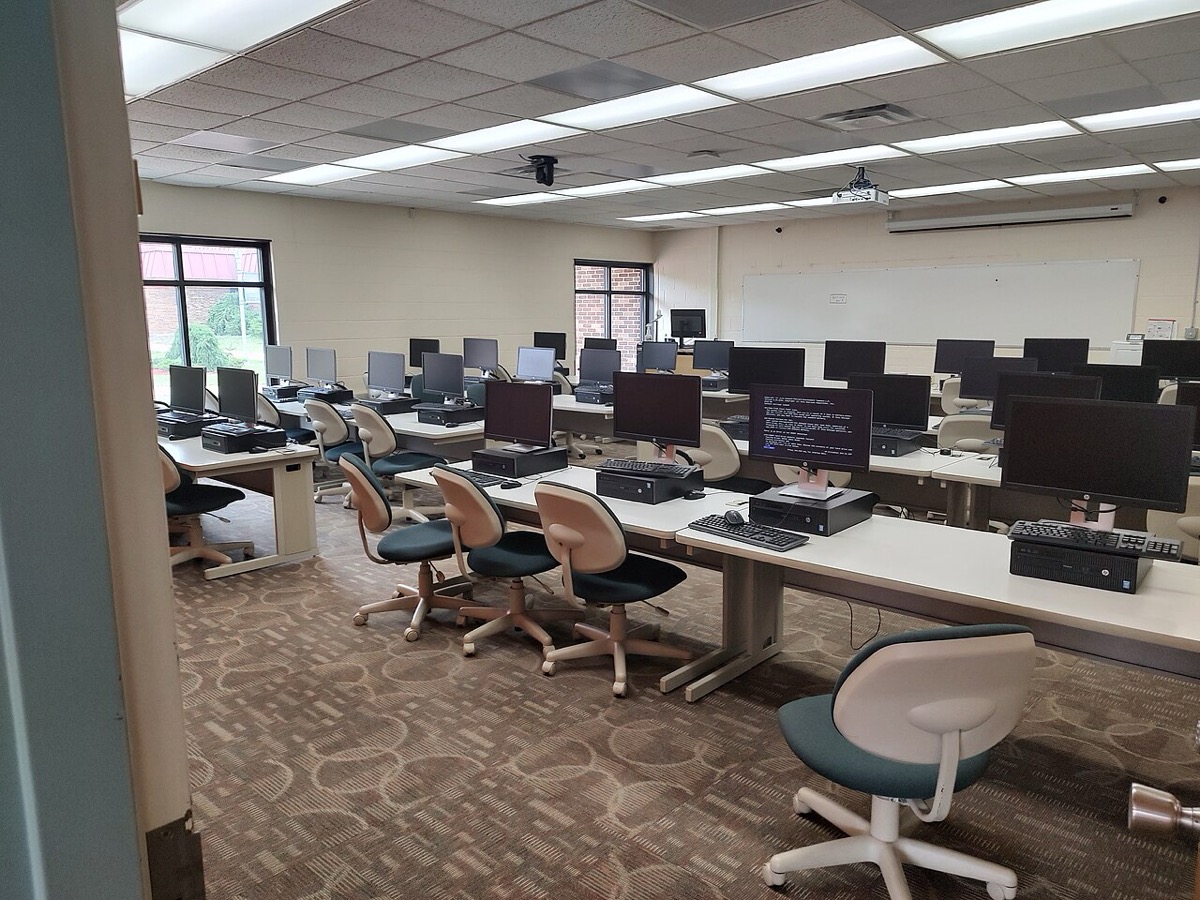
Cool Math Games
The web filter loophole that became a school institution. Cool Math Games' "math" branding kept it off the blocked-site list while every other gaming site got nuked, making it the de facto arcade of every school computer lab in the mid-2000s.

Flash Game Sites
A corner of the web where anyone could upload a game, the community voted, and you could lose hours flicking through hand-coded animations and wildly unpolished experiments. Flash game sites were the internet's scrappy basement arcade.
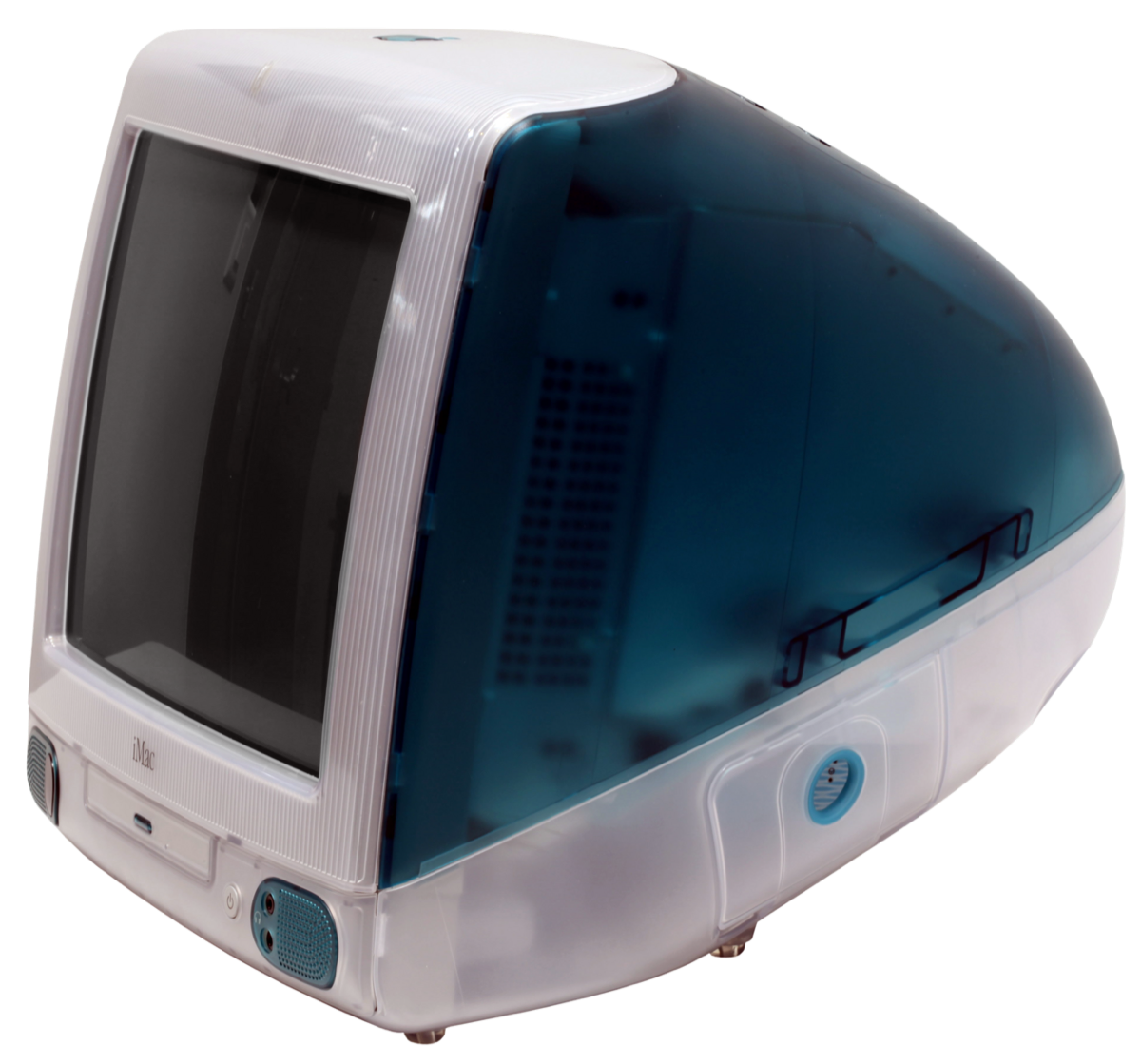
Computer Lab
The weekly pilgrimage down the hall to the room full of beige Apple computers, where you'd slot in a floppy disk, wait, and take turns dying of dysentery on the Oregon Trail. "Computer Day" was equal parts educational software and the first place a lot of kids ever touched a keyboard.