Blockbuster Video

The blue-and-yellow torn-ticket empire where Friday nights meant wandering the new-release wall, hoping the big movie wasn't rented out, and dreading the late fees. At its peak in 2004, Blockbuster dominated home entertainment with 9,094 stores worldwide—until Netflix and streaming dismantled the whole business model.
David Cook opened the first Blockbuster in Dallas on October 19, 1985, with a then-enormous selection of roughly 8,000 VHS tapes. Wayne Huizenga took control in 1987 and built it into a national force, and Viacom's $8.4 billion acquisition in 1994 supercharged the expansion. By 2004, Blockbuster had become unstoppable: 9,094 stores worldwide, over 84,000 employees, and a stranglehold on the Friday-night ritual that defined a generation.
But Netflix's DVD-by-mail model and the rise of video-on-demand couldn't be stopped. Blockbuster filed for Chapter 11 bankruptcy in September 2010, and corporate stores closed by 2014. One franchised location in Bend, Oregon defied the odds and continues operating today as the "Last Blockbuster," a pilgrimage site for anyone nostalgic for late fees and tangible movie nights.
Keep talking about it (Reddit)
Similar items

The Sandlot
David Mickey Evans' 1993 film about a group of kids playing baseball on a sandlot in the 1960s became the quintessential summer movie for 90s childhoods. The Sandlot captured the wonder and terror of childhood adventure — forbidden crushes, a monstrous dog, and a lost ball signed by Babe Ruth — with perfect comedic timing and genuine heart.

Toys "R" Us
The cathedral of childhood shopping. Charles Lazarus's toy superstore — the backwards "R," aisle upon aisle of Christmas lists waiting to happen, and Geoffrey the Giraffe's unmissable jingle — defined how kids experienced wanting. Then a leveraged buyout, five billion in debt, and a 2018 collapse ended the era.
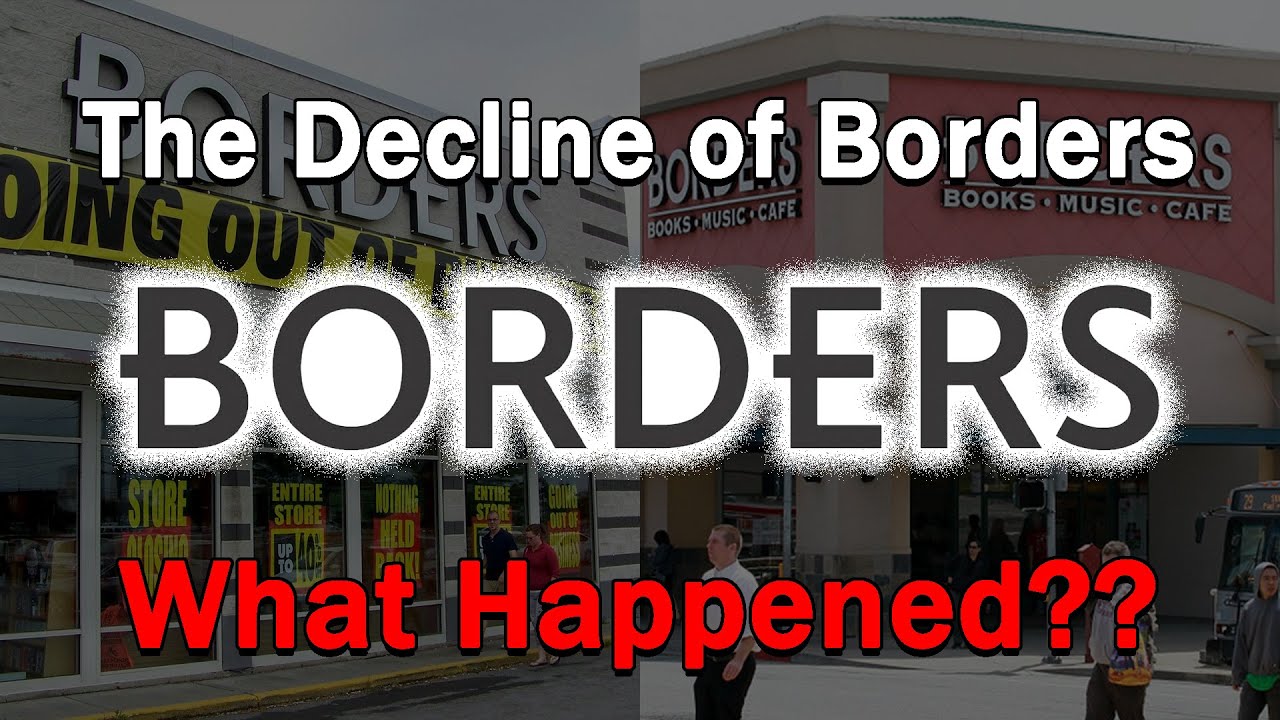
Borders
Three hours in the armchairs with a stack of books you never bought, a chai from the café, and a lap through the CD listening stations — Borders wasn't a store so much as a place to be. Then it was gone, all of it, in a single September.

Pokémon Snap
The N64 safari where you shot Pokémon with a camera instead of catching them — then took the cartridge to Blockbuster and printed your best photos as actual stickers. Professor Oak judged your framing, a surfing Pikachu was the holy grail, and for one summer in 1999 a photography game was the coolest thing in the store.