106 & Park
BET's live countdown couch — AJ and Free, a screaming studio audience, Freestyle Friday battles, and the top hip-hop and R&B videos of the day. For fourteen years, this was where rap premieres actually happened.
246 items
BET's live countdown couch — AJ and Free, a screaming studio audience, Freestyle Friday battles, and the top hip-hop and R&B videos of the day. For fourteen years, this was where rap premieres actually happened.
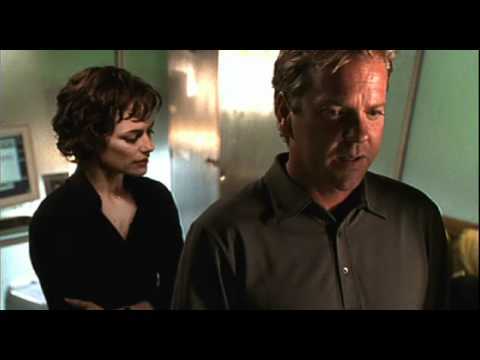
A high-octane Fox thriller that premiered November 2001, starring Kiefer Sutherland as CTU (Counter-Terrorism Unit) agent Jack Bauer. Each season depicts a single continuous 24-hour day with one episode per hour, complete with a ticking on-screen clock and split-screen "meanwhile" shots. The show's relentless pacing, cliffhangers, and post-9/11-era terrorism plots made it a cultural phenomenon that redefined the thriller format for television.

The WB's gentlest family drama: Reverend Eric Camden and his wife Annie raising seven kids in fictional Glen Oak, California. Every episode was a moral crossroads—dating, drugs, peer pressure, faith—and families watched it together. For a decade it was the show your parents approved of, and it made Jessica Biel a star.
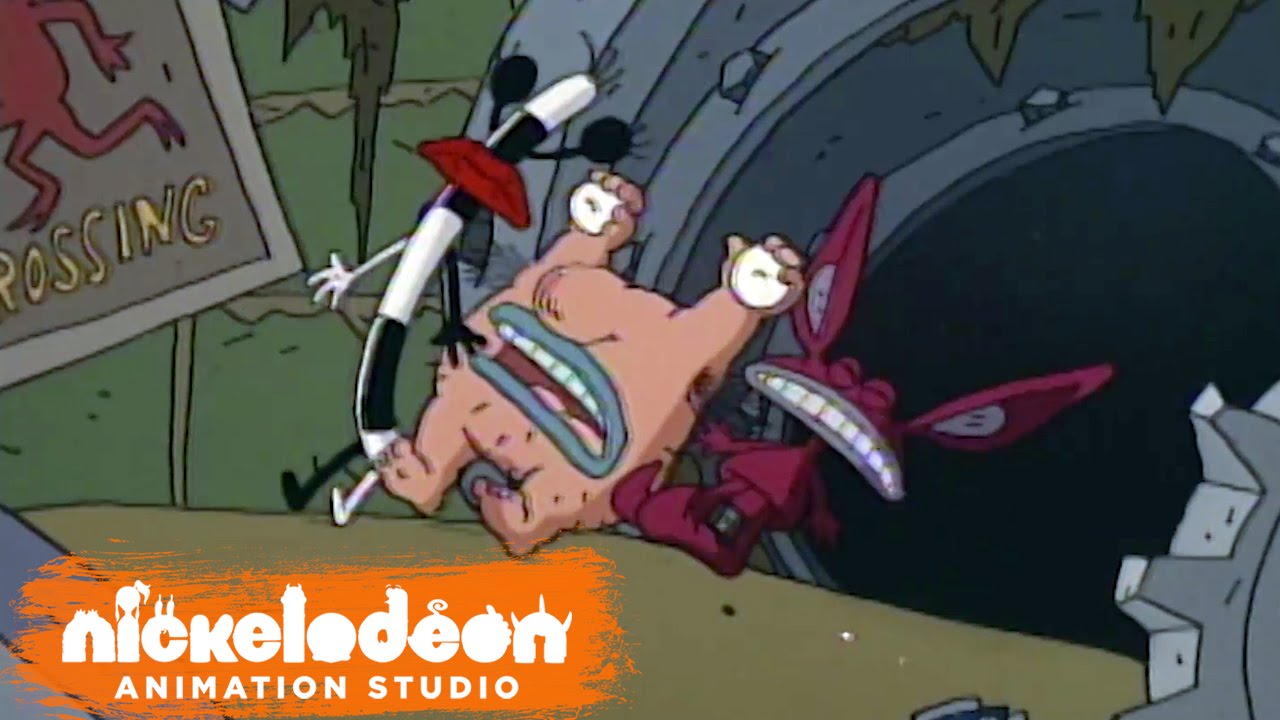
A Nickelodeon animated series about three monster students learning to scare humans in a monster academy beneath a city dump. Created by Klasky Csupo, the studio behind Rugrats, Aaahh!!! Real Monsters delivered gross-out humor and distinctively ugly-cute character design that defined 90s kids' animation.
![Video thumbnail — [Adult Swim] 2001 Pool Bumps](https://i.ytimg.com/vi/hoWcIE8VRMI/hqdefault.jpg)
Cartoon Network's late-night block launched in 2001 as a joke about pool rules — and became a proving ground for surreal, irreverent animation that refused to fit anywhere else. Deadpan bumpers over footage of elderly swimmers announced shows like Aqua Teen Hunger Force and Harvey Birdman to an audience that had grown up with the network and wasn't ready to turn in.

Six mystical bears in a medieval world, bouncing like rubber balls on Gummiberry Juice — behind one of the most infectious theme songs television ever produced. It premiered on NBC in 1985, but for 90s kids it lived in the after-school Disney Afternoon rotation, where 'bouncing here and there and everywhere' lodged itself permanently.

The boy reporter and his dog Snowy stepped off the comic-book page and into a faithfully animated series that arrived on HBO in 1991. For many American kids, this was their first Tintin — and it stuck.

A live-action sketch-comedy show on Nickelodeon that functioned as "Saturday Night Live for kids." Premiering in April 1994, All That launched stars including Kenan Thompson, Kel Mitchell, and Amanda Bynes while anchoring Nickelodeon's beloved "SNICK" Saturday-night block with its irreverent humor and memorable recurring sketches.
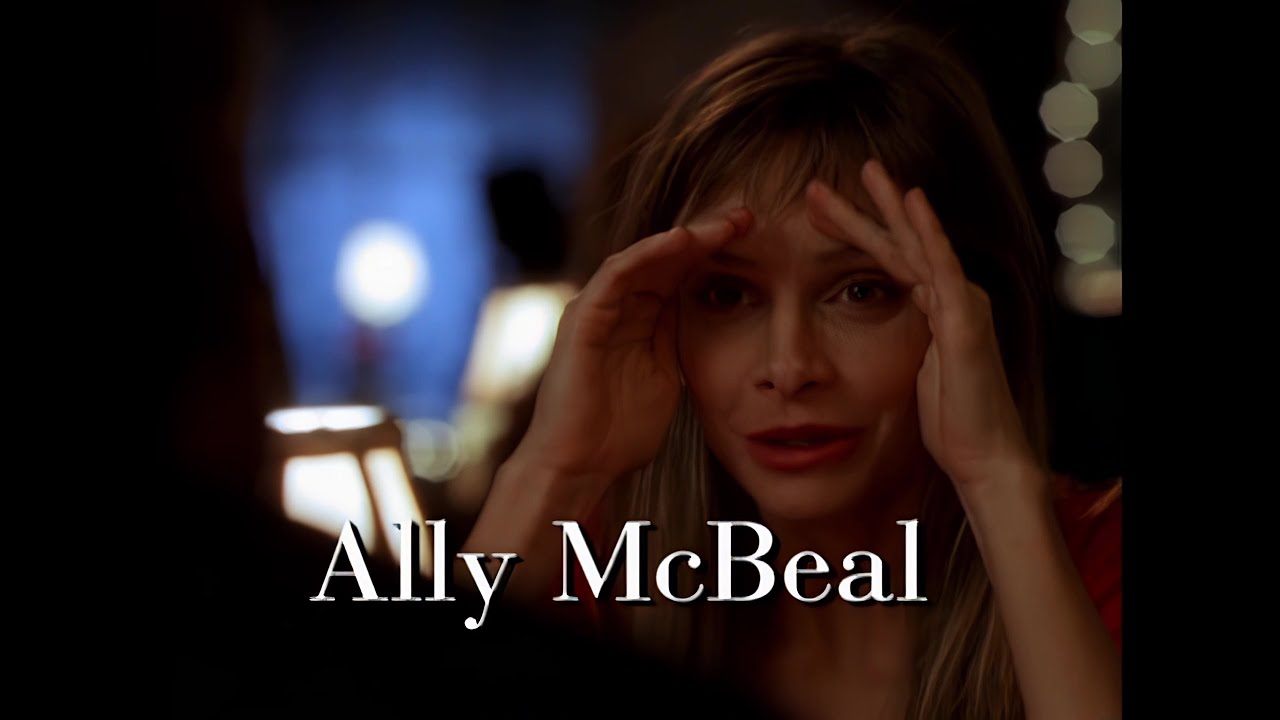
A neurotic Boston lawyer's inner life plays out as bizarre fantasies at Fox's weirdly winning legal dramedy. The dancing baby became one of the internet's earliest viral images; the show became a feminist flashpoint.

Fox's juggernaut singing competition that made appointment television relevant again. Premiering June 11, 2002, American Idol invited America to vote for the next big pop star—and for most of the 2000s, you couldn't escape it. Kelly Clarkson's season-one victory launched her career and countless memes about Simon Cowell's withering critiques.
Backyard mishaps, wedding disasters, and cats falling off furniture — network primetime built entirely from viewers' camcorder tapes, with a $10,000 prize on the line. America's Funniest Home Videos captured the moment when every family owned a camcorder and one shot at fame.

Tyra Banks turned the fashion industry into a weekly elimination bloodsport: makeover meltdowns, impossible photo shoots, and a panel that could end a dream with one photograph. And in 2005 it produced the eruption that outlived the whole series — "we were all rooting for you!"

Two bachelor beaver brothers — smug, scheming Norbert and unhinged, shrieking Daggett — share a dam in the Oregon woods and turn sibling annoyance into an art form. One of the strangest, yell-iest Nicktoons of the late 90s, and beloved for exactly that.

The manic variety cartoon that slipped jokes for adults past kids and a geography lesson past everyone. Yakko, Wakko and Dot burst out of the Warner Bros. water tower alongside Pinky and the Brain, Slappy Squirrel, and a cast of oddballs — fast, smart, and endlessly quotable.
Adult Swim's gleefully nonsensical cartoon about three anthropomorphic fast-food items — a milkshake, a box of fries, and a wad of meat — sharing a house in New Jersey. It made no sense on purpose, and it accidentally shut down Boston.

A horror-anthology series that began on Canadian TV in 1990 and found its true audience on Nickelodeon's SNICK block. Hosted by the Midnight Society — teens gathered around a campfire — each episode delivered a self-contained spooky tale introduced with the ritual phrase and midnight dust. Genuinely creepy for a kids' show.

Jeff Foxworthy watching grown adults discover they cannot pass elementary school. Ten questions pulled from grade-school textbooks, a panel of actual fifth graders to lean on, and the walk of shame where you faced the camera and confessed: "I am not smarter than a 5th grader."

A razor-sharp comedy about a wealthy, deeply dysfunctional real-estate family, canceled after just three seasons on Fox but too clever to fade. Low ratings, massive critical acclaim, and jokes that rewarded rewatching — there was always money in the banana stand. When Netflix revived it, the show's legacy finally caught up to its ambition.
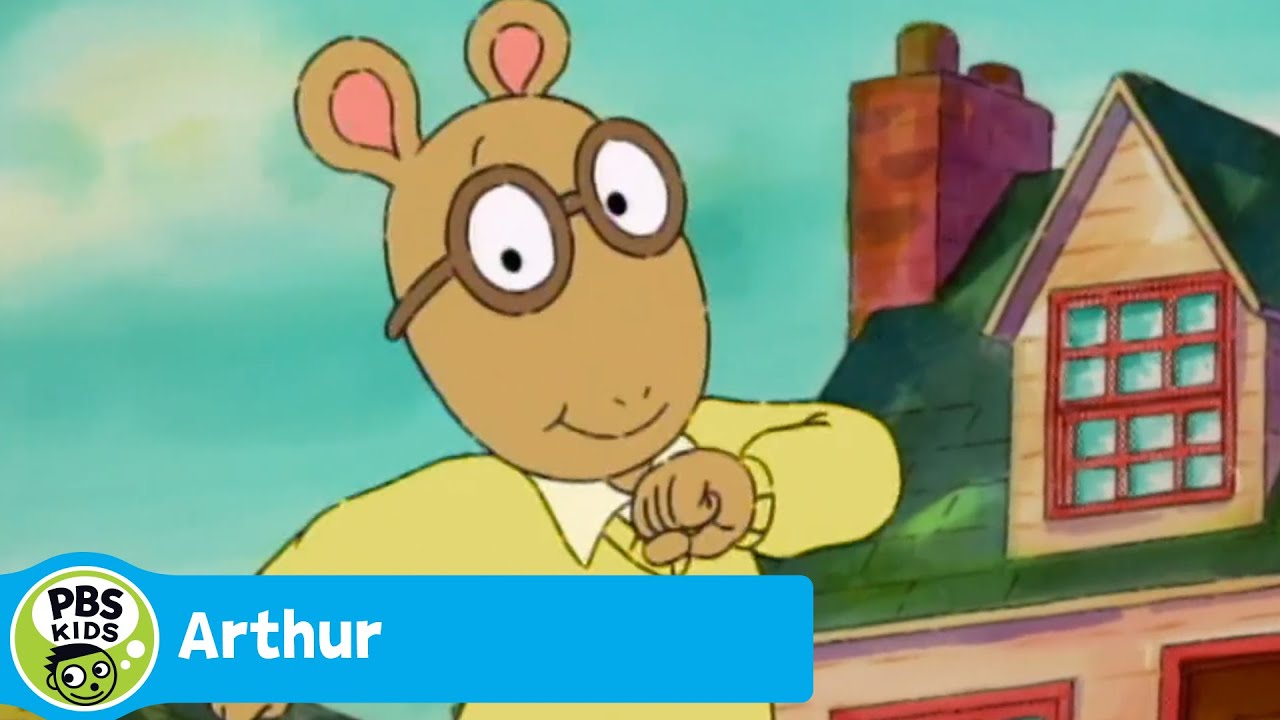
PBS's 25-season juggernaut about an aardvark navigating school, friendship, and suburban angst. Arthur Read, his friends Buster, Francine, Muffy, and the Brain, and his little sister D.W. defined childhood TV for an entire generation. The show ran from 1996 to 2022, becoming one of the longest-running animated kids' series in US television history.
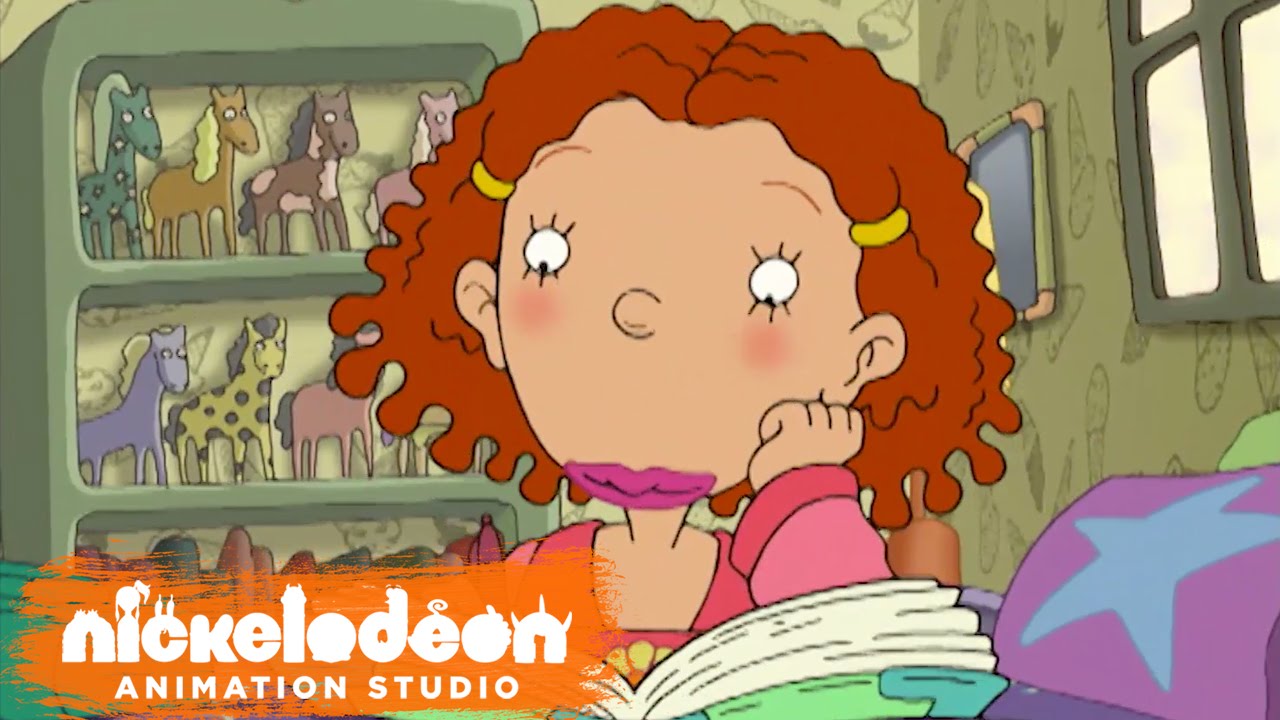
The Nicktoon that took middle school seriously — Ginger Foutley navigating the popularity food chain while her characters did something almost no cartoon characters did: aged, grew, and actually changed their clothes.
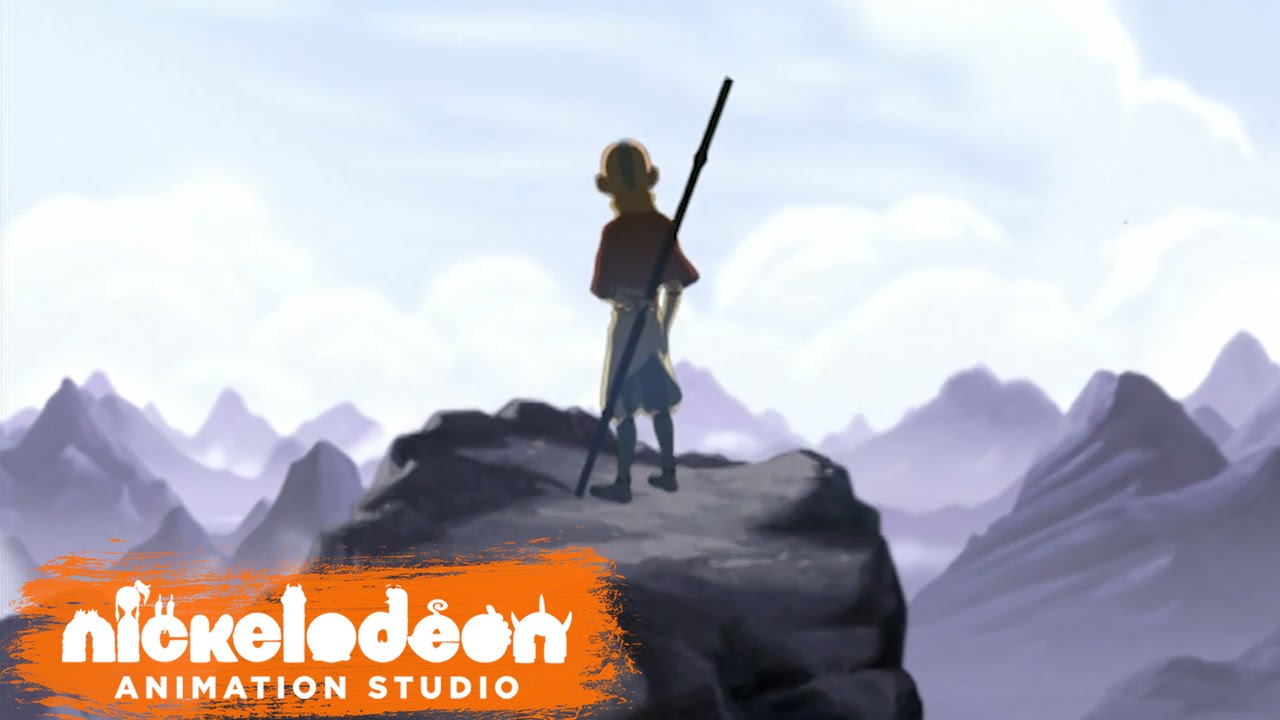
Nickelodeon's animated epic about the last Airbender and a world where people bend the four elements. The show's serialized storytelling, humor, and character arcs (especially Zuko's redemption) proved surprisingly mature and acclaimed for kids' television. It ran three seasons from 2005 to 2008 and spawned an enduring fandom.

The elephant king told his own childhood stories in this gentle, storybook-paced animated series that arrived on HBO in 1989. A quieter corner of the cartoon dial — orchestral, unhurried, and deeply comforting.
Before serialized television was the norm, J. Michael Straczynski pitched a "novel for television" — one five-year story with a planned beginning, middle, and end, most of it written by him alone. Babylon 5 was the scrappy syndicated space station that proved appointment sci-fi didn't need a Trek badge.

The purple dinosaur that somehow became the most beloved and most despised children's television character of the 1990s — a phenomenon so massive it spawned both merchandise empires and playground backlash that made "Barney bashing" a genuine pop-culture sport. The closing song "I Love You" (sung to the tune of "This Old Man") made every parent's brain simultaneously swell with affection and shriek in agony.
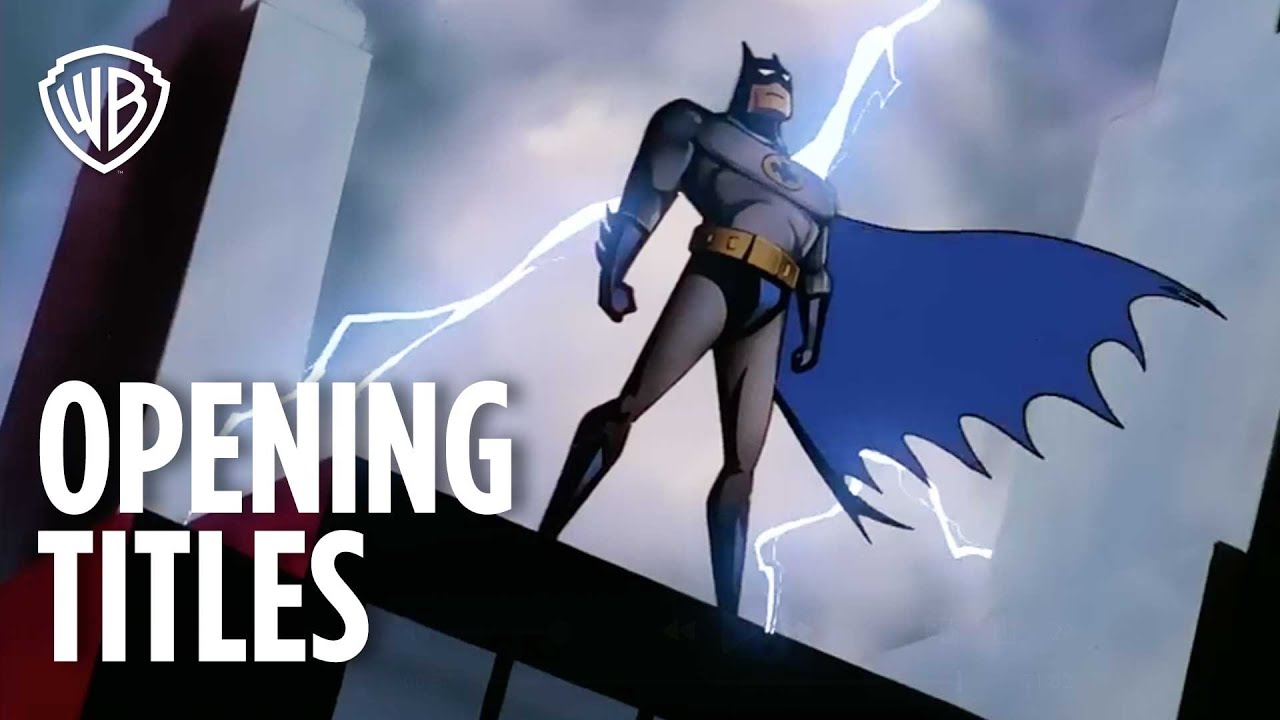
The moody, art-deco afternoon cartoon that gave a generation its definitive Batman — and its definitive Joker. Painted skies on black paper, a full orchestra, and stories that never talked down to the kids racing home to catch it.
The lifeguard drama NBC canceled after one season — which then came back in syndication and became the most-watched TV show on Earth. Slow-motion running, red swimsuits, Hasselhoff. A billion people allegedly watched every week, and almost nobody admitted being one of them.

A honey-colored giant of a bear leans into the camera, sniffs, and announces you smell nice today. Jim Henson Television's gentle giant anchored Playhouse Disney mornings, and ended every episode on the balcony singing goodbye with Luna the moon.
Ten-year-old Ben Tennyson's summer road trip becomes an alien adventure when he finds the Omnitrix — an alien watch that locks onto his wrist and transforms him into ten different heroes. Every kid wanted the Omnitrix toy, and every playground became a forum for debating which alien was the coolest.

Brandon and Brenda Walsh move from Minneapolis into a zip code where everyone is gorgeous and every episode is a very special one. Fox's decade-long teen soap made Jason Priestley and Luke Perry into locker-poster royalty and built the genre every later teen drama moved into.
![Video thumbnail — Bill Nye: The Science Guy [Original Intro] ᴴᴰ](https://i.ytimg.com/vi/UtVJdPfm0F8/maxresdefault.jpg)
The beloved PBS/syndication science show that dominated classrooms throughout the '90s. Bill Nye, the bow-tie-wearing mechanical engineer-turned-science-communicator, made physics and chemistry accessible—and fun—with MTV-style energy, wild demonstrations, and an unforgettable theme song. Substitute teachers everywhere knew exactly what to do: wheel out the TV cart and press play. A cultural institution that made science cool before it was cool.

A live-action host talking directly to you from inside an animated storybook world, solving mysteries left behind by a blue-spotted puppy. Blue's Clues was built on research, tested with preschoolers before it aired, and the same episode played five days in a row so you could actually master it.

Cory Matthews' suburban coming-of-age journey was guided by the constant, unexpected presence of Mr. Feeny—the teacher who somehow followed him through every school. Boy Meets World captured adolescence, first love, and the unshakeable found family of Friday nights.
Bruce Campbell's chin under a cowboy hat: a Harvard-educated lawyer turned bounty hunter, an outlaw gang to catch, and a mysterious golden Orb granting superhuman strength. Fox gave it one Friday-night season — viewers voted to save it in TV Guide's poll, and Fox canceled it anyway. The cult never let go.
The cheerleader who was also the chosen one. Sarah Michelle Gellar's Buffy Summers staked vampires over the Hellmouth beneath her high school, and the show's mix of monster-of-the-week horror, teen angst, and quippy dialogue made it a genre-defining WB touchstone.
Richard Scarry's Busytown came to life in 1994, turning the picture-book world where everything was labeled and nothing was rushed into gentle television. Huckle Cat and Lowly Worm taught a generation of preschoolers how the everyday world actually worked.

David Duchovny returned to TV as Hank Moody, a washed-up novelist spiraling through LA hedonism. Showtime's 2007 comedy-drama was cynical, sexy, and won him a Golden Globe.
When five kids from around the world got magic rings powered by earth, fire, wind, water, and heart, they could summon Captain Planet—a blue-skinned, green-mulleted eco-superhero bent on saving the planet from corporate villains and environmental destruction. Premiering in September 1990, the show became the unlikely flagship of early-90s kids' environmentalism, complete with a celebrity voice cast that included Whoopi Goldberg, LeVar Burton, and Jeff Goldblum hamming it up as cartoon bad guys. It was earnest, bright, and delightfully weird, with a catchphrase ("By your powers combined…") that felt genuinely powerful when you were nine.
Ten pastel bears with pictures on their tummies, beaming caring at the world hard enough to knock villains over. The Care Bears started as greeting-card art in 1981 and became a plush-toy empire, three theatrical movies, and a cartoon series — and for 90s kids, the hand-me-down bears and endless reruns that made an 80s franchise feel like their own.

You hail a New York taxi, the ceiling erupts in lights, and Ben Bailey booms that you're in the Cash Cab. Answer trivia to your destination and you leave with cash; three strikes and you're out on the sidewalk, wherever that happens to be.
A cat and a dog conjoined at the waist, sharing one body and absolutely no ability to agree on anything. Peter Hannan's Nicktoon was absurdism disguised as a kids' cartoon — the kind of show that made you ask questions the show itself flatly refused to answer.
MTV's gleefully violent claymation series, in which caricatures of real celebrities beat each other to a pulp in a wrestling ring. Premiering on May 14, 1998, it staged absurd stop-motion grudge matches — pop stars, actors, and politicians torn limb from clay limb — narrated by ringside commentators Nick Diamond and Johnny Gomez. Gory, silly, and weirdly beloved, it signed off each fight with the same line: "Good fight, good night."
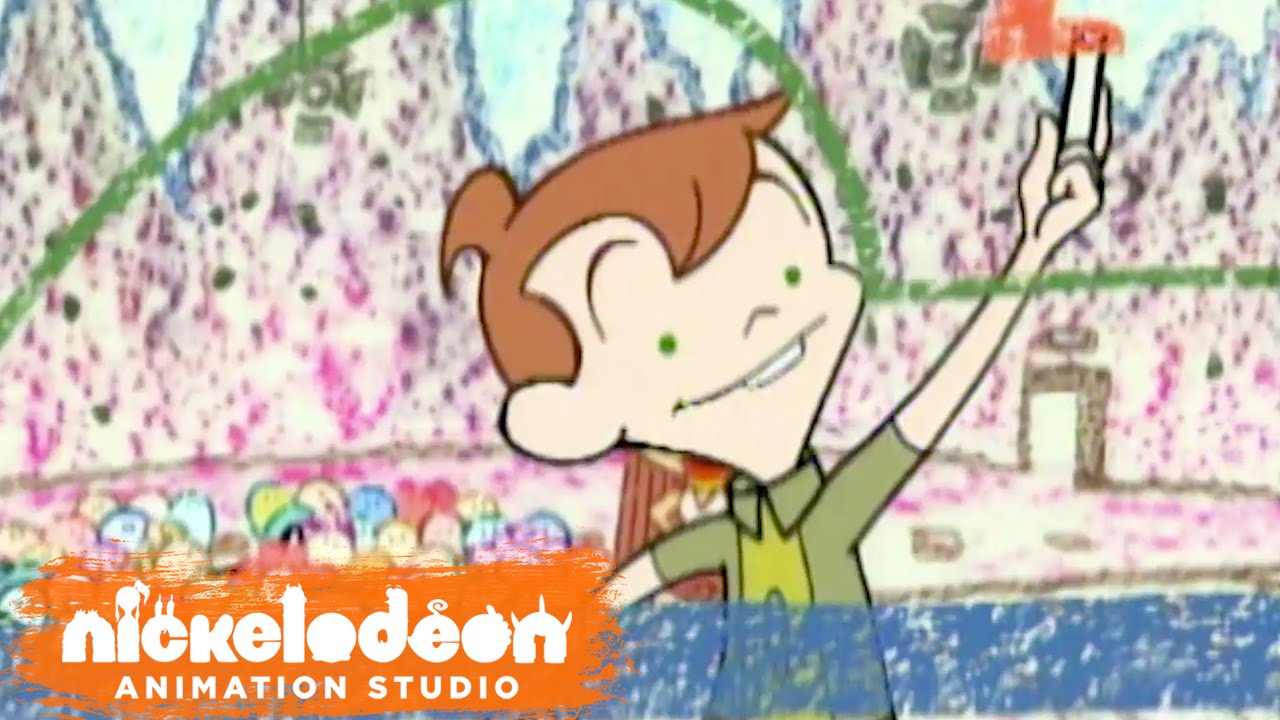
Rudy's got the chalk! One piece of magic white chalk, a doorway drawn on any blackboard, and you're in ChalkZone — the dimension where every erased chalk drawing lives on. The Nicktoon that made a generation eye the classroom chalkboard with real suspicion.

The sketch show that owned the mid-2000s. Dave Chappelle's Comedy Central juggernaut turned razor-sharp racial satire and absurd characters into the most-quoted comedy of the decade — "I'm Rick James, b****!" echoing down every school hallway.

Clarissa Darling talked directly to you from her chaotic 90s bedroom, narrating the endless dramas of school, crushes, and sibling war. Melissa Joan Hart made the fourth-wall break feel like having a best friend's voice in your head — while Sam climbed through the window to a guitar chord and little brother Ferguson schemed downstairs. It proved girls' stories could hook any audience.

Four boarding-school kids, a supercomputer in an abandoned factory, and a virtual world under attack by a rogue AI. The French import where every episode could end with a 'Return to the Past' — and only the heroes remembered any of it.

Five ten-year-olds with code numbers, a high-tech treehouse, and an arsenal built from household junk: Sector V spent six seasons on Cartoon Network waging glorious war on adult tyranny. And it was the show the viewers themselves voted onto the air.

The That's So Raven spinoff that moved Cory Baxter into the White House — and, a decade later, got crowned the internet's favorite ironic 'best anime ever.' Kyle Massey ran get-rich-quick schemes out of the presidential kitchen for two seasons of peak Disney Channel.
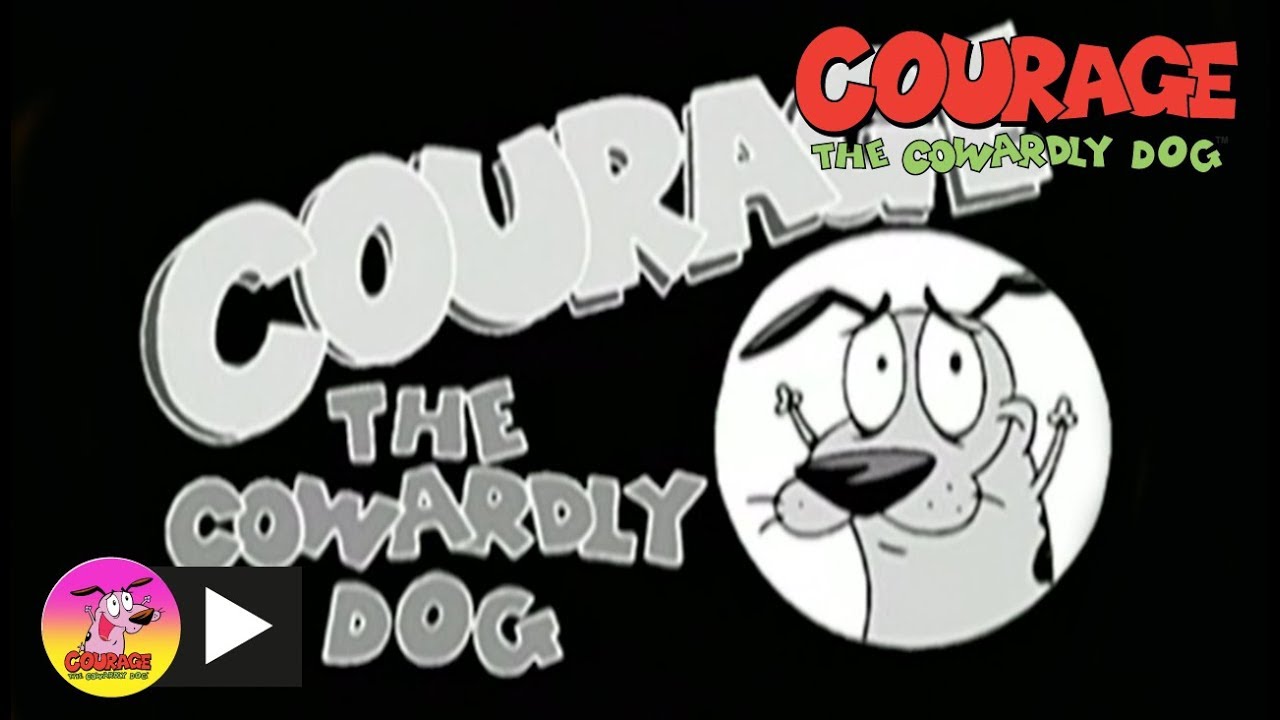
A timid pink dog protecting elderly Muriel from genuinely terrifying supernatural threats on a Kansas farm. Courage the Cowardly Dog was a kids' show that made no apologies for being *scary*—featuring the King Ramses curse, creepy spirits, and a level of psychological horror that had no business airing at 3 p.m.
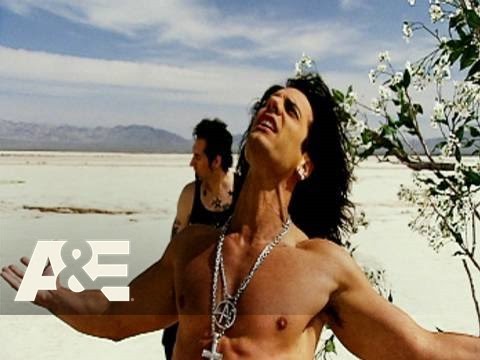
Black shag haircut, eyeliner, chain wallet — and a man apparently floating between Las Vegas rooftops. Mindfreak made Criss Angel the definitive 2000s magician: half goth rock star, half street illusionist, all catchphrase.
![Video thumbnail — CSI: Crime Scene Investigation [Intro] - The Who - Who are you](https://i.ytimg.com/vi/yt4sM0eRPSE/hqdefault.jpg)
The Vegas crime lab that took over primetime. CSI premiered on CBS in 2000 and turned forensic science into television's dominant formula — William Petersen's Gil Grissom, The Who's "Who Are You" over the credits, and spinoffs from Miami to New York. It got so big that real juries started expecting what the show delivered every week.
Three kids get sucked into Cyberspace to defend Motherboard from the scheming Hacker — voiced with maximum ham by Christopher Lloyd — and the only weapon that ever works is math. PBS somehow made estimating and pattern-finding feel like saving the world.

Sacha Baron Cohen's ambush-interview show, and the launchpad for three of comedy's most infamous characters. Beginning on Britain's Channel 4 in 2000 and crossing to HBO in 2003, it sent Cohen — in character as faux-streetwise poseur Ali G, Kazakh reporter Borat, or Austrian fashionista Brüno — into real interviews with unsuspecting politicians, celebrities, and experts who had no idea they were being had. The results were excruciating, brilliant, and eventually spun off into a string of hit films.
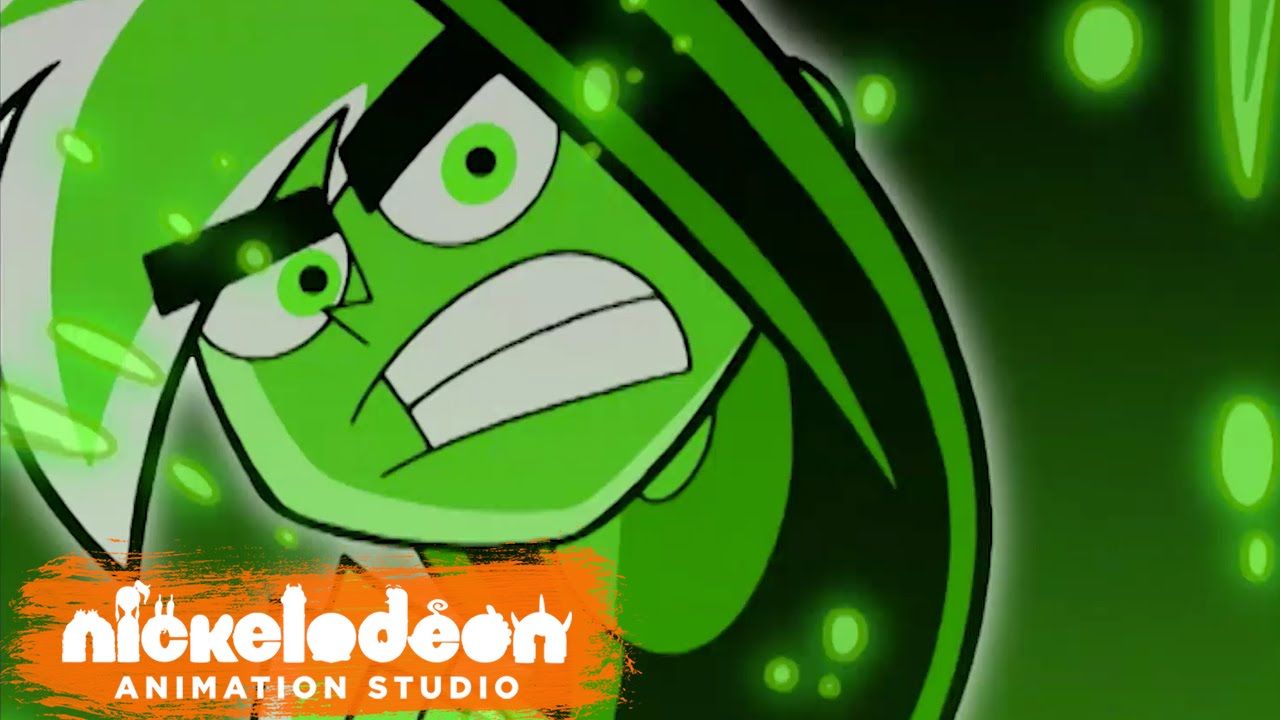
A 14-year-old turns half-ghost in an accident with his parents' ghost portal, gets an alter ego, and starts protecting his town — all while his own ghost-hunting parents think he's the enemy. The theme song is one millennials still recite word for word.

Daria Morgendorffer—deadpan, sardonic, and thoroughly unimpressed—became the patron saint of 1990s teen-girl outsiderdom. Spun off from Beavis and Butt-Head, this MTV series followed Daria through the town of Lawndale alongside her artsy best friend Jane Lane, her popularity-obsessed sister Quinn, and her perpetually frustrated parents. Created by Glenn Eichler and Susie Lewis Lynn, Daria captured the 90s teen experience with sharp-edged humor and surprising emotional depth. Two final TV movies, 'Is It Fall Yet?' and 'Is It College Yet?', capped off a beloved five-season run.

"I am the terror that flaps in the night... Let's get dangerous." The Disney Afternoon's masked mallard fought crime across St. Canard with a giant ego, a gas gun, and a new self-introduction every episode — while trying to raise his adopted daughter Gosalyn on the side.

The WB teen drama where impossibly articulate teenagers agonized over love and life in the seaside town of Capeside — and where the Dawson-versus-Pacey fight for Joey became one of the defining "who will she choose" debates of the era. Set to Paula Cole's "I Don't Want to Wait."
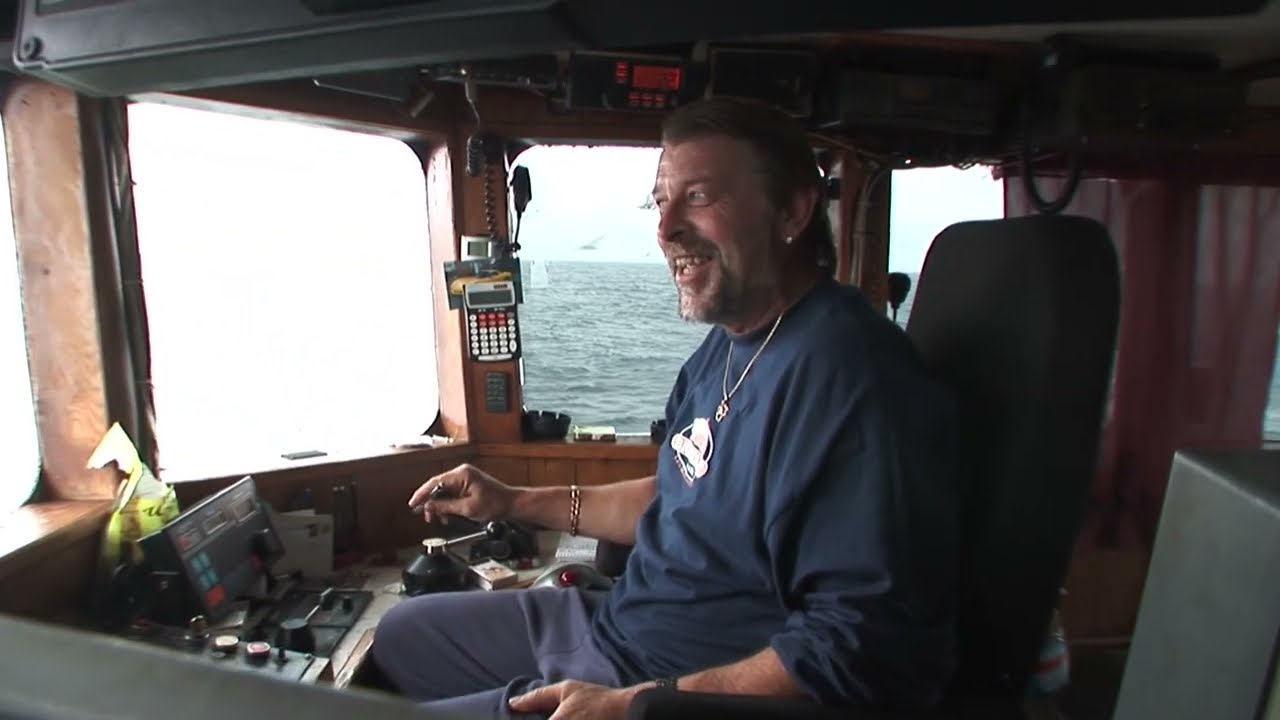
Crab boats in the Bering Sea, forty-foot waves, and captains chain-smoking through the worst commute on Earth. Discovery's deckhand documentary turned Sig Hansen and Captain Phil into household names and made armchair viewers experts on pot counts and ice-covered rigging.
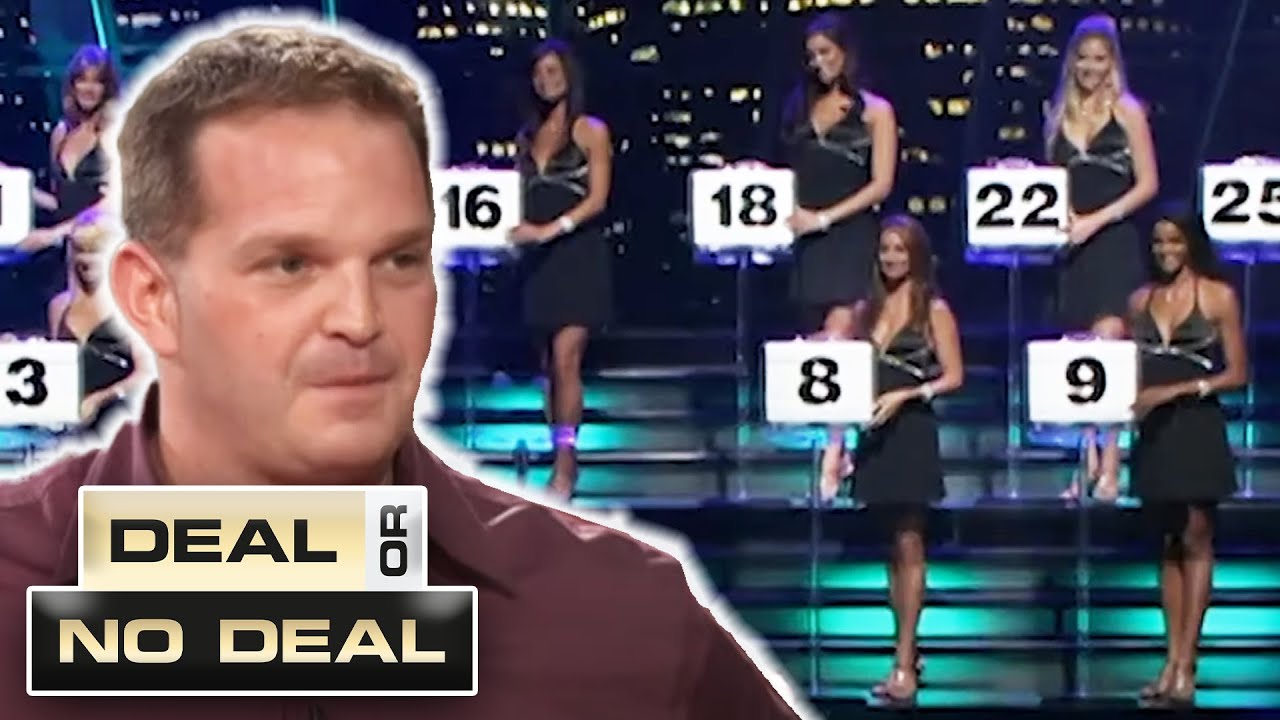
Twenty-six briefcases, a wall of identically dressed models, a shadowy Banker on the phone, and Howie Mandel asking the only question that mattered. No trivia, no skill — just a fist bump, a gut feeling, and America yelling "NO DEAL!" at the television.
The Canadian teen drama that tackled real issues—sex, drugs, violence, identity—with frankness American TV wouldn't touch. Canadian-made, it ran 14 seasons and 385 episodes — and reached US millennials through Noggin's teen block The N, launching (among others) a young rapper-to-be named Aubrey Graham.
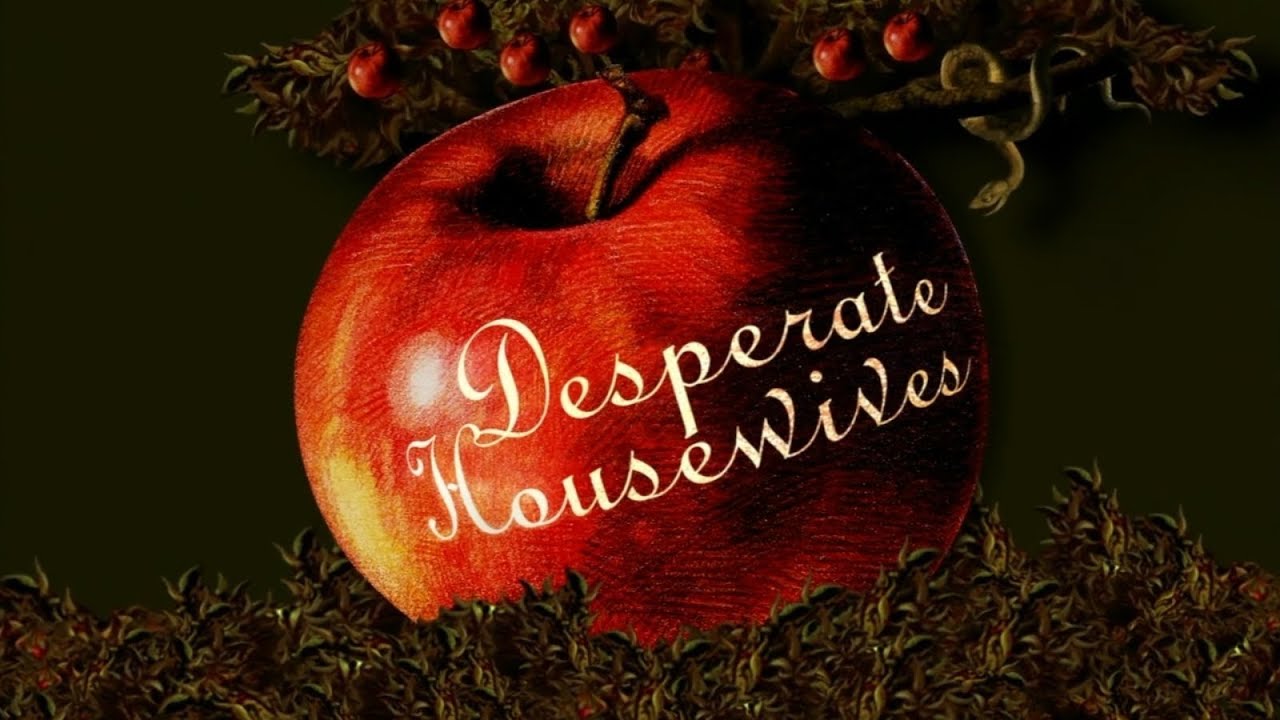
Wisteria Lane looked perfect — the lawns, the casseroles, the cul-de-sac waves — and every bit of it was a cover story. Narrated by a neighbor who takes her own life in the show's first minutes, ABC's suburban satire-soap made Sunday night appointment television again and turned four housewives into the biggest stars on TV.

A pint-sized boy genius with a secret laboratory hidden in his bedroom, a fake scientist's accent, and one recurring problem: his fun-loving sister Dee Dee, who breezes in and wrecks everything by pushing the wrong button.

The Henson sitcom in full-body animatronic dinosaur suits — and quietly one of the darkest shows ABC ever aired. Baby Sinclair's "Not the mama!" and "I'm the baby, gotta love me!" were everywhere in the early 90s, right up until the finale ended the series with an actual ice-age extinction.

Mike Rowe in a sewer, cheerfully. Discovery's ode to the people who do the work nobody wants — and the host who spent a full day doing every job right alongside them, badly, gratefully, and narrating the whole time.

The made-for-TV Disney Channel movies you cleared your Friday night for — Halloweentown, Zenon, Smart House, and eventually the High School Musical juggernaut. The premiere was an event, and you'd seen it ten more times by the next weekend.

A little Latina girl and her monkey friend Boots set out to solve puzzles and teach you Spanish — after pausing mid-episode to stare into the camera and wait for your answer. The franchise grew into a preschool juggernaut, but the real legacy is twofold: the little-sibling memory, and the meme of the Dora pause itself.

Nickelodeon's messiest game show: take the money or take the physical challenge — and the physical challenge always meant getting slimed. Marc Summers, the giant obstacle course, and the human nose you dug through.

The banana-yellow-sweater-vest kid, his journal narration, his crush on Patti Mayonnaise, and his daydream alter-ego Quailman. One of the original three Nicktoons — it actually aired first.
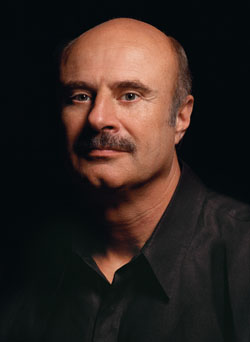
Television's tough-love Texan — the bald psychologist Oprah discovered in a courtroom and turned loose on daytime TV in 2002. For 21 seasons he grilled feuding families and troubled teens with folksy bluntness, until 'getting sent to Dr. Phil' became the culture's shorthand for an intervention.

The after-school anime that taught a generation of American kids the words "Super Saiyan." Adapted from Akira Toriyama's manga and animated by Toei, Dragon Ball Z turned multi-episode power-ups, screaming energy charges, and glowing gold hair into appointment television — most of all on Cartoon Network's Toonami block.
![Video thumbnail — Dragon Tales (1999) - Opening Theme Song [4K]](https://i.ytimg.com/vi/Syz6J9izWzM/maxresdefault.jpg)
The magic rhyme you can still recite by heart. This Sesame Workshop gem brought five dragons to PBS preschool: Cassie, Ord, the squabbling twins Zak and Wheezie, and wise old Quetzal. Three seasons, ninety-four episodes, one eternal earworm.

The odd-couple sitcom that dominated Nickelodeon screens in the early 2000s. Drake Bell and Josh Peck as mismatched step-brothers—one cool and laid-back, one neurotic and anxious—got into schemes that escalated from household mishaps to ridiculous chaos, and it was impossible not to laugh along.

A profane, darkly funny HBO series about a washed-up baseball pitcher who returns to his hometown with nothing but a mullet and monumental delusions. Created by Danny McBride (who also stars), it turned small-town mediocrity into comedy gold.

Three kids with the same name and one unstoppable goal: scam the neighborhood kids out of quarters for jawbreakers. Ed, Edd n Eddy ran a full decade on Cartoon Network and turned suburban con artistry into an art form.

One movie star, his three guys from Queens, and the super-agent screaming them all toward the top. Entourage was HBO's mid-2000s fantasy of Hollywood — Maseratis, premieres, Malibu — and Jeremy Piven's Ari Gold turned "let's hug it out" into the decade's boardroom catchphrase. Aspiration as entertainment, and for a few years it absolutely worked.

Michael Crichton's high-velocity emergency-room drama gave network television permission to be dense, technical, and chaotic. Gurneys crashing, doctors walking and talking through hallways, trauma in real time — it changed what television drama could do.

A puppet show on Nick Jr. where a sorceress-in-training and her band of bumbling friends lived inside a giant's wind-up music-box castle. Dragons tripped over their own tails, a bat crash-landed insisting he meant to do that, and every episode wrapped adventure in giggles. For most 90s kids the real memory is the reruns — a Nick Jr. staple that kept the castle alive well past its original run.

Louis versus Ren, chaos versus perfectionism — the Disney Channel sitcom that let a young Shia LaBeouf demolish every scene he was in. Three seasons of schemes, a beloved musical episode, and a send-off movie, all before anyone knew what a Transformer was.
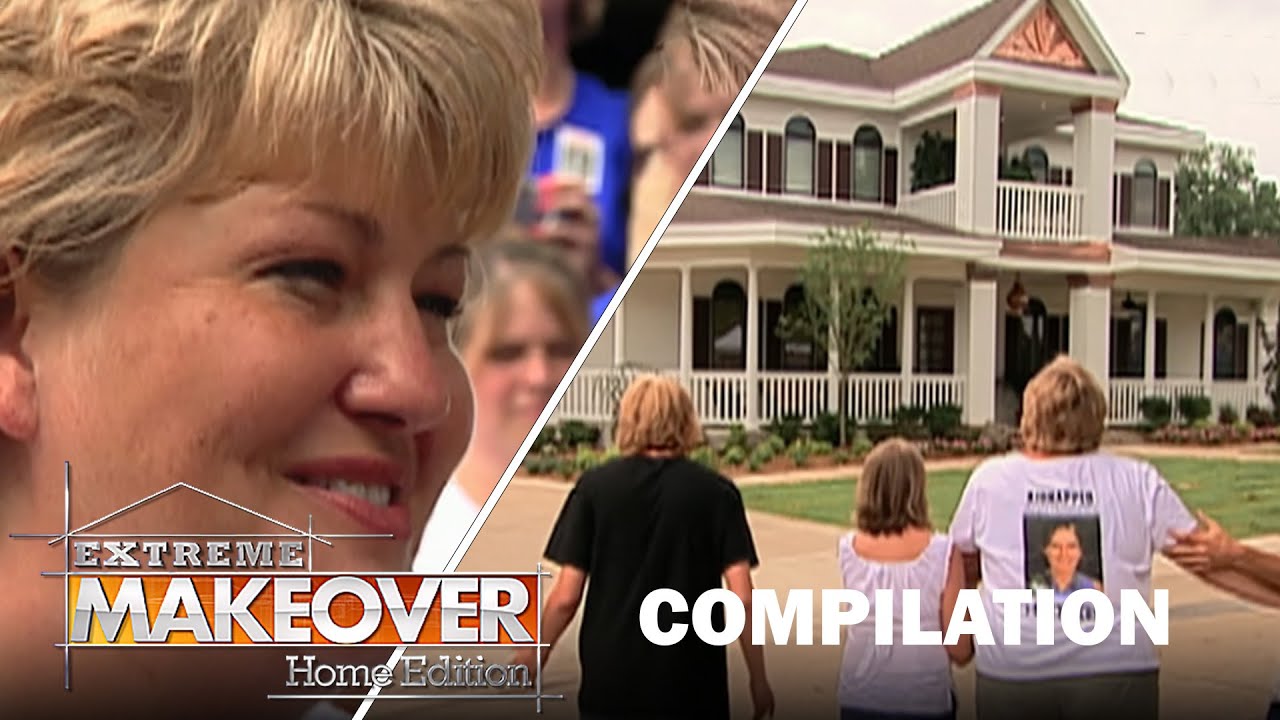
A family facing hardship gets sent on vacation while a crew of designers completely rebuilds their house into a dream home — then comes the reveal, a crowd gathers, and the chant erupts: "Bus driver, move that bus!" This was comfort-food television at its warmest, the feel-good juggernaut of the 2000s.
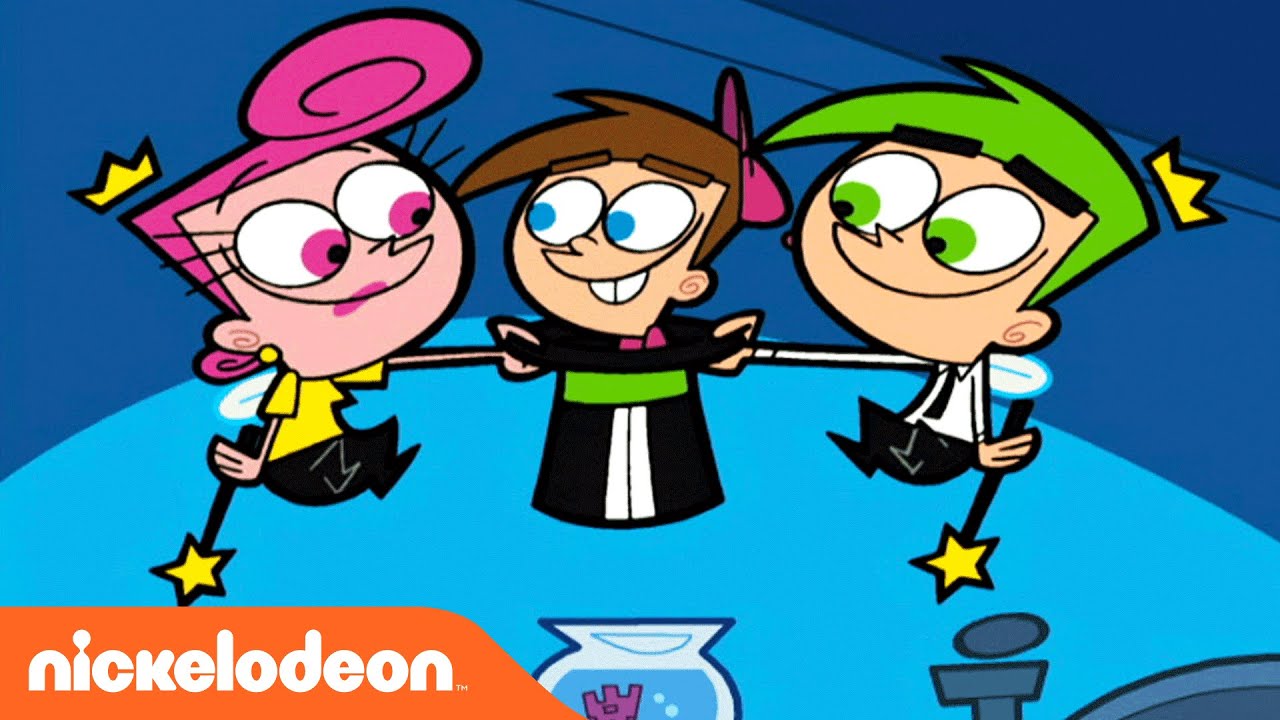
Timmy Turner's fairy godparents Cosmo and Wanda granted every wish—and every wish went catastrophically wrong. Nickelodeon's absurdist comedy about a miserable kid with unlimited magical wishes became a juggernaut that somehow survived 16 years, backseat-driven by evil babysitter Vicky and Mr. Crocker's obsessive screams.
The Griffin family of Quahog, Rhode Island—led by bumbling dad Peter, his wife Lois, and their motley crew of kids and pets—became a Fox phenomenon after its Super Bowl XXXIII premiere in 1999. A sharp departure from typical sitcom fare, Family Guy was built on rapid-fire cutaway gags and irreverent humor. Though Fox canceled it after just three seasons, a DVD renaissance in 2003 became so successful it sparked a network reversal—the show's comeback is considered television's first revival based on DVD sales.

A Chicago cop's family became Friday-night must-watch TV: the Winslows, anchored by Reginald VelJohnson fresh off Die Hard — and the nerdy next-door neighbor who was only supposed to appear once. Steve Urkel's snorting laugh, suspender-snapping chaos, and "Did I do that?" turned a guest spot into the gravitational center of eight seasons on ABC.
Six strangers, three progressively insane stunts, $50,000 on the line. Fear Factor turned watching people eat bugs and face their worst nightmares into appointment television, and Joe Rogan's deadpan 'Evidently, fear is not a factor for you' became the phrase you repeated at anyone who hesitated at anything.

A kid with a weird secret talent, a panel of Nickelodeon stars guessing it word by word on Billy the Answer Head, and the ever-looming Secret Slime Action ready to douse someone for "looking to the left." Summer Sanders kept order; nobody stayed dry.

Flight of the Conchords stars Bret McKenzie and Jemaine Clement as fictionalized versions of themselves—a deadpan New Zealand musical-comedy duo struggling to break into the NYC music scene while writing and performing original songs. Created by James Bobin, Jemaine Clement, and Bret McKenzie, the show aired on HBO from 2007 to 2009 with a small but devoted cult following. Their oddball manager Murray Hewitt (Rhys Darby) and their lone superfan Mel (Kristen Schaal) round out their world. Signature songs like 'Business Time' and 'Hiphopopotamus vs. Rhymenoceros' became instant cult classics.
![Video thumbnail — Foster's Home for Imaginary Friends - Theme Song [HQ]](https://i.ytimg.com/vi/WyDu2DEavVg/hqdefault.jpg)
What happens to your imaginary friend when you grow up? At Madame Foster's home, they wait to be adopted — and there are a LOT of abandoned imaginary friends. A found-family show with one of the great cartoon casts of the 2000s.

Jim Henson's underground puppet world of Fraggles, Doozers, and Gorgs — a whole ecosystem quietly built to teach peace and interdependence, wrapped in songs. If you were a 90s kid, you caught it in reruns, and "Dance your cares away" is still lodged somewhere in your head.

A radio psychiatrist, his even fussier brother, their blue-collar dad in a duct-taped recliner, and a dog with a staring problem. Frasier turned sherry, opera, and wounded pride into eleven seasons of the most decorated comedy on television — then Kelsey Grammer sang you out over tossed salads and scrambled eggs.
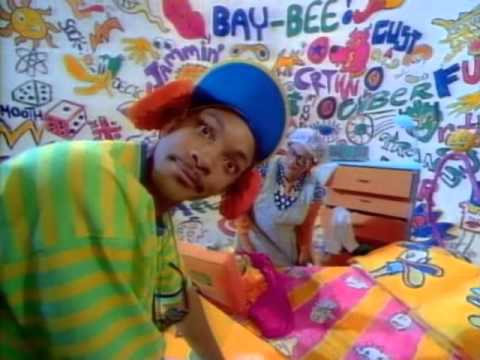
NBC's six-season hit brought hip-hop culture to mainstream network TV, launching Will Smith from music-industry crisis to acting stardom. A sitcom pitched by music manager Benny Medina about his own rags-to-riches story, it gave the world one of the most recited theme songs ever — and Alfonso Ribeiro's Carlton Dance defined a generation's pop-culture moves.

NBC's ten-season juggernaut turned Central Perk into a real place and gave six 20-something New Yorkers the kind of friendship every 90s kid wanted. Rachel's haircut, Monica's apartment, Ross and Rachel's will-they-won't-they, and that theme song — an inescapable cultural monument that redefined the sitcom.
![Video thumbnail — Full House - Intro [HQ]](https://i.ytimg.com/vi/2EL65KLdEHE/hqdefault.jpg)
The Tanner family's San Francisco home was always full of hugs, life lessons, and sappy catchphrases. Bob Saget, John Stamos, and Dave Coulier anchored this audience-beloved sitcom that critics despised, while the Olsen twins charmed viewers as Michelle.

Delivery boy Fry cryogenically freezes and wakes in the year 3000 to join a space-shipping crew led by the sardonic Leela and foul-mouthed robot Bender. Created by Matt Groening, this sci-fi comedy was staffed with Ph.D.s—the writers brought genuine math-smart humor and surprising emotional depth. Fox premiered it in 1999, but it became a cult phenomenon on Comedy Central; episodes like 'Jurassic Bark' showed its tearjerking side, and it won six Emmy Awards over its life.
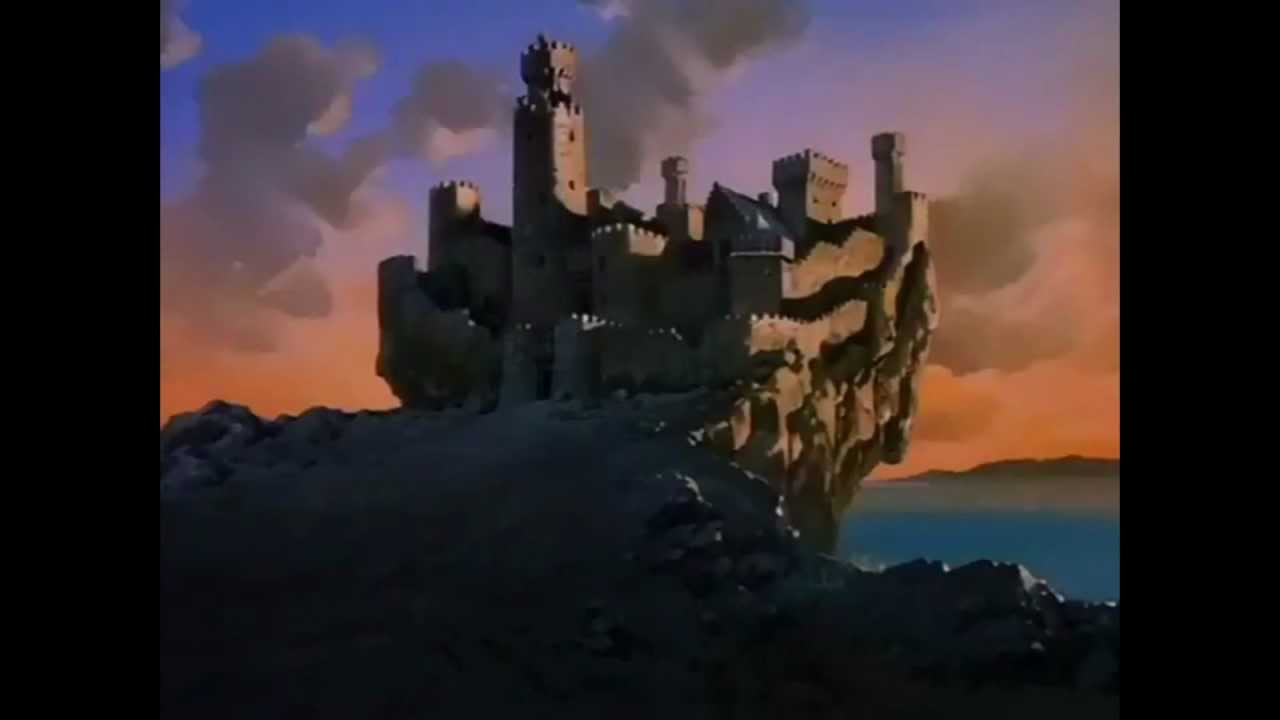
Disney's dark, Shakespeare-quoting cult classic: stone gargoyles who wake after a thousand years to protect modern Manhattan by night. Half the voice cast came straight from Star Trek: The Next Generation.

A comedian playing himself, a factory job, a meddling mom, and War's "Low Rider" kicking off every episode. Championed by Sandra Bullock and built from George Lopez's real San Fernando Valley childhood, the show became one of the rare network comedies with a Latino lead — then ran nearly thirteen more years on Nick at Nite after ABC was done with it.
The mother-daughter show that talked faster than anything else on television. Lorelai and Rory Gilmore, a small Connecticut town full of lovable cranks, Luke's coffee, Friday-night dinners — Gilmore Girls premiered on The WB in 2000 as an underdog and became the comfort-watch a whole generation never stopped rewatching.
An anonymous blogger narrates the scheming and social apocalypses of Manhattan's prep-school royalty, and every scandal ends the same way: "xoxo, Gossip Girl." The guilty pleasure that had parents clutching pearls and teens clutching their DVRs.

The medical drama that owned the mid-2000s, built on a textbook pun, powered by "McDreamy," and anchored by a romance storyline so devastating it wrecked living rooms nationwide. Shonda Rhimes' midseason gamble became appointment television — and it still hasn't stopped.

The Disney Channel sitcom where Miley Stewart lived a secret double life as pop star Hannah Montana, complete with the unforgettable theme "The Best of Both Worlds." It premiered March 24, 2006 and ran until January 16, 2011, launching Miley Cyrus's career and creating a merchandising phenomenon.
Ordinary people wake up with extraordinary powers, and NBC's 2006 serial made watching them find each other appointment television. "Save the cheerleader, save the world" became the rallying cry of a show that felt, for exactly one season, like it could save television too.

Football-headed Arnold navigating urban life with his boarding house family. Nickelodeon's unusually melancholy animated series about childhood loneliness, gentrification, and the quiet moments between the gags.

Nickelodeon's dude-ranch teen sitcom, set at the Bar None Ranch out in the Arizona desert. One of the network's first live-action comedies, it became a rerun staple that a whole generation caught after school.
Tim Allen's 'Tool Man' ruled the suburban garage with more power and less wisdom than any homeowner should wield. Home Improvement was a blue-collar sitcom about mishaps, masculinity, and the perpetual mystery behind Wilson's always-hidden fence.

The cane-tapping misanthrope, the puzzle-box cases, the Vicodin addiction, the mantra that everybody lies, and the rule that it's never lupus — House was the prestige procedural where every disease was a mystery to solve. Hugh Laurie's imperious Dr. Gregory House became appointment television for the 2000s and the most-watched show in the world in 2008.
Nine seasons of Ted Mosby and his friends navigating love, jobs, and growing up in New York, all framed as a 2030 father telling his kids the long, winding story of how he finally met their mom. Barney's "legen—wait for it—dary" catchphrase became a cultural reflex, and that yellow umbrella haunted the fan forums for years. The 2014 finale split the internet like few series endings ever have, but the journey itself became the real nostalgia.

The Nickelodeon sitcom about a teenage girl running a web show from her apartment, perfectly capturing the moment when online video became the new fame. Carly, Sam, and Freddie's shenanigans and random web-show bits defined what a generation thought being internet-famous looked like—before YouTube influencers made it real.

Keenen Ivory Wayans brought irreverent Black sketch comedy to primetime and stacked the cast with unknowns named Jim Carrey, Jamie Foxx, and David Alan Grier — while the Fly Girls' dance breaks included a young Jennifer Lopez. It won an Emmy in its first season, and its live Super Bowl halftime stunt rewrote how the NFL books the big game.

The bumbling cyborg inspector with a gadget for every situation, voiced by Get Smart's Don Adams, became a 90s institution through reruns that bracketed the decade. For most kids, Gadget wasn't a show from before their time — it was just always on.
Zim is an alien invader from the Irken empire sent to conquer Earth, except he's terrible at it — and his malfunctioning robot servant GIR, disguised as a green dog, is somehow worse. Jhonen Vasquez's creation was Nickelodeon's darkest, weirdest cartoon, and the network killed it fast. The kids who found it never let go.

MTV's notorious stunt-and-prank show, in which a crew of grown men hurt themselves for your entertainment. Premiering on October 1, 2000, it strung together shopping-cart crashes, ill-advised dares, and gross-out gags performed by Johnny Knoxville, Bam Margera, Steve-O, and the rest of the gang. Wrapped in stern on-screen warnings not to try any of it at home, it was appointment viewing for a generation of teenagers — and the launchpad for a movie franchise that's still going.

An earnest former politician reinvented as ringmaster of daytime chaos: tabloid feuds, on-stage brawls, thrown chairs, and a studio audience chanting "JERRY! JERRY!" at fever pitch. Then, after an hour of bedlam, an incongruously sincere "Final Thought" to send you off.

Boy genius with the impossible ice-cream-swirl hair, a robot dog named Goddard, and a lab under the clubhouse. "Gotta blast!" carried a movie, three seasons of the TV show, and every kid who ever wished their science-fair project actually worked. It was Nickelodeon's first cartoon drawn entirely in CGI — and it looked like nothing else on the channel.

Seven superheroes, the voices that defined a generation, and Bruce Timm's vision of what DC could be on its own terms. Justice League premiered on November 17, 2001, and became the epic centerpiece of the DC Animated Universe.

SNICK's buddy-comedy crown jewel: scheming Kenan and his orange-soda-obsessed best friend Kel, forever tangling themselves in grocery-store plots that collapsed with a shared "Awwww, here it goes!" The show taught a generation to love orange soda and made Kenan Thompson a star.
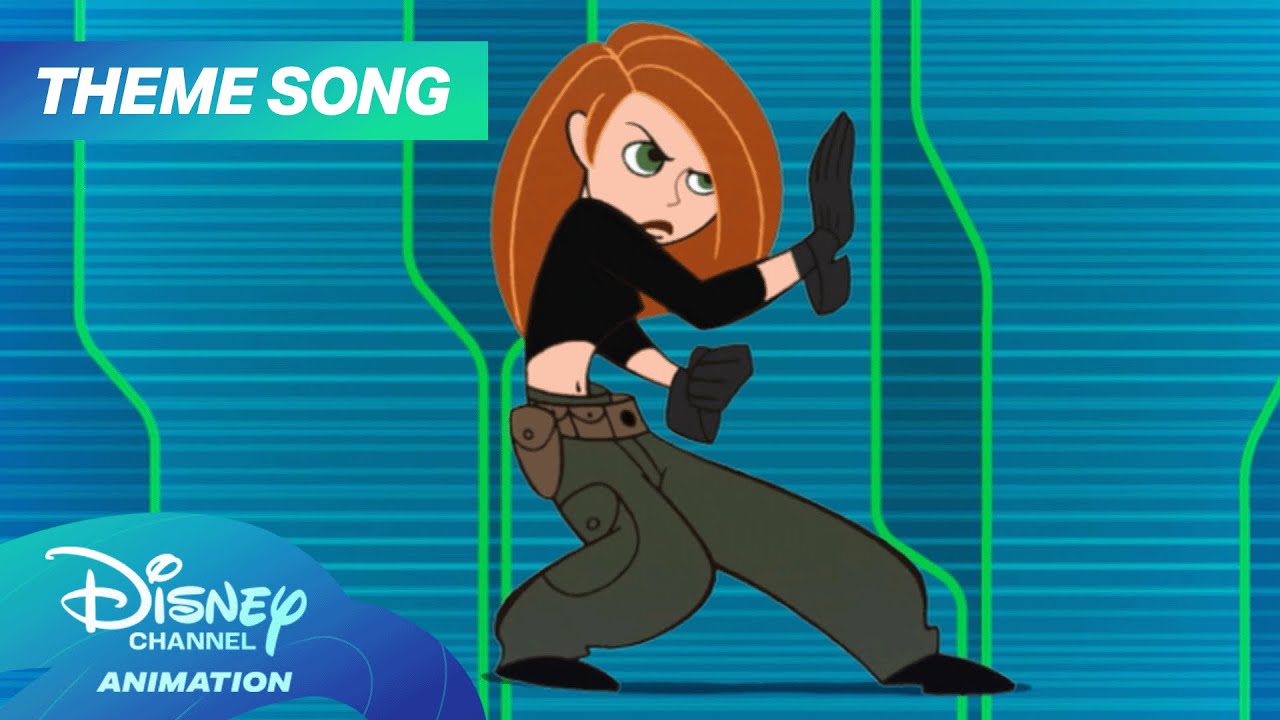
The Disney Channel animated series about high-school cheerleader and part-time crime-fighter Kim Possible, her clumsy best-friend sidekick Ron Stoppable, and his naked mole rat Rufus, foiling villains like Dr. Drakken and Shego. Catchphrases 'What's the sitch?' and 'So not the drama' became part of the language; created by Bob Schooley and Mark McCorkle.
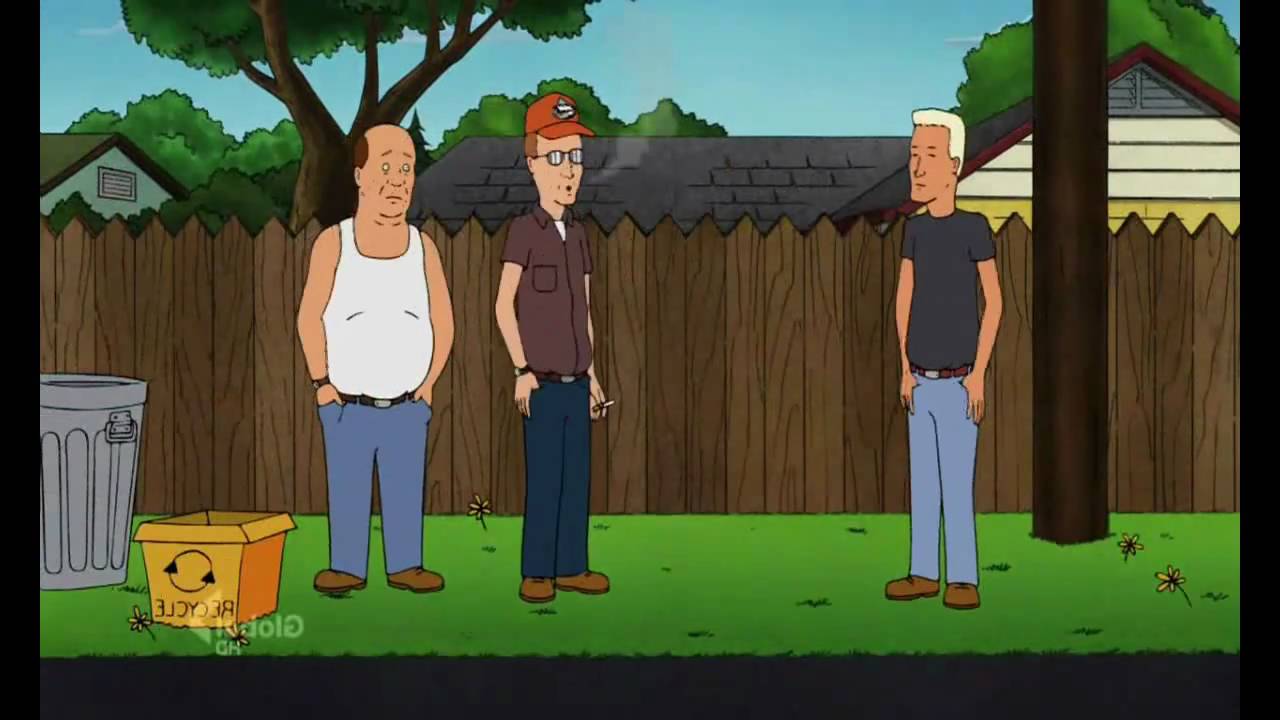
In the fictional Texas suburb of Arlen, Hank Hill tends his post as assistant manager at Strickland Propane—where he sells 'propane and propane accessories' with the understated decency that defines him. Mike Judge and Greg Daniels created a grounded animated comedy that treated its working-class characters with genuine affection, centered on the beer-drinking alley banter of Hank and his neighbors. Premiering on Fox in 1997, King of the Hill won an Emmy in 1999 and became a quiet landmark of late-90s television, proving that a show about a propane salesman could outrun trends and speak to the heart of American ordinariness.

MTV's answer to The O.C. was real: Laguna Beach High School students, sun-bleached and cinematic, playing out a triangle nobody could stop watching. Everyone picked a side—Team LC or Team Kristin—and the drama was nothing like real life.

Shari Lewis's sock-puppet ewe was already thirty-five years old when 90s kids met her on PBS's Lamb Chop's Play-Along. The show gave the decade one of its permanent earworms: "The Song That Doesn't End," which is now playing in your head again. You're welcome.
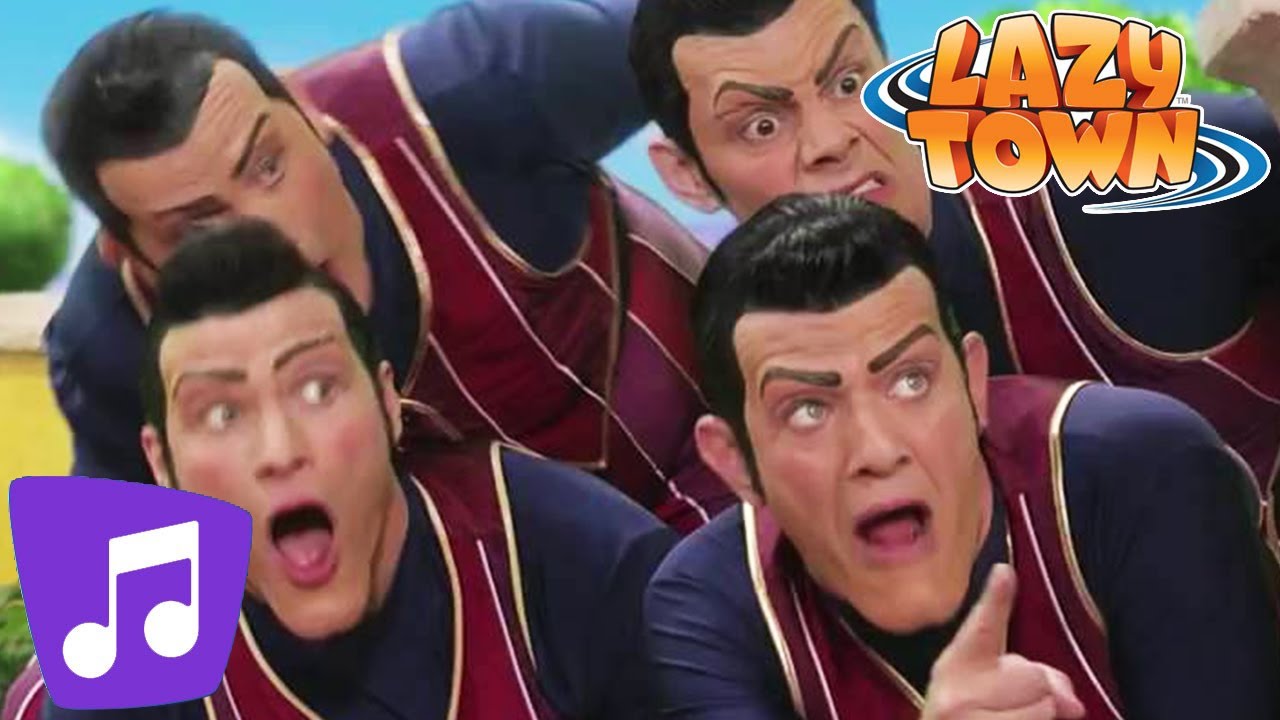
Icelandic aerobics champion Magnús Scheving created this live-action-and-puppet carnival as an impossibly expensive argument for why kids should move. Sportacus, the flipping mustachioed hero elf, wages an eternal campaign against Robbie Rotten, whose sole mission is engineering town-wide laziness. When it hit Nick Jr. in 2004, its premiere week was Nickelodeon's highest-rated in three years.

Six teams of kids competed in arcade-style obstacle courses to retrieve a relic from inside a booby-trapped temple. Hosted by Kirk Fogg and the giant talking stone head Olmec, this Nickelodeon action game show was as chaotic as it was captivating.

Four preschoolers and their sentient red rocket ship blasted off every episode to a soundtrack of actual classical music. You remember the theme — "We're going on a trip in our favorite rocket ship" — and the way each mission smuggled a museum masterpiece and a classical movement into the adventure.

Six friends, two apartments, one Brooklyn brownstone — a year before Friends existed. Queen Latifah's magazine boss Khadijah, Kim Fields's diva Régine, Erika Alexander's razor-tongued lawyer Maxine, and the guys upstairs — the Brooklyn hangout sitcom that did it all first.

Disney Channel's '00s tween sensation starring Hilary Duff as awkward Lizzie, with an animated cartoon version of Lizzie voicing her inner thoughts. The relatable humor and heart made it a cornerstone of early-2000s children's television and rocketed Hilary Duff to stardom, leading to the 2003 theatrical movie and a music career.

The ABC serial drama that turned network TV into a mystery box for six seasons. When Oceanic Flight 815 crashed on a mysterious island, survivors discovered that their new home held impossible secrets—a smoke monster, a hidden hatch, a shadowy group called "the Others"—and a mythology so complex that fans spent years theorizing about every detail.
Malcolm's a genius, he lives with a gloriously chaotic family, and yes, he's going to tell you about it — directly, to your face. "Life is unfair" was the whole thesis. Fox's Malcolm in the Middle reinvented the family sitcom by ditching the laugh track and the studio audience, and its second episode pulled 26 million viewers.

Bear Grylls gets dropped somewhere terrible, finds the one thing no human should eat, and eats it on camera. Discovery's late-2000s survival hit — equal parts genuine expertise and irresistible showmanship.

Fox's first primetime series and television's proudest anti-family sitcom: Al Bundy the hard-luck shoe salesman, Peggy, Kelly, Bud, the couch, and Sinatra singing "Love and Marriage" over it all. A 1989 boycott meant to kill it instead made it huge — and after 11 seasons it vanished without a finale.

Maury Povich opening an envelope while the studio holds its breath, then delivering the line that launched a thousand memes: "You are NOT the father!" Cue the victory dance, the backstage sprint, the audience losing its mind — an entire genre of internet humor was born on this stage.

Aaron Spelling's West Hollywood courtyard complex where every attractive young neighbor was secretly scheming against the rest. Heather Locklear's Amanda Woodward ran the building like a shark tank, and by the time Dr. Kimberly Shaw blew the place up, Melrose Place had become the guiltiest pleasure on 90s television.
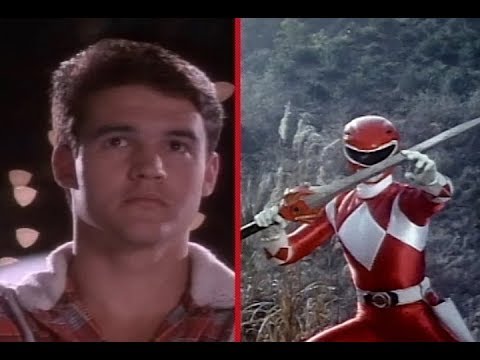
Five teenagers morph into color-coded superheroes to fight Rita Repulsa and her rubber monsters in Angel Grove. Haim Saban's audacious adaptation of Japanese suit footage and American cheesiness became an unstoppable juggernaut—kids bought the toys, wore the costumes, and shouted "It's morphin' time!" in playgrounds across America.

Fred Rogers walked in the door singing "Won't You Be My Neighbor?", traded his jacket for a cardigan and his shoes for blue sneakers, and for 33 years told children they were special exactly as they were. The Trolley to the Neighborhood of Make-Believe, the fish, the traffic light — it was television slowed to the speed of a child, and nothing else has ever felt quite like it.

Don Herbert's calm, deadpan science show where the magic was real: dry ice, eggs pulled into bottles, chemistry that made sense. Each episode, Mr. Wizard sat down with a rotating kid assistant and made the world work. No costume, no cartoon, no nonsense — just a patient man and genuine wonder.

MTV's 1990s golden era transformed the channel from music-video jukebox into a cultural force, with Total Request Live (TRL), The Real World, Beavis and Butt-Head, MTV Unplugged, and a rotation of music videos that defined the decade's soundtrack. Music Television delivered exactly what it promised: a place where youth culture, music, and rebellion converged on cable.

The MTV show that walked you through celebrities' mansions, one "welcome to my crib" at a time. Premiering on September 12, 2000, it turned the house tour into appointment television: the car collections, the home theaters, the walk-in closets, and the wall-to-wall excess. It also became infamous for stars who padded their episodes with rented mansions and borrowed cars, which only made it more fun to watch.
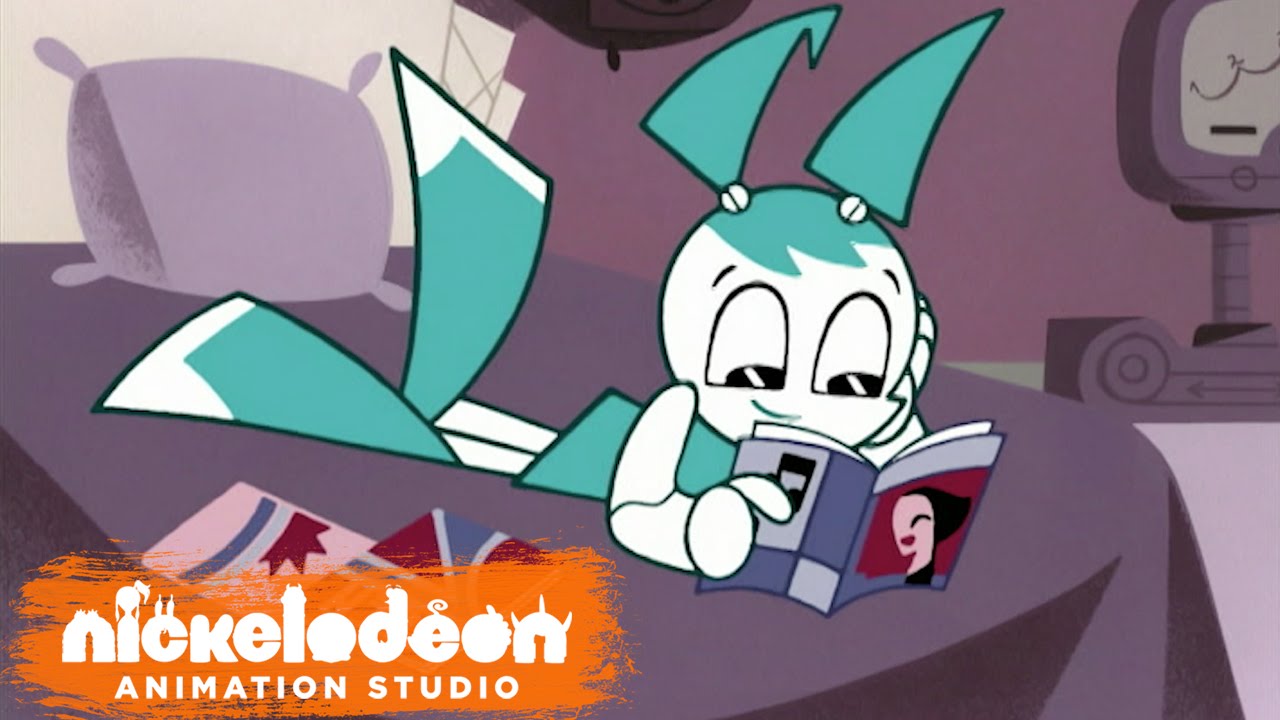
Nickelodeon's art-deco superhero cartoon about XJ-9 — 'Jenny,' please — a world-saving robot who would rather be at the mall. Rocket fists, gorgeous retro-futurist design, and the eternal struggle of being both Earth's protector and the weird new kid.

Nineteen episodes of Angela Chase's unsparing inner monologue — and of Jordan Catalano leaning against things. One season, canceled, and mourned so hard the internet invented the save-our-show campaign for it.

A guy in a jumpsuit and two wisecracking robots, silhouetted against the worst movies ever made, talking back to the screen so you didn't have to. Mystery Science Theater 3000 turned bad cinema into appointment comedy — and taught a generation that heckling could be an art form.

Adam Savage and Jamie Hyneman, two special-effects veterans and a crash-test dummy named Buster, testing urban legends with real experiments and — whenever remotely possible — explosions. MythBusters was every 2000s science class's reward day, and it convinced a generation that engineering was cooler than anything in the textbook.

A young ninja in an orange jumpsuit, ostracized by his village, dreams of becoming Hokage. Naruto Uzumaki's long-running shonen saga about friendship and determination became the hook that pulled American kids into anime culture.

Ned Bigby had a tip for everything — lockers, crushes, bullies, picture day — and he and his best friends Moze and Cookie put the guide to the test daily at James K. Polk Middle School. For three seasons of hallway chaos, Nickelodeon turned surviving seventh grade into a how-to manual.
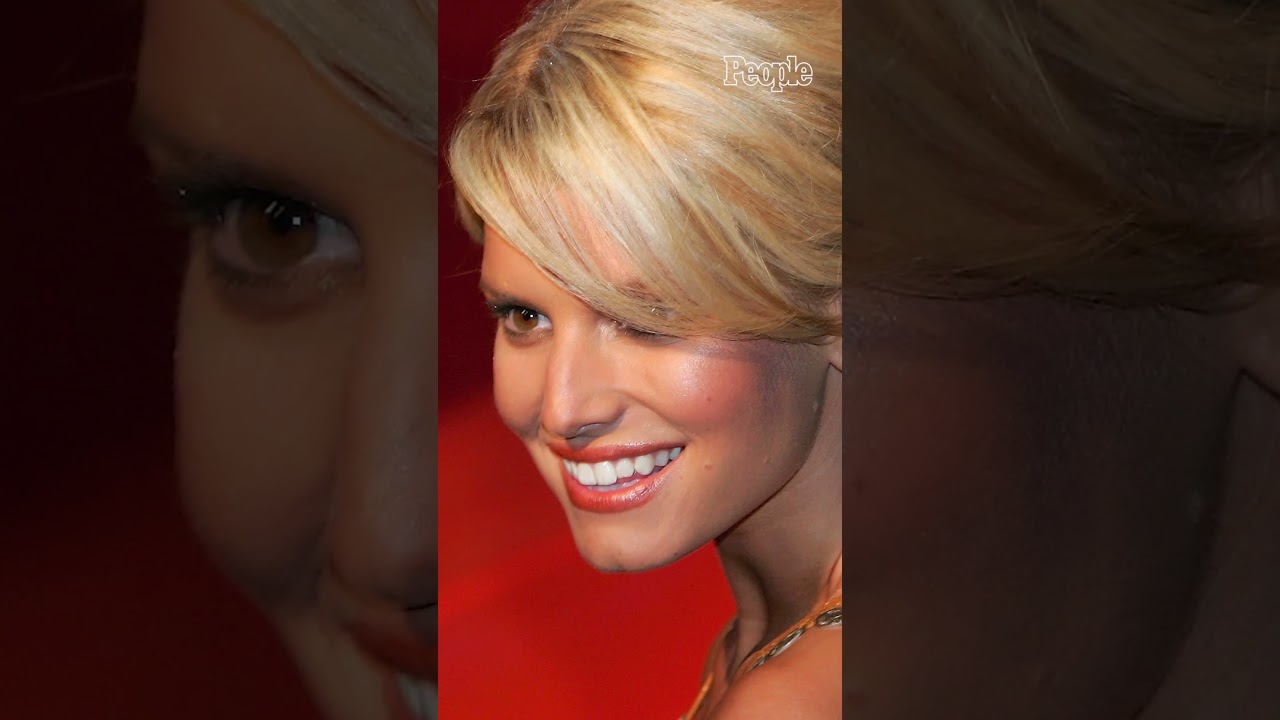
MTV's cameras moved in with pop's most photogenic married couple and struck gold in the very first episode, when Jessica Simpson stared at a can of tuna and asked, "Is this chicken, what I have, or is this fish?" Newlyweds turned domestic squabbles about laundry and Chicken of the Sea into appointment television — and made Nick and Jessica bigger than either of their music careers ever had.

A New York City all-news radio station staffed by characters too smart for their own good: a boyish news director, a pompous anchorman, an eccentric billionaire owner, and the kind of ensemble whose timeslot NBC moved eleven times because the network never quite knew what it had.

You remember it running for years — it was actually two quick seasons, all in 1992, kept alive by reruns until 1997. Phil Moore sent kids "to the Video Zone!", the green-screen finale where you physically jumped around inside a video game and almost always lost. The dream of every kid with a Genesis and a dream.

Past your bedtime, the TV glowing in the dark, your parents' childhood sitcoms unreeling while you drifted off. Nick at Nite turned Nickelodeon into a time machine after 8 p.m., swapping cartoons for decades-old classics. Those shows didn't belong to you — they belonged to them — and that made watching feel like stolen time.

The wacky five-to-thirty-second interstitials wedged between shows — the orange splat that could be anything, the goofy stop-motion and live-action idents, and the sung "Nickelodeon" jingle. There were a million of them, and 90s kids remember them as fondly as the shows.
An extreme-sports game show where three kid athletes competed in over-the-top events, many of them strapped into bungee harnesses. Hosted by Mike O'Malley and refereed by Moira Quirk, it crowned winners with a gold GUTS medal and a glowing piece of the legendary Aggro Crag. That final mountain climb — Aggro Crag, Mega Crag, or Super Aggro Crag — was the holy grail of 90s kids' TV.

Saturday morning TV with its own zip code. Disney's One Saturday Morning was a two-hour kingdom of cartoons, weird interstitials, and a virtual set that made Saturday feel like a show inside a show. For five years it was the place to be before the rest of the house woke up.
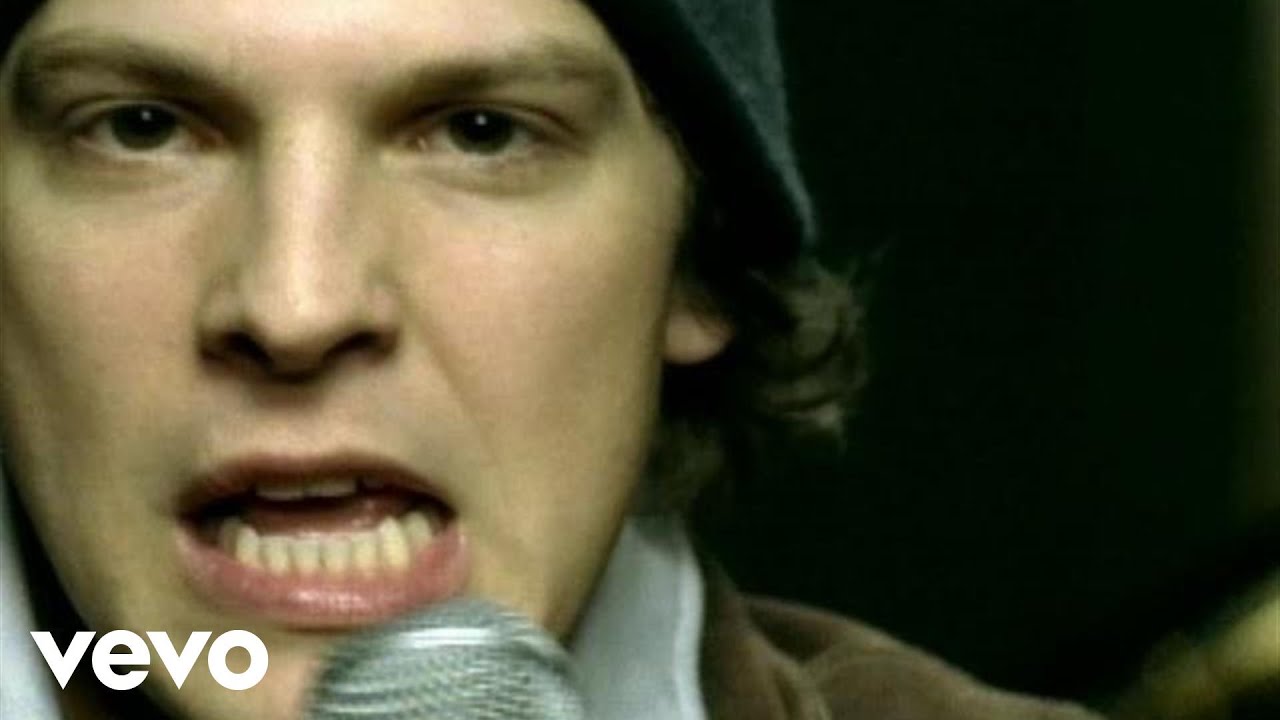
Half-brothers, one basketball court, one small North Carolina town. One Tree Hill turned its episode titles into a running playlist and taught a generation that brooding on a riverside court wasn't just a mood — it was an identity.

Nickelodeon's cult-favorite series about two red-haired brothers, both named Pete, navigating a suburbia that was equal parts mundane and magical. Between the deadpan narration, the indie-rock soundtrack, and Artie, the Strongest Man in the World, it was a kids' show smart enough for adults.

Xzibit takes your hopeless beater to the shop and it comes back with a fish tank, seven screens, and flames. MTV's most gloriously absurd makeover show — and the birthplace of "yo dawg, I heard you like…"
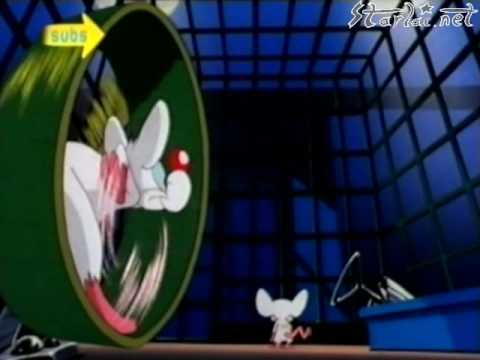
Two lab mice, one plan: try to take over the world. Every night. The Brain schemed, Pinky said 'Narf,' and a generation learned to answer 'Are you pondering what I'm pondering?' with something gloriously beside the point.

Eleven episodes, five years of filming, and one planet showing off. The BBC's 2006 landmark was the first nature documentary series the corporation shot in high definition, and it turned nature TV into event television — the show everyone bought an HDTV to justify, narrated by David Attenborough (or, if you watched it on Discovery, Sigourney Weaver).
Ash Ketchum's journey to be the very best became a national obsession when the 4Kids English dub hit US syndication in 1998 and moved to Kids' WB in 1999. Pokémon wasn't just a show — it was your Saturday morning, your lunch-table trading-card argument, and one organism with the Game Boy games on every playground in America. Team Rocket blasting off again was the ritual you tuned in for, every single week.
Ashton Kutcher's hidden-camera prank show, and one of MTV's signature 2000s hits. Premiering on March 17, 2003, it ambushed celebrities with elaborate staged disasters — fake arrests, fake tax seizures, fake catastrophes — and filmed them melting down before the big reveal. The Justin Timberlake episode, in which he was led to believe the government was seizing his home over unpaid taxes, became one of the most famous pranks in reality-TV history.

"Butterfly in the sky, I can go twice as high." LeVar Burton spent more than two decades on PBS making one argument, gently and relentlessly: books are where the good stuff is. Then he'd hand the microphone to kids to review them — because you didn't have to take his word for it.

The competition show that threw The Real World and Road Rules casts into the same arena and let them fight it out for cash. Premiering on MTV on April 20, 1998, it evolved through several names — from Road Rules: All Stars to Real World/Road Rules Challenge to, eventually, just The Challenge — and became a physical, strategic, elimination-driven staple of MTV's 2000s lineup. Improbably, the spin-off outlived both of the shows that created it.

A whole city lived inside a computer, and every time the unseen User loaded a game, a giant cube dropped out of the sky and the heroes had to win it from the inside — or lose the neighborhood. ReBoot was one of the first all-CGI TV series, and its blocky polygonal world felt genuinely alien in 1994.

The elementary-school playground reimagined as its own nation — with a king, its own laws, and six kids just trying to survive until the bell. Recess made recess itself the whole point.

The unhinged Nicktoon about a psychotic chihuahua and a dim-witted cat — gross-out close-ups, surreal violence, and adult humor that sailed clean over kids' heads (and past a lot of censors). One of the original three Nicktoons, and the one that pushed hardest at the edges.

A handheld COPS parody that never broke character. The hapless deputies of a fictional Reno Sheriff's Department stumbled through investigations with the deadpan energy of a mockumentary, mixing inspired improvisation with the comfort of a familiar ensemble—short-shorts, bad judgment, and the weird alchemy of characters who felt like actual people. Six seasons of controlled chaos.

A 24-year-old Hairspray cult heroine hosting a talk show aimed at teenagers and college kids instead of suburban moms — the anti-Oprah move that redefined daytime TV for Gen X. The studio audience chanting "Go Ricki! Go Ricki!" became the sound of an entire generation feeling seen.

The Real World's road-trip sibling, and one of MTV's defining 90s reality shows. Premiering on July 19, 1995, it stripped five or six strangers aged 18 to 24 of their money and packed them into an RV, sending them from place to place to complete missions and chase clues. The Winnebago, the cramped quarters, and the scavenger-hunt format made it its own thing — and it spun off the long-running competition series that would eventually outlast both of its parents.

Four friends in a Southern California beach town who lived for surfing, skateboarding, and street hockey. Rocket Power bottled the turn-of-the-millennium extreme-sports craze — all attitude, boardshorts, and "friends before competition."

Rocko the wallaby and friends stumbled through suburban absurdism in a show that smuggled adult satire past Nickelodeon's censors. Crude, weird, and weirdly brilliant — the launching pad for future SpongeBob creators.
The loudest kitchen table on television. Roseanne Barr and John Goodman as Dan and Roseanne Conner, working double shifts in Lanford, Illinois and trading wisecracks about bills, kids, and each other — the sitcom that made a struggling blue-collar family the biggest thing in prime time.

Alien teens hiding in plain sight in a New Mexico high school — sci-fi wrapped in teen romance, set around a kitschy diner where everything came doused in Tabasco. It only ran three seasons, but its fans mounted one of TV's most famous save-our-show campaigns, mailing bottles of hot sauce to the network.

Nickelodeon's wildest Saturday-night experiment: sketch comedy fused with full dance numbers and musical performances, taped before a live audience. Built around the "Anyfamily" and their everyday problems, each episode ended with the cast singing the theme a cappella over the credits. It debuted on SNICK's opening night in 1992.
Nickelodeon's 1991 animated series gave the world the Pickles household — a group of talking babies narrating their daily adventures and misadventures with brilliant, absurdist humor. Rugrats proved that cartoons for kids didn't need to be dumbed down; the show's clever writing and wild imagination made it appointment TV for 90s kids and their parents.
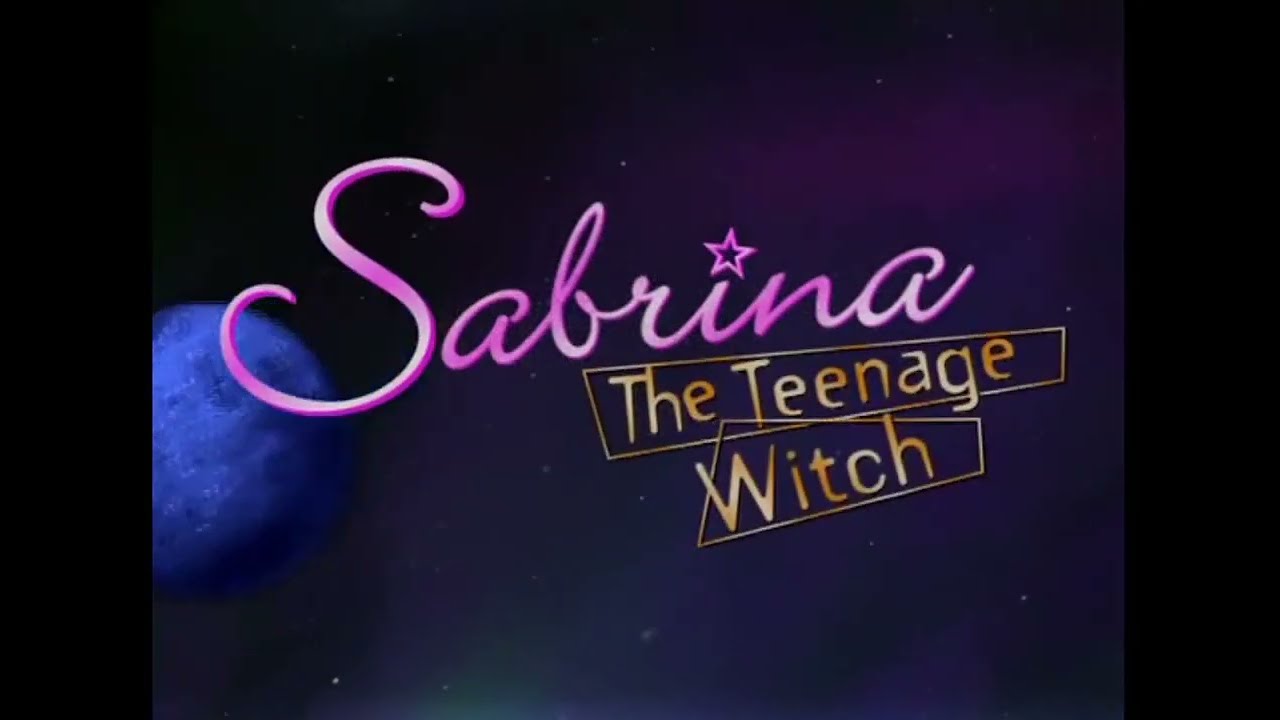
Melissa Joan Hart pointing a finger to zap her problems away, with a wisecracking talking cat named Salem and two witch aunts. A staple of ABC's TGIF block, Sabrina turned a teenage witch's coming-of-age into must-watch Friday-night TV.

The Japanese magical-girl anime that took North America the long way around: transformation sequences, a talking cat, saving the world in a sailor uniform, and a catchphrase declaimed on a thousand playgrounds. By the time Toonami got hold of it, you couldn't escape it.

Nickelodeon's summer-camp sitcom set at Camp Anawanna, where the campers ran circles around counselor Ug and bully Bobby Budnick ruled the bunk. The theme song — "Camp Anawanna, we hold you in our hearts" — is permanently lodged in every '90s kid's memory.
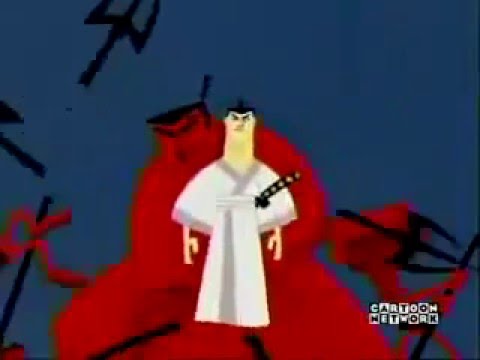
A feudal swordmaster flung into a dystopian future wages a quest to return home — wielding a magical katana against a shapeshifting demon in near-silent, gorgeously cinematic episodes that borrowed from '70s film and manga masters. Tartakovsky's samurai epic ran four seasons without ending its story — a cliffhanger that wouldn't resolve until 2017.

NBC's Saturday-morning teen phenomenon turned Bayside High into a cultural institution. Zack Morris and the gang ruled The Max with fourth-wall-breaking time-outs, a brick-sized Motorola phone that screamed early 90s, and enough melodrama to launch a thousand spin-offs.

The hospital show that could cut from a surreal daydream about a floating head to genuine grief—all in one episode. Scrubs proved that comedies could be funny and devastating, that a laugh track wasn't required when your writing was this sharp, and that TV bromance could hit as hard as any drama.

An ordinary kid gets doused by an experimental chemical on the walk home from school and comes away with powers — telekinesis, finger-tip electricity, and the ability to melt into a puddle of silver goo. Then she has to keep it secret from everyone.

"A show about nothing" created by Jerry Seinfeld and Larry David became everything. NBC's quirky hit turned observational humor about minutiae—shirt buttons, parking spots, the mechanics of social obligation—into the decade's most quotable comedy.

Four single women navigate New York nightlife, relationships, and Manolo Blahnik shoes. HBO's June 1998 breakout became the defining show of female friendship and the cosmopolitan—literally.

MTV's gloriously unfiltered dating game: a 50-person dating pool eliminated in real time by one picker who couldn't even see them. Chris Hardwick steered the chaos while Jenny McCarthy — and later Carmen Electra — egged everyone on. It was peak mid-90s MTV: loud, hormonal, zero filter.
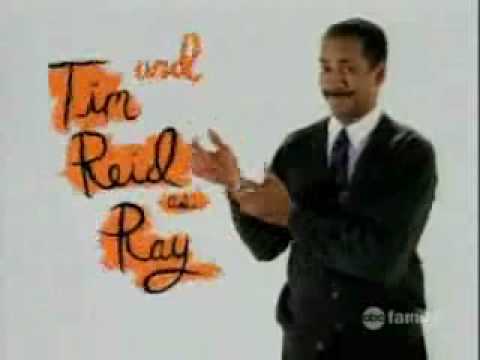
Identical twins separated at birth, reunited as teenagers, and determined never to be split up again. Sister, Sister made real-life twins Tia and Tamera Mowry Friday-night royalty — first on ABC, then on The WB — and gave television one of its great unanimous verdicts: "Go home, Roger!"

A band of travelers trapped sliding through parallel universes, each one stranger than the last, racing against a countdown timer to find their way home. Jerry O'Connell led this 1990s cult sci-fi favorite through five seasons and two networks.
![Video thumbnail — Smallville Official Opening Credits: Seasons 1-10 [1080p]](https://i.ytimg.com/vi/Iuqtz_9JMfc/maxresdefault.jpg)
Ten seasons of Clark Kent before the cape — a teenager learning to hide superpowers in small-town Kansas, one kryptonite freak-of-the-week at a time. It was The WB's biggest series debut ever, and its real long game was watching Clark and Lex Luthor's friendship curdle into destiny.

Saturday Night Nickelodeon — the legendary two-hour Saturday-evening programming block that launched in 1992. SNICK was must-watch weekend TV for 90s kids, featuring shows like Clarissa Explains It All, Are You Afraid of the Dark?, All That, and Kenan & Kel, with the iconic orange-couch bumper.
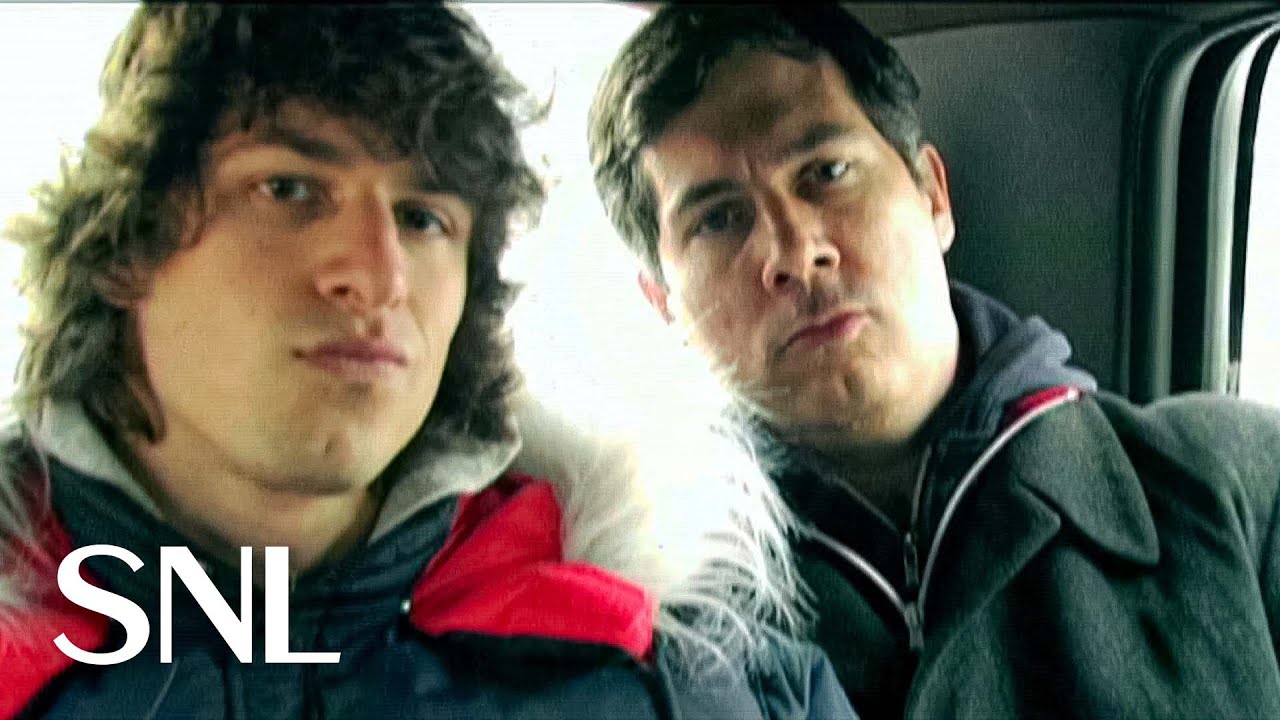
"An SNL Digital Short" was the title card that meant Monday's homeroom had material. When "Lazy Sunday" leaked onto a fledgling startup called YouTube in bootleg uploads, it did as much for YouTube as it did for Andy Samberg — and "Dick in a Box" won an actual Emmy.
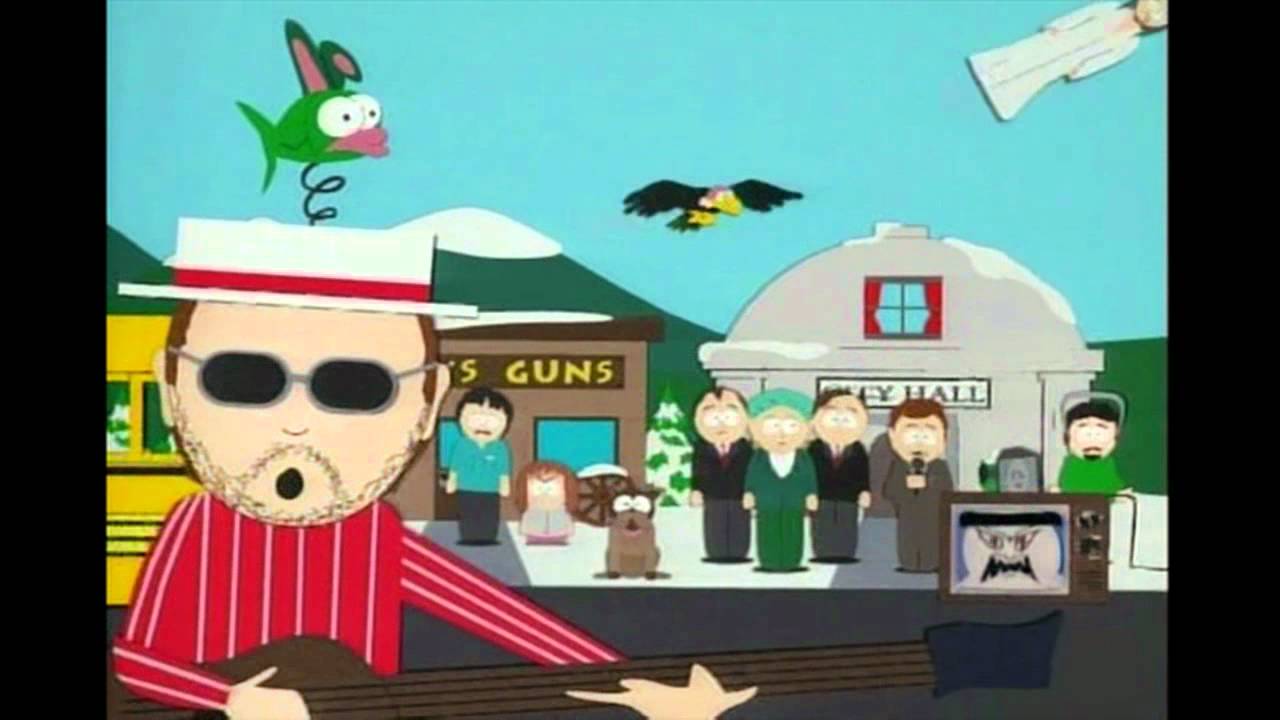
The construction-paper kids from Colorado who never stopped talking. South Park arrived in 1997 as basic cable's biggest shock — then spent the 2000s proving it was television's fastest satire machine, with episodes built in days so it could mock the news while it was still news.

Nickelodeon's scrappy live-action space adventure: misfit students and two adults stranded aboard an alien ship, trying to get home. It ran 26 episodes across 1996–97, ended mid-arc with the crew no closer to Earth, and vanished — becoming the show half the kids who watched it aren't sure was real.

The Saturday-morning web-slinger a whole generation still hears when they read a Spider-Man comic. Fox Kids' 1994 series gave Peter Parker an inner monologue, a rogues' gallery two decades of cartoons had skipped, and cliffhangers that made Monday recess a spoiler zone.
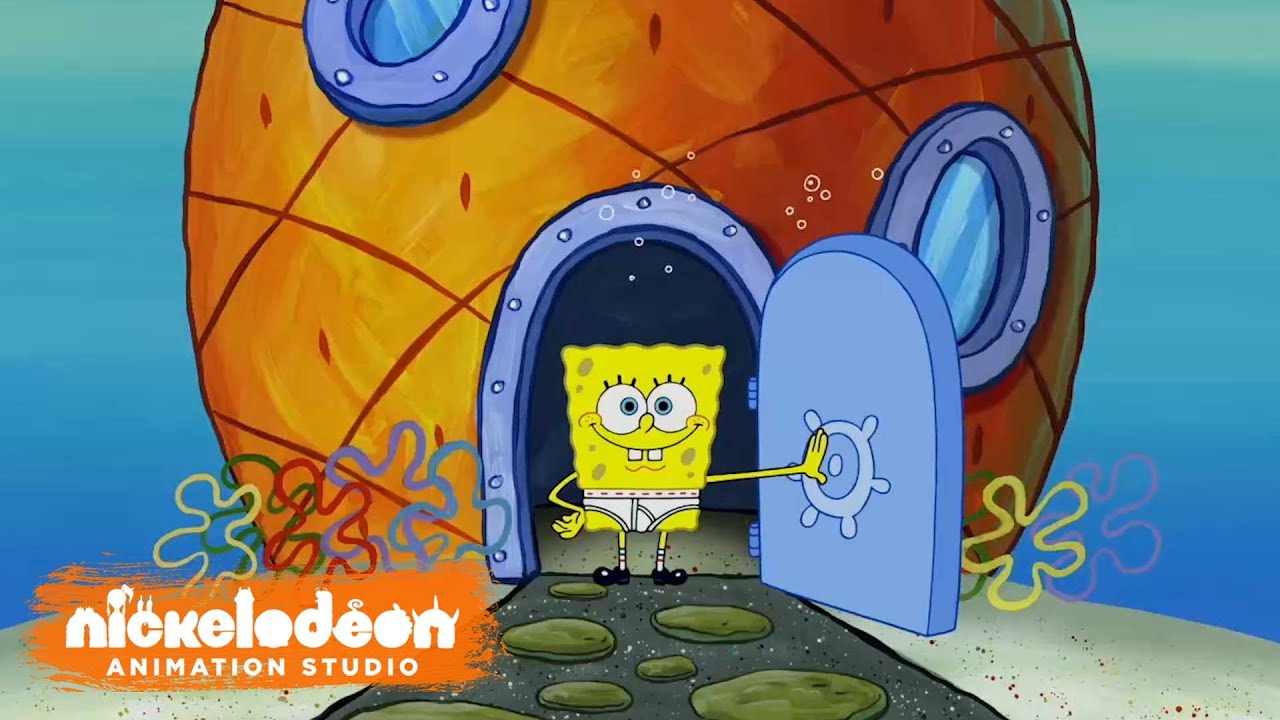
The absurdist sponge working the fry cook line at Bikini Bottom, living under the sea with his starfish best friend, and radiating genuine optimism. SpongeBob SquarePants premiered on Nickelodeon in May 1999 and became the network's biggest hit — a cultural juggernaut that turned early episodes into an endless meme quarry.

The franchise that started in 1966 hit its cultural zenith in the 1990s, when two series aired simultaneously, a film franchise thrived alongside them, and Trek's technobabble and ethics debates penetrated the mainstream. From TNG's syndication dominance to Voyager's network-launching premiere, Star Trek was inescapable.
Virgil Hawkins was a Black high-school kid from Dakota City who caught electromagnetic superpowers and became Saturday morning's most grounded hero. Static Shock spent four seasons on Kids' WB taking on gun violence, racism, and bullying — subjects superhero cartoons usually sidestepped — without ever losing its sense of fun.

Nickelodeon's summer host was a popsicle stick with googly eyes and a jelly-bean nose. He wanted you to write to him, and he sang you the address to prove it — which is why a generation can still recite a PO box in Manhattan.

Three contestants, one Howie Schwab, and no realistic chance. ESPN's sports-trivia gauntlet dared fans to out-know the network's famously encyclopedic first statistician — a guy in an untucked jersey who knew every stat that ever mattered. Losing to the Schwab was the expected outcome, and that was exactly the fun.
Disney Channel's sitcom about identical twins living in a Boston hotel lobby. Zack and Cody Martin were troublemakers in suits and ties, navigating the Tipton Hotel with their mom the lounge singer and a cast of misfits—the rich girl London, candy-counter staffer Maddie, and a hotel full of chaos waiting to happen.
Grown adults sprinting through a fake grocery store, hurling frozen turkeys and giant hams into shopping carts while a studio audience screamed. Supermarket Sweep was the game show that made the checkout beep sound like a starting gun — and made everyone watching believe they could win it.

Jo Frost stepping out of a black London cab in a tailored suit, ready to fix your family. Supernanny made the "naughty step" a household phrase, turned toddler meltdowns into primetime television, and gave every 2000s kid the ambient fear that one bad tantrum could summon her.

The CBS reality-competition show that premiered in 2000 and kicked off the modern reality-TV boom. Contestants are stranded in remote locations, split into rival tribes, and compete in challenges while voting each other out at Tribal Council. Host Jeff Probst's iconic catchphrase "The tribe has spoken" and the show's tagline "outwit, outplay, outlast" became part of the cultural lexicon.

The creaking door, the dolly shot down to the crypt, and then HIM: a rotting puppet sitting up with a shriek of laughter. "Hello, boils and ghouls!" The Cryptkeeper's puns were worse than the murders — and the murders were on HBO, so they were very, very murdery.

Baloo from The Jungle Book, reimagined as a hotshot cargo pilot flying a seaplane out of Cape Suzette. Air pirates, a scheming Shere Khan in a business suit, and a theme song that has never once left your head.

HBO wired a real taxi with hidden cameras, put a real cab driver behind the wheel, and let strangers talk at three in the morning. Passengers found out they'd been filmed only when the ride ended. It won an Emmy in its first year, ran on and off for fifteen years, and remains one of the strangest things a premium network ever put on the air.

The anime-influenced DC superhero show that nailed the mid-2000s tonal whiplash — dark arcs one episode, gag-faced slapstick the next. Puffy AmiYumi's theme is still stuck in your head. Cartoon Network cancelled it after five seasons in 2006, and the 2013 spinoff only made fans madder.

Four roly-poly aliens with TVs in their bellies wobbled around an unnervingly green hill while a giggling baby sun watched from the sky. Teletubbies was engineered for toddlers, baffling to everyone older, and completely inescapable in 1998 — a billion-dollar merchandise machine that also managed to spark a culture war over a purple character with a handbag.

ABC's Friday-night family sitcom block was appointment television on the one night networks usually wrote off. From Full House to Family Matters to Boy Meets World, TGIF owned Friday-night ratings throughout the 1990s — officially "Thank God It's Friday," though its squeaky-clean stars pitched it as "Thank Goodness It's Funny."

The basement circle — six teenagers lounging while the camera spun lazily around them, over and over. That '70s Show made the '70s look retroactively cool and turned Ashton Kutcher and Mila Kunis into household names. Nostalgia about nostalgia: a show made at the turn of the millennium about 1976, set in a fictional Wisconsin basement everyone wished was theirs.
A Disney Channel hit (2003–2007) starring Raven-Symoné as Raven Baxter, a San Francisco teen who experiences brief psychic visions of the future. The show's running gag: Raven's attempts to change what she's foreseen inevitably cause the very chaos she was trying to prevent. One of the network's biggest comedies of the era, it was among the first Disney Channel sitcoms led by a Black female lead.

Amanda Bynes was thirteen when she became Nickelodeon's entire comedy machine — a rotating cast of characters who never ran out of sketches or failed to land the joke. The Amanda Show ran from 1999 to 2002, and if you were there, you still remember exactly how kids danced in Judge Trudy's courtroom.

The boardroom reality-competition that made "You're fired!" a national catchphrase. Premiering on NBC on January 8, 2004, and produced by Survivor mastermind Mark Burnett, it pitted contestants against one another in business tasks — running lemonade stands, marketing products, managing teams — with the loser of each week sent home from a tense boardroom showdown. The winner walked away with a one-year, $250,000 contract to promote one of Trump's properties, and the boardroom showdown became a fixture of mid-2000s television.

Five animal buddies, one magical backyard, and a different musical genre every episode. Created by Janice Burgess for Nickelodeon in 2004, it should have been forgotten years ago — except the soundtrack went so unreasonably hard that TikTok rediscovered it in 2021 and refused to let go.
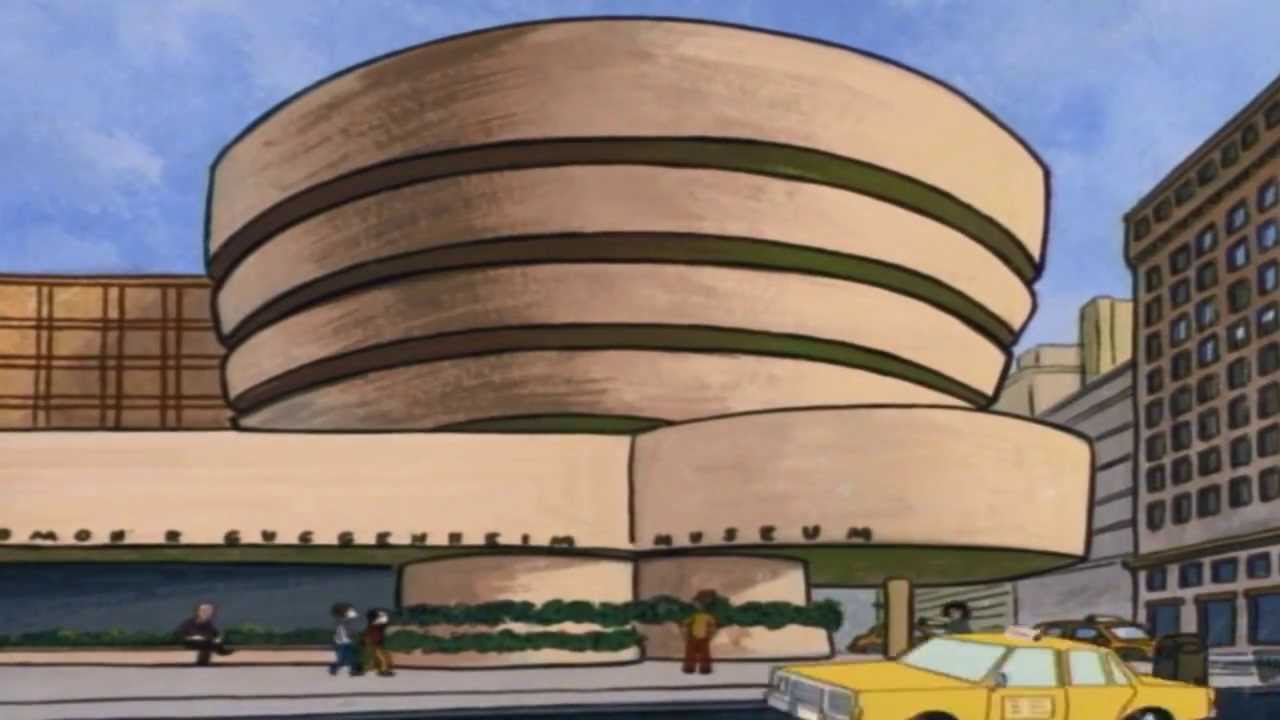
"It stinks!" Jon Lovitz voiced Jay Sherman, a New York film critic — cold and elitist on the air, gentle and self-doubting everywhere else — whose review show tore apart movie parodies like Honey, I Ate the Kids and Abe Lincoln: Pet Detective. Cancelled by two networks in two years, it became one of the 90s' great cult cartoons.
A fake newscast that became a real ritual: eleven p.m. on Comedy Central, Jon Stewart at the desk, the day's news taken apart piece by piece. For a generation in dorm rooms and first apartments, this was how the 2000s got processed — and quoted at work the next morning.

Lauren Conrad left Laguna Beach for Los Angeles, a Teen Vogue internship, and four years of impeccably lit drama about whether any of it was real. The Hills perfected the scripted-or-not reality soap — then ended the whole argument with television's greatest mic drop, pulling the camera back to reveal a studio backlot.

Ms. Frizzle's class rode the Magic School Bus into the bloodstream, through outer space, and into a volcano—all while learning science in four seasons of PBS's most unforgettable animated series. Lily Tomlin's fearless teacher and Bruce Degen's original illustrations made learning an adventure, and every kid left knowing 'Take chances, make mistakes, get messy!'

The flashy girl from Flushing with the unmistakable nasal laugh, hired off the doorstep to raise a stuffy Broadway producer's three kids. Fran Drescher in head-turning leopard print, Niles the butler landing zingers on C.C., and years of will-they-won't-they with Mr. Sheffield.

The show that made indie rock cool, gave us Chrismukkah, and turned Newport Beach into the center of the universe. Josh Schwartz's The O.C. launched a thousand emo haircuts and a meme that won't die.
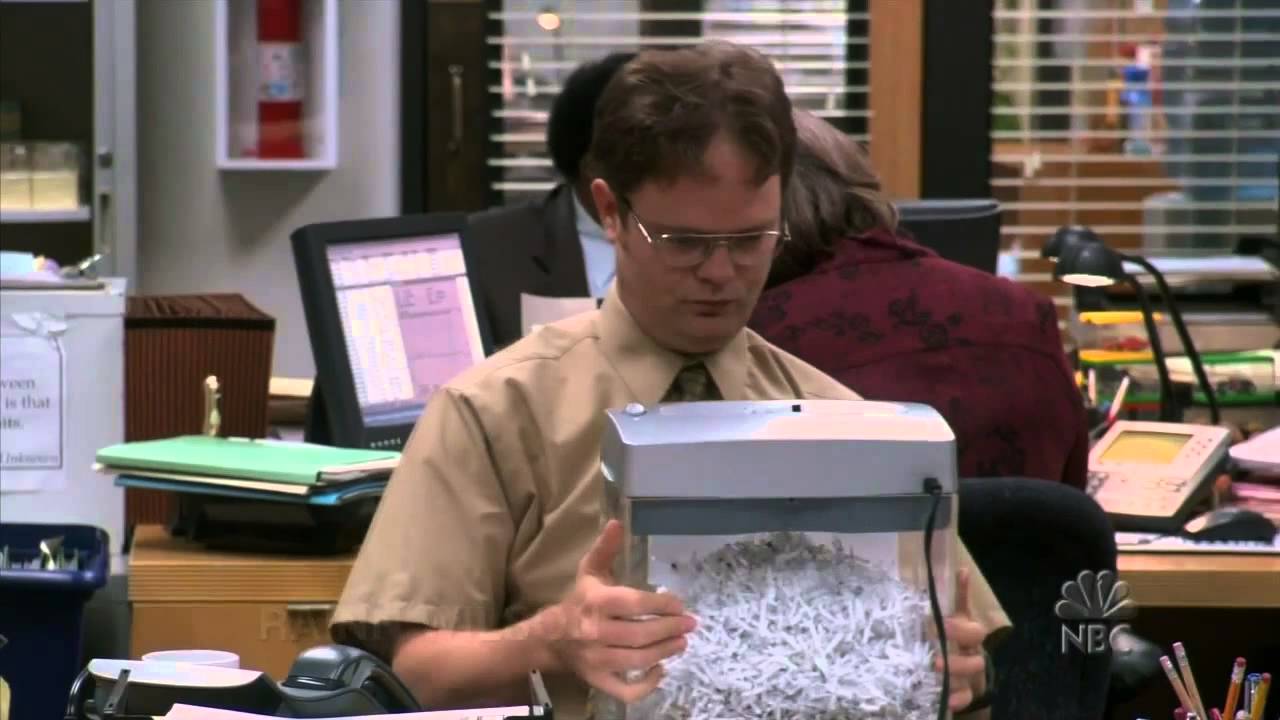
NBC's mockumentary sitcom that redefined the office comedy for a generation. Premiering March 24, 2005, The Office followed the bumbling, endearing Michael Scott (Steve Carell) and the Dunder Mifflin paper company through deadpan interviews and cringey humor that somehow made you love him anyway.

The reality show that turned a heavy-metal legend into a beloved, bumbling TV dad. Premiering on MTV on March 5, 2002, it followed Ozzy Osbourne and his family — wife Sharon, son Jack, and daughter Kelly — through the chaos of daily life in their Beverly Hills mansion. Ozzy shuffling around cursing at the remote control became one of the decade's defining TV images, and the show's runaway success helped invent the celebrity-family reality genre.

Penny Proud, her embarrassing dad Oscar, and the one and only Suga Mama — the first animated series made exclusively for Disney Channel, and a landmark Black family cartoon. The theme song alone, sung by Solange with Destiny's Child, is an instant time machine.
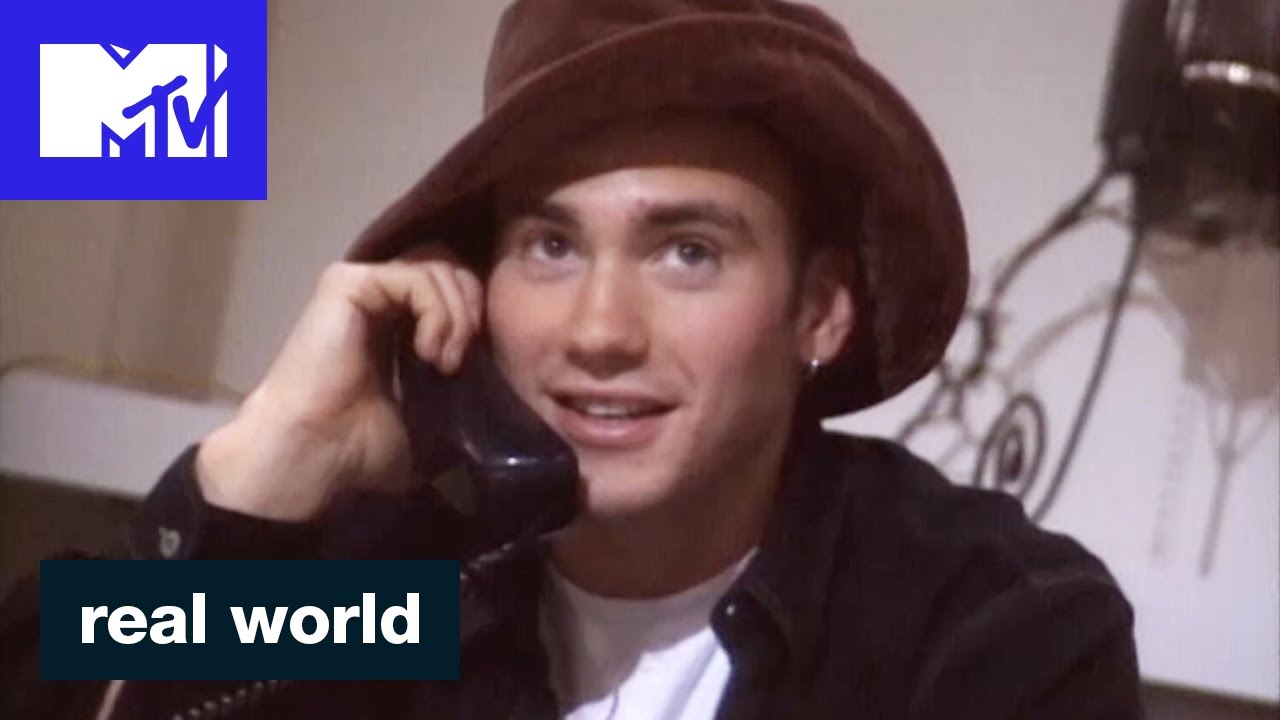
The MTV series widely credited with launching the modern reality-TV genre. Premiering on May 21, 1992, it dropped seven young strangers into one shared residence and filmed them around the clock, opening each season with the now-legendary narration about what happens "when people stop being polite and start getting real." Part documentary, part soap opera, it turned ordinary twenty-somethings into a cultural phenomenon and gave television the template — the roommates, the confessional, the manufactured drama — that nearly every reality show since has borrowed.

Tony Soprano walks into a psychiatrist's office with panic attacks—and changed television forever. HBO's landmark 1999 drama paired mob violence with suburban therapy, making prestige TV a thing.
MTV's 11-person sketch troupe lasted four seasons and 25 episodes but launched half the comedy you loved in the 2000s. They wrote, acted, directed, and edited everything themselves — and left behind $240 worth of pudding.

Teenagers "break out" with telepathy, telekinesis, and teleportation, and find themselves drawn to a sentient psychic spaceship on a South Pacific island. The British revival of a 70s cult classic aired on Nickelodeon from 1992 to 1995 — and lives on for US viewers as a fever-dream memory many later doubted was real. It was real, and it was genuinely on Nick.
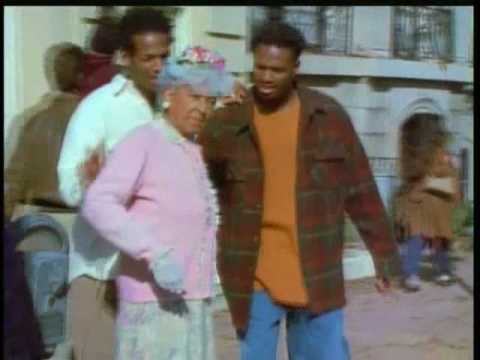
Shawn and Marlon Wayans running a Harlem newsstand, John Witherspoon stealing scenes as Pops, and an a-cappella theme song nobody who heard it ever forgot. Five seasons of loud, physical sibling comedy on the young WB — cancelled in 1999 without a real series finale, a snub fans still grumble about.

A globe-trotting family of wildlife documentarians, and their 12-year-old daughter Eliza, who has a secret: she can talk to animals. Plus her chimp sidekick Darwin, a feral little brother, and a booming, big-nosed naturalist dad.

Fox's paranoia engine: FBI agents Mulder and Scully investigating UFOs, monsters, and government cover-ups one case file at a time. Created by Chris Carter, The X-Files turned "I Want to Believe" into a mantra and proved that prime-time TV could do serialized mythology decades before the streaming age demanded it.
![Video thumbnail — Tiny Toon Adventures - Opening Theme Song [HD] [1080p]](https://i.ytimg.com/vi/3EiEX4tmCfY/maxresdefault.jpg)
Buster and Babs Bunny — no relation — headlined Steven Spielberg's class of next-generation Looney Tunes, studying under Bugs and Daffy at Acme Looniversity. It only produced new episodes for a couple of years, but those 98 episodes reran into the ground on after-school TV and burned the theme song into an entire generation. We're tiny, we're toony, we're all a little loony.
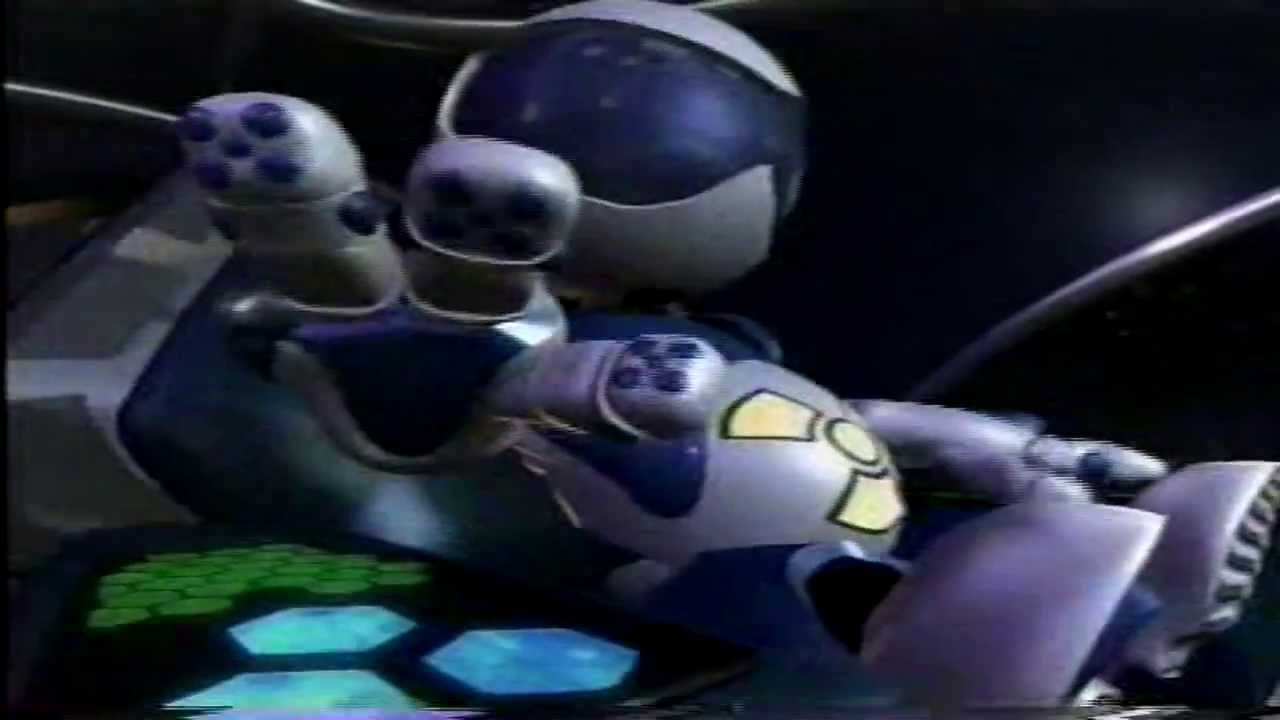
Cartoon Network's action block where a generation of American kids met anime. Hosted first by Moltar, then by TOM — the robot captain of the Absolution — it made Dragon Ball Z and Sailor Moon after-school rituals and treated its young audience like the stories mattered.

Survivor for cartoons: 22 teenagers, one crummy summer camp, a sadistic host named Chris McLean, and a hundred grand on the line. The animated reality-show parody that late-2000s kids treated as completely, unironically real drama.
![Video thumbnail — Totally Spies (Ver. 1 Intro) [HD]](https://i.ytimg.com/vi/VBuAgPyFMCE/maxresdefault.jpg)
Three Beverly Hills teenagers in color-coded suits—red, green, yellow—moonlighting as secret agents for WOOHP between mall trips. A generation's first anime-adjacent obsession snuck in without anyone realizing.

Two sets of neighbors, two days, a $1,000 budget, and one question: what did they do to my living room? TLC's room-swap hit made home renovation a national spectator sport — and taught America to fear the phrase "I had an idea."

In April 1990, a logging town in the Pacific Northwest became the mystery the whole country was trying to solve. An FBI agent, a damn fine cup of coffee, and one question — "Who killed Laura Palmer?" Twin Peaks proved network television could be genuinely strange, elegantly cinematic, and popular all at once — at least until the answer came, and the spell broke.
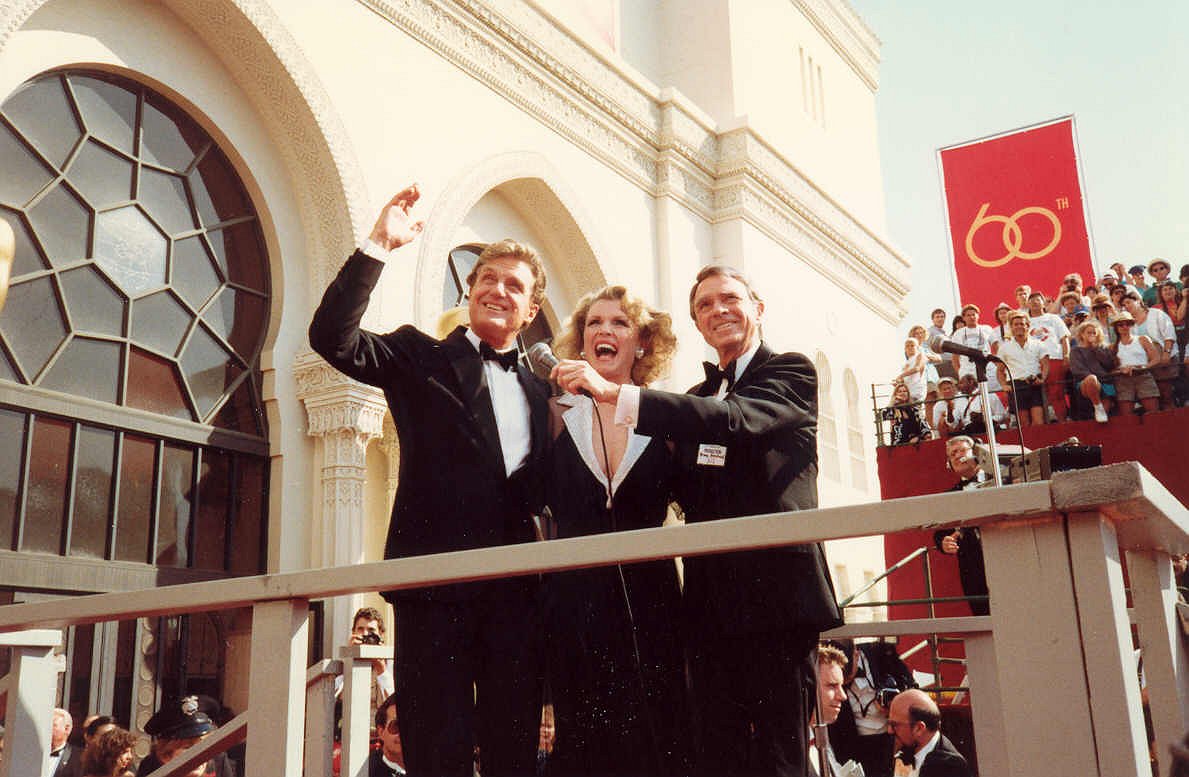
You'd see the preview for Unsolved Mysteries and know you wouldn't sleep that night. Robert Stack in a dark trench coat, a synth theme that still echoes, re-enacted crimes and missing people and things that made no sense — and Stack's voice promising you could call in with a tip. A generation learned to fear its own hallway from this show.
The United Paramount Network launched in January 1995 on the back of a Star Trek premiere that drew 21 million viewers — a number it spent the next eleven years chasing. UPN was scrappy, ambitious, and chronically broke, but it gave us Voyager, Moesha, SmackDown, and Buffy's final seasons — and in your town it wasn't "UPN," it was UPN 9, or UPN 50, or whatever your channel was.
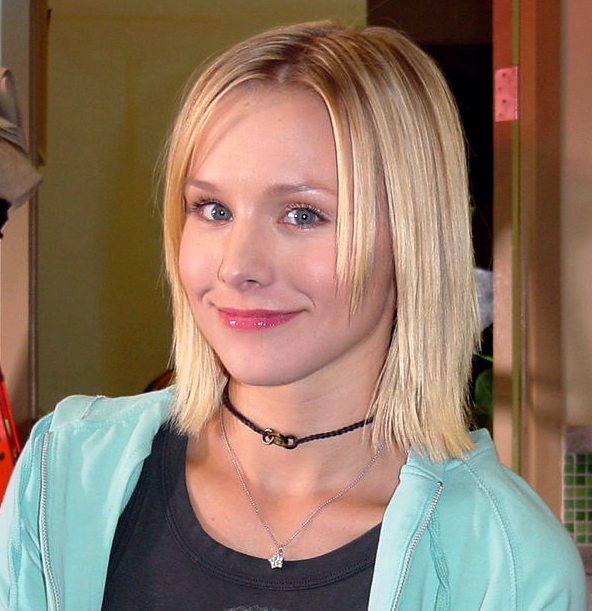
Kristen Bell as a teenage private eye working her dad's cases in the corrupt seaside town of Neptune. Critically adored, barely watched, canceled in 2007 — and then its fans paid $5.7 million to bring it back.

Nickelodeon's high-school comedy lived a double life: it kicked off as a sketch show before pivoting into a genuine sitcom halfway through its run. Set at Hawthorne High with a chaotic crew of teens and a perpetually flustered vice principal, it's the kind of show you caught between Salute Your Shorts reruns and forgot you ever loved.

Marc Summers hosting a half hour of pure audience mayhem that was, at its core, an elaborate excuse to pie people. The Pie Pod, the Pie Coaster, the Pie Wash — Nickelodeon built an entire arsenal of whipped-cream machinery and pointed it at anyone standing still.

"Is that your final answer?" For a couple of years around the millennium, Regis Philbin, a tiered ladder to a million dollars, three lifelines, and a set that dimmed to a heartbeat pulse made this the biggest show on television — running multiple nights a week and minting the country's first game-show millionaires.

Two families — usually polar opposites — traded moms for two weeks, with a rules-change ceremony in the middle and an excruciating reunion table at the end. The appeal was simple and irresistible: watch how other people live, then decide whether your own house was really so bad.
![Video thumbnail — Wild & Crazy Kids - Intro [HQ]](https://i.ytimg.com/vi/EL5-5NPLeQ4/hqdefault.jpg)
Dozens of kids per team, physical challenges in California parks, pies and slime flying everywhere, teen hosts in matching neon shirts barking encouragement — and absolutely no prizes at the end. Pure chaos for its own sake: the Nickelodeon philosophy, distilled.

The anime-styled fairy-school cartoon that owned a girl generation: glittery transformation sequences, fashion-forward heroines, and serialized magic battles that took themselves seriously. Imported from Italy for Saturday mornings, it grew into one of Italian animation's biggest exports.

A Jack Russell terrier named Wishbone daydreams his way into classic literature, acting out the great stories in costume from a small Texas town. PBS's live-action oddity aired from 1995 to 1997, won a Peabody and multiple Emmys — and stopped anyway, reportedly because a literature-loving dog lacked merchandising potential.

Disney Channel's late-2000s flagship spent four seasons turning Selena Gomez into a household name and making millions of kids believe they could be teenage wizards living above a Greenwich Village sandwich shop. The premise was simple and tight: three wizard siblings, one family competition, and only one of them gets to keep the magic.

Kevin Arnold's suburban adolescence in the late sixties feels like your own childhood no matter when you grew up — that's the magic. A coming-of-age dramedy narrated by the grown-up version of the kid you're rooting for, it proved a teenager's small heartbreaks and friendships could carry network television.

When the World Wrestling Federation traded superhero theatrics for raunchy, anything-goes storylines and boundary-pushing characters, it conquered Monday night television. Stone Cold Steve Austin's catchphrase "Austin 3:16 says I just whipped your ass!" and The Rock's trash-talk became playground gospel, and a glass-shatter entrance sound defined a generation's ritual.
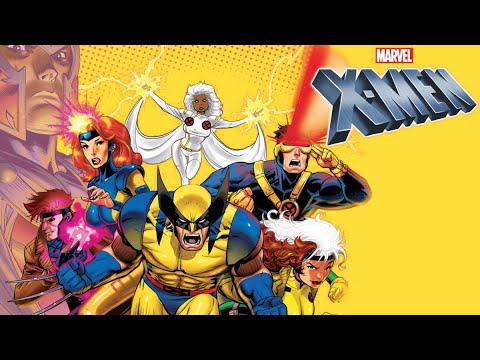
To a generation of Saturday-morning kids, this was the real X-Men: five seasons on Fox Kids, one impossibly urgent guitar theme, and stories lifted straight from the comics. Wolverine, Rogue, and Gambit were household names years before Hollywood caught up.

Lucy Lawless as Xena, a reformed warrior with a chakram and an iconic battle cry, fighting alongside Gabrielle through six seasons of syndicated adventure. Filmed in New Zealand and beloved far beyond its time slot, this spinoff of Hercules became one of the highest-rated syndicated dramas of the era and an enduring cult classic.

Vince McMahon's smash-mouth football league lasted exactly one season in 2001 — and burned itself into memory anyway. No coin toss, no fair catches, nicknames on jerseys, and a Las Vegas running back named Rod Smart wearing the greatest jersey in sports history: HE HATE ME.

Four monks-in-training race a showboating boy genius and an ancient witch for magical artifacts, and every dispute is settled the same way: "I challenge you to a Xiaolin Showdown!" Kids' WB's kung-fu treasure hunt turned Saturday morning into a collect-them-all cosmic game show.
![Video thumbnail — Zoboomafoo (Intro) [HD]](https://i.ytimg.com/vi/0PDaboanVIo/maxresdefault.jpg)
The Kratt brothers and a leaping, talking lemur who demanded snacks before he'd say a word. Zoboomafoo made every PBS Kids morning feel like a trip to Animal Junction — and yes, Zoboo was a real lemur, at least until he hopped onto the table and the puppet took over.

A boarding-school show where the main draw was the tech. Zoey 101 ran four seasons on Nickelodeon and delivered the fantasy we all wanted: a beach-adjacent boarding school with PDA devices and its own sushi joint.

The fever-dream Nickelodeon interstitial that pulled back and back forever — each image revealed to be a tiny detail inside a bigger one, pulling back until the whole world shrinks away. A strange, hypnotic minute wedged between the goofier bumpers.