Chain Letters
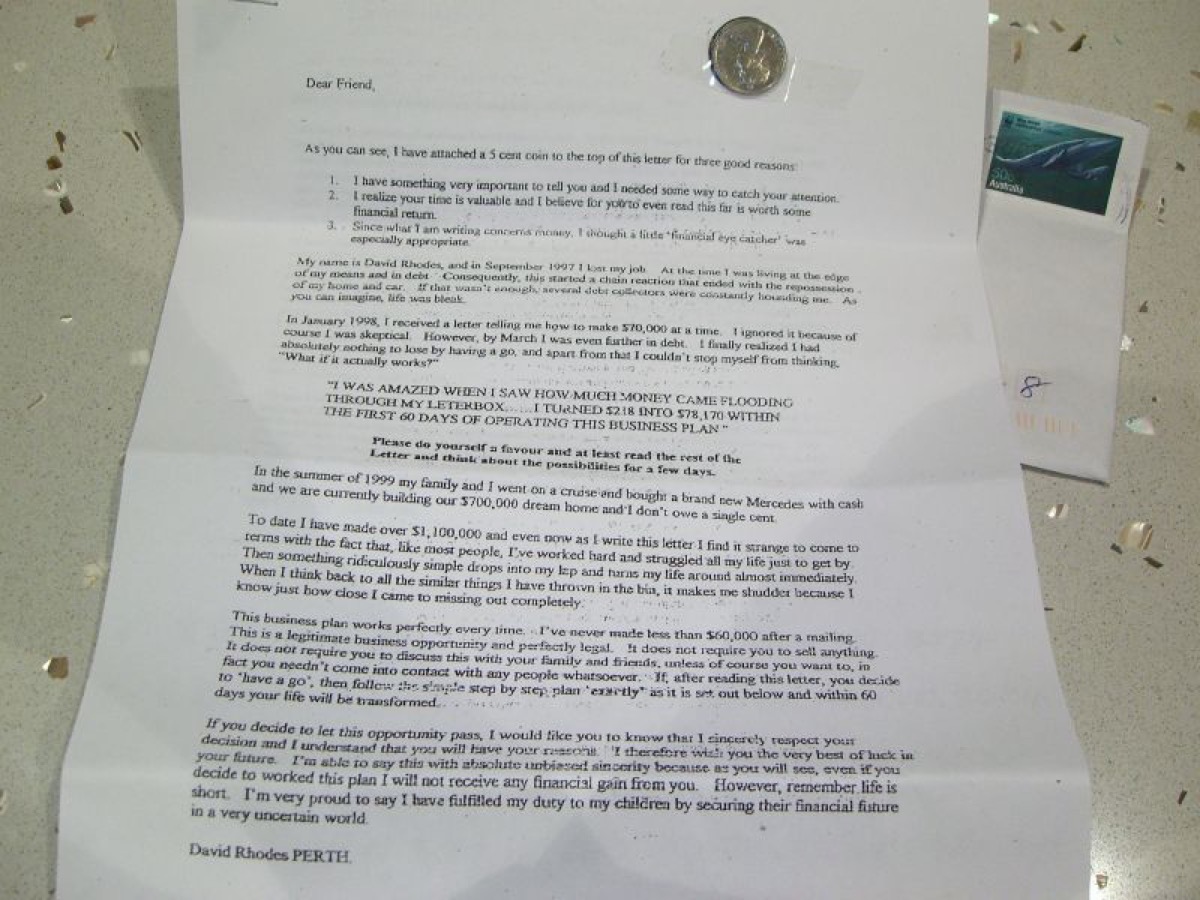
The letter that arrived in the mailbox with instructions and a threat: copy this out ten times, mail it to ten people, and good luck will find you — break the chain and something terrible would happen. Some just promised fortune; others told you to send a dime or a dollar to the name at the top. Either way you sat there hand-copying it, half-laughing and half-not-wanting-to-risk-it.
Chain letters are far older than the '90s kids who dreaded them. Charity and luck letters circulated by mail as far back as an 1888 fundraising appeal from a women's missionary group, and 'good luck' chains — forward this or misfortune follows — were common through the early 1900s. The most infamous variety, the money chain, exploded out of Denver in 1935: the 'Send-a-Dime' or 'Prosperity Club' letter told you to mail a dime to the name at the top, cross it off, add your own name to the bottom, and send copies on to five more people.
The 1935 craze was a genuine disaster of arithmetic. Because each letter demanded more letters, the chain multiplied until it buried the Denver post office under as many as 100,000 letters a day before collapsing within weeks — exactly as an exponential pyramid must. That math is also why money chains are illegal: the U.S. Postal Service treats any chain letter asking for money or items of value as a form of lottery and mail fraud. The 'good luck' and prayer-chain versions that asked for nothing but your effort were legal, if useless.
For decades the postal chain letter kept circulating — passed to a new generation of kids who copied them out by hand — until the mid-to-late 1990s, when email made forwarding one nearly free. The chain letter didn't die so much as move: it slipped out of the mailbox and into the inbox, and the dread of breaking the chain came right along with it.
Keep talking about it (Reddit)
Similar items

Chain Emails
"FORWARD THIS TO 10 PEOPLE OR..." — the chain letter reborn at internet speed in 90s inboxes. Bad-luck threats, sick-kid legends, glurge poems, free-money hoaxes and virus panics, all forwarded with a wall of ">>>" quote marks and a hundred strangers' email addresses.
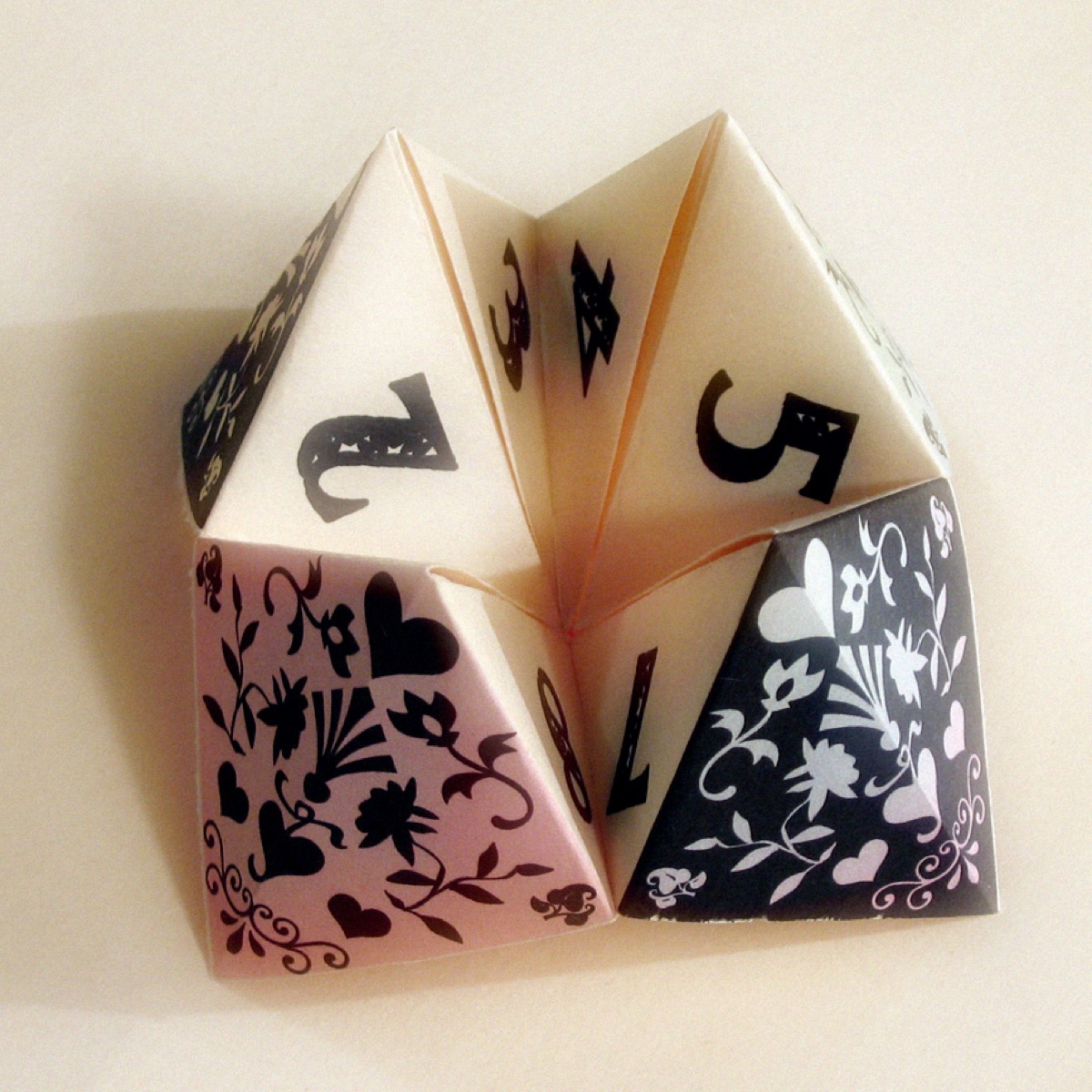
Paper Fortune Tellers
The folded-paper contraption you worked with your fingers to tell someone their future. Pick a color, pick a number, and under the last flap was your fate — who you'd marry, or something rude your friend had written. The classroom fortune-teller you could make out of a single square of notebook paper.

Jewel
Folk's answer to the underdog dream: Jewel went from a coal-heated Alaska homestead to living in a van in San Diego to 12× platinum. Her breakthrough Pieces of You rode a slow burn to the top, and by the late 90s she was unavoidable — poetry collections, platinum albums, two generation-defining radio ballads that felt permanent.