Gold Star Stickers
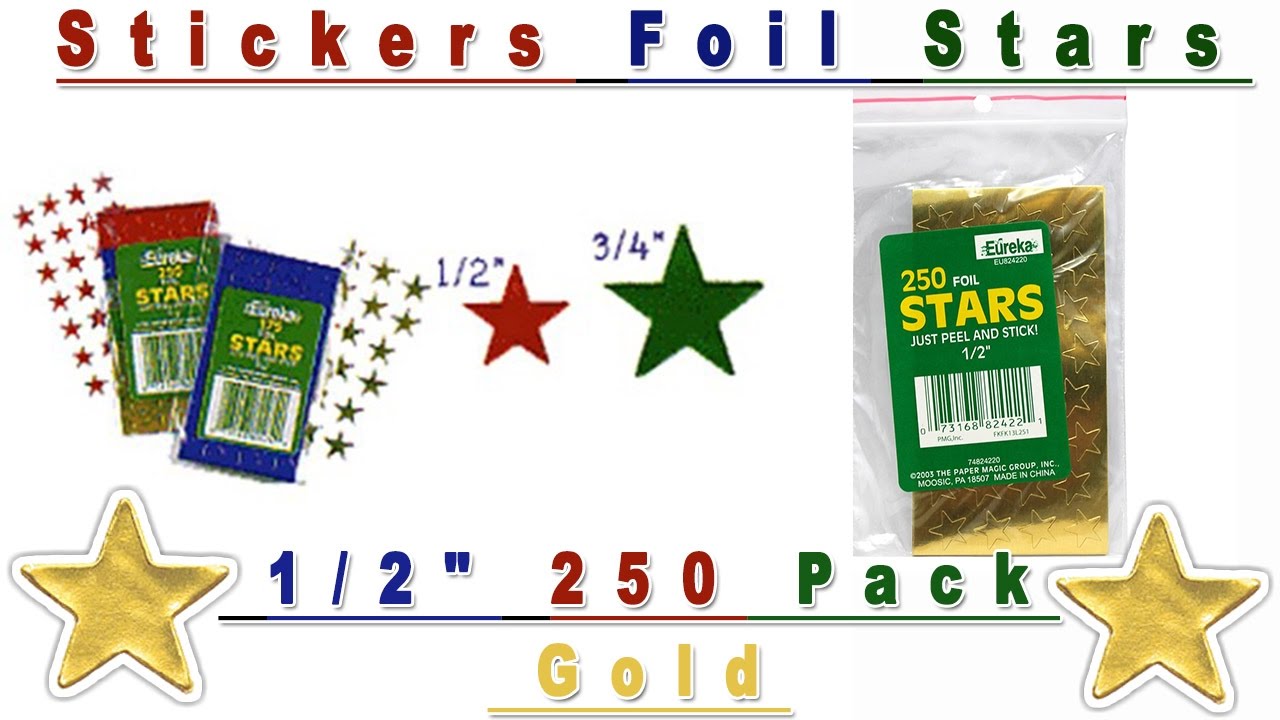
The foil star the teacher pressed next to your name on the chart taped to the classroom wall. Names ran down one side, a row of little boxes ran across, and the stars were the public ledger of who was doing well. Five in a row might mean the prize box. An empty row was its own quiet punishment.
The gold star is older than any 90s kid — foil stars and merit charts were a fixture of American classrooms for decades before, and the phrase "gold star" was already shorthand for approval. What the 90s classroom did was make it a daily, visible economy. The chart went up on the wall at the start of the year with every student's name, and over the weeks it filled in: a gold foil star for good behavior, finished homework, a perfect spelling test, or reading a certain number of books. Silver, red, and green stars filled the lower tiers, but gold was the one you wanted.
Because the chart was public, it did two jobs at once. It rewarded the kids racking up stars — and it quietly displayed the kids who weren't, whose rows sat conspicuously bare next to a neighbor's full line. Many teachers wired the stars to something concrete: hit a threshold and you got to pick from the prize box, earn a homework pass, or add to a class total that unlocked a pizza or movie day. That turned a shiny sticker into real currency and made the weekly star-giving a small event kids actually tracked.
The record on the practice is thin and mostly experiential — it was a teacher-by-teacher habit, not a program — but sticker charts and star rewards were close to universal in elementary school. They've since drawn criticism from educators who argue that dangling rewards can undercut a kid's own motivation, and many classrooms have shifted to app-based points and other systems. But the foil star endures as pure shorthand: to this day, "gold star" means you did the thing right.
Similar items

Writing Your Name in the School Textbook
A grid stamped inside the front cover: ISSUED TO / YEAR USED / CONDITION. On the first day you wrote your name in the column alongside every kid who'd had your copy before — sometimes going back a decade. You scanned the list for older siblings, anyone you recognized, anyone famous. The condition column warned: New, Good, Fair, Poor — and you'd pay the difference.

Tri-Fold Presentation Board
The white cardboard monolith that folded open into three panels and stood up on the table by itself. Every science fair, history day, and book report eventually came down to one: glue-sticked construction paper, printed clip art, and a rainbow WordArt title. You balanced it across the back seat on the drive to school, praying nothing peeled off before the bell.

Scholastic Book Fairs
The ritual: your school gym transforms overnight into a pop-up bookstore of rolling display cases, and you wander the aisles with a wish list and a budget. Scholastic Book Fairs dominated the 90s market, though what kids actually bought — glittery gel pens, novelty pencils, poster books — often had nothing to do with the Goosebumps stacks they wandered past.

Lisa Frank
Neon-rainbow folders, stickers, and binders plastered with dolphins, unicorns, and technicolor leopards—the aesthetic that defined every 90s classroom. Lisa Frank's maximalist explosion of color became a status symbol and a collecting obsession that grossed over $60 million a year at its peak.