LimeWire & Napster

The lawless era of free music: you queued up a download that would take three hours on dial-up, crossed your fingers it wasn't mislabeled, and hoped even harder it wasn't a virus. Napster and LimeWire were the P2P revolution that detonated the music industry, made kids into accidental outlaws, and eventually gave way to iTunes.
Shawn Fanning's Napster launched in June 1999 and detonated the music industry overnight, amassing tens of millions of users at its peak. The record industry sued hard — Metallica's lawsuit became the poster child — and Napster was shut down in July 2001. LimeWire, which launched in 2000, carried the torch through the 2000s, alongside Kazaa and others, until a federal court issued an injunction in October 2010 that shuttered it.
The ecosystem was a coin flip: songs were frequently mislabeled, files were often viruses, and every 3-hour download on dial-up felt like a mini-heist. The iTunes Music Store (2003) eventually made the legal version so easy and cheap that file-sharing lost its edge, but for those years, P2P was the only way most people got new music.
Keep talking about it (Reddit)
- 25 years ago. Lars Ulrich of Metallica snitches on and turns in over 300,000 Napster users when he testifies in front of the Senate Judiciary Committee. July 11th, 2000.
- Who here remembers LimeWire?
- LimeWire, if you grew up in the 2000s you might be familiar with successfully ruining the family computer..
Similar items

iPod
Steve Jobs unveiled the iPod on October 23, 2001, promising "1,000 songs in your pocket." The original model packed a 5GB hard drive, mechanical scroll wheel, and FireWire connection—Mac-only, $399. The click wheel, iTunes Music Store (2003), and later Windows support made it the gateway device to digital music and one of the most influential electronics ever built.
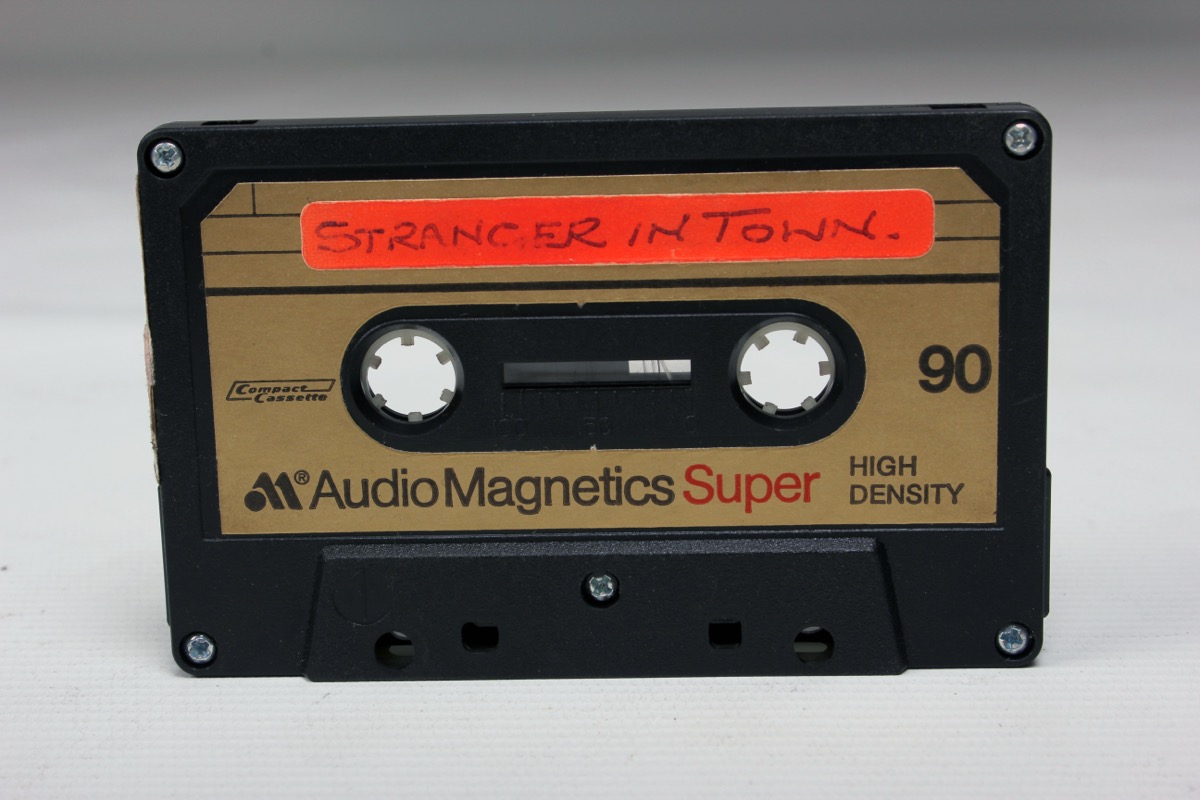
Mixtapes
The compact cassette made music personal; the Walkman made it portable; and the mixtape made it meaningful. A hand-labeled tape was a love letter, a friendship offering, an identity statement — hovering over the record button to catch a song off the radio, agonizing over track order, building the perfect sequence for someone who mattered.
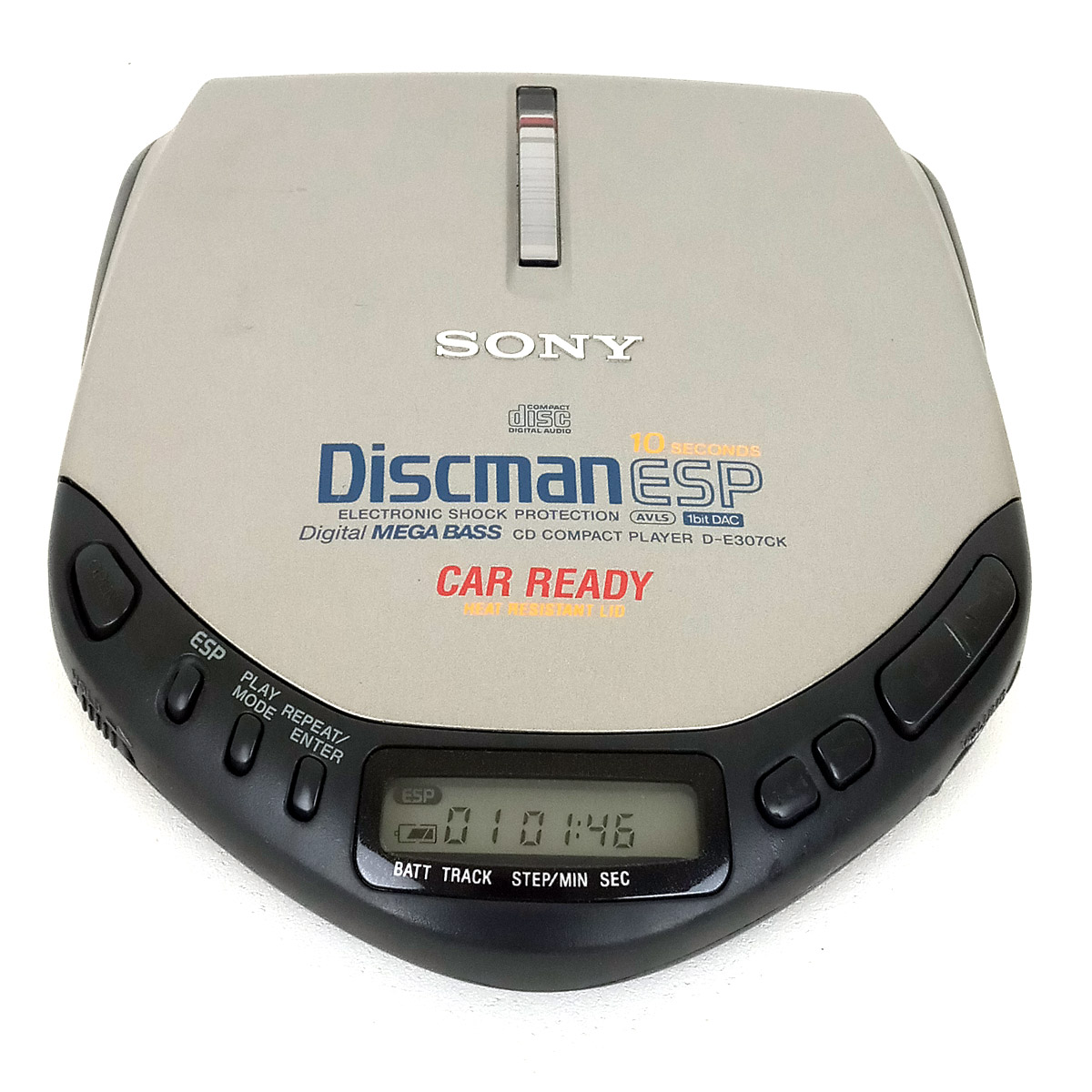
Discman & CD Binders
The ritual of portable CD life: a Sony Discman clipped to your waist or backpack, Electronic Skip Protection bragged on the box, and a zip-up CD binder holding exactly 24 discs — the ones that defined you. CD binders like Case Logic wallets replaced jewel cases, turning your music taste into curated, tangible proof of personality.
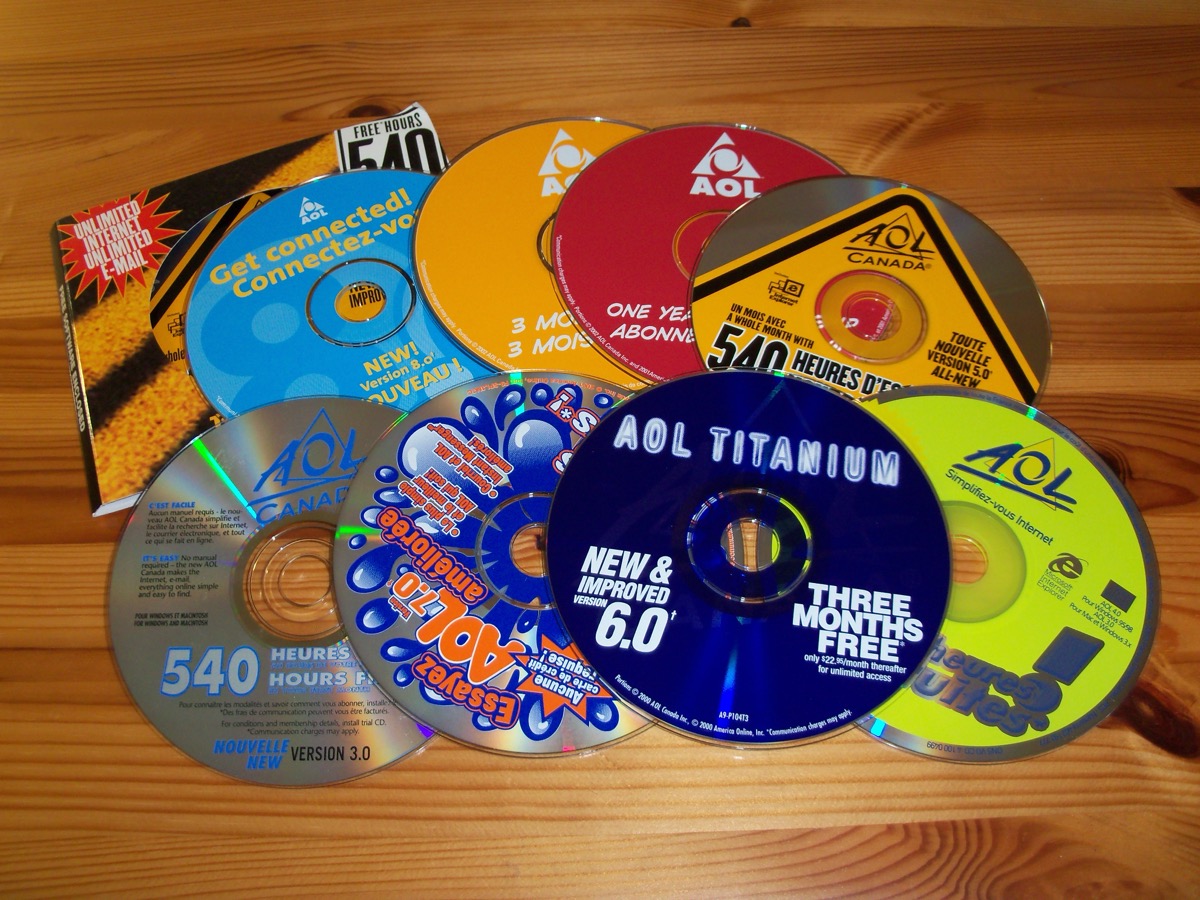
AOL Free-Trial CDs
AOL's marketing chief Jan Brandt carpet-bombed America with free-trial discs—in magazines, mailboxes, at Blockbuster and Best Buy, even in Omaha Steaks shipments. At peak saturation — by Brandt's own estimate — roughly half of all CDs manufactured worldwide bore the AOL logo, a $300 million marketing gambit that made the "You've Got Mail" sound the most iconic audio cue of the 1990s.