Tech

40 items

Video thumbnail — AltaVista Search Engine 'Smart is Beautiful' Psycho TV Commercial (2000)
Tech 1995–2013

AltaVista

The search engine everyone used before Google — fast, powerful, and the first with a full-text, boolean-searchable index of the web. It also gave the world Babel Fish, the free page-translator named after the fish from The Hitchhiker's Guide to the Galaxy.

Video thumbnail — Early AOL Commercial (1995)
Tech 1993–2002 peak

AOL

The dial-up gateway that wired up America. AOL's "You've Got Mail" voice, aggressive free-trial CD carpet-bombing, and shift to unlimited $19.95/month pricing triggered the legendary busy-signal crisis — millions of Americans' first taste of the internet.

Video thumbnail — Ask Jeeves (1999) - Television Commercial
Tech 1997–2006

Ask Jeeves

The search engine with a cartoon butler you asked full questions in plain English. Type "How tall is the Eiffel Tower?" and Jeeves would fetch the answer — a friendlier face on the early web.

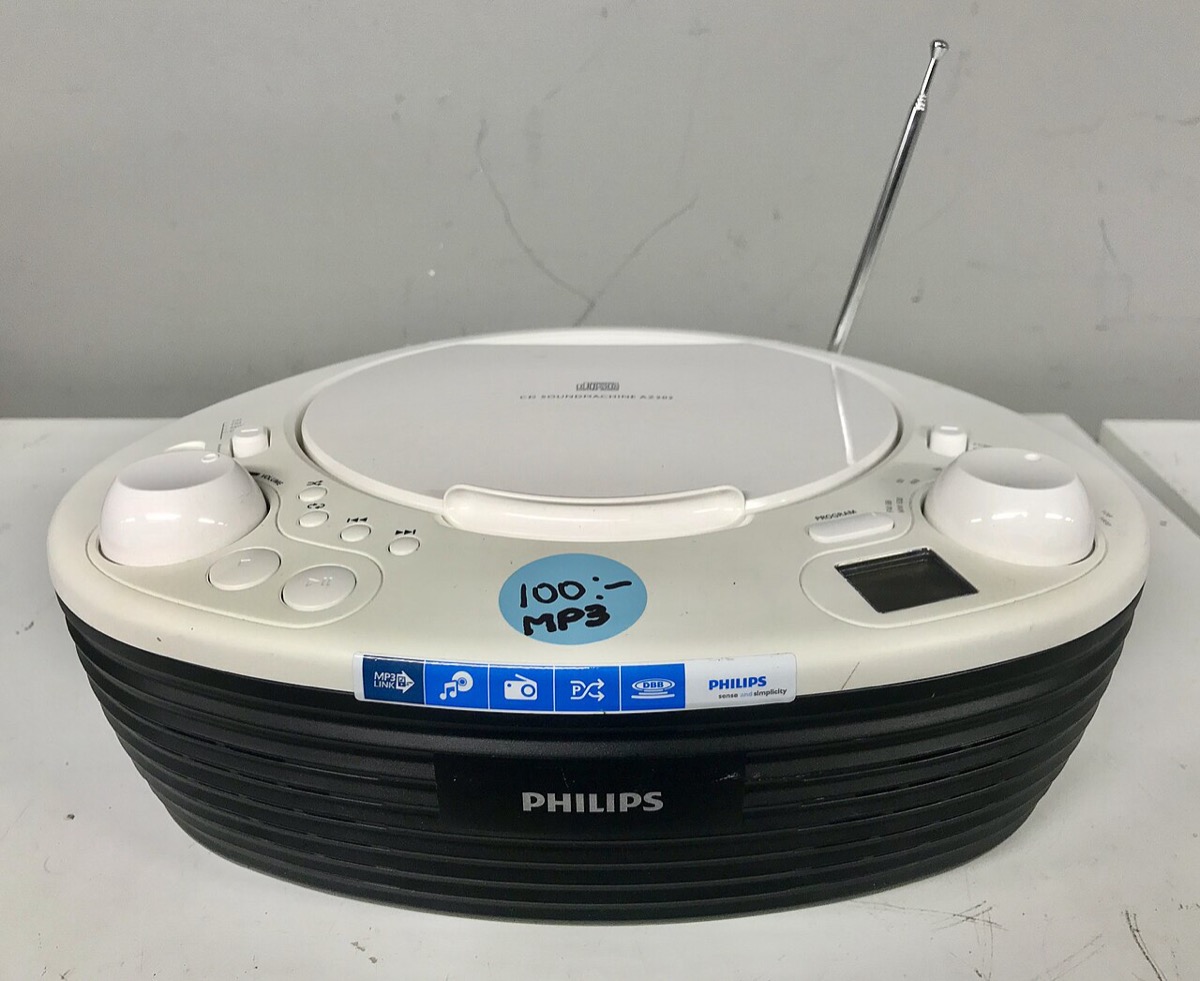
A Philips portable CD boombox with a top-loading CD player, cassette-era radio and speakers
Tech 1994–2005

CD Boom Boxes

The portable stereo that ruled the bedroom and the backyard: a CD player up top, a cassette deck (or two), and speakers loud enough to annoy the neighbors. In the mix-CD era it was command central for playing your burned discs and taping songs off the radio.

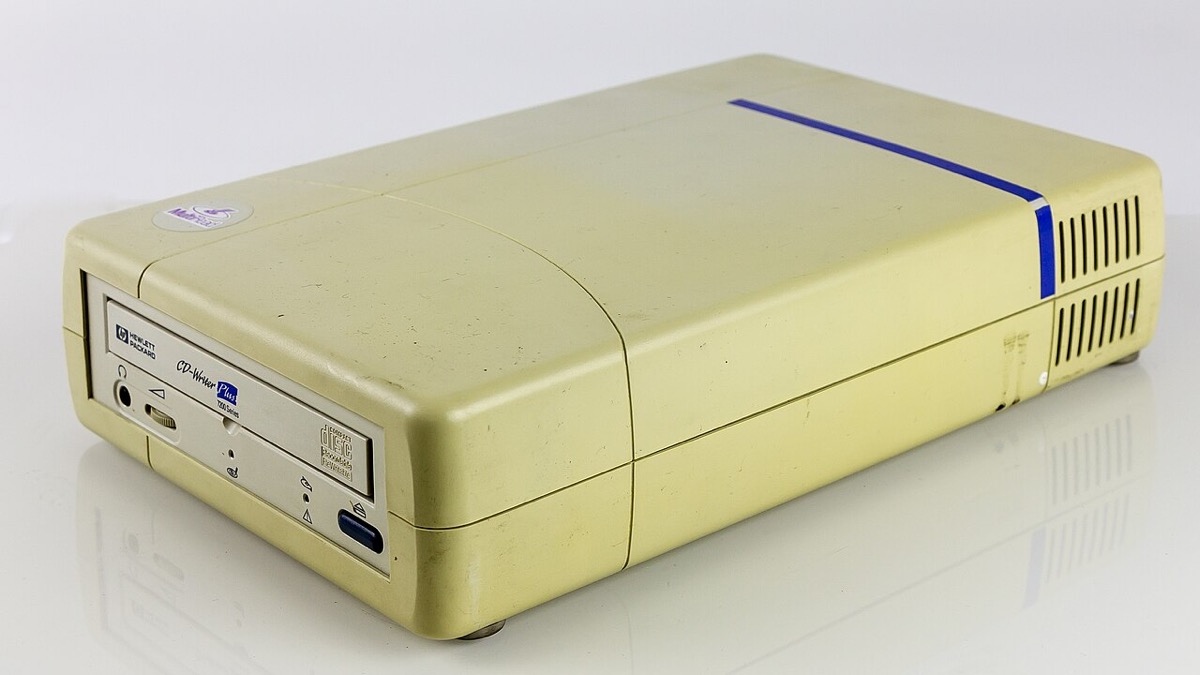
A late-1990s Hewlett-Packard CD-Writer Plus external CD burner
Tech 1999–2005 peak

CD Burners

The drive that made every PC a record-pressing plant. You fed in a blank CD-R, dragged your downloads into Nero or Easy CD Creator, and held your breath: one buffer underrun mid-burn and the disc was a coaster. When it worked, you walked away with a fresh mix CD and the quiet pride of having pressed it yourself.

Video thumbnail — Let's Check Out 90s Clip Art! | HR Farrington
Tech 1984–2005

Clip Art

Before Google Images, decorating a book report meant clip art: flipping through a phone-book-thick catalog of tiny thumbnails, finding the picture you wanted by number, digging out the right CD-ROM, and printing it one image at a time. Every 90s birthday flyer and school newsletter was built from these libraries.

Video thumbnail — CompuServe Commercial 1996
Tech 1979–1998 peak

CompuServe

The online service before AOL was AOL. CompuServe numbered its users with octal digits, ran tight moderated forums instead of chaotic chat rooms, and invented the GIF. By 1995 it claimed 3 million subscribers — then AOL's cheap flat-rate marketing machine ran it over.

Video thumbnail — Digg: Old Rivals, New Vision
Tech 2004–present

Digg

The social-news front page of the mid-2000s web, where users submitted links and "dugg" them up or buried them. A single spot on the front page could bury a small website under a flood of traffic — and then a redesign everyone hated handed Digg's entire audience to Reddit.

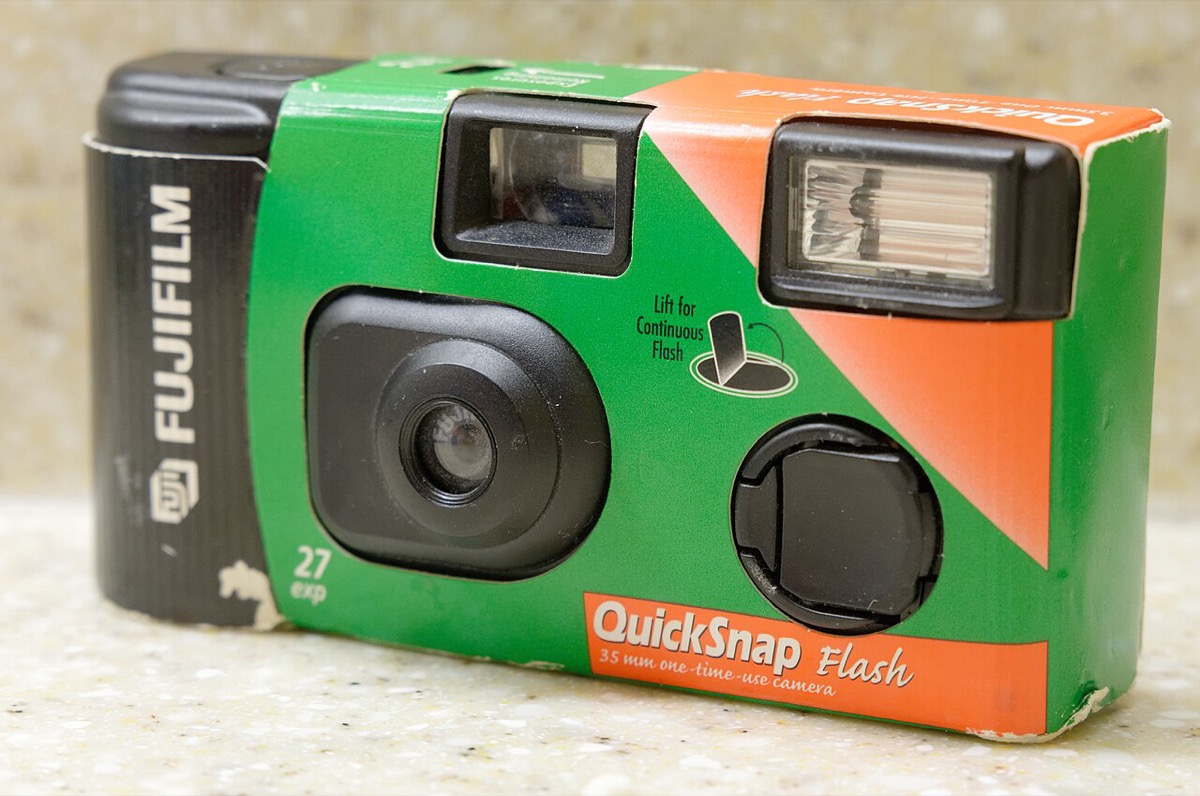
A Fujifilm QuickSnap Flash 35mm single-use camera
Tech 1990–2005 peak

Disposable Cameras

The camera you bought at the drugstore, used up at the field trip or party, and handed back over the counter — whole. No focus, no zoom, just 24 or 27 chances to get a decent shot. You waited days to see if any of them came out — which was exactly the anxiety that made them so memorable.

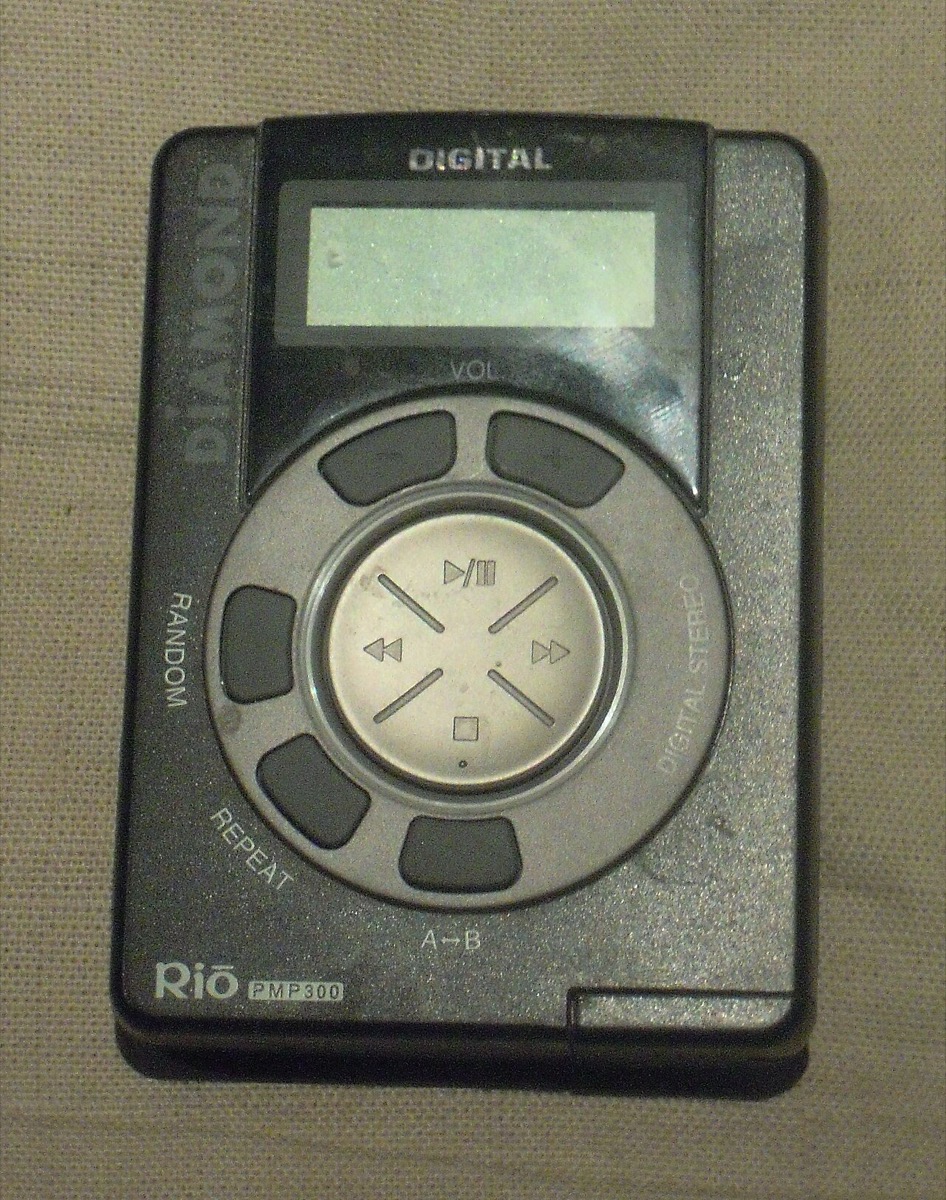
A Diamond Rio PMP300, the 1998 flash-memory MP3 player
Tech 1998–2004

Early MP3 Players

The flash-memory bricks that freed your MP3s from the desktop. Diamond's Rio PMP300, arriving in September 1998 at $200, was the first MP3 player that actually caught on — deck-of-cards sized, running forever on one AA battery, holding maybe eight or ten songs. No moving parts meant no skips, a revelation after a decade of portable CD players. The RIAA sued to kill it; the courts sided with you instead.

Video thumbnail — Microsoft Encarta 95 commercial 1995
Tech 1993–2009

Microsoft Encarta

The CD-ROM encyclopedia that killed the twenty-volume set on the shelf. Encarta turned book reports into a multimedia experience — clickable maps, audio clips of national anthems and animal sounds, video snippets — and hid the MindMaze trivia game inside for when you were supposed to be studying.

Video thumbnail — 1995 Gateway 2000 Computers "Susie's Souvenirs" TV Commercial
Tech 1991–2004 peak

Gateway Computers

The PC that came in a cow-spotted box. Born above an Iowa cattle brokerage, Gateway 2000 mail-ordered family computers straight to your door in black-and-white Holstein-print cardboard — ordered over the phone from a friendly Midwest rep, delivered by truck. For countless kids, that spotted box showing up meant the house was about to get its first computer.

The late-1990s Google wordmark — Gmail's parent, Google, around the era of the invite-only launch
Tech 2004–present

Gmail (Invite-Only Launch)

Google's email that launched with a then-unthinkable gigabyte of free storage — so much that people assumed it was an April Fools' joke. During the invite-only beta, a Gmail invite was a genuine status symbol.

Video thumbnail — ICQ Uh Oh!
Tech 1996–2024

ICQ

The pioneering instant messenger with the green-flower icon, the random UIN number, and the unmistakable "Uh oh!" message alert. Launched in 1996, ICQ basically invented consumer IM before AIM and MSN took over.

Video thumbnail — PHILIPPINES: "LOVE BUG" COMPUTER VIRUS LATEST
Tech May 2000

The ILOVEYOU Virus

The email you absolutely should not have opened. On May 4, 2000, an email landed in inboxes worldwide with the subject line "ILOVEYOU" and an attachment promising a love letter — then it quietly sent itself to everyone in your address book and overwrote your files. Within ten days, tens of millions of computers were infected, and the damage estimates eventually climbed toward $10 billion. It was the moment the internet learned not to trust attachments.

Video thumbnail — Iconic Ads - iPod Silhouette commercial
Tech 2001–2007

iPod

Steve Jobs unveiled the iPod on October 23, 2001, promising "1,000 songs in your pocket." The original model packed a 5GB hard drive, mechanical scroll wheel, and FireWire connection—Mac-only, $399. The click wheel, iTunes Music Store (2003), and later Windows support made it the gateway device to digital music and one of the most influential electronics ever built.

Video thumbnail — Original Lycos Dog commercial - Go get it
Tech 1994–2004

Lycos

The wolf-spider-named search engine with the eager black Labrador that would 'Go Get It!' One of the first search giants — briefly bigger than Yahoo — and one of the great cautionary tales of the dot-com bubble.

Video thumbnail — Motorola Razr V3 Commercial
Tech 2004–2007

Motorola Razr

The Razr V3 launched in late 2004 as the world's thinnest clamshell phone at a shocking $500. Its anodized-aluminum body, laser-etched keypad, and impossible thinness made it a fashion statement. When the price dropped in 2005–2006, everyone had one—and snapping it shut after a call was the whole point.

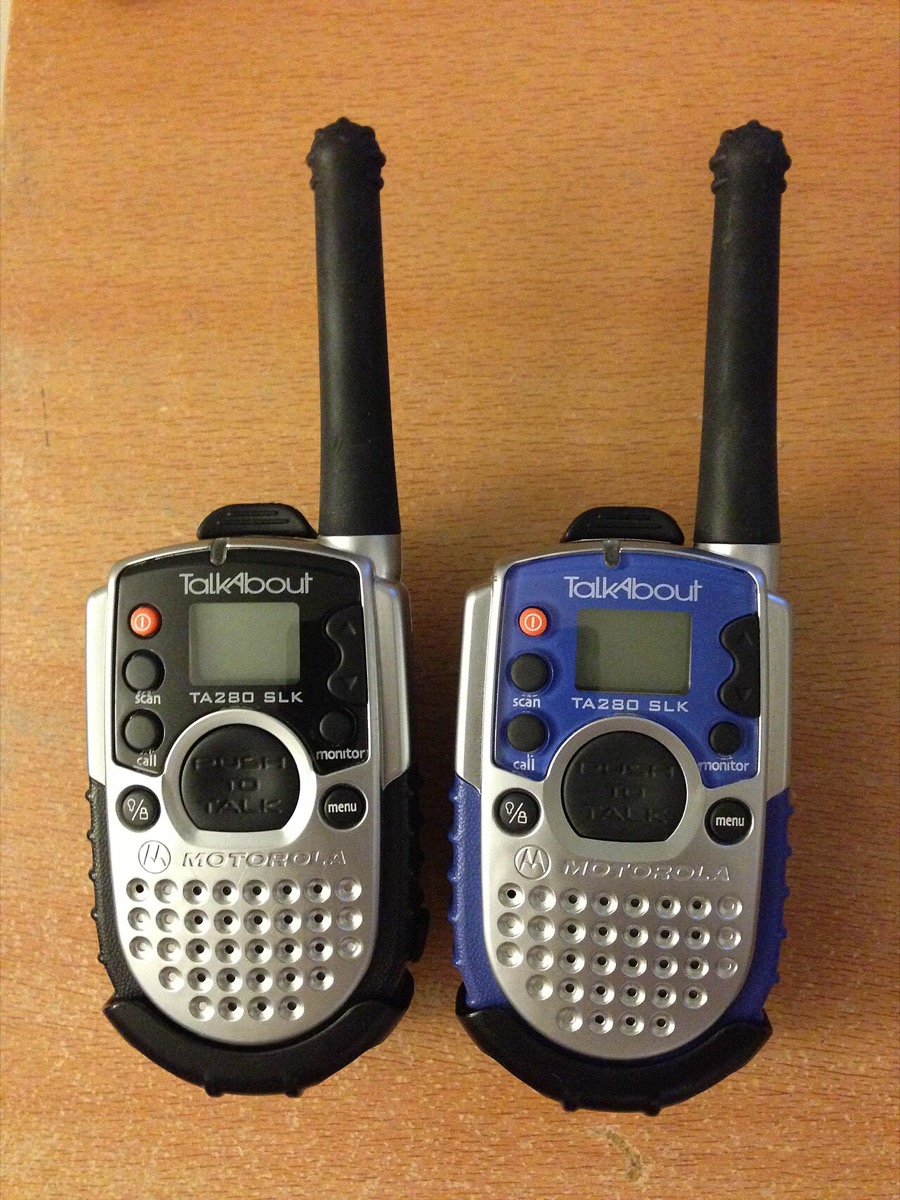
A pair of Motorola TalkAbout TA280 SLK walkie-talkies, one black and one blue
Tech 1997–2004

Motorola Talkabout

The chunky yellow walkie-talkies that kept families connected before everyone had a cellphone — two-car road-trip caravans, ski slopes, theme parks, and kids roaming the neighborhood with a two-mile leash. Over.

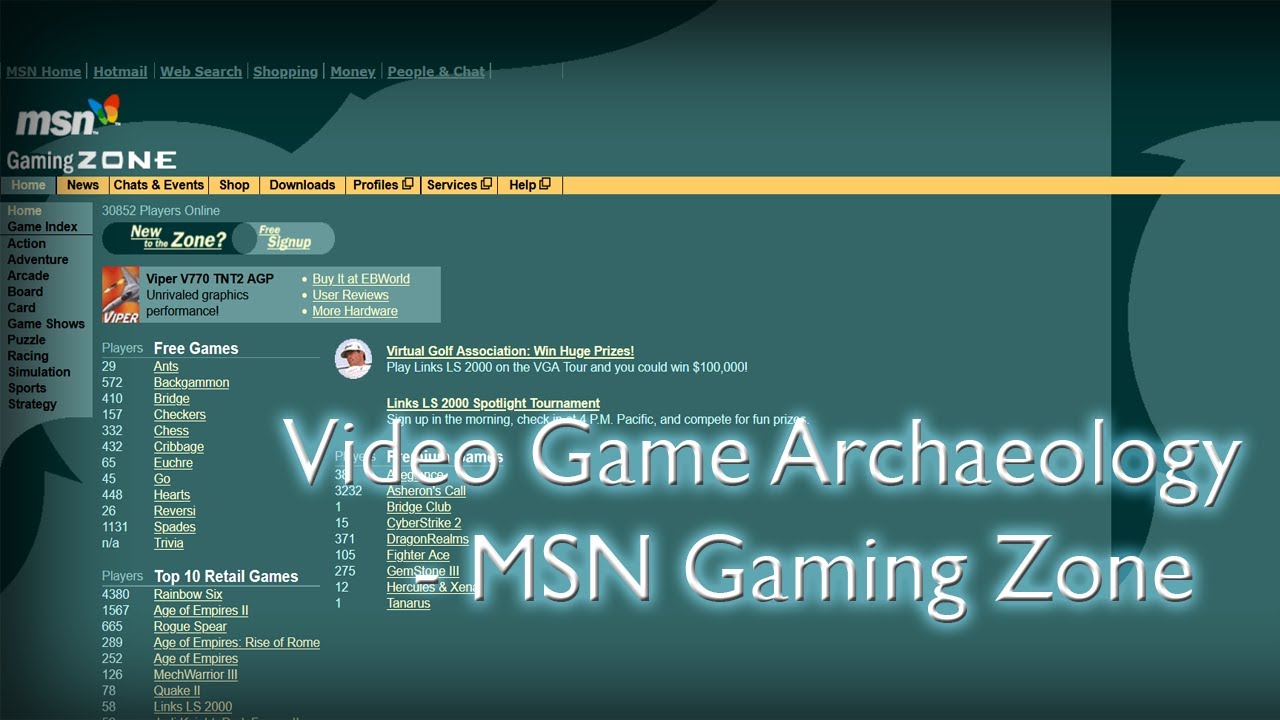
Video thumbnail — Video Game Archaeology - MSN Gaming Zone
Tech 1996–2006 peak

MSN Gaming Zone

For a lot of people, the first place you ever played games against strangers over the internet — dial in, drop into a lobby, and play Hearts, Spades, or Age of Empires. Microsoft's online-gaming portal, and a quiet ancestor of Xbox Live.

Video thumbnail — Netscape Navigator 1.0 in 1994
Tech 1994–2008

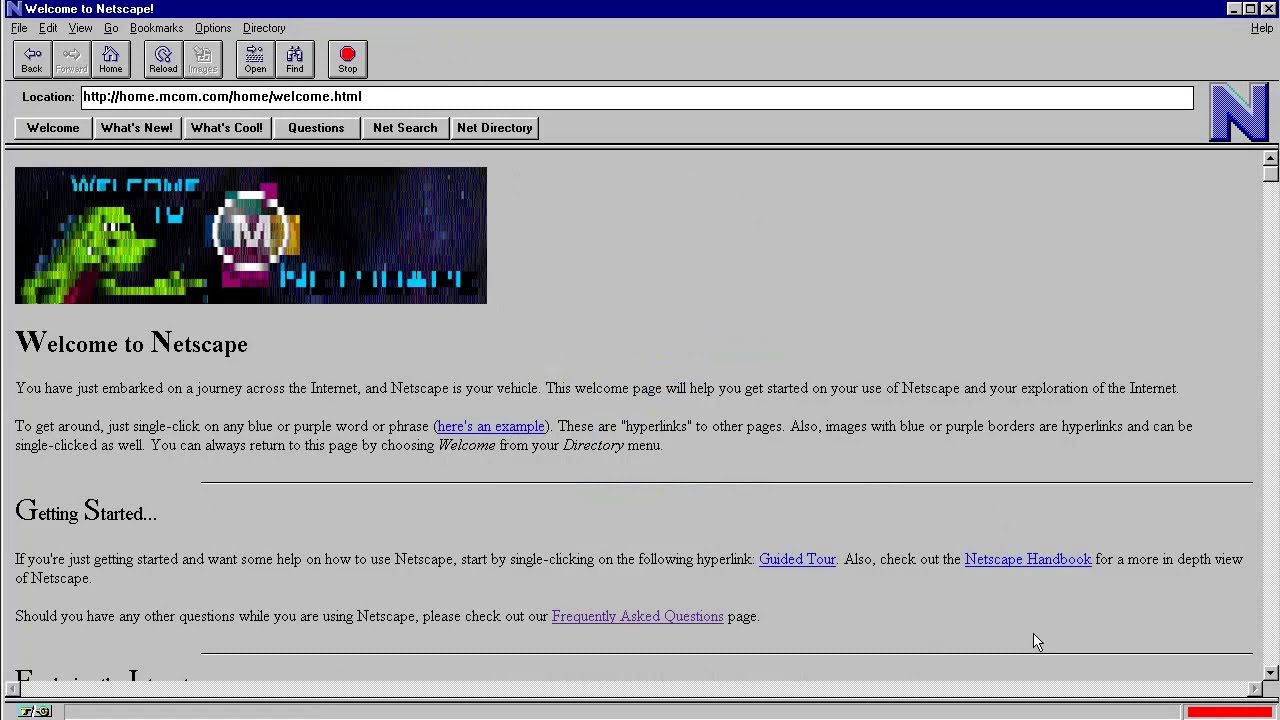
Netscape Navigator

The browser with the shooting-star "N" and the throbbing loading icon that, for millions, simply was the early web. Netscape dominated the mid-1990s before losing the browser war to Microsoft's bundled Internet Explorer.

Video thumbnail — Nokia 3310 Commercial
Tech 2000–2005

Nokia 3310

The brick phone that became a meme—Nokia's 3310 was the phone that survived drops that would kill any modern device. Released in 2000 and sold over 126 million times, it was famous for its indestructibility, the built-in Snake II game, interchangeable colored covers, and the iconic Nokia tune ringtone. It was the anti-smartphone years before the smartphone era, representing the peak of durable simplicity.

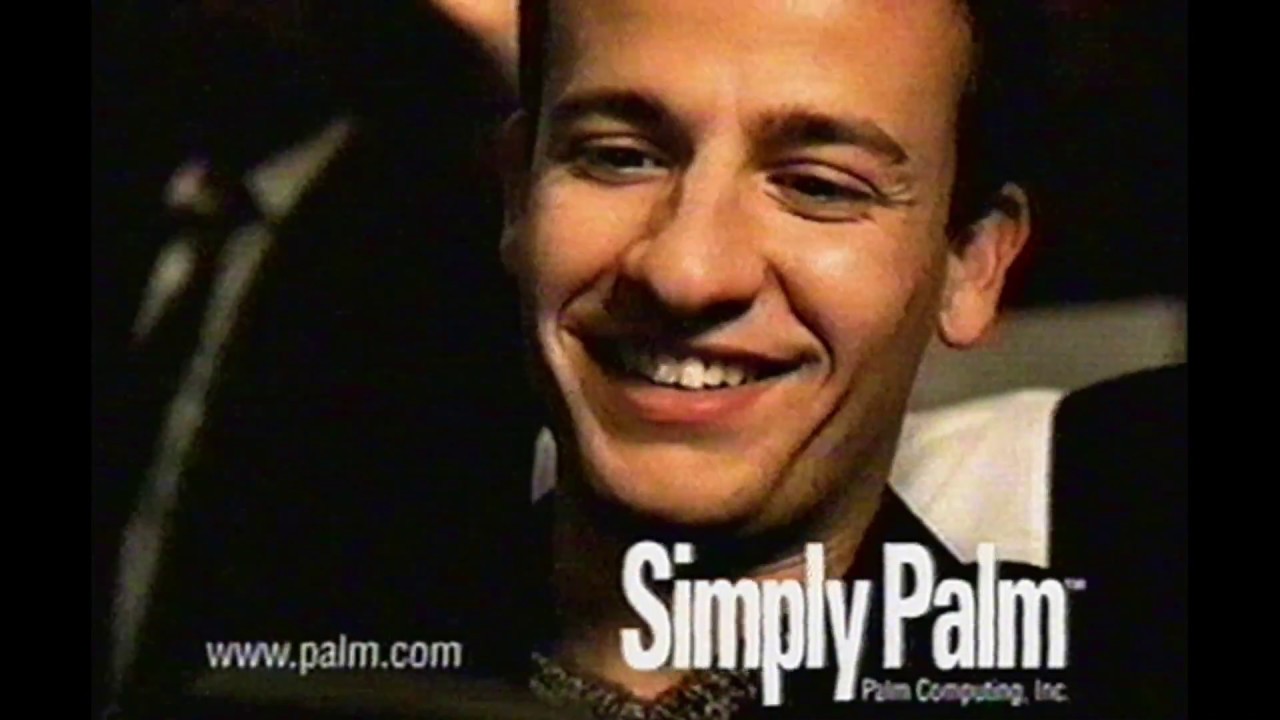
Video thumbnail — Palm Five 'Simply Palm' TV Commercial 1999
Tech 1996–2003

PalmPilot

A little gray slab that put your calendar, contacts, memos — and, let's be honest, games — in your pocket, years before smartphones. You wrote on it with a stylus in Graffiti, its own alphabet you had to learn stroke by stroke. For a while, it was the future.

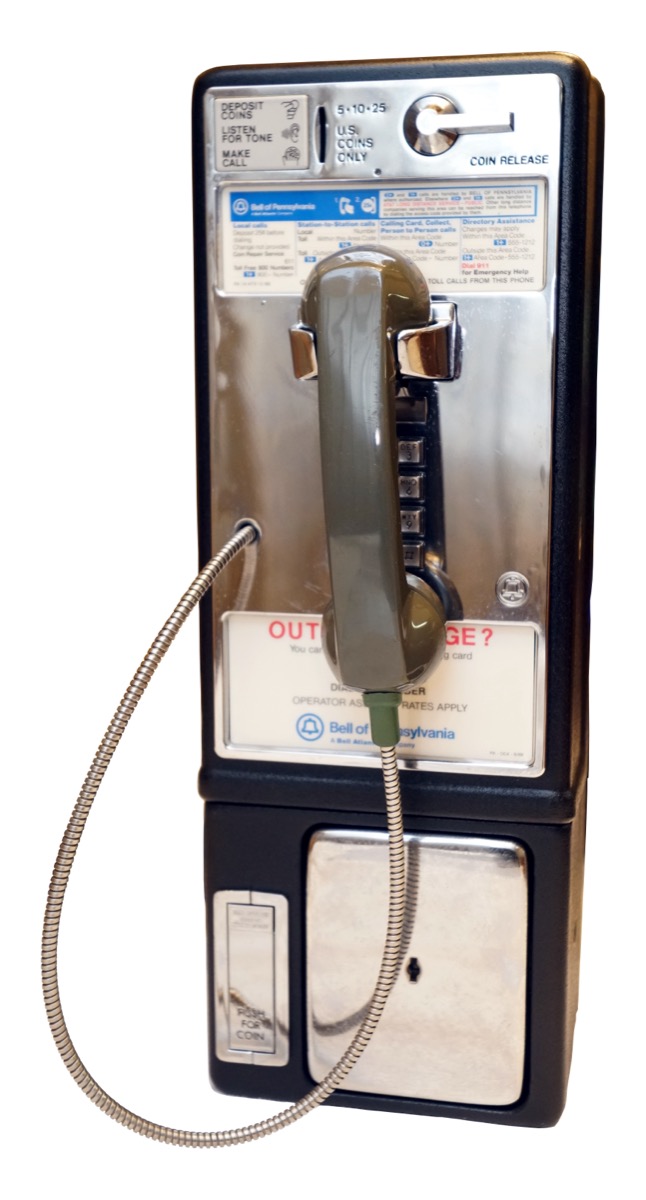
A Bell of Pennsylvania coin-operated payphone with a chrome faceplate, dial-instruction card, and metal-armored handset cord
Tech 1990–2007

Pay Phones

Coin-operated public telephones on street corners, in malls, and outside every gas station — the fallback when you needed to call home or were out of pocket change. At their 1990s peak, the US had over 2 million payphones; by the 2010s, they'd nearly vanished.

An Ameritech prepaid calling card reading 'Effective immediately, dial 1-800-AMERITECH to make your calling card calls'
Tech 1992–2005

Prepaid Phone Cards

Scratch off the panel, punch in the PIN, dial the access number, and talk until your minutes ran out — prepaid phone cards were the pre-cell-plan answer to long-distance calls and international dialing. Stacked in convenience stores and gas stations, they were lifelines for travelers and immigrants.
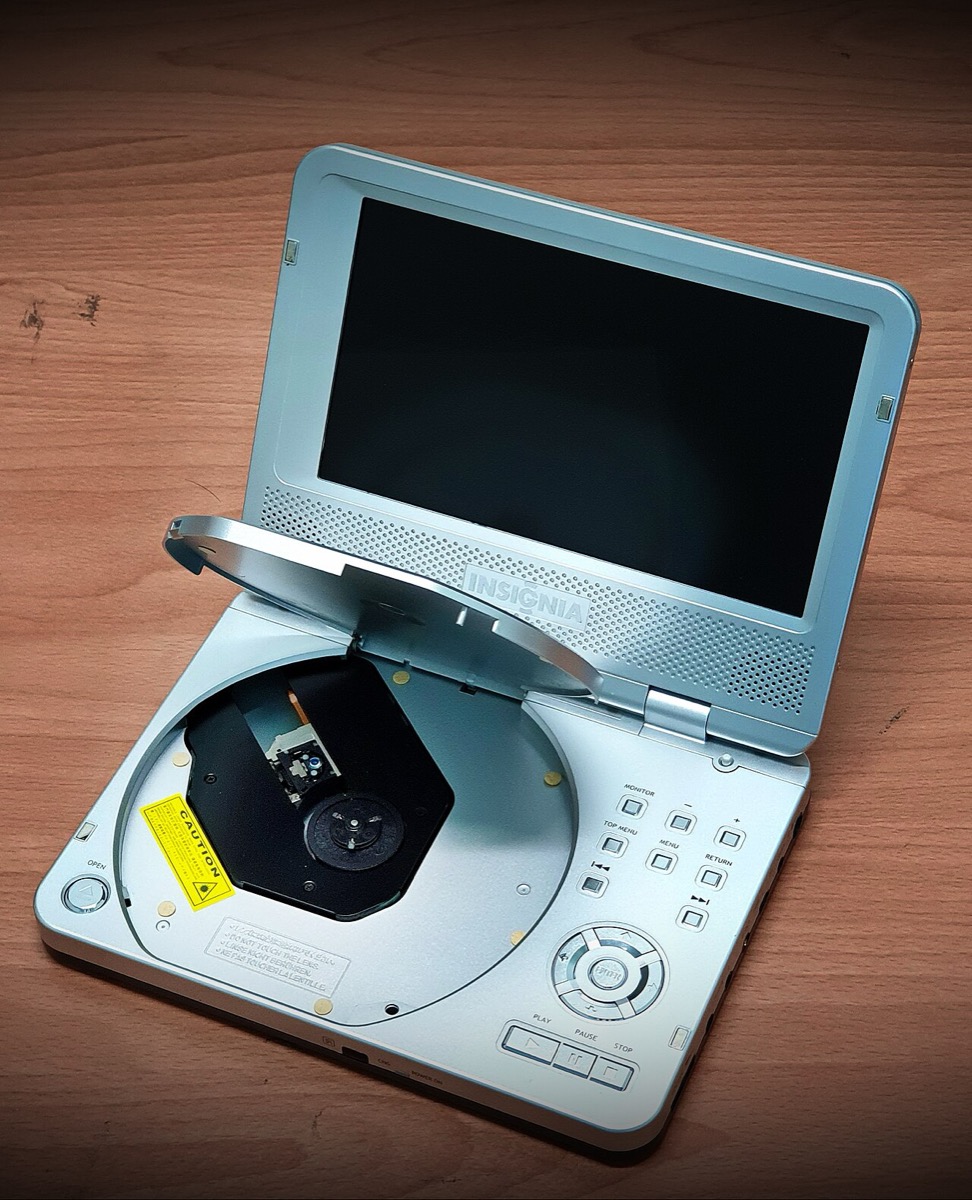
A silver Insignia portable DVD player, open with the screen up and the disc tray exposed
Tech 1998–2010

Portable DVD Players

The backseat road-trip luxury before tablets existed. A portable DVD player strapped to the back of a headrest — or a dual-screen set for two kids — meant the family minivan finally had in-flight entertainment, as long as the disc didn't skip over every pothole.

Video thumbnail — The first Roomba advert
Tech 2002–present

Roomba

The disc-shaped robot that vacuumed your floor by itself — bumping off the furniture, humming along, and, most memorably, serving as a chariot for the family cat. The first robot vacuum most people ever actually owned.

The classic Skype cloud logo
Tech 2003–2025

Skype

The free app that made video-calling normal, with its blue logo and unmistakable ringtone bloop. Launched in 2003, Skype connected long-distance friends and family over early broadband — and became a verb before Microsoft bought it.

Video thumbnail — The Story Of SmarterChild - AOL/AIM
Tech 2001–2008

SmarterChild

A chatbot on your buddy list that never slept, always answered, and never quite cursed no matter how hard you tried. SmarterChild answered trivia, cracked jokes back, and proved millions of kids were ready to talk to an AI — they just didn't know that's what it was.

Video thumbnail — T-Mobile Sidekick 2 with Snoop Dogg Commercial 2004
Tech 2002–2010

T-Mobile Sidekick

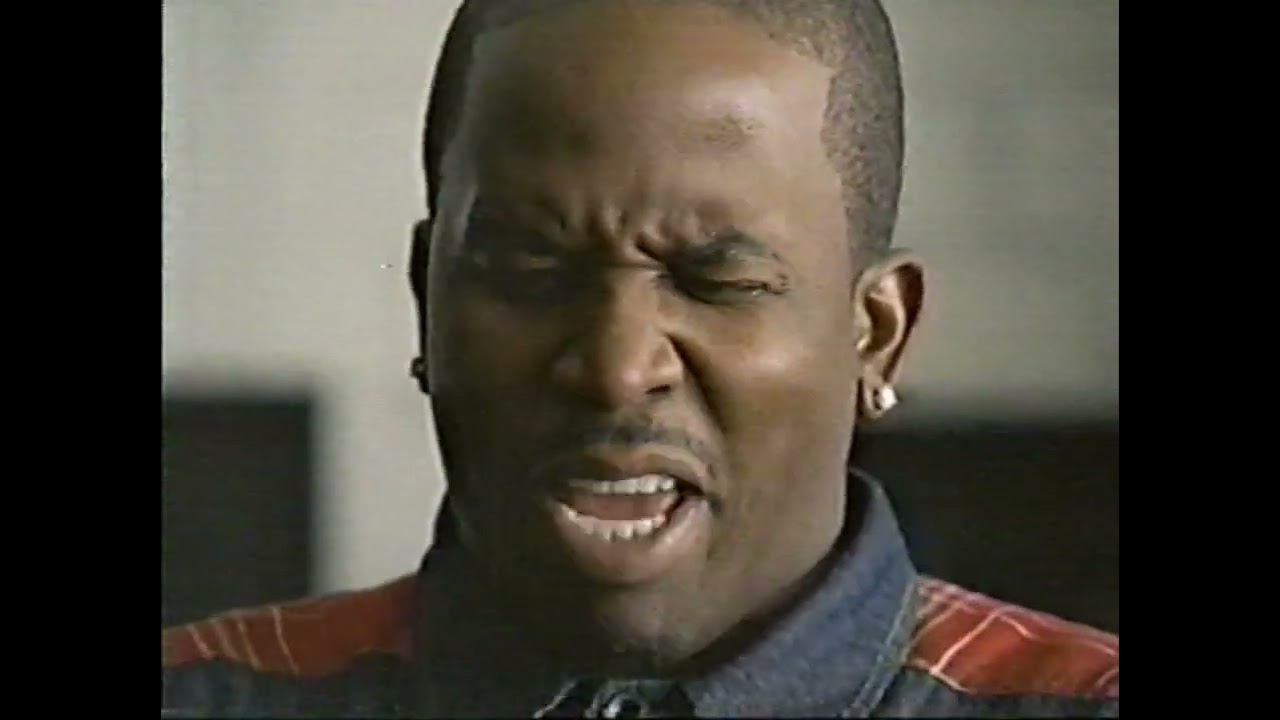
The swivel QWERTY phone that made AIM mobile before smartphones existed. The Sidekick was the texting status symbol — if you had one, you were cool.

Video thumbnail — What Happened To Winamp?
Tech 1997–2003 peak

Winamp

The media player that ran the MP3 era. Winamp's dark little window with the glowing green equalizer, endlessly customizable skins, and the MilkDrop visualizer pulsing to your music was where a generation organized its first ripped-and-downloaded music collection — and yes, it really whipped the llama's ass.

Video thumbnail — Windows XP commercial 2001 - Ray of Light
Tech 2001–2014

Windows XP

The operating system with the rolling green hill wallpaper—Windows XP arrived in October 2001 with Luna's glossy blue taskbar, the green Start button, and the cheerful startup chime that defined a generation's relationship with computers. It was stable, beloved, and so enduring that users clung to it long after Microsoft stopped supporting it, making it the most iconic OS of the 2000s.

Video thumbnail — WOW! from CompuServe (1996)
Tech 1996–1997

WOW! by CompuServe

CompuServe's last-ditch answer to AOL — a brightly colored, family-friendly online service with a cartoon interface and unlimited hours for $17.95 a month. It crashed and burned in less than a year, but if you had it, you never forgot it.

Video thumbnail — LGR Tech Tales — Bonzi Buddy: A Spyware's Tale
Tech 1999–2005

BonziBuddy

A purple gorilla who lived on your desktop, told you jokes, and quietly went through your business. BonziBuddy is the friendliest thing ever classified as adware by two antivirus companies. Half the internet remembers installing it on purpose.

Video thumbnail — Nero Burning ROM (official)
Tech 1997–present

Nero Burning ROM

The software that turned a blank disc into a mix CD, a backup, or a copy of something you probably shouldn't have had. Nero came bundled with drive after drive, so for a lot of people it wasn't the disc burner they chose — it was simply the one that was there. Its icon is a burning Colosseum, which is both a pun and a historical error.

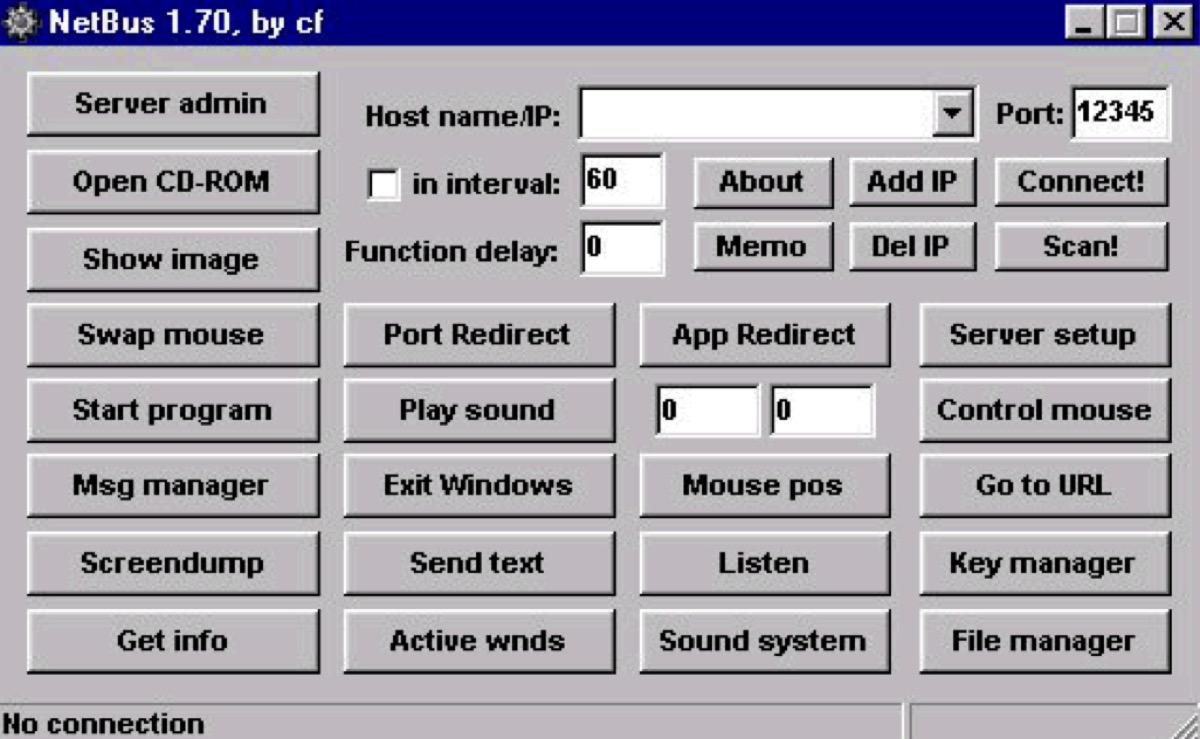
netbus
Tech 1998–2002

NetBus

The prog that turned a friend's computer into a puppet: they ran the file, and suddenly their CD tray wouldn't stay shut. NetBus arrived in March 1998 and became one of the two names everybody in the AOL-era prog scene knew. Its author insisted it was a prank tool — and its Swedish name says exactly that.

sub-seven
Tech 1999–2003

SubSeven

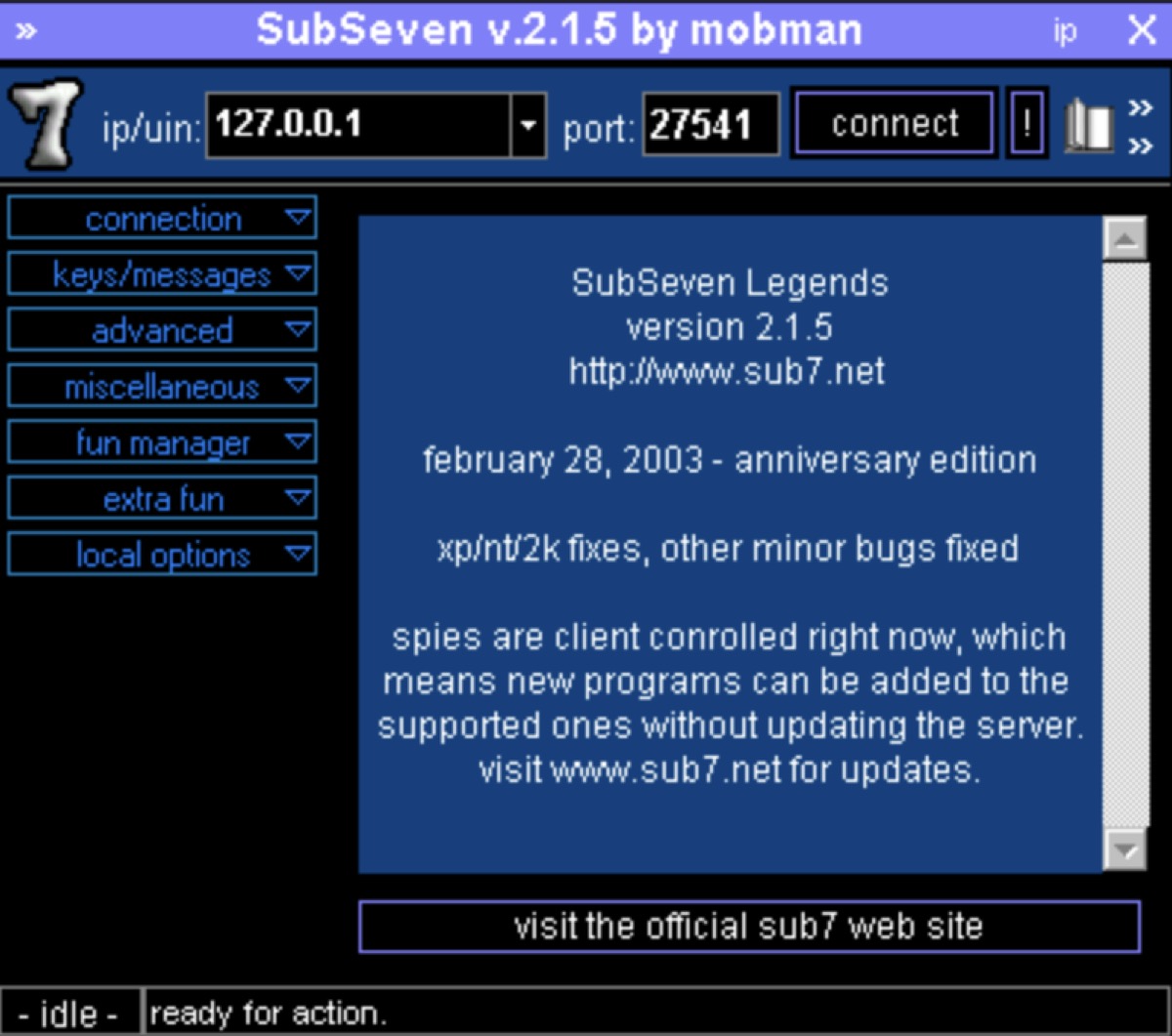
The other name every prog kid knew, and the one that got the reputation. SubSeven arrived in February 1999 doing what NetBus did but with more of everything, and it became the era's definitive "double-click this" mayhem. Its author has never been convincingly identified — and that fight is still going.
Video thumbnail — Vintage Commercial - US WEST Caller ID Box
Tech 1989–2000

Caller ID Box

A little LCD slab that sat beside the phone and did exactly one thing: showed you who was calling before you picked up. For about a decade, knowing that required buying a second device and paying the phone company a monthly fee for the privilege. Then telephones learned to do it themselves and the box quietly vanished.

Video thumbnail — Cybiko Wireless Inter-tainment Computer
Tech 2000–2003

Cybiko

A translucent pocket computer for teens with a rubber QWERTY keyboard and its own two-way radio — Cybikos within about a hundred meters could text each other and join wireless chatrooms, years before teens had phones. Over 430 games and apps, all free. Half a million sold in 2000 alone, then the moment passed as fast as it arrived.

Video thumbnail — Blackberry commercial from 2008
Tech 2005–2010 peak

BlackBerry

The thumb-typed email machine that owned the boardroom, then the teen universe — the hottest phone in America right up until the iPhone ate it. Push email, the blinking red light, BBM: BlackBerry was so addictive that Webster's New World made "CrackBerry" its 2006 Word of the Year.