Computer Lab
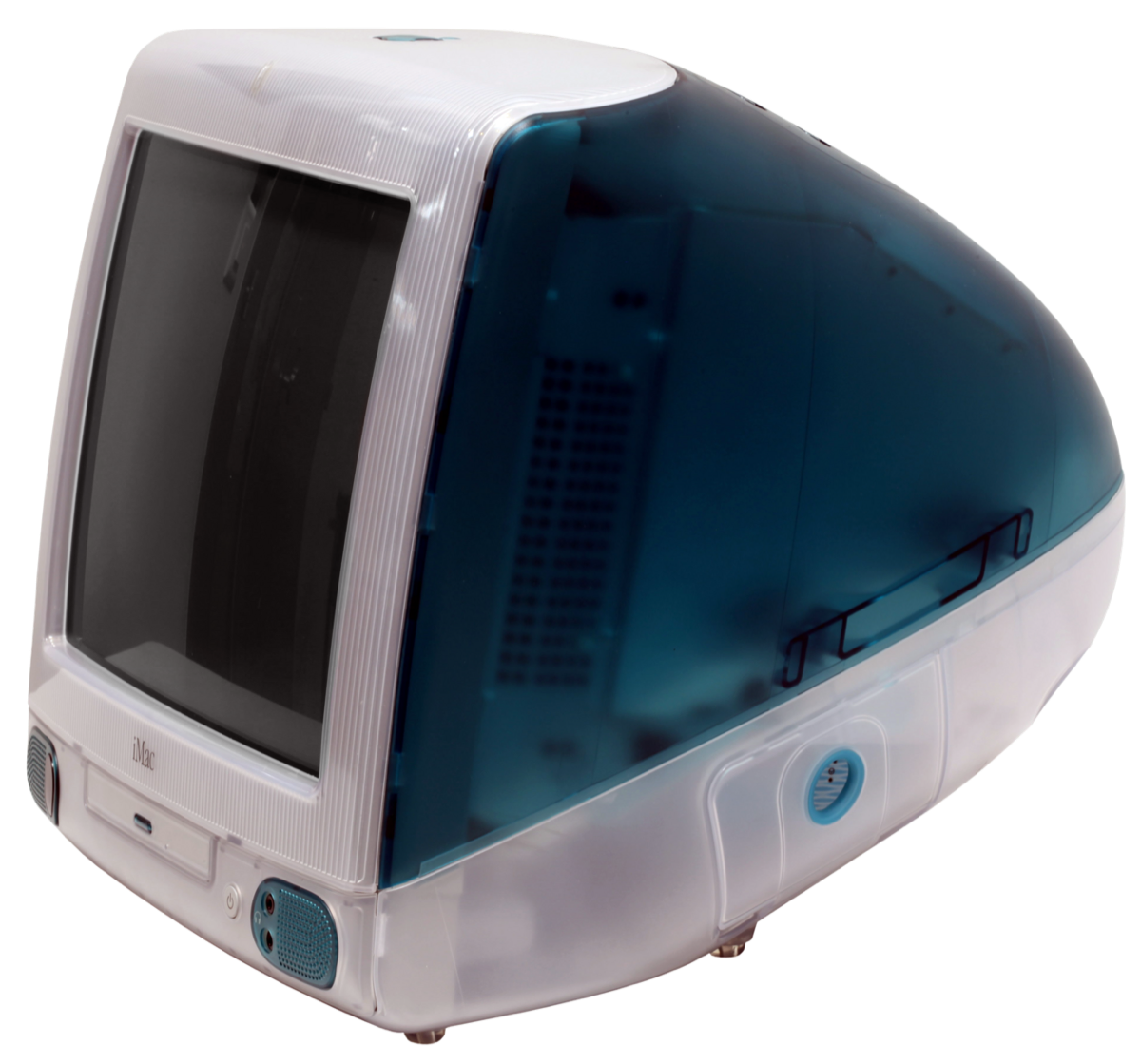
The weekly pilgrimage down the hall to the room full of beige Apple computers, where you'd slot in a floppy disk, wait, and take turns dying of dysentery on the Oregon Trail. "Computer Day" was equal parts educational software and the first place a lot of kids ever touched a keyboard.
The American school computer lab was built on Apple's back. The Apple II was the first computer in widespread use in US schools — by the end of 1980 Apple had sold over 100,000 of them — thanks to aggressive education discounts and a partnership with the Minnesota Educational Computing Consortium (MECC), the state-funded outfit that put Apple IIs and its own software into classrooms. In 1983, Steve Jobs's "Kids Can't Wait" program handed a free Apple IIe to nearly every California school with 100 or more students — some 9,000 machines — underwritten by a 25% state tax credit.
By the 1990s the hardware was already aging in place. The beige Apple IIe (1983) and the color-and-sound Apple IIGS (1986) lingered in lab corners well into the decade even as Macintoshes and PCs arrived — which is exactly the 90s-kid memory: a room lined with old machines, a Disk II drive swallowing a 5¼-inch floppy, and a class taking turns. The software was a canon of its own: The Oregon Trail (created back in 1971 by three Carleton College student teachers, then refined and sold by MECC), Number Munchers (MECC, 1986), Reader Rabbit, and Kid Pix.
For a lot of kids this room was the first place they ever used a computer — hunting and pecking at a keyboard, learning to save to a floppy, waiting through the grind of a disk drive. The lab period was a scheduled event, a break from the regular classroom, and Computer Day carried a low-grade thrill. By the late 90s the Apple IIs were finally carted off for Macs and PCs and the internet changed what the room was for — but the memory stuck to those beige machines and the green-on-black trail west.
Keep talking about it (Reddit)
Similar items

Gateway Computers
The PC that came in a cow-spotted box. Born above an Iowa cattle brokerage, Gateway 2000 mail-ordered family computers straight to your door in black-and-white Holstein-print cardboard — ordered over the phone from a friendly Midwest rep, delivered by truck. For countless kids, that spotted box showing up meant the house was about to get its first computer.

Kid Pix
Broderbund's gloriously chaotic kids' drawing program — the one with the honking sound effects, the rubber stamps, and the stick of dynamite that blew your whole picture apart in a burst of black-and-white circles. For a generation of 90s kids it was the first "art" they ever made on a computer.
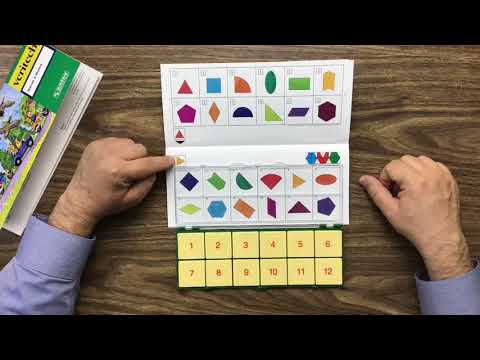
Mini Veritech
A self-checking tile puzzle: twelve numbered tiles in a clear plastic case, each with a fragment of a geometric pattern on the back. You worked through a workbook puzzle, placed each numbered tile on its answer, then flipped the case closed — if the pattern matched what was printed in the book, every answer was right. The game told you before the teacher could.

The Oregon Trail
The computer-lab game that taught westward expansion through dysentery and desperation. Every 90s kid named their wagon party after friends, overhunted buffalo, gambled on river crossings, and died of unexpected causes while technically learning American history.