Comet Hale-Bopp
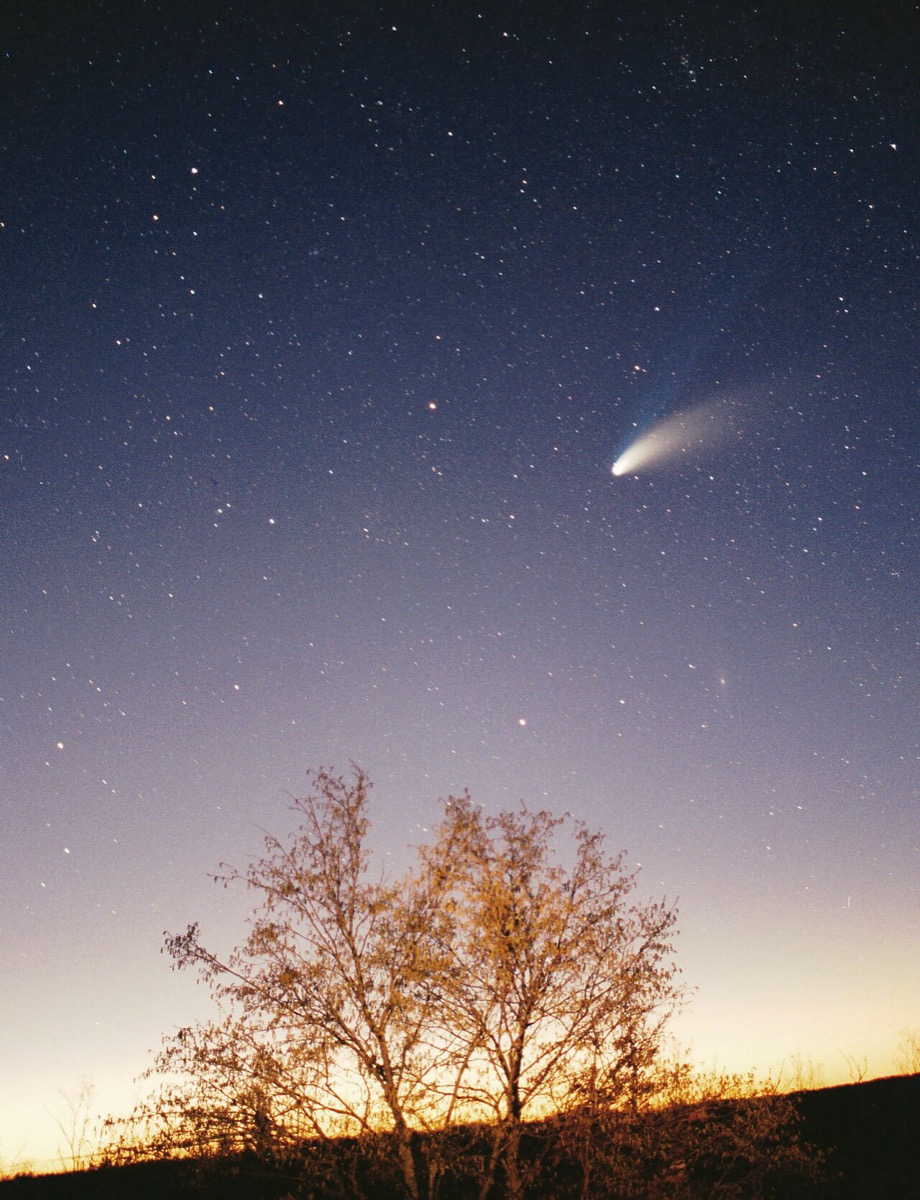
The Great Comet of 1997 — the bright, hanging smudge of light that had entire families standing in the driveway looking up. Visible to the naked eye for a record stretch, Hale-Bopp was the comet everyone actually saw, a shared sky-watching moment that also collided with one of the decade's strangest tragedies.
The comet was discovered independently on July 23, 1995, by two American observers: Alan Hale, watching from his driveway in New Mexico, and Thomas Bopp, using a friend's telescope near Phoenix. Their shared name stuck, and as it approached the sun the object brightened into what became known as the Great Comet of 1997.
What set Hale-Bopp apart was how long and how well it could be seen. Thanks to its unusually large nucleus, it remained visible to the naked eye for a record of roughly 18 months, with final sightings in December 1997. It passed its closest point to the sun on April 1, 1997, glowing brightest in the first days of that month, and by April 9 an estimated 69 percent of Americans had seen it — one of the most widely observed comets of the 20th century. For millions it was simply the bright star-with-a-tail their parents pointed out over the backyard.
The comet also had a dark shadow. In March 1997, 39 members of the Heaven's Gate group died in a mass suicide, having come to believe that a spacecraft was traveling behind Hale-Bopp and that leaving their bodies would let them reach it. The tragedy became inseparable from the comet's memory — a somber footnote to what was otherwise a rare moment of the whole country looking up at the same thing.
Keep talking about it (Reddit)
Similar items
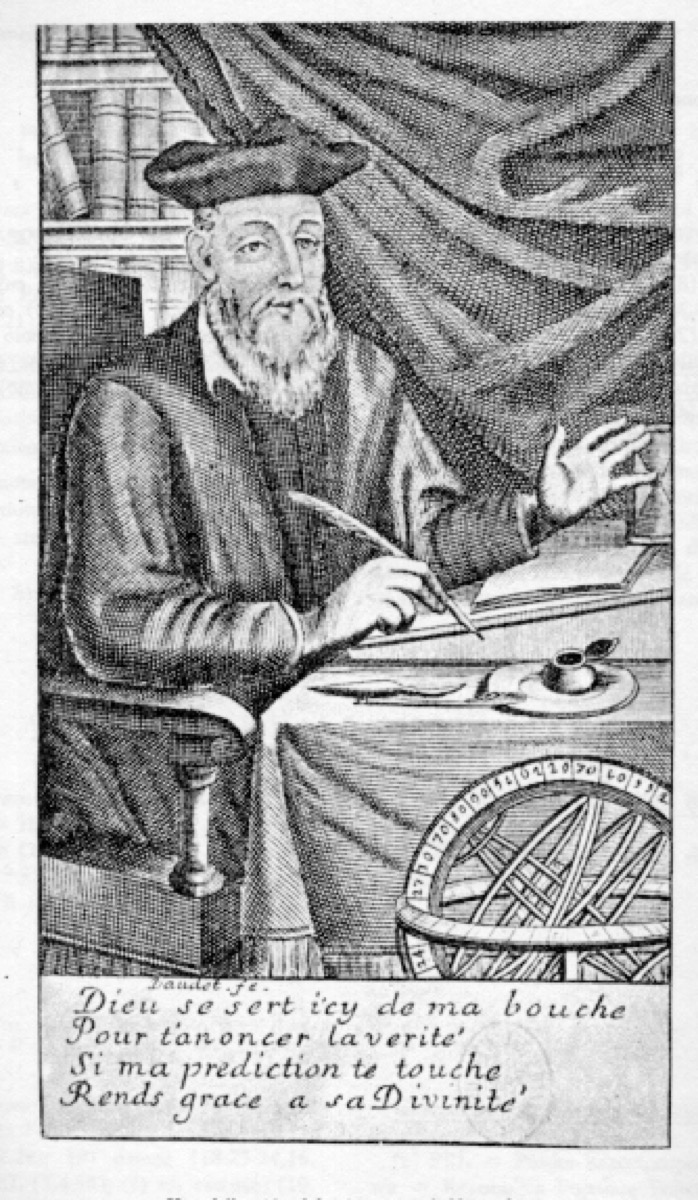
Nostradamus
A 16th-century French seer who came roaring back as the year 2000 approached, thanks to one ominous quatrain about '1999, seventh month' and a King of Terror falling from the sky. Paperbacks, TV specials, and a spooky old Orson Welles documentary made Nostradamus the patron saint of millennium dread — and scared a lot of kids in the process.
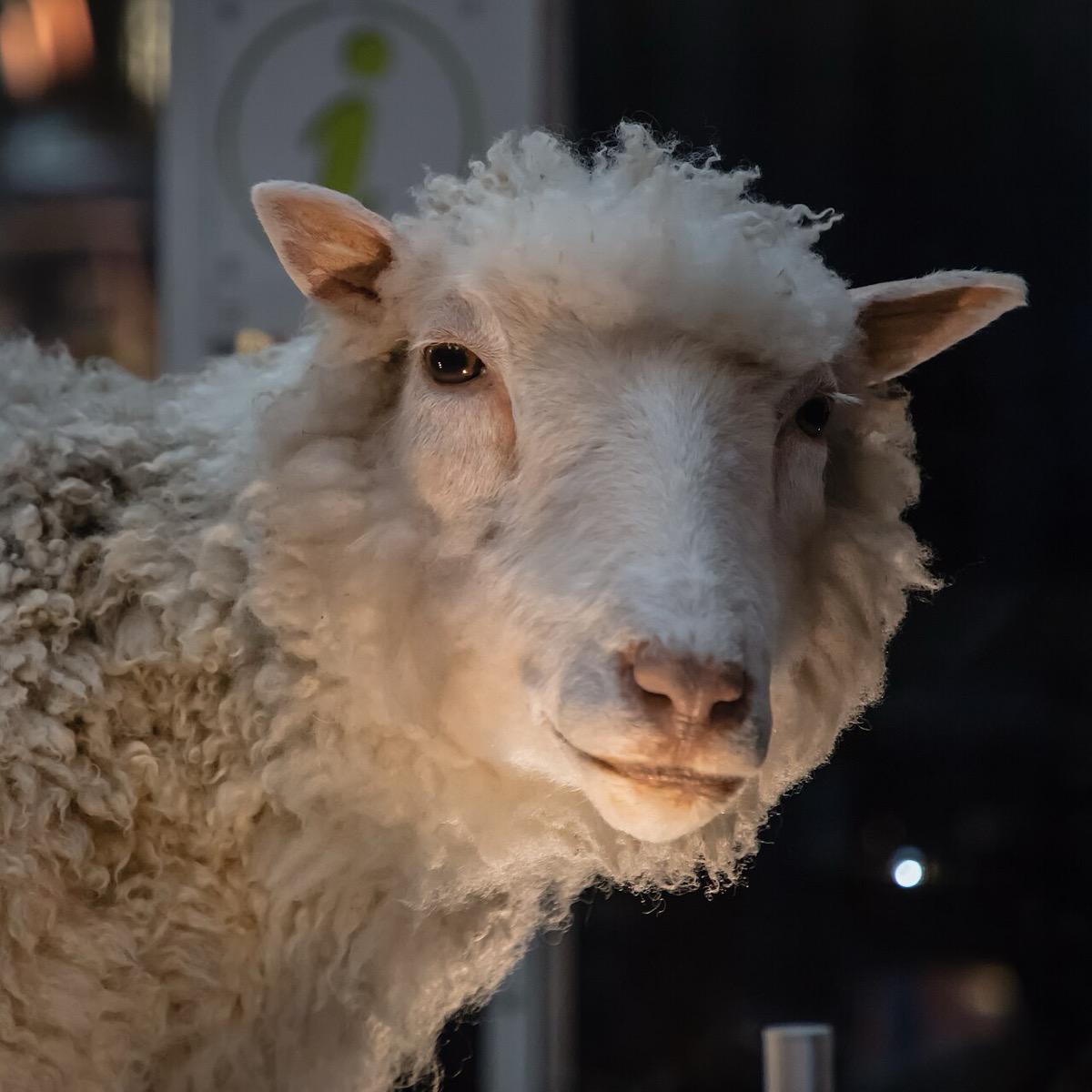
Dolly the Sheep
The most famous sheep in history — the first mammal cloned from an adult cell, and the moment cloning jumped from science fiction to the dinner-table conversation. When Dolly was unveiled in 1997, she landed on magazine covers, triggered ethics panics, and made 'clone' a word every kid suddenly knew.
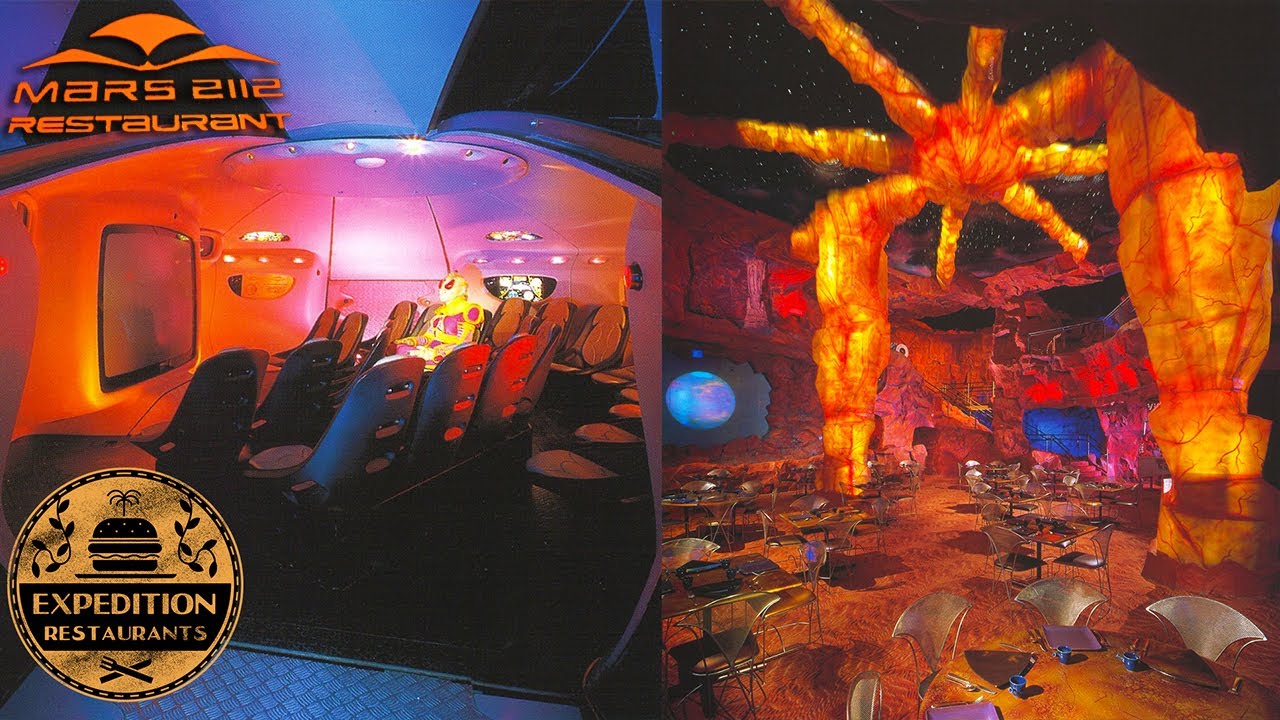
Mars 2112
A 33,000-square-foot spaceship restaurant in Times Square where you literally flew to Mars on a motion-simulator shuttle before tumbling into a three-story underground Martian cavern. It was the largest space-themed restaurant on Earth when it opened, and it felt like it — a pure sci-fi fever dream.
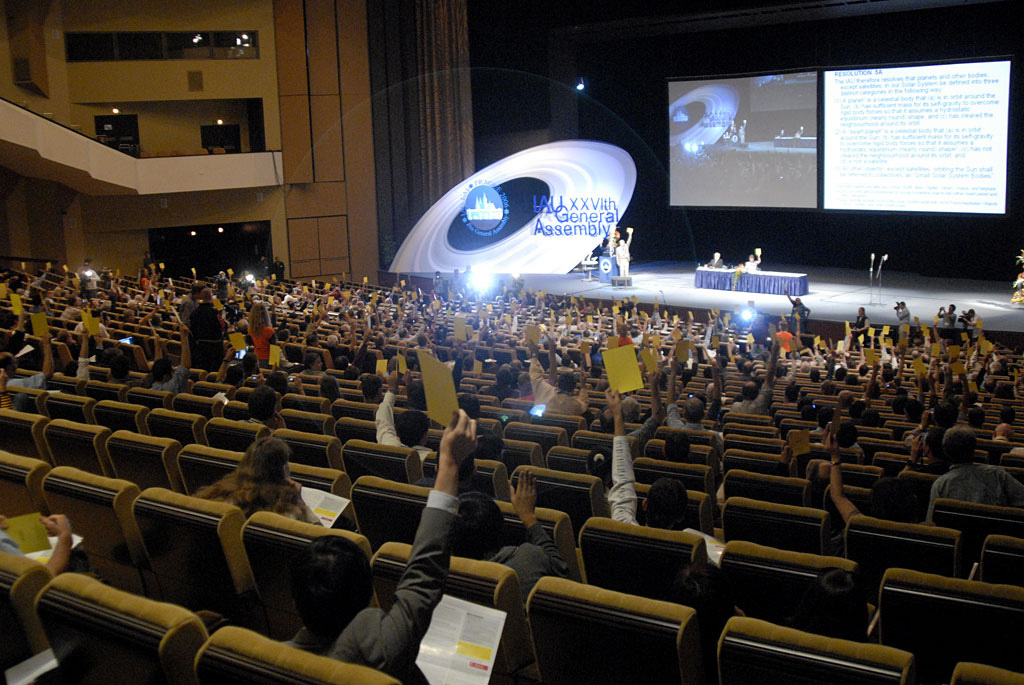
Pluto's Demotion
On August 24, 2006, astronomers voted and every solar-system poster in every classroom on Earth became wrong. Pluto was out, 'dwarf planet' was in, and a generation raised on nine planets took it personally.