Rubber Cement
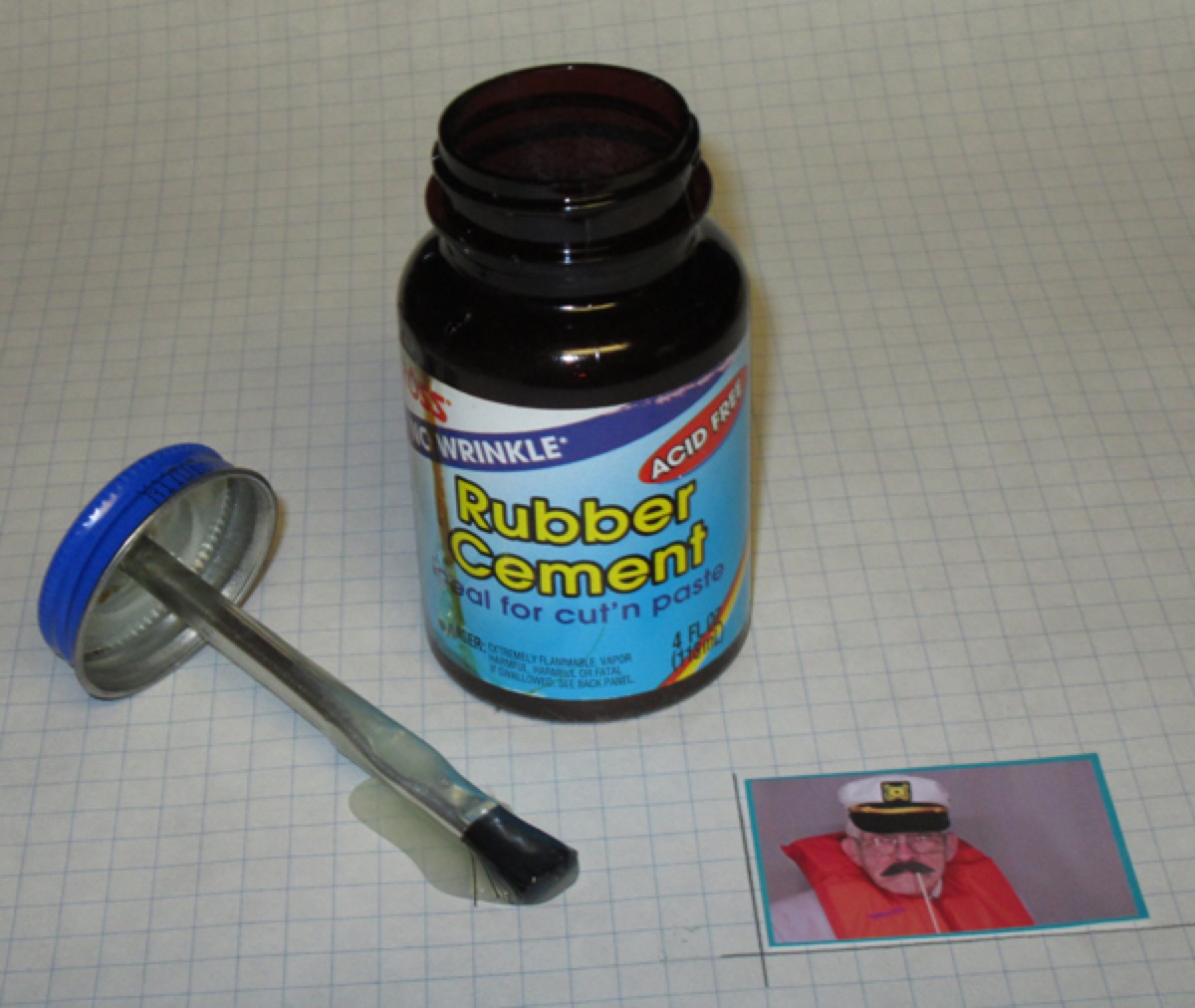
Photo credit: Photo: Lou Sander, CC BY-SA 3.0, via Wikimedia Commons
The brush-in-cap jar with the unmistakable chemical smell that made art projects actually work. Rubber cement let you unstick and re-stick paper without wrinkling—which meant you could revise, adjust, and experiment without destroying your work. The ritual of painting it on, peeling dried excess, and rolling it into bouncy little balls was as much the point as any finished project.
Rubber cement was the art-room and school staple that thrived because it solved a real problem: liquid glue wrinkled paper and glue sticks barely held, but rubber cement created a bond that could be undone. The brush applicator in the cap made it precise, and the solvent smell became forever linked with cutting-and-pasting projects—book reports, collages, bulletin boards. The peeling of dried excess was its own sensory reward, and kids discovered that you could roll the little flakes into bouncy balls, which led to invisible art-class entertainment.
Art teachers loved it because it actually worked without creating disaster, and the reversible adhesion meant mistakes weren't permanent. It stayed in supply closets and art rooms well into the 2000s, gradually giving ground to glue sticks and tape runners. But for anyone who did an elementary-school poster board project, that rubber-cement smell is forever locked in as the scent of "making something real."
Similar items

Scholastic Book Fairs
The ritual: your school gym transforms overnight into a pop-up bookstore of rolling display cases, and you wander the aisles with a wish list and a budget. Scholastic Book Fairs dominated the 90s market, though what kids actually bought — glittery gel pens, novelty pencils, poster books — often had nothing to do with the Goosebumps stacks they wandered past.
Elmer's Glue
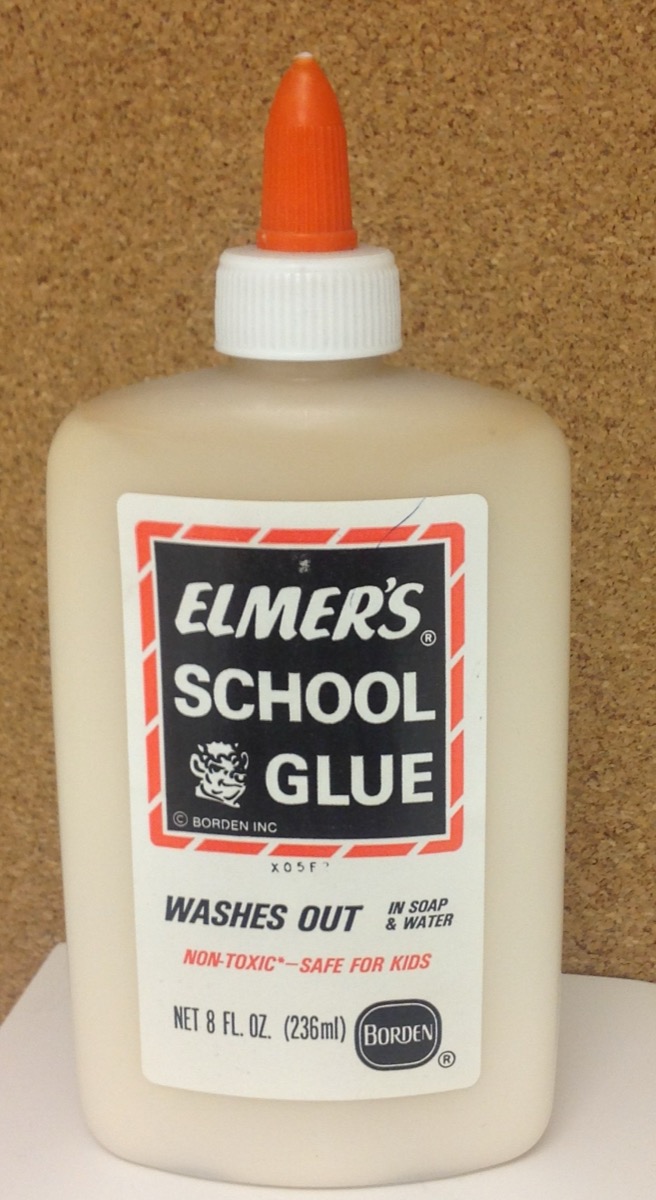
The white bottle with the orange twist cap and the bull on the label — the glue of every 90s classroom, and the raw material of two sacred rituals: peeling dried glue off your palm, and the (never-quite-true) legend of the kid who ate paste.
![Video thumbnail — BIC Wite Out Brand EZ Correct Correction Tape Review - How Effective Is It? [2025]](https://i.ytimg.com/vi/INkGHfRlygU/maxresdefault.jpg)
Correction Tape
Click it, drag it, write over it instantly — correction tape solved the eternal problem of waiting for liquid white-out to dry. It became the default fix in 90s classrooms, the superior move of anyone who had tried both.

Covering Your Textbooks
The first week of school came with homework before you'd learned anything: take home the stack of hardcover textbooks the teacher just issued and cover every single one. You either cut open a brown paper grocery bag and folded it into a snug jacket, or slid on a stretchy fabric cover in a color you actually liked. Then you brought them back the next day for the teacher to check.