AOL Private Chat Rooms
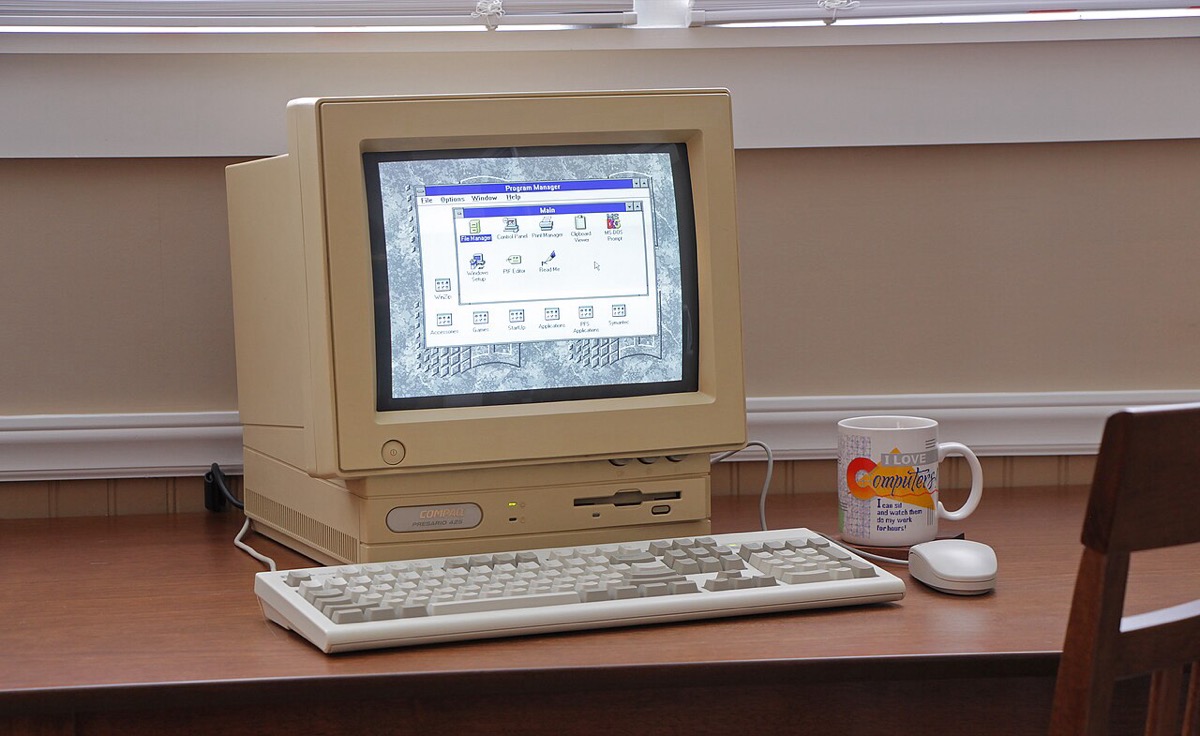
Photo credit: Photo: phreakindee, CC0, via Wikimedia Commons
The hidden rooms where 90s internet culture actually lived. Capped at 23 people, joinable only if you knew the name, and greeted by universal "A/S/L?" — private rooms were where friendships, flirtations, and warez trades quietly thrived.
AOL's official channels were the storefront, but the private rooms were the beating heart. Members could create rooms with any name, and the 23-person capacity became canonical for intimacy and exclusivity. If you knew a room's exact name, you could join; if you didn't, you'd never find it. This simple mechanic created an instant underground: closed communities within AOL's open platform.
The Member Rooms directory was the catalog of a thousand subcultures. Rooms organized around fandoms, romance, role-playing games, warez trading, and just random socializing. A/S/L — age, sex, location — became the universal first message in every private room, a greeting formula that distilled strangers into profiles. Late-90s media panic seized on the private-room phenomenon as a breeding ground for predators and strangers, fueling fears about online safety and child endangerment that dominated parental warnings of the era.
Yet for millions of teens and young adults, the private room was the genuine thing: first crushes formed in those rooms, long-distance friendships solidified through hours of text, inside jokes and communities took root. The intimacy of a 23-person room created bonds that felt real even when the identities behind the names remained pure mystery.
Keep talking about it (Reddit)
Similar items

AOL
The dial-up gateway that wired up America. AOL's "You've Got Mail" voice, aggressive free-trial CD carpet-bombing, and shift to unlimited $19.95/month pricing triggered the legendary busy-signal crisis — millions of Americans' first taste of the internet.

AIM & MSN Messenger
The after-school ritual: logging on to a dial-up modem, scanning your buddy list, typing AIM away messages packed with song lyrics and veiled drama, and knowing your 12-year-old screen name would haunt you forever. AIM and MSN Messenger were the social nervous system of the '90s and 2000s — instant, informal, and utterly addictive.

AOL Punters & Progs
Homemade Visual Basic programs that exploited and weaponized the AOL client. AOHell kicked off the era; "punters" crashed users offline; the scene thrived in secret warez rooms until AOL clamped down.

AIM Away Messages
The cryptic, ever-changing status you left up for your buddy list to decode — song lyrics aimed at nobody in particular, inside jokes, coded hints about your mood and your crush. AIM away messages were half diary entry, half performance art, and everyone was reading.