Heads Up, Seven Up
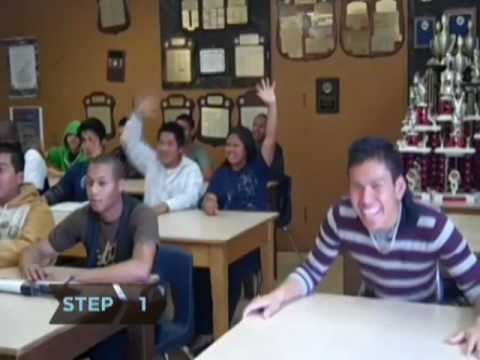
The rainy-day classroom game where seven kids crept up and down the aisles while everyone else put their heads down, eyes closed, one thumb up. Get your thumb pressed and you stood to guess who did it — a correct call and you took their place at the front. It was less a game than a way to survive an indoor recess.
Heads Up, Seven Up is an American classroom folk game with no known inventor and no real origin story — it can be traced back to at least the 1950s, and perhaps earlier. Like most schoolyard traditions, it was handed down teacher to teacher and class to class, picking up alternate names along the way: 'Thumbs Up, Seven Up,' 'Heads Down, Thumbs Up,' or just 'Seven Up.'
The rules were simple enough that a substitute could run it. Seven kids came to the front; the caller announced 'Heads down, thumbs up,' and everyone still seated dropped their heads, closed their eyes, and stuck one thumb in the air. The seven fanned out through the room and each pressed down exactly one thumb before returning to the front. Then came 'Heads up, seven up' — the tapped kids stood, and each got one guess at who had gotten them. Guess right and you swapped places; guess wrong and you sat back down.
Because it needed nothing but a quiet room and a teacher willing to run it, the game became the default for rained-out recess, the last ten minutes before a bell, or any stretch when a class had to stay put. It never went away — it's still played in elementary classrooms today, one of those games every generation seems to rediscover on its own.
Keep talking about it (Reddit)
Similar items
Four Square
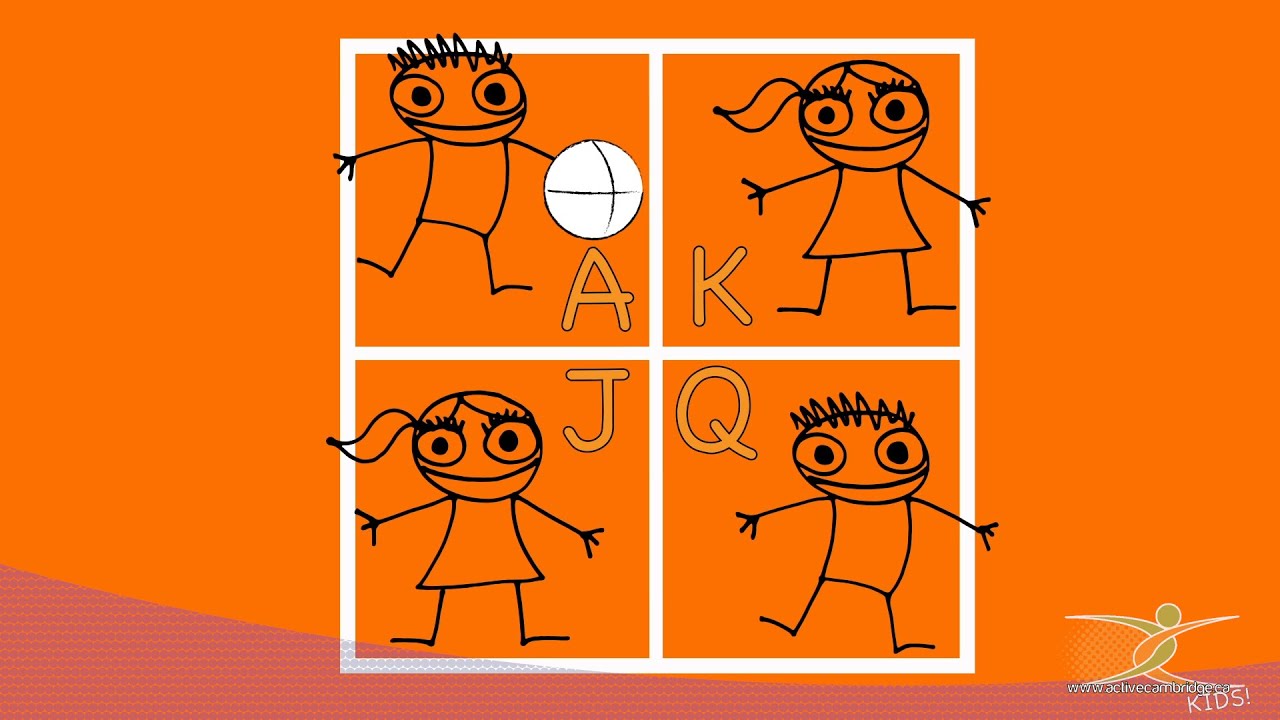
The recess court painted in four big squares, ruled by whoever held the top square and whatever house rules they felt like declaring that day. Bounce the rubber ball into someone else's square, they had to hit it on before it bounced twice, and one blown return sent you to the back of the line while everybody moved up.
Paper Fortune Tellers
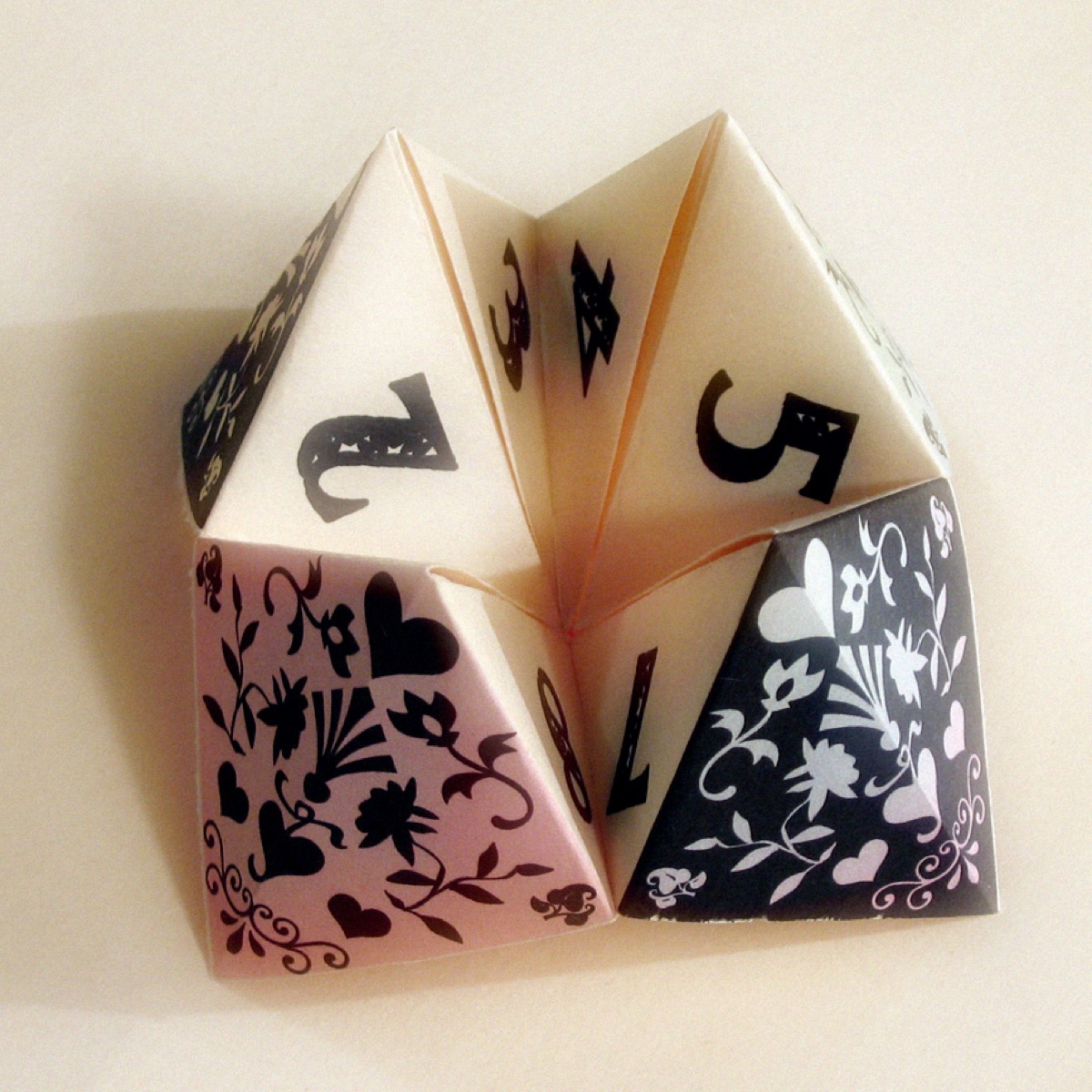
The folded-paper contraption you worked with your fingers to tell someone their future. Pick a color, pick a number, and under the last flap was your fate — who you'd marry, or something rude your friend had written. The classroom fortune-teller you could make out of a single square of notebook paper.

Caught Being Good
You held the door for the kindergartners, and suddenly a teacher was pressing a little ticket into your hand: CAUGHT BEING GOOD. Into the jar it went, and on Friday afternoon the whole class held its breath while a name got drawn for the prize box. School surveillance never felt so wonderful.

Chinese Jump Rope
A big loop of elastic stretched around two kids' ankles while a third hopped through a chanted in-and-out pattern — and every time she cleared it, the rope went up: ankles, then knees, then thighs, until nobody could reach. All you needed was three friends and a length of stretchy cord, or a chain of knotted rubber bands in a pinch.