Save the Rainforest

For a stretch of the late 80s and 90s, American elementary school ran on rainforest content: canopy diagrams on every bulletin board, endangered-species reports in every unit, and the hypnotic "Rain Forest Rap" on the TV cart until entire grade levels had it memorized. Saving the rainforest was simply THE cause.
Somewhere around the end of the 80s, American elementary school decided its cause was the rainforest, and for the next decade every classroom orbited it. Teachers built entire units around it — canopy, understory and forest-floor diagrams pasted on every wall, adopt-an-acre fundraisers, rainforest borders framing the bulletin board, endangered-species reports stacked on the library shelf. The anchor artifact: the "Rain Forest Rap," a roughly seven-minute World Wildlife Fund educational video from 1988 — an MTV-style music video about Peru's Amazon rainforest, produced by Andrew Young and directed by Susan Todd, with rappers Jesse Itzler and Victoria Grace urging kids to learn about the rainforest and spread the word. Teachers wheeled in the TV cart and played it on rotation, year after year.
The cultural infrastructure: The Great Kapok Tree in the classroom library, FernGully on VHS checked out perpetually, Captain Planet on Saturday morning, and the Rainforest Café turning the whole cause into a mall restaurant where you could dine under an artificial canopy and the smell of rain. WWF paired the rap with the film "Amazonia: A Celebration of Life," and for a generation of kids the rainforest became their first environmental cause, their first sense that they could learn something far from home and take action.
For a whole cohort the rainforest is what they remember instead of state capitals — the acreage counts, the burning-football-fields-per-second stats, the names of animals they've forgotten but the feeling that the world was on fire and they were supposed to help save it.
Similar items

Rainforest Café
A jungle-themed restaurant chain founded by Steven Schussler, with the first location opening in October 1994 at the Mall of America in Minnesota. Diners ate surrounded by animatronic animals, aquariums, fake tropical rainstorms with thunder and lightning, and the constant squawk of electronic birds. Rainforest Café epitomized 1990s themed entertainment and the mall culture experience.
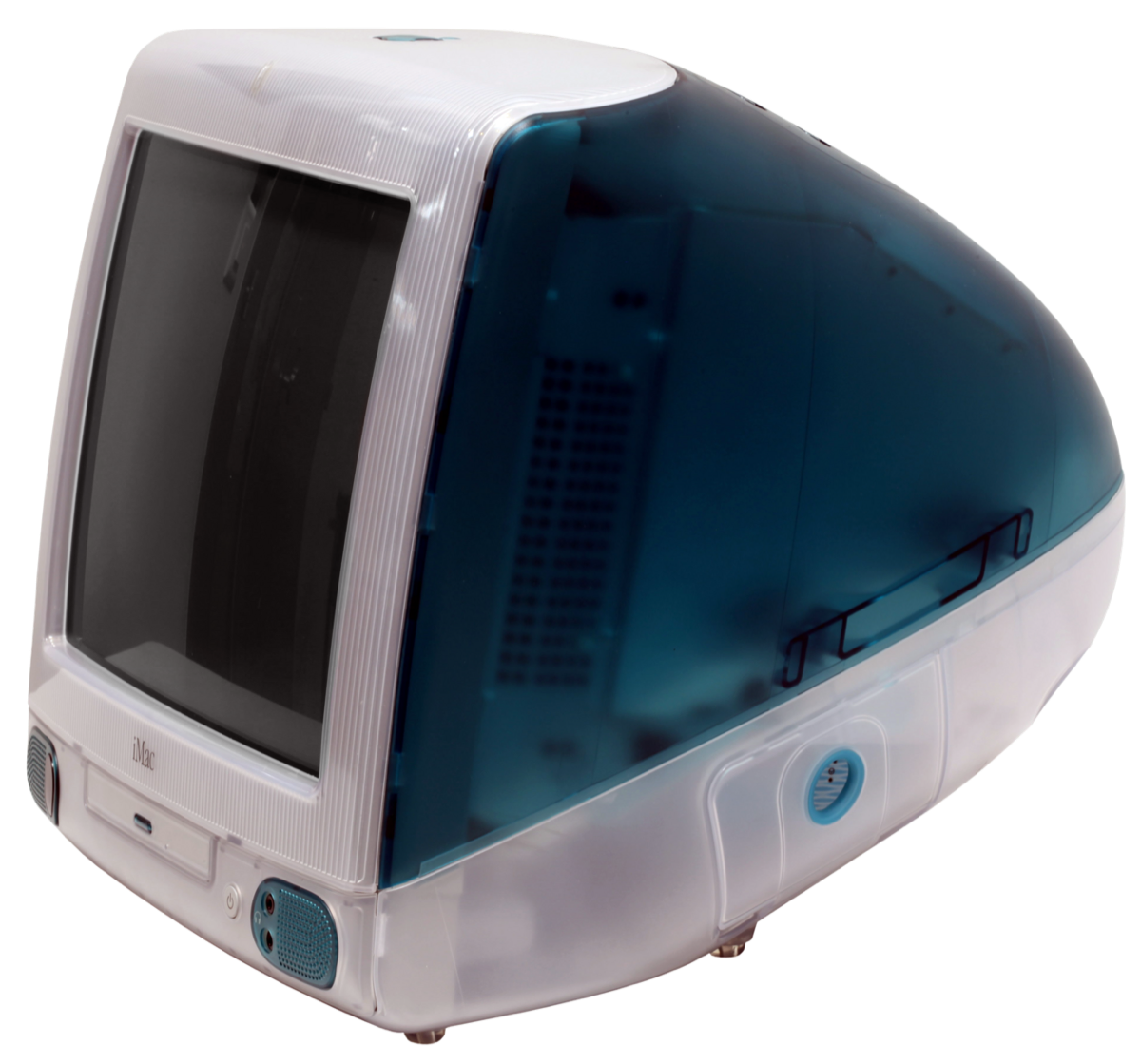
Computer Lab
The weekly pilgrimage down the hall to the room full of beige Apple computers, where you'd slot in a floppy disk, wait, and take turns dying of dysentery on the Oregon Trail. "Computer Day" was equal parts educational software and the first place a lot of kids ever touched a keyboard.
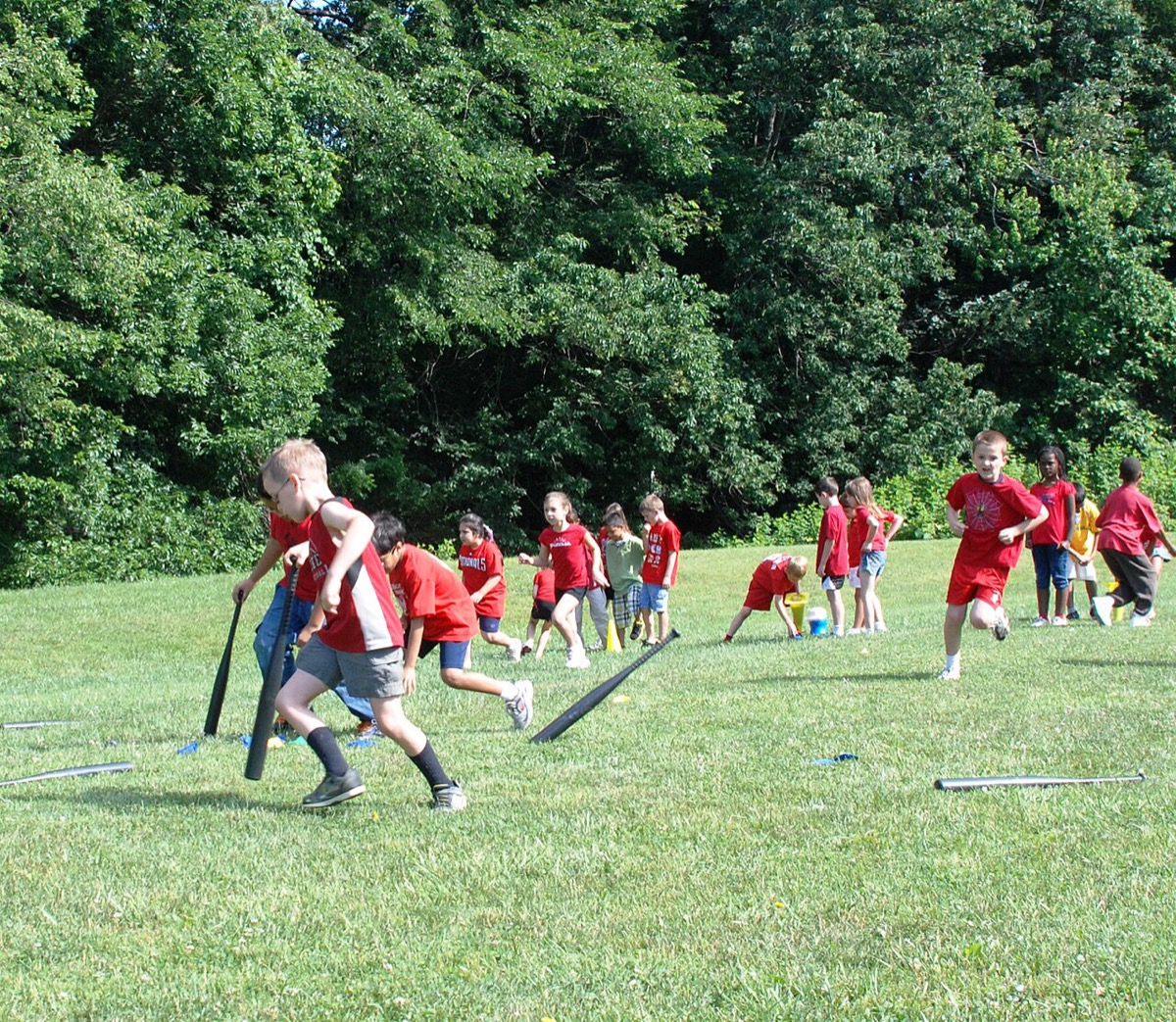
School Field Day
The end-of-year outdoor blowout when class got canceled for a day of sack races, tug-of-war, three-legged races, and water-balloon tosses out on the field. Everybody went home sunburned and clutching a ribbon — even if it just said "Participant."
Captain Planet and the Planeteers
When five kids from around the world got magic rings powered by earth, fire, wind, water, and heart, they could summon Captain Planet—a blue-skinned, green-mulleted eco-superhero bent on saving the planet from corporate villains and environmental destruction. Premiering in September 1990, the show became the unlikely flagship of early-90s kids' environmentalism, complete with a celebrity voice cast that included Whoopi Goldberg, LeVar Burton, and Jeff Goldblum hamming it up as cartoon bad guys. It was earnest, bright, and delightfully weird, with a catchphrase ("By your powers combined…") that felt genuinely powerful when you were nine.