Early YouTube
Photo credit: Public domain (PD-textlogo), via Wikimedia Commons
The video platform that made viral content a daily ritual. YouTube launched in 2005 as low-res, ad-free, and gloriously weird—a space where "Lazy Sunday," "Chocolate Rain," and "Charlie Bit My Finger" became the lingua franca of internet culture.
YouTube launched in February 2005, and the first upload—"Me at the zoo"—came in April that year. Google acquired the platform in October 2006 for $1.65 billion, betting that online video would matter. The early era was low-resolution, ad-free, and gloriously unfiltered—a space where anyone could upload anything, and weird or creative content could bubble up into the cultural conversation.
The viral canon of the era is instantly quotable: SNL's "Lazy Sunday," "Charlie Bit My Finger" (2007), "Evolution of Dance," and "Chocolate Rain." Earlier internet virals like "Numa Numa" and the "Star Wars Kid" fed the same culture of forwarding links and reciting jokes that everyone had somehow seen. Watching viral clips, memorizing lyrics, and emailing links to friends became a daily ritual, and YouTube was both the stage and the audience for this new kind of culture.
Keep talking about it (Reddit)
Similar items

MySpace
MySpace launched in August 2003 and became the social network that swallowed the mid-2000s internet — where everyone's first friend was Tom. Top 8 rankings sparked drama, profile songs played on auto-load, and DIY HTML customization meant glitter graphics and autoplay music ruled. Bands broke careers there; it was the most-visited website in the US by 2006.

AOL
The dial-up gateway that wired up America. AOL's "You've Got Mail" voice, aggressive free-trial CD carpet-bombing, and shift to unlimited $19.95/month pricing triggered the legendary busy-signal crisis — millions of Americans' first taste of the internet.
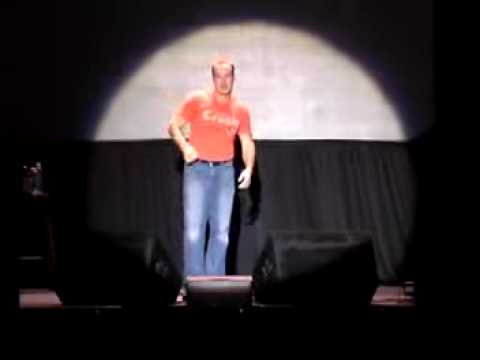
Evolution of Dance
One man, a black T-shirt, a spotlight, and a six-minute journey through decades of dance moves. Judson Laipply's "Evolution of Dance" was the video everyone forwarded to everyone else — proof that YouTube could make a star out of anybody with an idea and a camcorder.
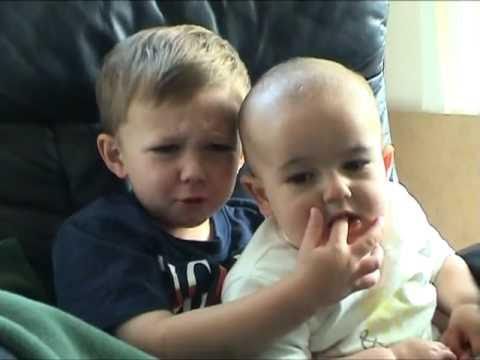
Charlie Bit My Finger
A dad filming his toddlers in England. The youngest bites the oldest's finger. "Ouch, Charlie! Charlie, that really hurt!" The giggle that followed became the most-viewed video on all of YouTube — and held the crown into 2011.