Giant Jawbreaker in a Bag
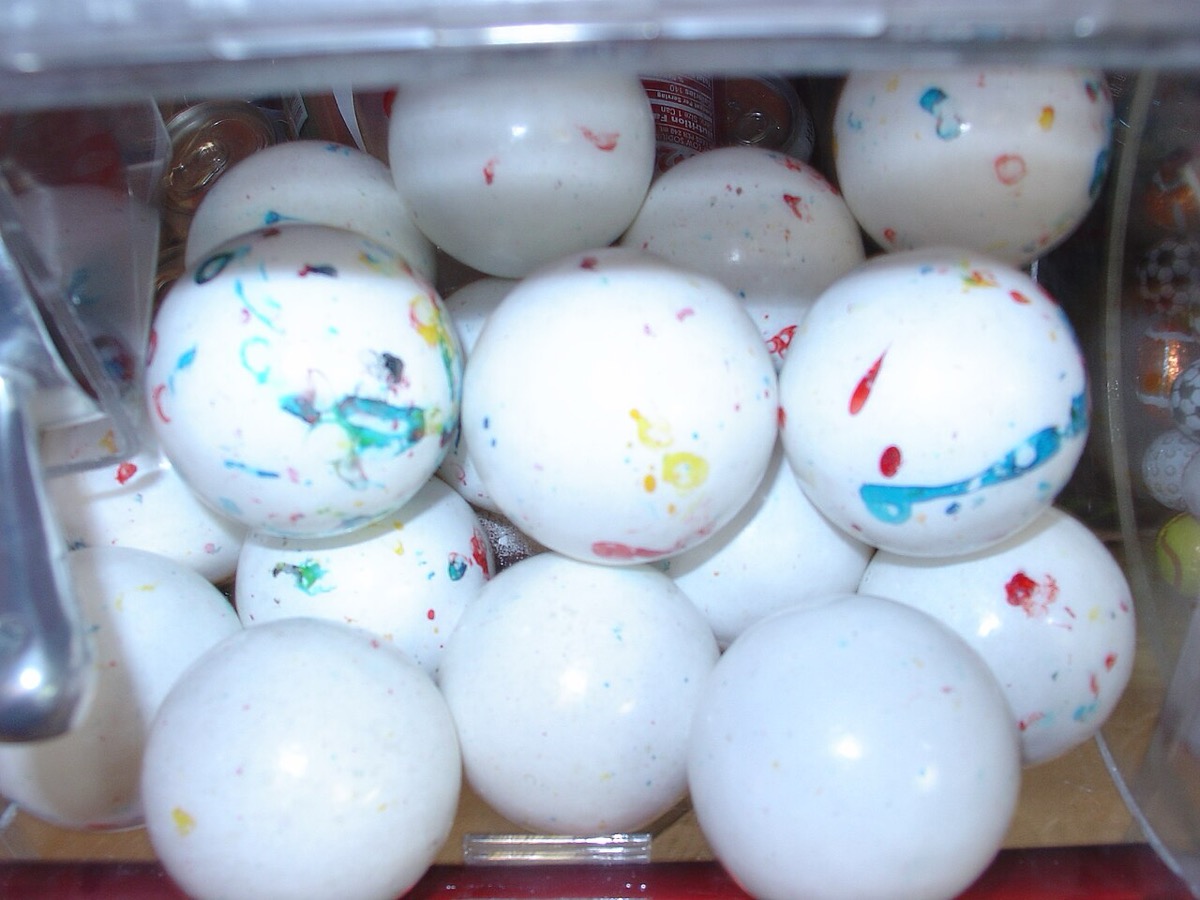
Baseball-sized or larger multicolor jawbreakers (2–3+ inches across) that were physically impossible to finish, so kids licked them for weeks and carried them in plastic sandwich bags between sessions. Comparing color layers and tracking progress became peak 1990s playground status symbol.
Giant jawbreakers were not a marketed product so much as a playground phenomenon. Enterprising candy vendors at fairs, beaches, and mall kiosks began selling oversized (2–3+ inch) hard-candy jawbreakers with multiple color layers. The appeal was the absurdity: no child could finish one in a single sitting, a single week, or even a month. Licking away the outer layers revealed new colors underneath, and the slow-motion dissolution became a long-term project.
By the 1990s, the trend had reached critical mass among elementary and middle-school kids. A kid with a giant jawbreaker in a plastic sandwich bag (kept in a backpack or locker for protection) had achieved a status symbol. The mechanics were simple: lick it between classes, seal it in the bag, compare your progress to friends' jawbreakers, and track how long before you reached the center. The candy's gradual color transformation became a social currency. It was one of the decade's more harmless obsessions, though dentists everywhere mourned the trend.
Keep talking about it (Reddit)
Similar items
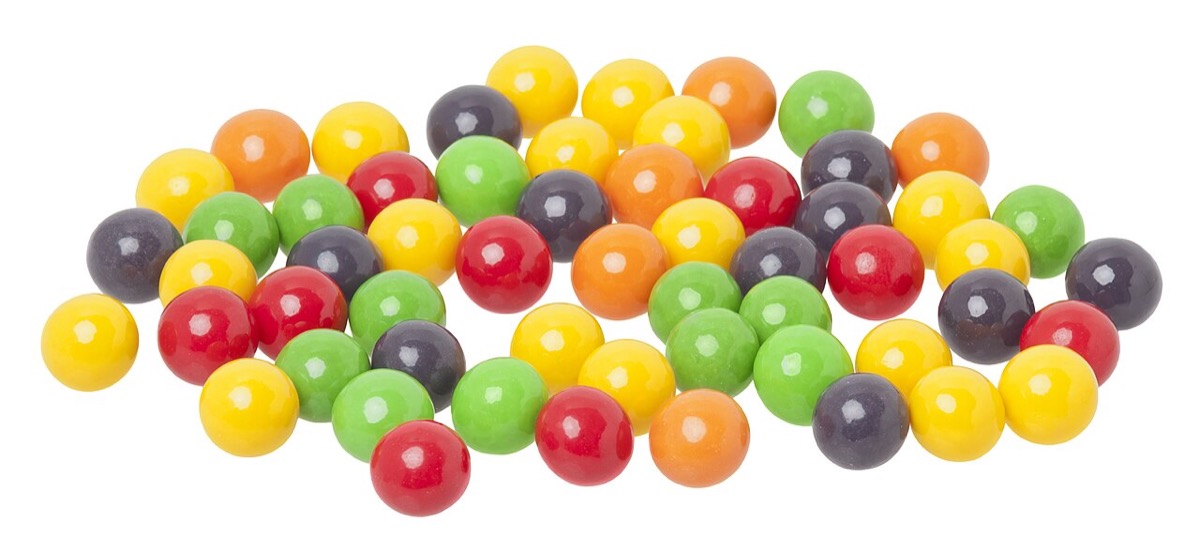
Everlasting Gobstoppers
The real-world candy named after Roald Dahl's fictional invention: small multicolored layered jawbreakers that change flavor and hue as they dissolve. Launched in 1976 under the Willy Wonka Candy brand, they became a staple of 1990s lunchboxes and movie-theater concessions.
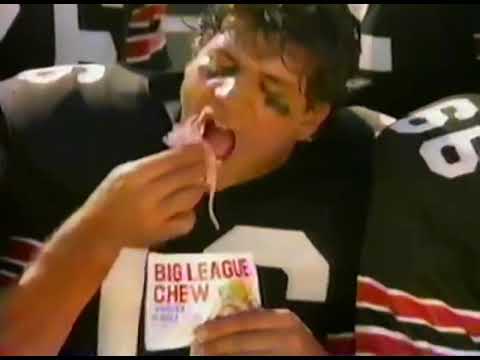
Big League Chew
Shredded bubble gum packaged in a foil tobacco-style pouch — dreamed up in the Portland Mavericks bullpen by pitcher Rob Nelson and launched in 1980 with backing from ex-Yankee Jim Bouton. A staple of 80s and 90s little-league dugouts where kids mimicked the professional players they idolized.
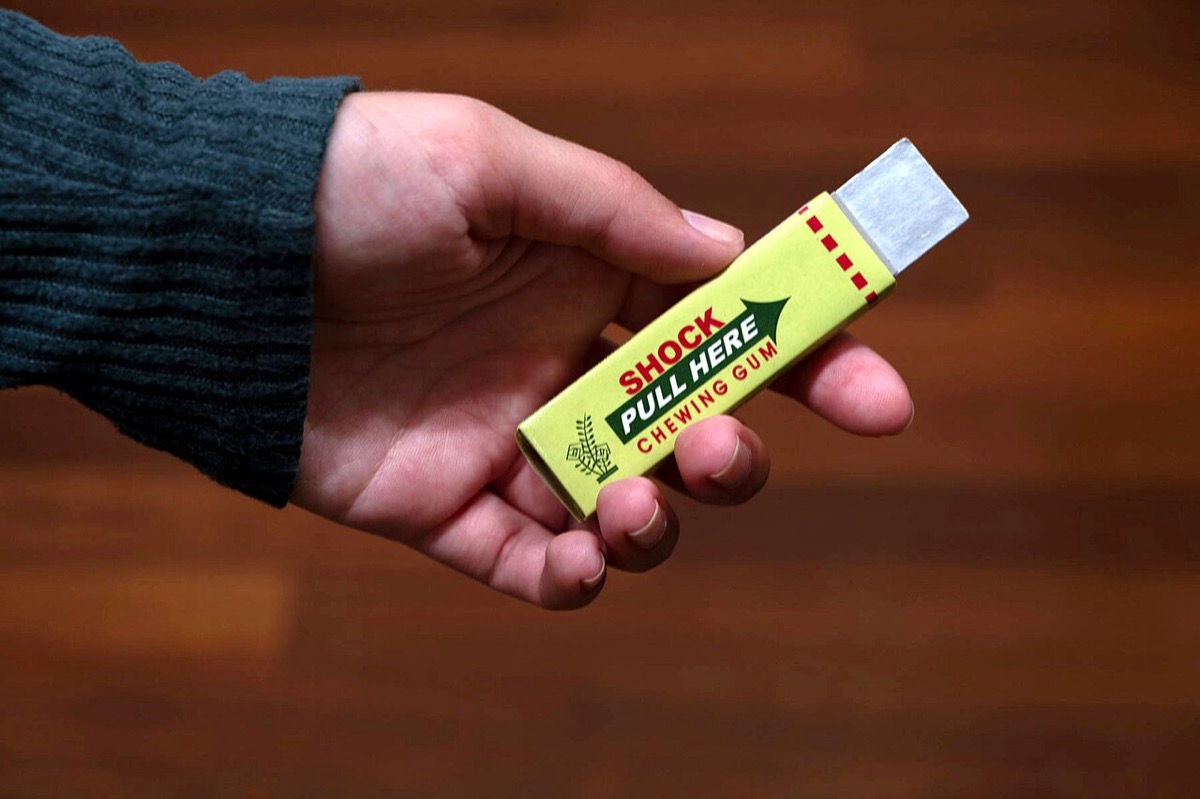
Snapping & Shock Gum
You offer a friend a stick of gum; they pull it, and a spring-loaded bar snaps down on their finger like a tiny mousetrap. The joke-shop classic came in two flavors of betrayal — the snap, and the battery-powered shock version that delivered a genuine little zap.

The Yo-Yo Craze
In the late 90s, playgrounds erupted into a worldwide yo-yo arms race fueled by technological breakthroughs—Yomega's "Brain" with its magical automatic return, ball-bearing transaxles that spun for ages, and trick hierarchies that drove kids to master walk-the-dog and around-the-world. Schools banned them, championships crowned them, and by decade's end it all collapsed just as suddenly.