Columbia House

The mail-order music gamble that tangled millions in negative-option billing: "Get 12 CDs for a penny," then buy more albums at full price or face automatic charges. Columbia House was the trap that snapped shut after the free shipment arrived—and every kid who signed up under a fake name was trying to outsmart the system.
Columbia House, a mail-order music club, built its empire on a deceptively simple pitch: order 12 CDs (or 8, or 11—the math varied) for a penny, a deal that flooded mailboxes and magazine ads throughout the 1990s and early 2000s. The catch was buried in fine print: negative-option billing. After your discounted batch arrived, you were obligated to purchase a set number of albums at full club prices, plus shipping, over the following years. Worse, the "Selection of the Month" would ship automatically unless you actively mailed back a postcard declining it—a mechanism designed to catch the unwary.
The system became a rite of passage for savvy kids and college students, who discovered an unwritten loophole: sign up under variant names or a parent's name, take the free discs, and never buy the rest. Complaint piles grew, but Columbia House's volume—tens of millions of customers—made the club a juggernaut anyway. The company competed directly with BMG Music Service, another mail-order titan, in a race to lock in subscribers.
But retail music and later digital downloads rendered the model obsolete. By the 2000s, the magic was gone. Columbia House—by then owned by various corporate entities—limped along as broadband and online music stores chipped away at its business. In 2015, the company filed for bankruptcy, a quiet exit from a glory era when a penny deal and a mailbox could trap millions.
Keep talking about it (Reddit)
Similar items

Mix CDs
The mixtape of the CD-R era: download MP3s from file-sharing sites, burn them to a blank disc in Nero or iTunes, label it with Sharpie, and pray it didn't skip. Mix CDs were the late-90s and 2000s ritual—track order agonized over, burnable only by those with a CD-R drive, given as love offerings and road-trip soundtracks.
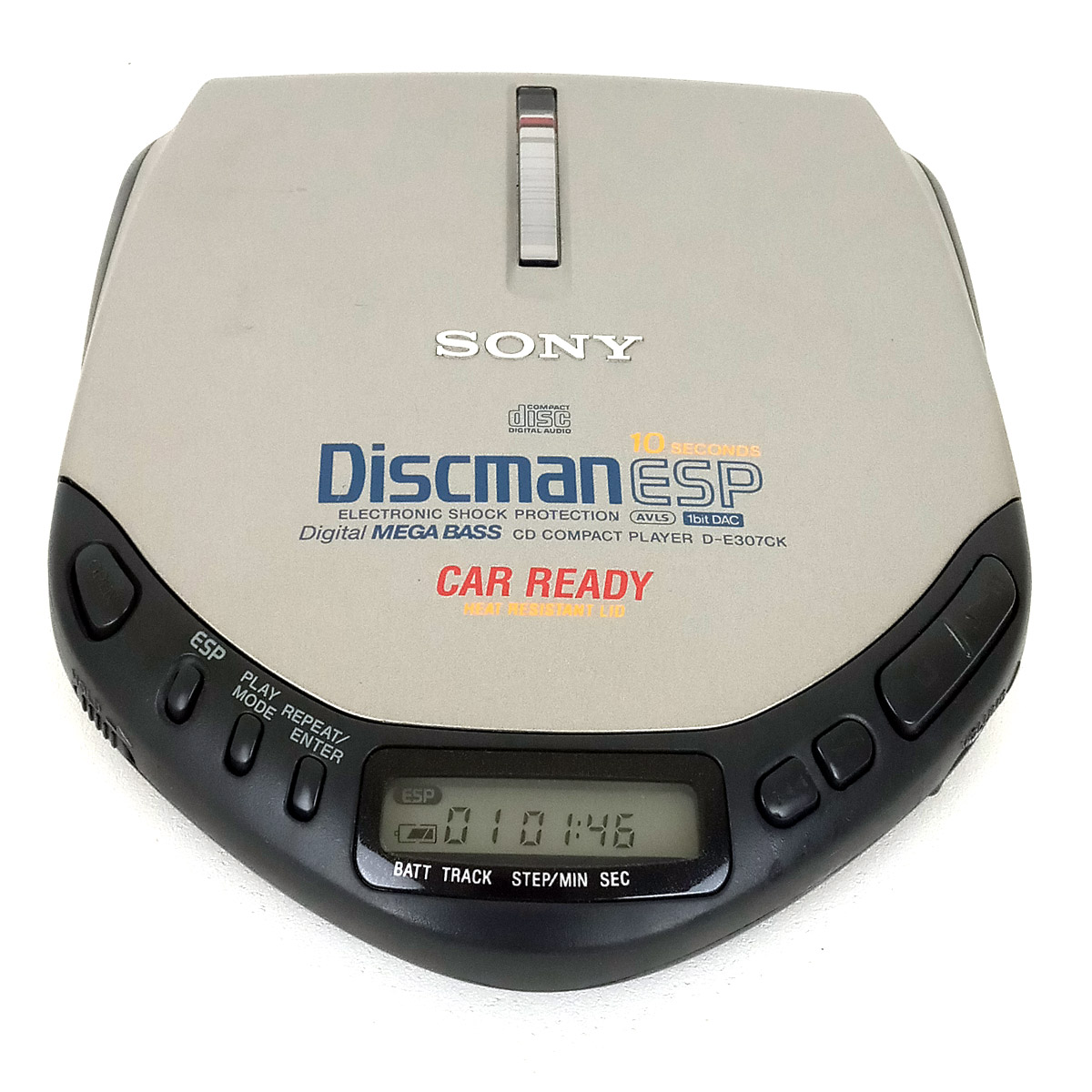
Discman & CD Binders
The ritual of portable CD life: a Sony Discman clipped to your waist or backpack, Electronic Skip Protection bragged on the box, and a zip-up CD binder holding exactly 24 discs — the ones that defined you. CD binders like Case Logic wallets replaced jewel cases, turning your music taste into curated, tangible proof of personality.

LimeWire & Napster
The lawless era of free music: you queued up a download that would take three hours on dial-up, crossed your fingers it wasn't mislabeled, and hoped even harder it wasn't a virus. Napster and LimeWire were the P2P revolution that detonated the music industry, made kids into accidental outlaws, and eventually gave way to iTunes.
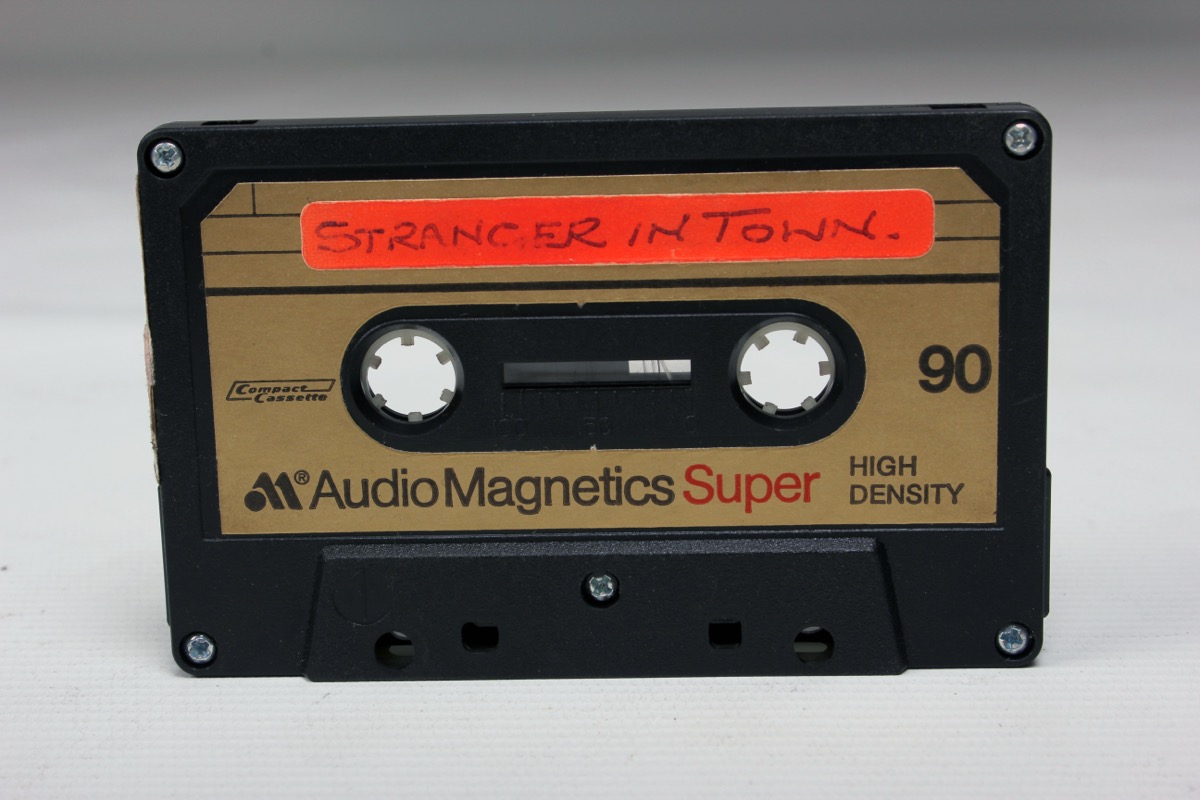
Mixtapes
The compact cassette made music personal; the Walkman made it portable; and the mixtape made it meaningful. A hand-labeled tape was a love letter, a friendship offering, an identity statement — hovering over the record button to catch a song off the radio, agonizing over track order, building the perfect sequence for someone who mattered.