Lanyards
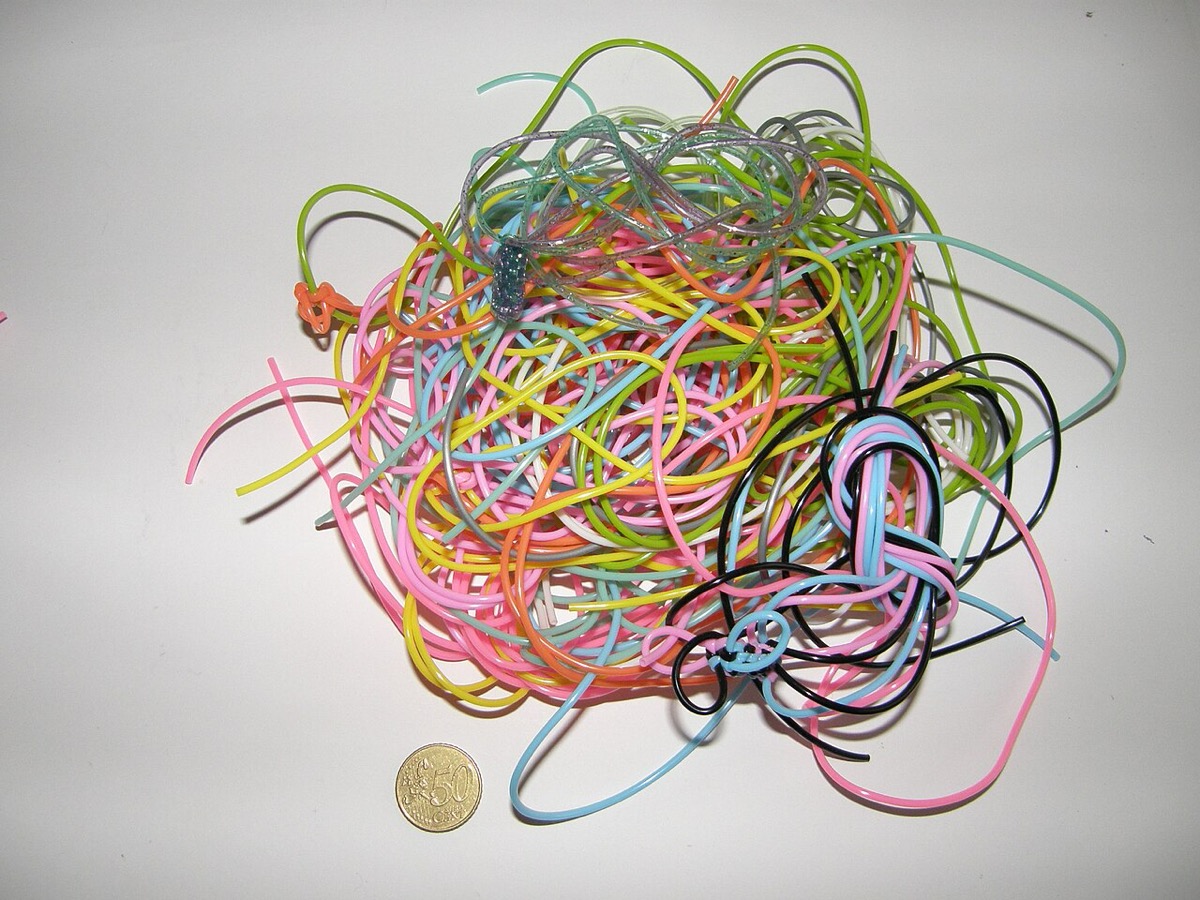
Photo credit: StromBer, CC BY-SA 2.0 DE, via Wikimedia Commons
The plastic-lace keychain craft that ran on camp tables and classroom desks — box stitch, cobra, Chinese staircase — in every neon color the gift-shop rack sold. Depending on where you grew up you called it gimp, boondoggle, or scoubidou, and you made yards of it you had no use for.
The plastic-lacing craft that '90s kids knew as gimp or boondoggle is older than it feels, and it comes from France. It's named after 'Scoubidou,' a 1958 song by the French singer Sacha Distel, and it took off as a craft fad in France in the late 1950s. Two kinds of lace circulated: flat colored strips (the 'lanyard' or 'gimp' thread) and the round, hollow, supple PVC tubes more associated with the scoubidou name — both sold cheap on spools in bright, sometimes glow-in-the-dark colors.
The craft is all about the stitches. The workhorse was the square stitch — the box stitch — worked with two strands crossed over each other again and again to build a squared-off cord. From there the vocabulary opened up: the cobra twist, the Chinese staircase (one strand spiraling around a core), the butterfly, the barrel knot, the double spiral. Kids swapped techniques the way they swapped anything else, and a mastered cobra stitch was a small flex. The finished lengths became keychains, zipper pulls, friendship bands, and trinkets — though honestly the making was the point, not the product.
It's a classic summer-camp and rec-room craft in North America, where the regional names — gimp in the Northeast, boondoggle elsewhere, craftlace on the spool — are half the nostalgia. The fad has resurfaced more than once, notably a big European revival around 2004 and 2005, but for a lot of American kids the memory is fixed in the '90s: a fistful of neon plastic lace, sore fingertips, and a lopsided box-stitch keychain you were weirdly proud of.
Keep talking about it (Reddit)
Similar items
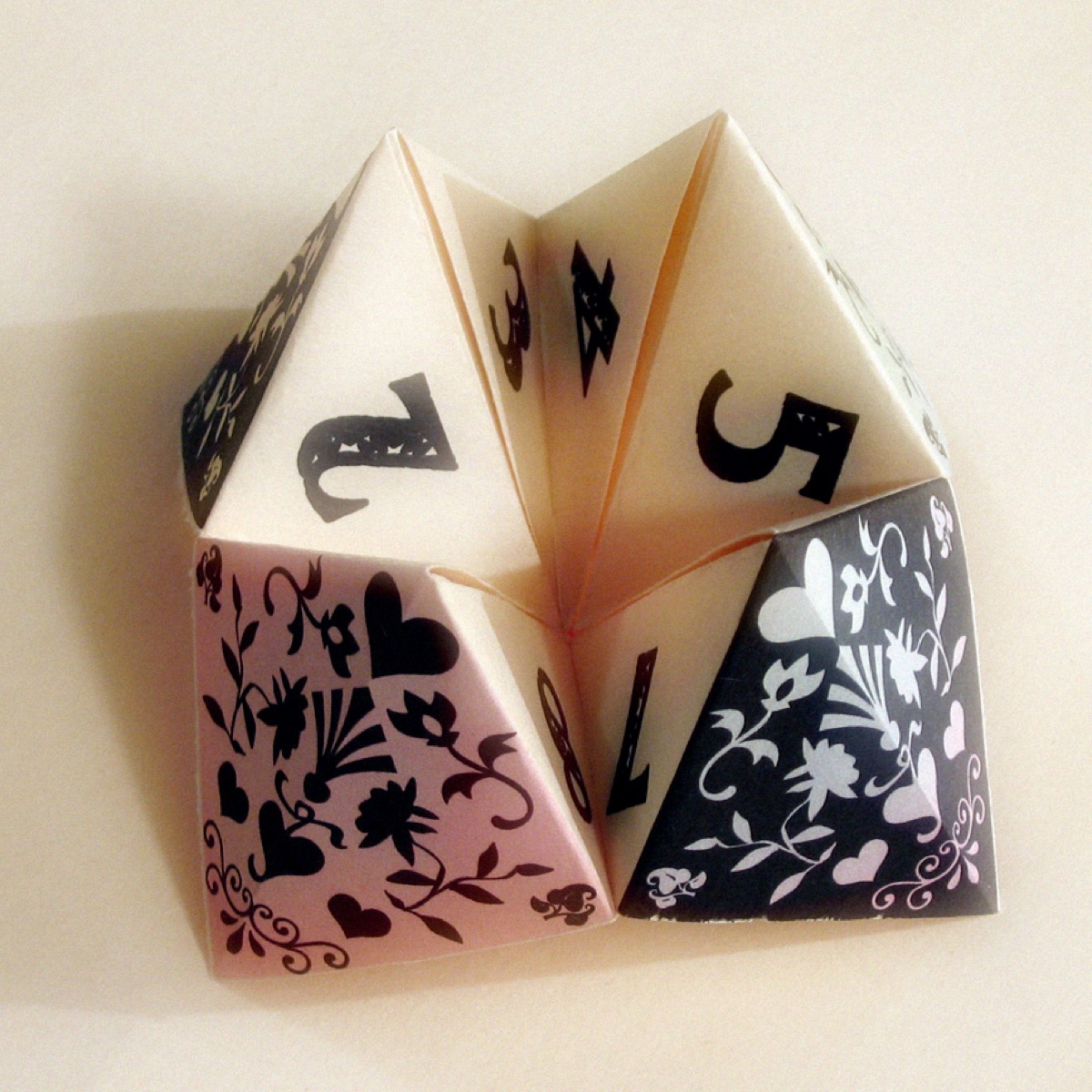
Paper Fortune Tellers
The folded-paper contraption you worked with your fingers to tell someone their future. Pick a color, pick a number, and under the last flap was your fate — who you'd marry, or something rude your friend had written. The classroom fortune-teller you could make out of a single square of notebook paper.
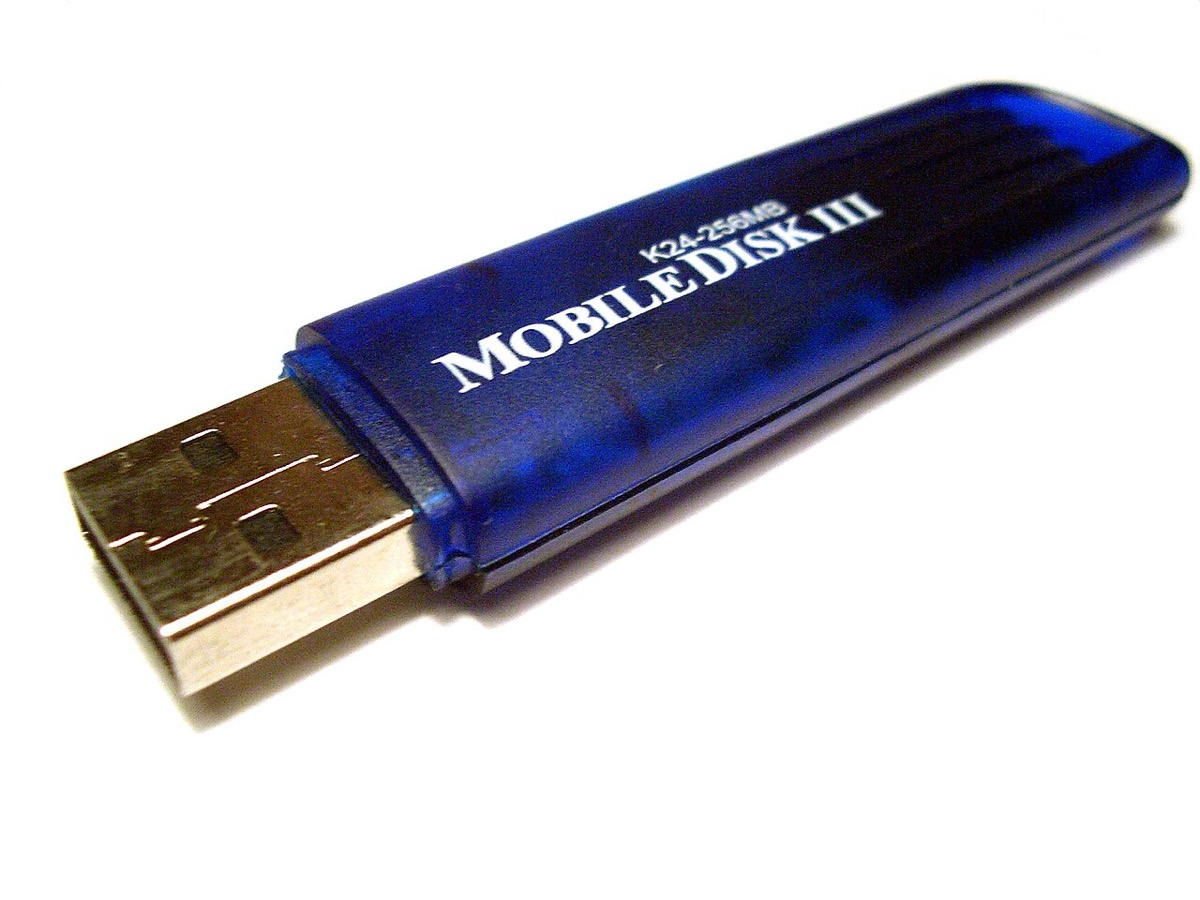
USB Flash Drives
A stick the size of your thumb that held everything. By the mid-2000s, USB flash drives had killed the floppy disk, and everything moved on a lanyard: your homework, your music, your games. Losing one was a 2000s tragedy — the only copy of your essay, gone with the keychain.
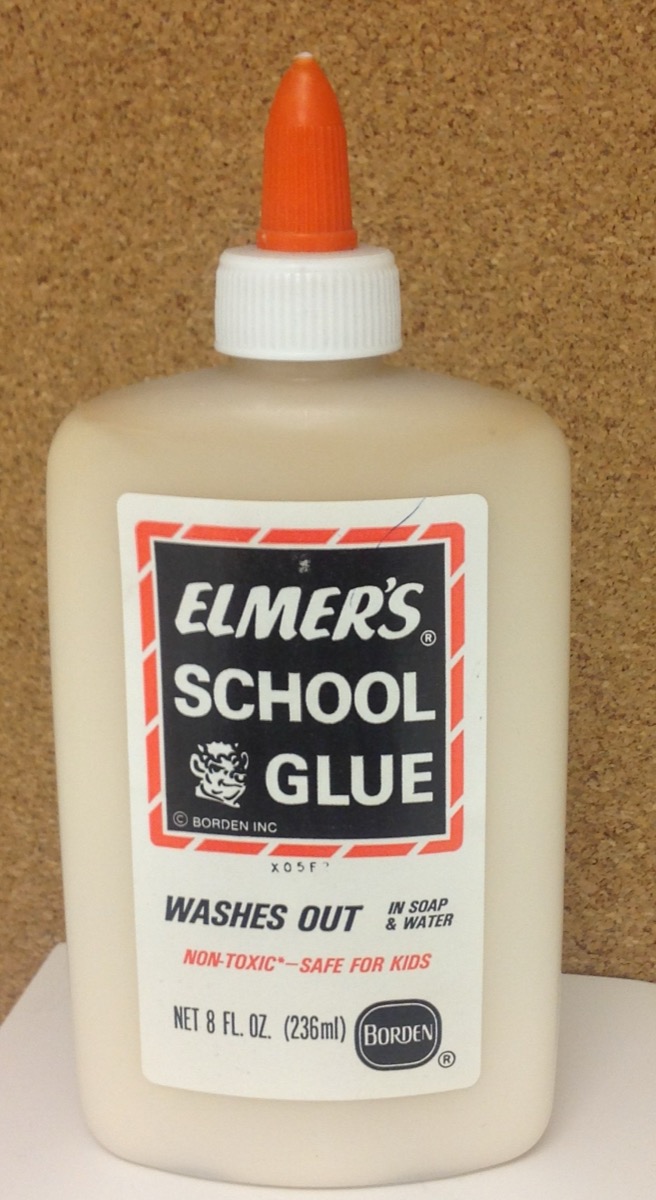
Elmer's Glue
The white bottle with the orange twist cap and the bull on the label — the glue of every 90s classroom, and the raw material of two sacred rituals: peeling dried glue off your palm, and the (never-quite-true) legend of the kid who ate paste.

Accelerated Reader Points
Finish the book, march to the library computer, pass the quiz, collect the points. Accelerated Reader turned a generation's independent reading into a full-blown economy — with leaderboards, prize walls, and kids doing cold calculations about whether a fat book was worth the point risk.