The dELiA*s Catalog

It came in the mail and your afternoon was over. The teen-girl catalog you read cover to cover, dog-eared, circled, and fought your friends over — baby tees, butterfly clips, platform sandals, and girls in the photos who were never, ever smiling politely. For a lot of teenagers it was the only place the trendy clothes actually existed.
dELiA*s started in 1993 out of a New York apartment, founded by Stephen Kahn and Christopher Edgar, former Yale roommates in their twenties. Kahn put in $100,000 of his own money and his father matched it. The idea was narrow and correct: there were girls roughly ten to twenty-four years old all over the country who wanted the clothes they saw on television and had no store within reach that sold them. The first catalog went out in 1994, distributed on college campuses. First-year sales came to $139,000. The lowercase-and-asterisk logo, one of the most recognizable pieces of type of the decade, was an accident of bad typing — creative director Charlene Benson explained that "because I was such a bad typist a lot of times my typing would kind of look like that, so it was like, 'This feels right.'" Where the name itself came from is, genuinely, a mystery; the record simply doesn't say.
It worked at a scale that is hard to overstate now. Sales passed $5 million by the end of fiscal 1995 and $30 million by late 1996; the customer database grew from 290,000 names at the end of 1995 to more than a million a year later. The company went public in late 1996, raising about $20 million, and by 1998 dELiA*s was mailing 55 million catalogs a year and fielding between 3,000 and 5,000 catalog requests every single day. Sales that year hit $158.3 million. But the numbers were never the point for the people who remember it. Women who came of age in the '90s describe the same ritual: getting home from school and finding the catalog waiting. The photography was the hook — as one retrospective put it, rarely will you find a girl in a dELiA*s catalog smiling; she's more likely making a funny face or looking like she's having the time of her life. It read like a yearbook for a school you wanted to attend.
The move off paper is what unwound it. A website arrived in 1998, and the first full-price retail store opened in a White Plains, New York mall in February 1999, with about ten more planned before the year was out; the chain grew to dozens of mall stores over the next few years. Alloy Inc. bought the company for $50 million in 2003. The brand limped through the following decade and announced in early December 2014 that it would liquidate, filing for Chapter 11 bankruptcy protection on December 7; its roughly ninety stores were all shuttered by early 2015. The name survived as a ghost — bought for $2.5 million, relaunched online-only in August 2015, and licensed to Dolls Kill as a sub-brand in November 2018. The catalog, the actual artifact, was already long gone.
Keep talking about it (Reddit)
Similar items
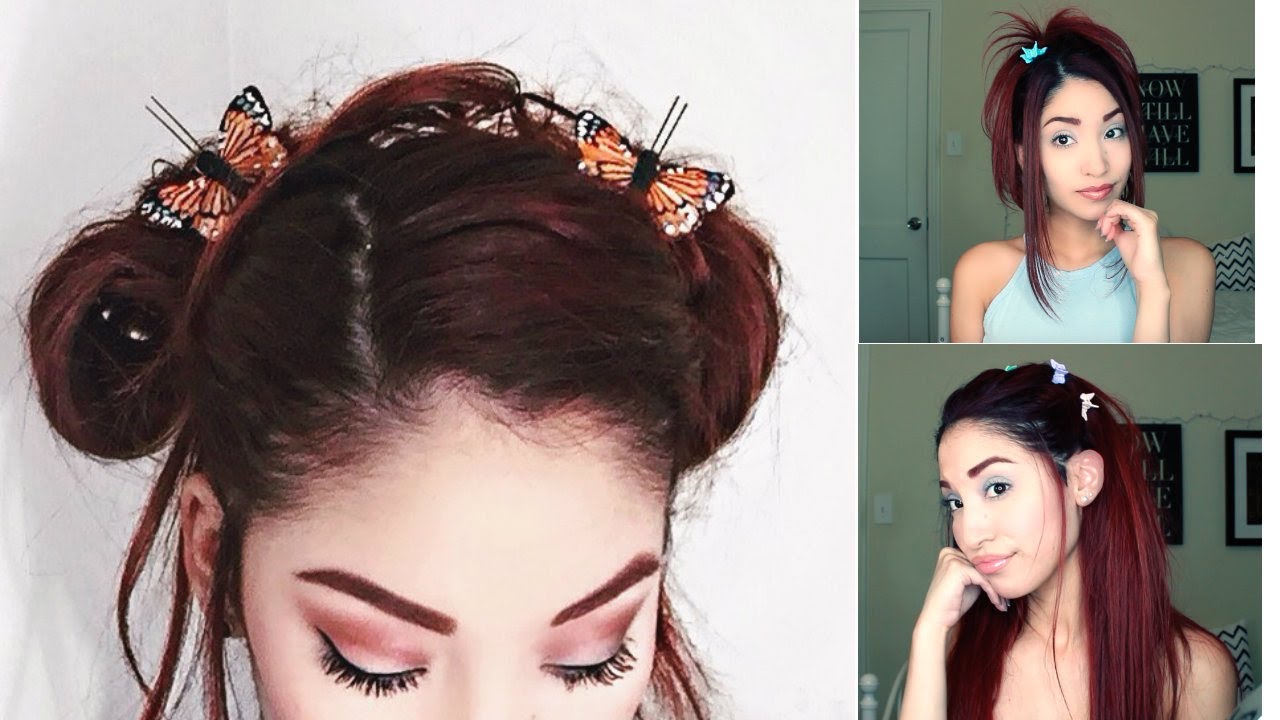
Butterfly Hair Clips
Tiny plastic butterflies clipped in careful rows across the top of your head — pastel, glittery, sometimes with a rhinestone body. For late-'90s picture day, a fistful of butterfly clips was the whole hairstyle.

Body Glitter
Roll-on, gel, or powder with a puff — applied to the collarbones, the eyelids, and eventually the entire upper body before a school dance. It came in every color imaginable, and its single defining property was that it never came off. Not that night, not that week, not from your bedsheets.

Hot Topic
The black-walled store at the end of the mall where the music was too loud and the T-shirts had bands your parents had never heard of. Studded belts, band merch, hair dye, and a smell of incense you could identify from thirty feet away. For a certain kind of teenager, walking in felt like finding your people.
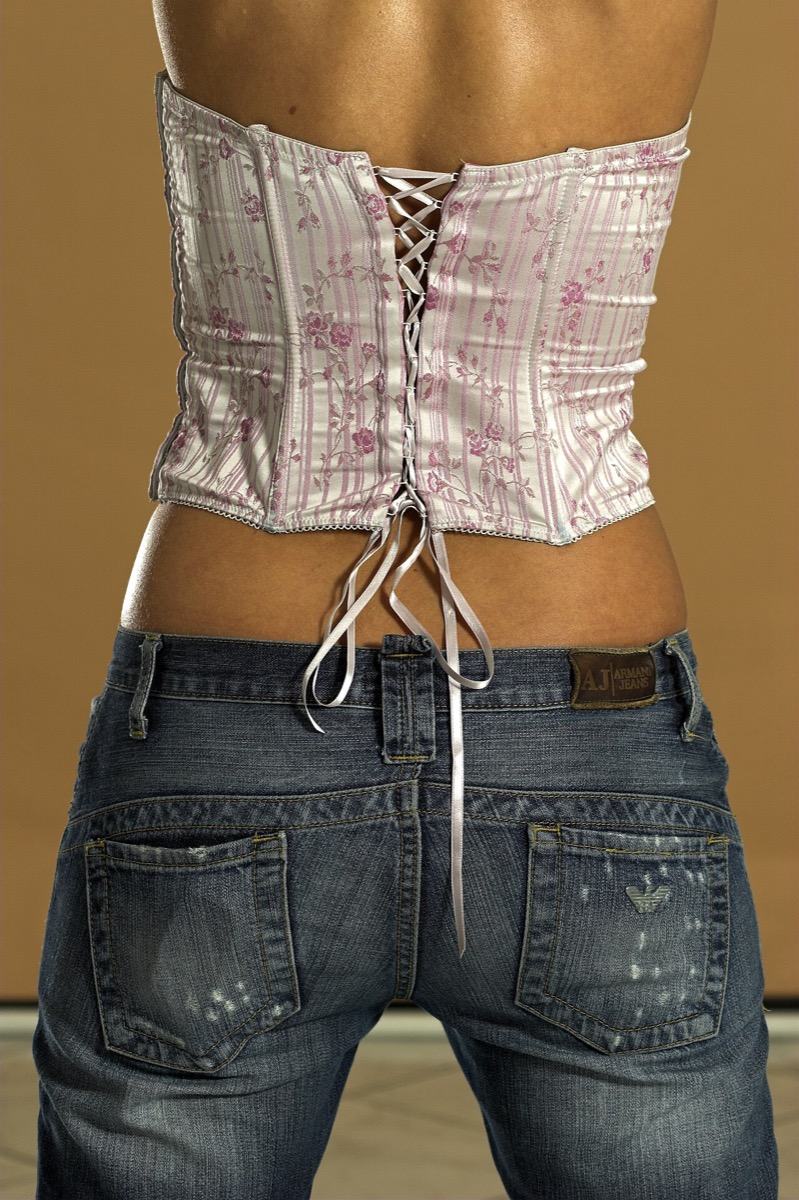
Low-Rise Jeans
The denim silhouette that exposed everything — waistbands that barely qualified as clothing. Low-rise jeans paired with visible thongs and belly-button rings was THE Y2K uniform, and photos from this era still make you cringe.