1-800-COLLECT

Dial 1-800-COLLECT and let the operator know you're calling collect — MCI's dial-around service promised cheaper collect calls than your payphone's default carrier. One of the most aggressively advertised services of the 1990s, it burrowed into Gen X's brain via TV spots with celebrity spokespeople.
MCI launched 1-800-COLLECT on May 19, 1993, targeting a simple problem: payphone operators defaulted collect calls through the phone's carrier at premium rates. By dialing a toll-free number first, you could route your collect call through MCI at a lower cost — a clever dial-around exploit that upended the telecom hierarchy. From concept to national launch took less than three months, and MCI backed it with an enormous TV ad blitz aimed squarely at Gen X, the demographic most likely to be broke and far from home.
The service became inseparable from its celebrity ambassadors: Phil Hartman, Wayne Knight, Mr. T, and Arsenio Hall all pitched the number in high rotation. (Rival AT&T countered in the mid-90s with 1-800-CALL-ATT, which got its own famous face when Carrot Top signed on in 2001.) The jingle and the faces became core artifacts of 90s advertising — you heard that number so many times it burned into reflex. But like the payphone itself, 1-800-COLLECT's business model evaporated as cell phones proliferated and flat-rate calling plans made collect calls unnecessary. By the mid-2000s, the service was already fading, and the iconic ad campaign belonged to history.
Keep talking about it (Reddit)
Similar items
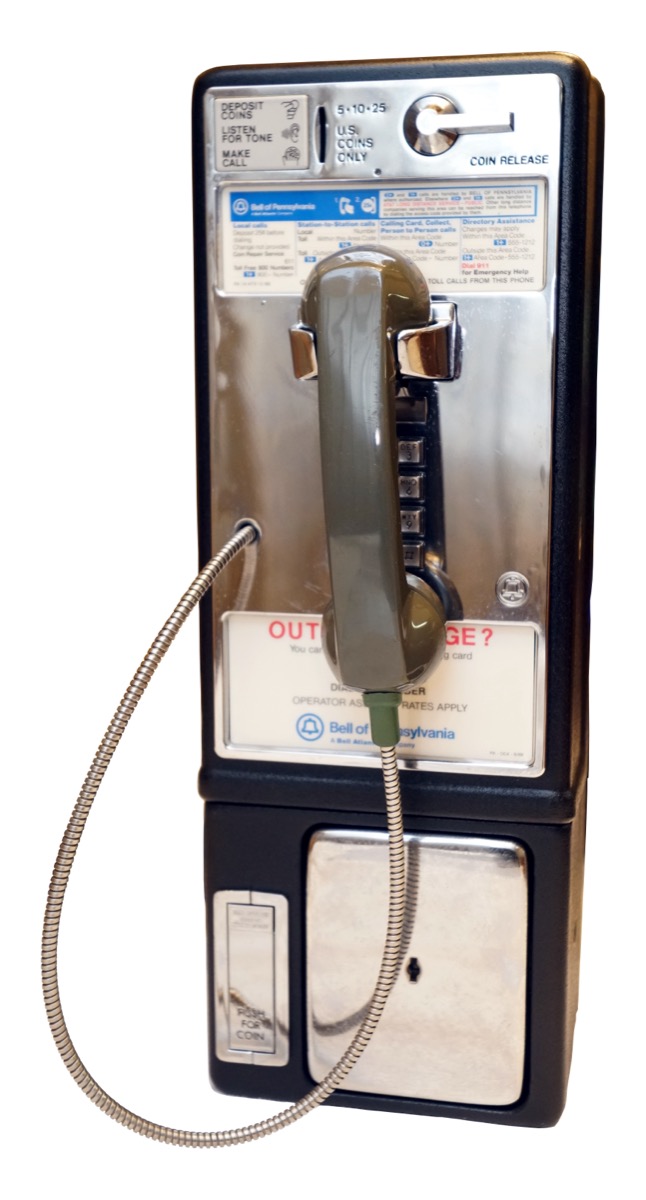
Pay Phones
Coin-operated public telephones on street corners, in malls, and outside every gas station — the fallback when you needed to call home or were out of pocket change. At their 1990s peak, the US had over 2 million payphones; by the 2010s, they'd nearly vanished.
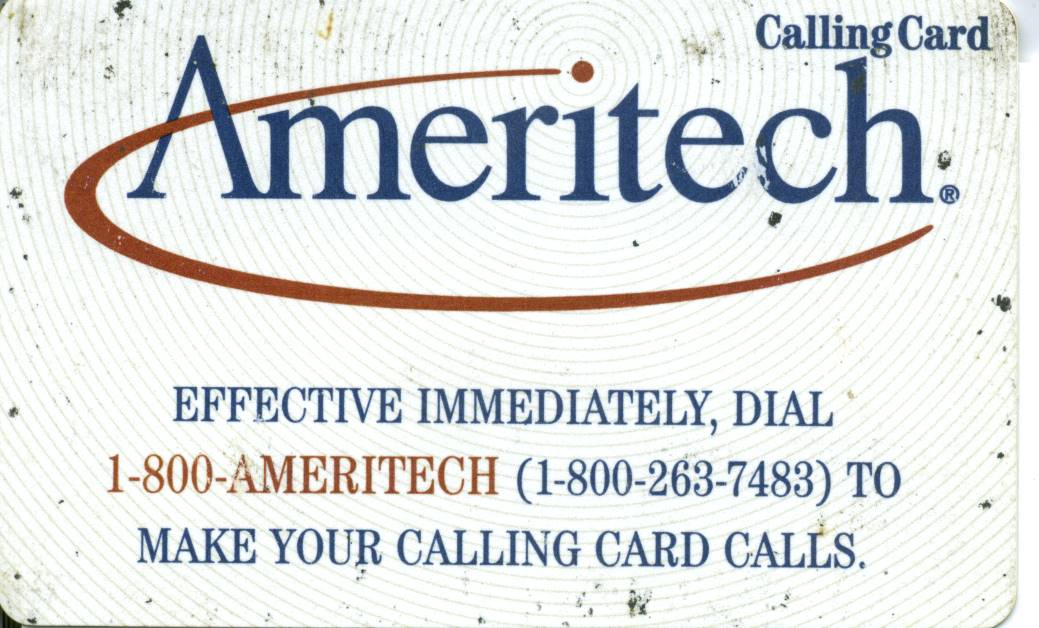
Prepaid Phone Cards
Scratch off the panel, punch in the PIN, dial the access number, and talk until your minutes ran out — prepaid phone cards were the pre-cell-plan answer to long-distance calls and international dialing. Stacked in convenience stores and gas stations, they were lifelines for travelers and immigrants.
Star Codes (*67 & *69)
Dial *67 before someone's number to block your caller ID and appear as 'Private' — the anonymous call superpower every 90s kid knew. Dial *69 to find out who just called you and call them back. Two simple codes that transformed what you could do from a landline.
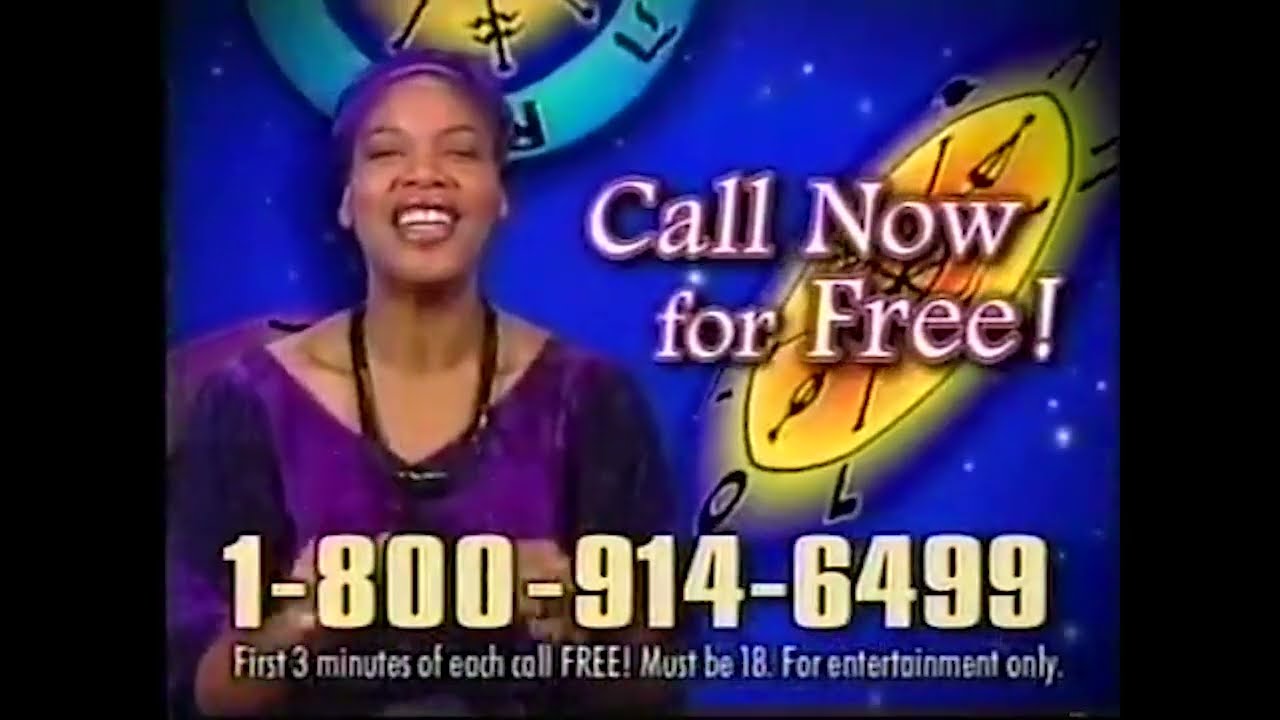
Miss Cleo
The Jamaican-accented tarot reader who ruled late-night cable — 'Call me now!' — as the face of the Psychic Readers Network. For a few years around the turn of the millennium, Miss Cleo's pay-per-minute readings were an inescapable TV-ad fixture, until the whole operation collapsed under federal scrutiny.