Dolly the Sheep
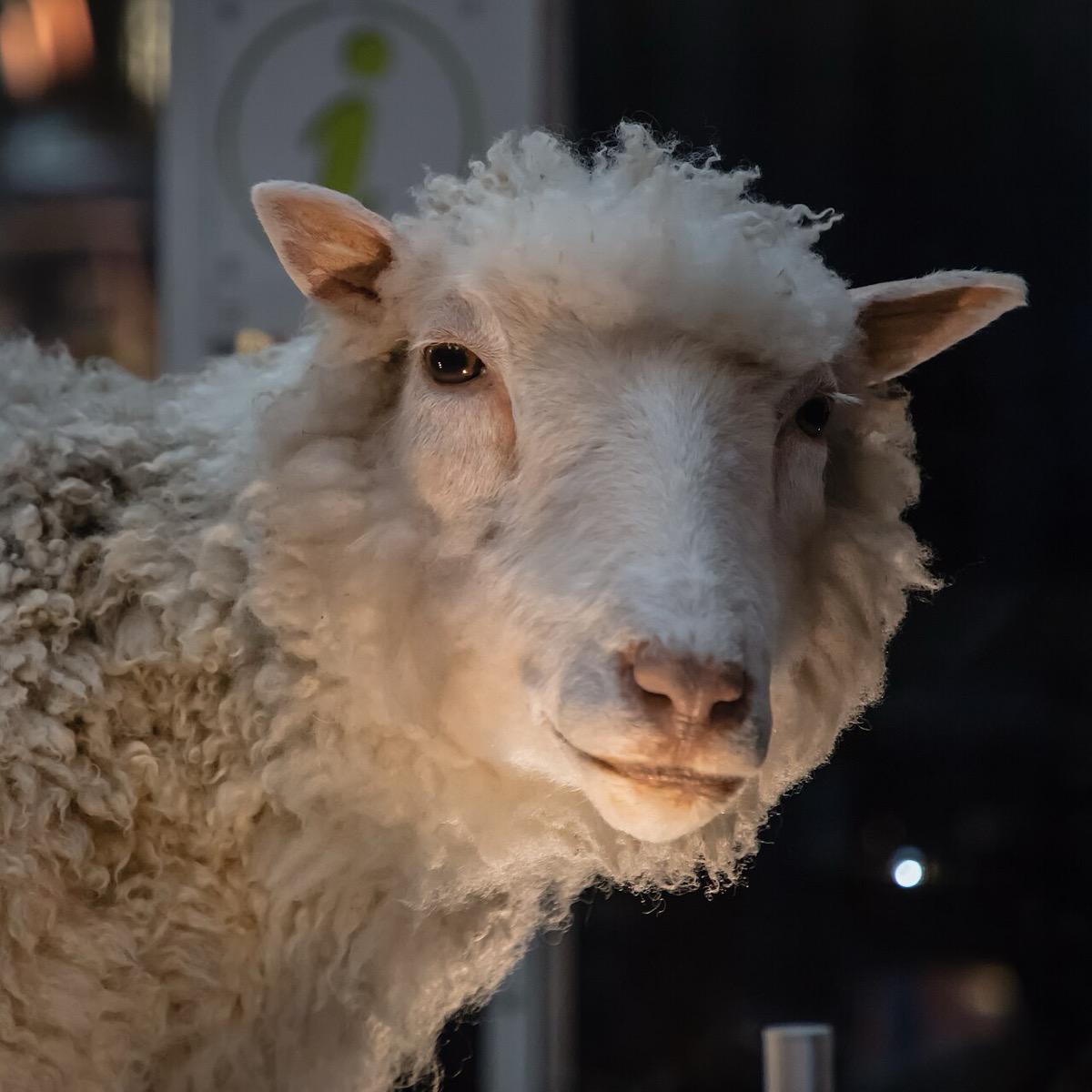
Photo credit: Photo: london road, CC BY 2.0, via Wikimedia Commons
The most famous sheep in history — the first mammal cloned from an adult cell, and the moment cloning jumped from science fiction to the dinner-table conversation. When Dolly was unveiled in 1997, she landed on magazine covers, triggered ethics panics, and made 'clone' a word every kid suddenly knew.
Dolly was born on July 5, 1996, at the Roslin Institute in Scotland, the work of scientists Ian Wilmut, Keith Campbell, and colleagues (with the biotech firm PPL Therapeutics). Using a technique called somatic cell nuclear transfer, they took the nucleus from an adult sheep's cell, placed it in an unfertilized egg, and coaxed it to grow — making Dolly the first mammal cloned from an adult somatic cell. It was that precise achievement, not merely 'the first clone,' that made her historic: she proved a fully grown, specialized cell could be reset to build a whole new animal.
Her existence was announced on February 22, 1997, and the reaction was enormous. She appeared in Time magazine and was named Science journal's Breakthrough of the Year, and the news set off a worldwide debate about the ethics of cloning — human cloning fears, government moratoriums, and late-night monologue jokes all at once. She was named after Dolly Parton: because she'd been cloned from a mammary-gland cell, Wilmut said, they couldn't think of a more fitting namesake.
Dolly lived about six years and was euthanized on February 14, 2003, after developing a progressive lung disease; scientists found no evidence her cloning was to blame. Her taxidermied body went on display at the National Museum of Scotland in Edinburgh, where she remains one of its best-known exhibits — the ordinary-looking sheep who briefly made the whole world argue about the future.
Similar items
![Video thumbnail — GATTACA [1997] – Official Trailer (HD) | Now on 4K Ultra HD, Blu-ray and Digital](https://i.ytimg.com/vi/NIIZ2P-fiyI/maxresdefault.jpg)
Gattaca
A 1997 cerebral sci-fi thriller written and directed by Andrew Niccol, starring Ethan Hawke as a genetically inferior man who assumes another person's DNA identity to pursue his dream of space travel. Set in a near-future where genetic engineering has created a rigid caste system of "valids" and "in-valids," the film is a stylish, retro-futurist meditation on human potential, discrimination, and ambition. Modest at the box office but a lasting cult favorite that anticipated the ethics debates around genetic engineering.
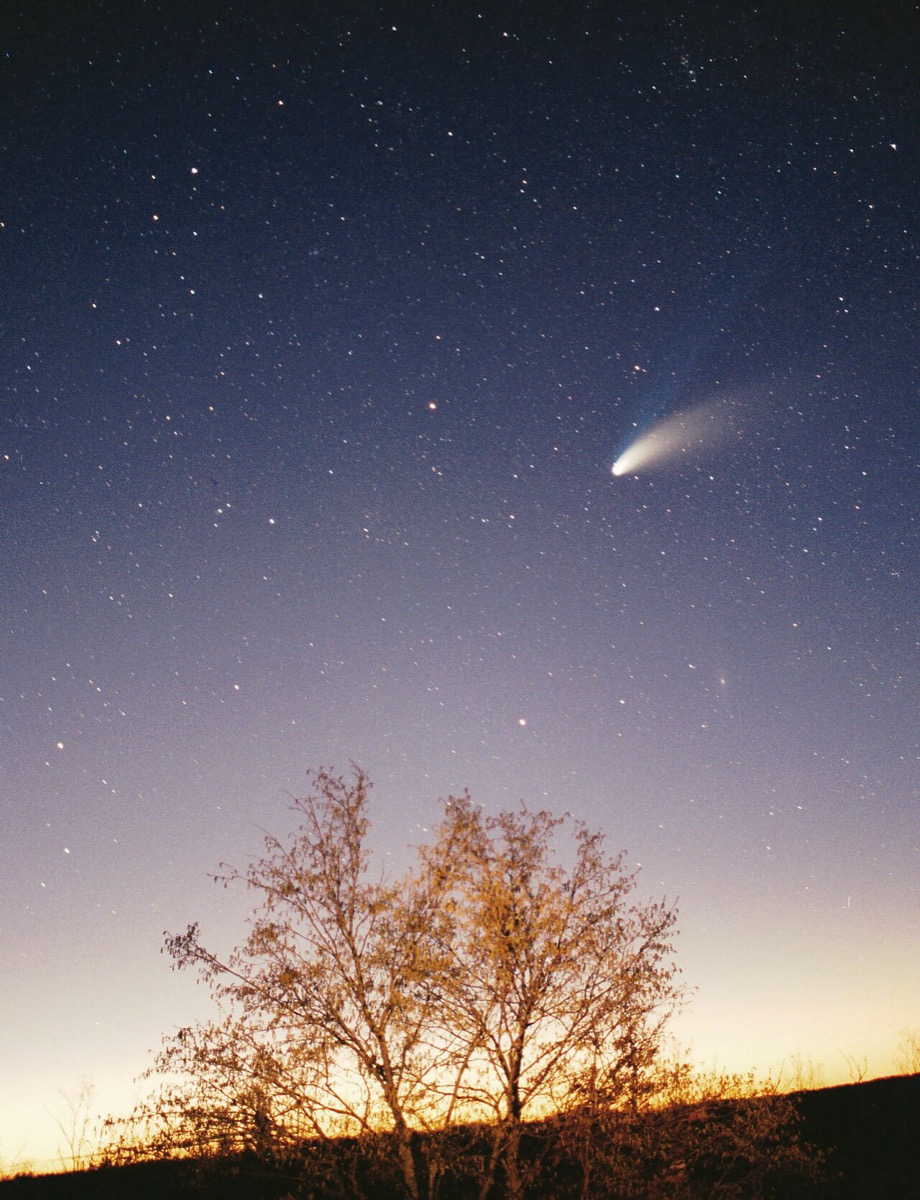
Comet Hale-Bopp
The Great Comet of 1997 — the bright, hanging smudge of light that had entire families standing in the driveway looking up. Visible to the naked eye for a record stretch, Hale-Bopp was the comet everyone actually saw, a shared sky-watching moment that also collided with one of the decade's strangest tragedies.

Diet Coke & Mentos
Drop Mentos into Diet Coke and the bottle erupts into a foaming geyser. The science is simple — the candy triggers the release of the soda's dissolved gas — but the magic belonged to 2006, when two performers from Maine turned a backyard trick into one of the internet's first great viral videos. Every kid who saw it begged for a 2-liter and a roll of Mentos.
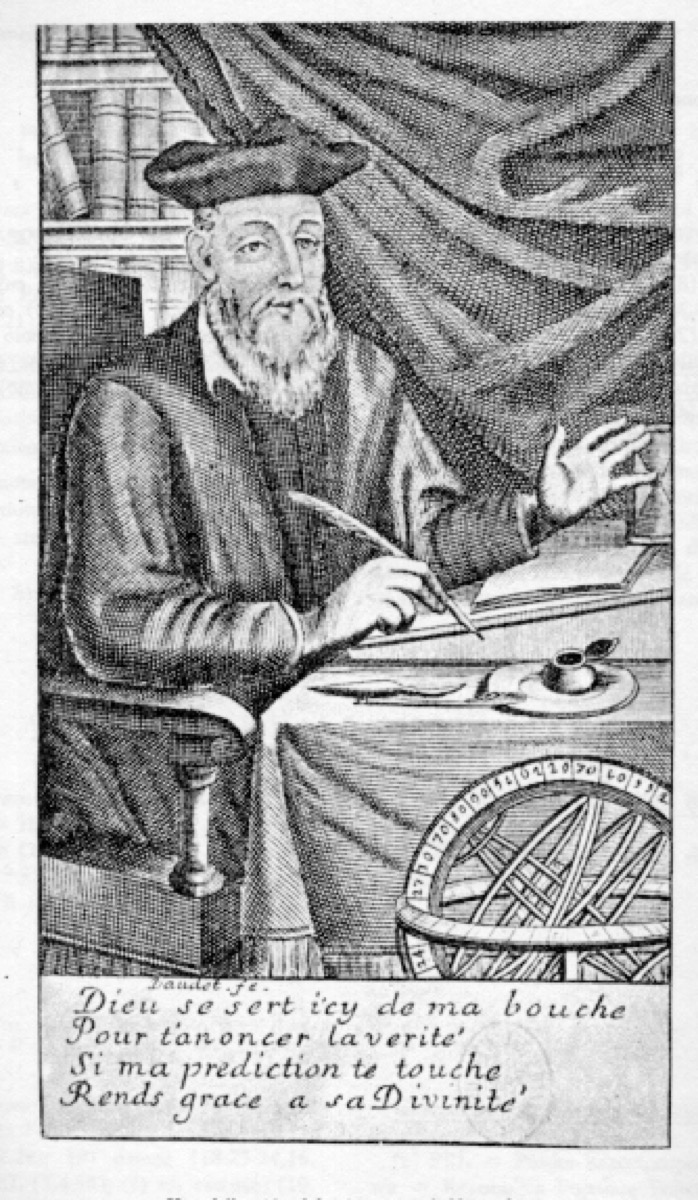
Nostradamus
A 16th-century French seer who came roaring back as the year 2000 approached, thanks to one ominous quatrain about '1999, seventh month' and a King of Terror falling from the sky. Paperbacks, TV specials, and a spooky old Orson Welles documentary made Nostradamus the patron saint of millennium dread — and scared a lot of kids in the process.