Discman & CD Binders
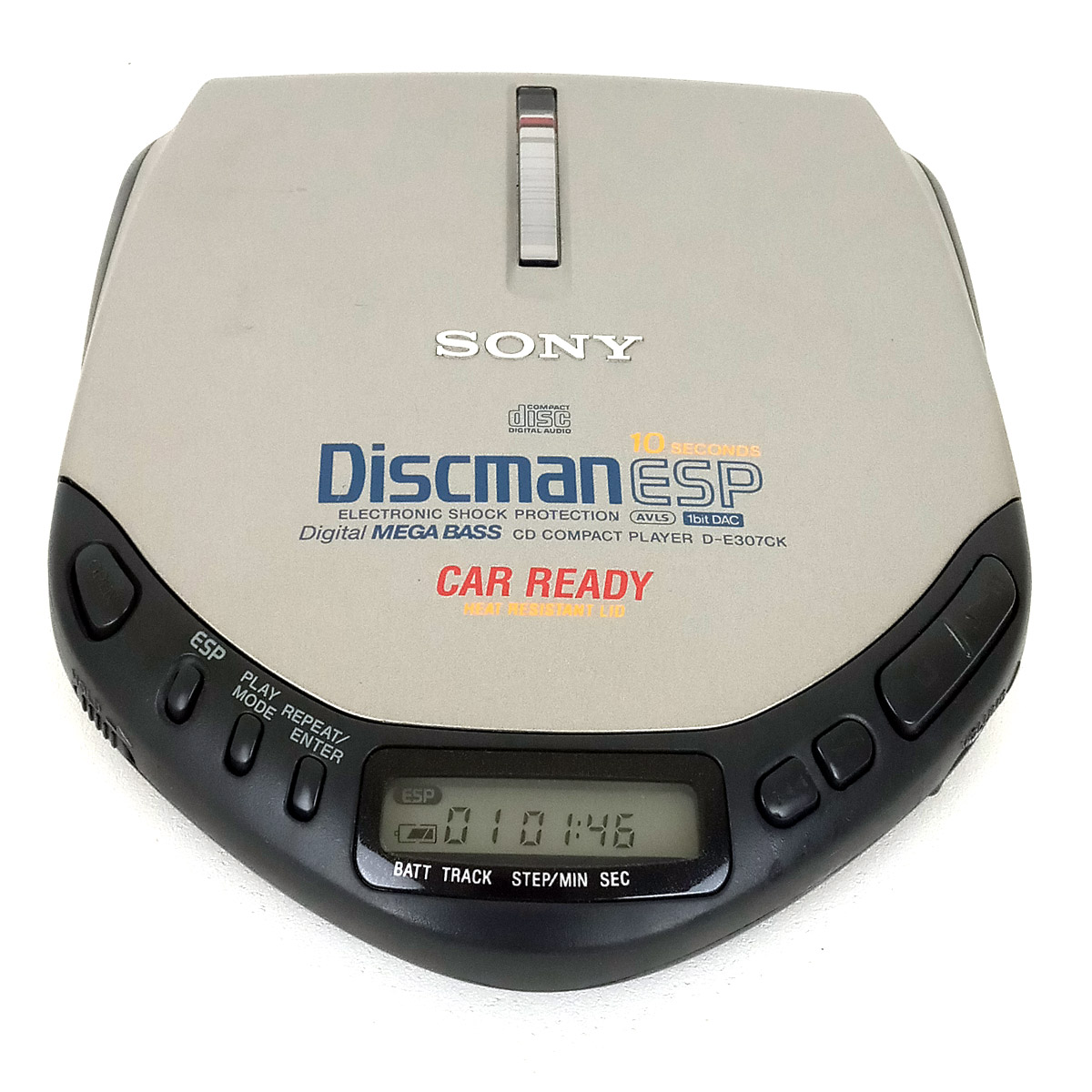
Photo credit: Photo: Mikus, CC BY-SA 4.0, via Wikimedia Commons
The ritual of portable CD life: a Sony Discman clipped to your waist or backpack, Electronic Skip Protection bragged on the box, and a zip-up CD binder holding exactly 24 discs — the ones that defined you. CD binders like Case Logic wallets replaced jewel cases, turning your music taste into curated, tangible proof of personality.
Sony's Discman line brought portable CD listening to the masses in the late 1980s and early 1990s, building on the D-50, the 1984 player that pioneered the category. By the mid-90s, anti-skip technology became the marquee feature — 'Electronic Skip Protection' or 'ESP' promised to let you jog or move without your CD skipping mid-song, a technical arms race that defined CD player marketing for the decade. The promise was aspirational: it rarely worked perfectly, but the branding made it feel like progress.
The real culture shift was the rise of CD binders. Jewel cases were fragile and bulky; zip-up wallets and binders from brands like Case Logic let you carry 24 CDs in your backpack. Choosing which 24 albums fit your wallet became a personal curating ritual — your binder was a tangible expression of taste and identity. Schools, malls, friends' houses: kids and teens assembled custom CD rotations, trading binders like others traded baseball cards. The binder was status symbol and practical gear combined, and by the late 1990s they were as essential to teen culture as the Discman itself.
Keep talking about it (Reddit)
Similar items
Mixtapes
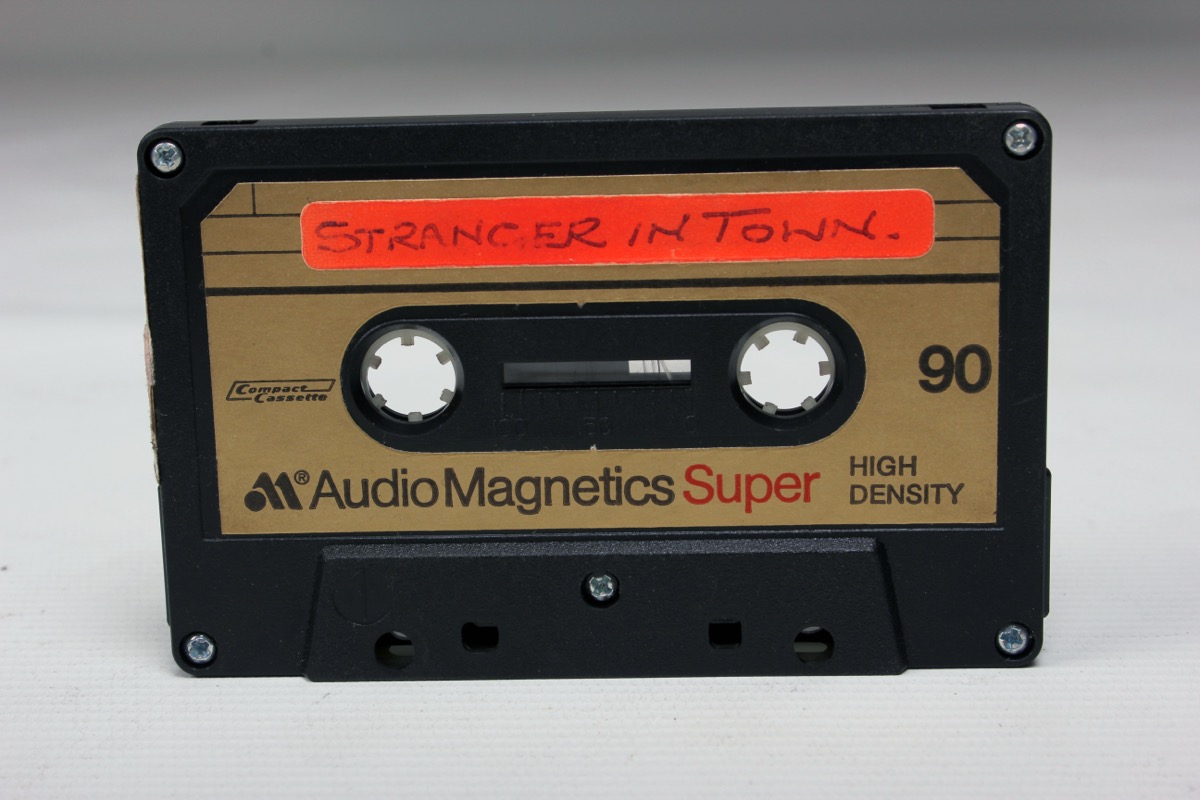
The compact cassette made music personal; the Walkman made it portable; and the mixtape made it meaningful. A hand-labeled tape was a love letter, a friendship offering, an identity statement — hovering over the record button to catch a song off the radio, agonizing over track order, building the perfect sequence for someone who mattered.
AOL Free-Trial CDs
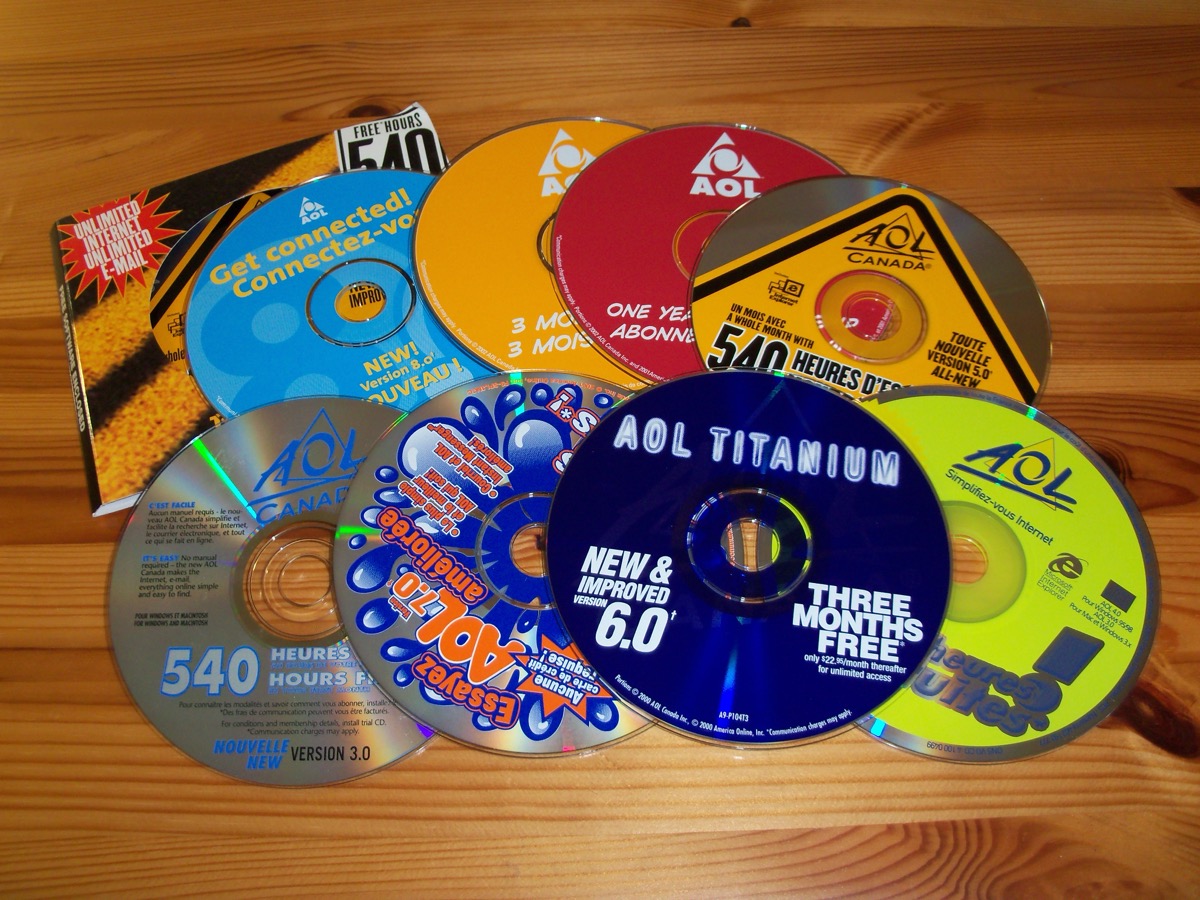
AOL's marketing chief Jan Brandt carpet-bombed America with free-trial discs—in magazines, mailboxes, at Blockbuster and Best Buy, even in Omaha Steaks shipments. At peak saturation — by Brandt's own estimate — roughly half of all CDs manufactured worldwide bore the AOL logo, a $300 million marketing gambit that made the "You've Got Mail" sound the most iconic audio cue of the 1990s.

MTV
MTV's 1990s golden era transformed the channel from music-video jukebox into a cultural force, with Total Request Live (TRL), The Real World, Beavis and Butt-Head, MTV Unplugged, and a rotation of music videos that defined the decade's soundtrack. Music Television delivered exactly what it promised: a place where youth culture, music, and rebellion converged on cable.
Early MP3 Players
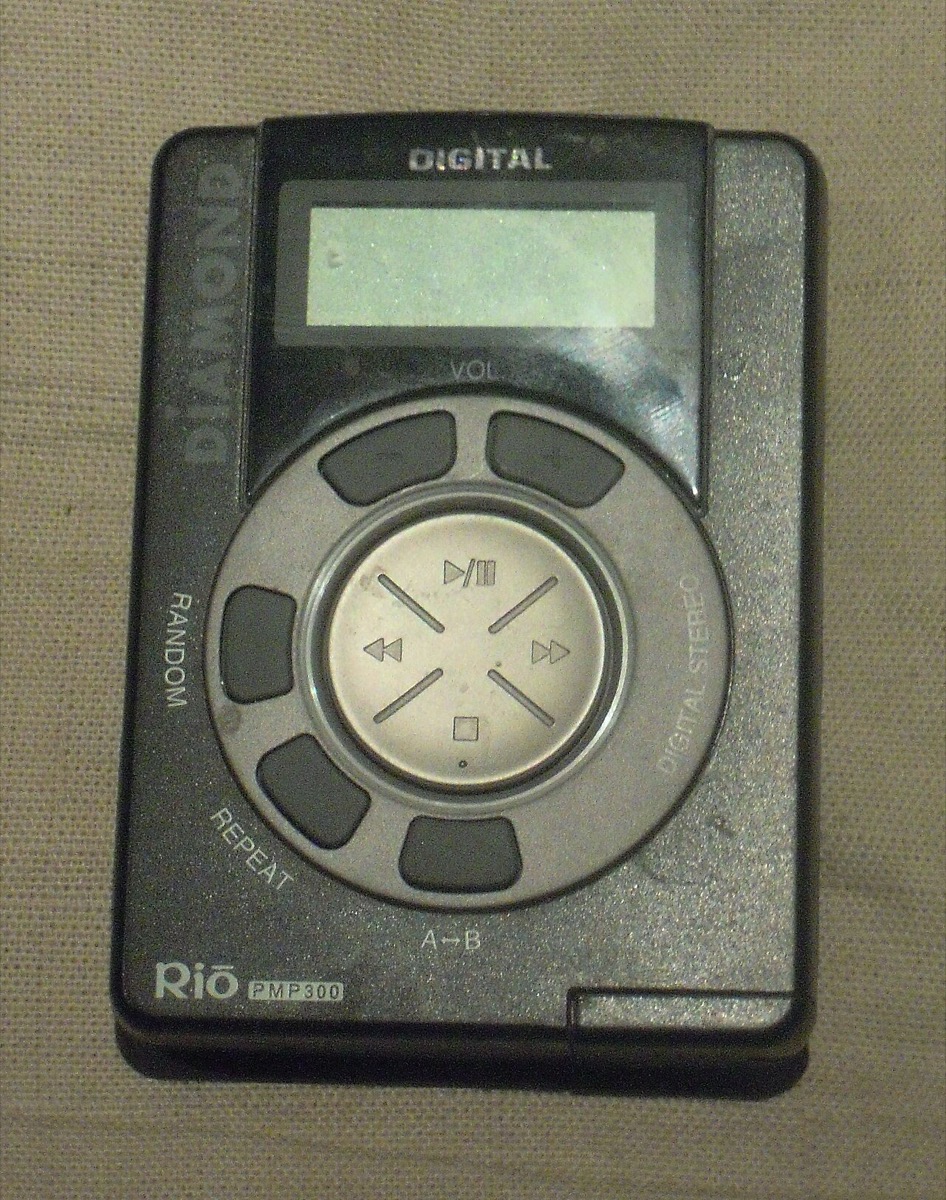
The flash-memory bricks that freed your MP3s from the desktop. Diamond's Rio PMP300, arriving in September 1998 at $200, was the first MP3 player that actually caught on — deck-of-cards sized, running forever on one AA battery, holding maybe eight or ten songs. No moving parts meant no skips, a revelation after a decade of portable CD players. The RIAA sued to kill it; the courts sided with you instead.