
3D Doritos
Hollow, puffed, three-dimensional Doritos that dissolved on your tongue the instant you crunched them. They tasted vaguely like all the regular Doritos flavors but somehow better, and then Frito-Lay decided we didn't deserve them anymore.
190 items
Hollow, puffed, three-dimensional Doritos that dissolved on your tongue the instant you crunched them. They tasted vaguely like all the regular Doritos flavors but somehow better, and then Frito-Lay decided we didn't deserve them anymore.

The stretchy, tangy taffy bar in the loud mylar wrapper — Blue Raspberry stained your tongue, and White Mystery was a gamble by design. Fifty cents of pure lunchbox status.

Hershey's entry into the gummy-bear wars, forever burned into memory by TV commercials of little bears who sang like a choir. For a lot of 90s kids, it was the first gummy bear they ever met.

The gummy ring with the sour-sugar punch — a 1990s candy-aisle staple that came in two main flavors: Trolli's tart green-apple rings and the ubiquitous peach rings. These weren't just chewy gummies; they had that distinctive sanded-sugar coating that made your mouth pucker and kept you coming back. A bagged candy essential for road trips, gas stations, and after-school snacking through the decade.
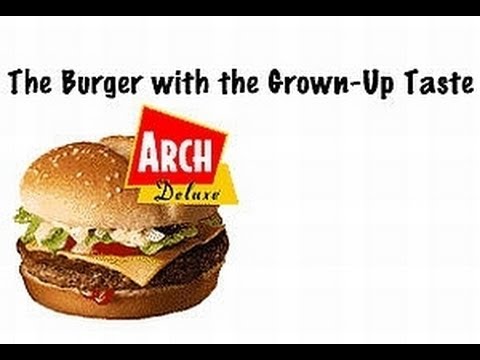
McDonald's 1996 gamble: a quarter-pound burger on a potato-flour bun with peppered bacon, Dijonnaise, and a mandate to drag the golden arches upmarket. The ads showed kids recoiling from its sophistication — "kids hate it" was the actual pitch. It's remembered as one of the most expensive flops in fast-food history.

The Big Can: a tallboy of iced tea wrapped in pastel southwestern art that looked like nothing else in the cooler. It came out of a Brooklyn warehouse in 1992 to fight Snapple, priced at 99 cents — a number the company later started printing on the aluminum itself, and has refused to let go of ever since, through thirty-plus years of inflation.

You smelled it before you saw it. The mall pretzel counter where the dough got rolled and twisted right in front of you, then came over the counter hot, salted, and slightly too big to finish. Butter or cinnamon sugar, a paper sleeve, and a cup of Dutch Ice — the food court's most reliable pleasure.
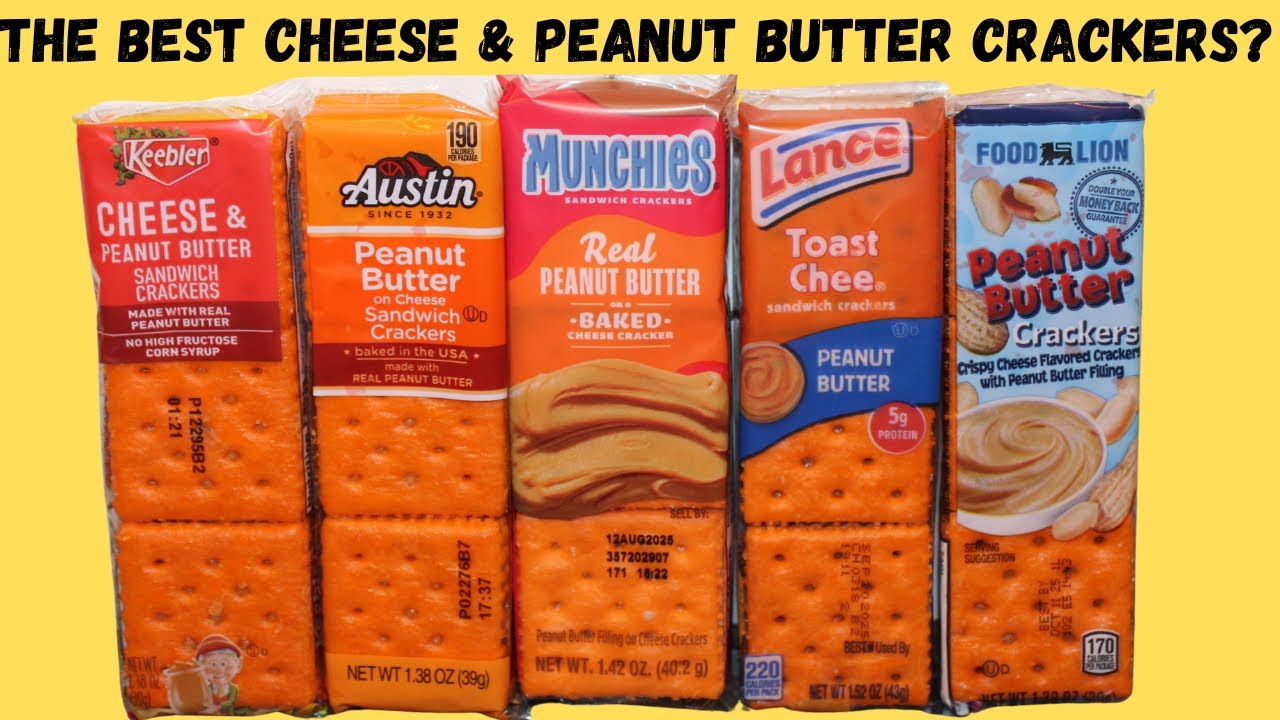
The unnaturally orange cracker sandwiches in the crinkly six-pack — cheese crackers hugging peanut butter, dispensed by every vending machine, gas station, and lunchbox of the 90s. Austin wasn't the fancy option. Austin was the one that was actually there.
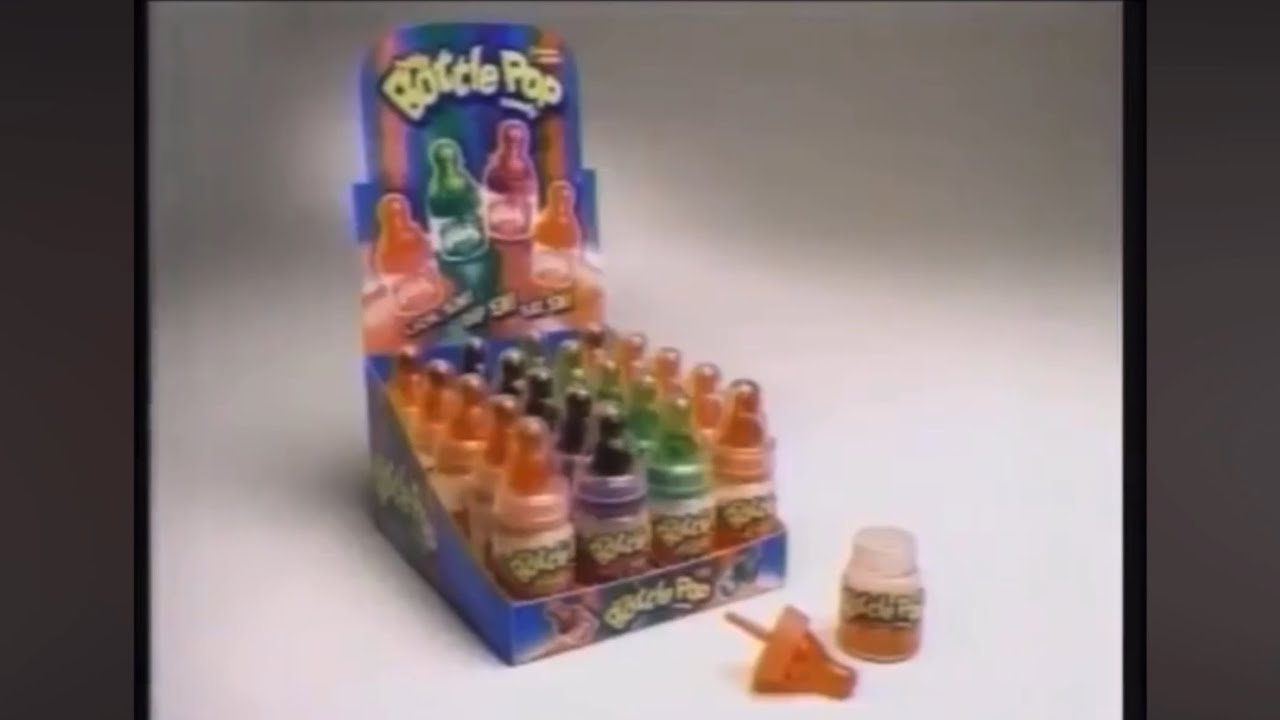
A lollipop shaped like a baby bottle's nipple, sitting in a tub of flavored powder you were meant to dunk it into. The jingle did the rest. Filed by everyone under 90s candy — which it isn't, quite.

The peanuts-caramel-nougat log of every checkout lane and Halloween haul — over a century old, with an identity mystery baked into the name. The company swore it honored a president's daughter; everyone else noticed a certain slugger's fame exploding at exactly that moment. No one has ever settled it.

Mini-bagels topped with tomato sauce and melty cheese, baked from frozen — and burned into memory by a jingle promising pizza in the morning, pizza in the evening, pizza at suppertime.

A teal-colored tropical-lime Mountain Dew created by PepsiCo and born as a Taco Bell fountain exclusive in 2004. The exclusivity gave it instant cult appeal—you could only get it at the Bell, which made every trip feel like a special occasion. Fans begged for wider release, clamored online, and eventually got their wish: bottled and retail runs, though the Taco Bell version remained the holy grail. A pure 2000s fast-food icon.
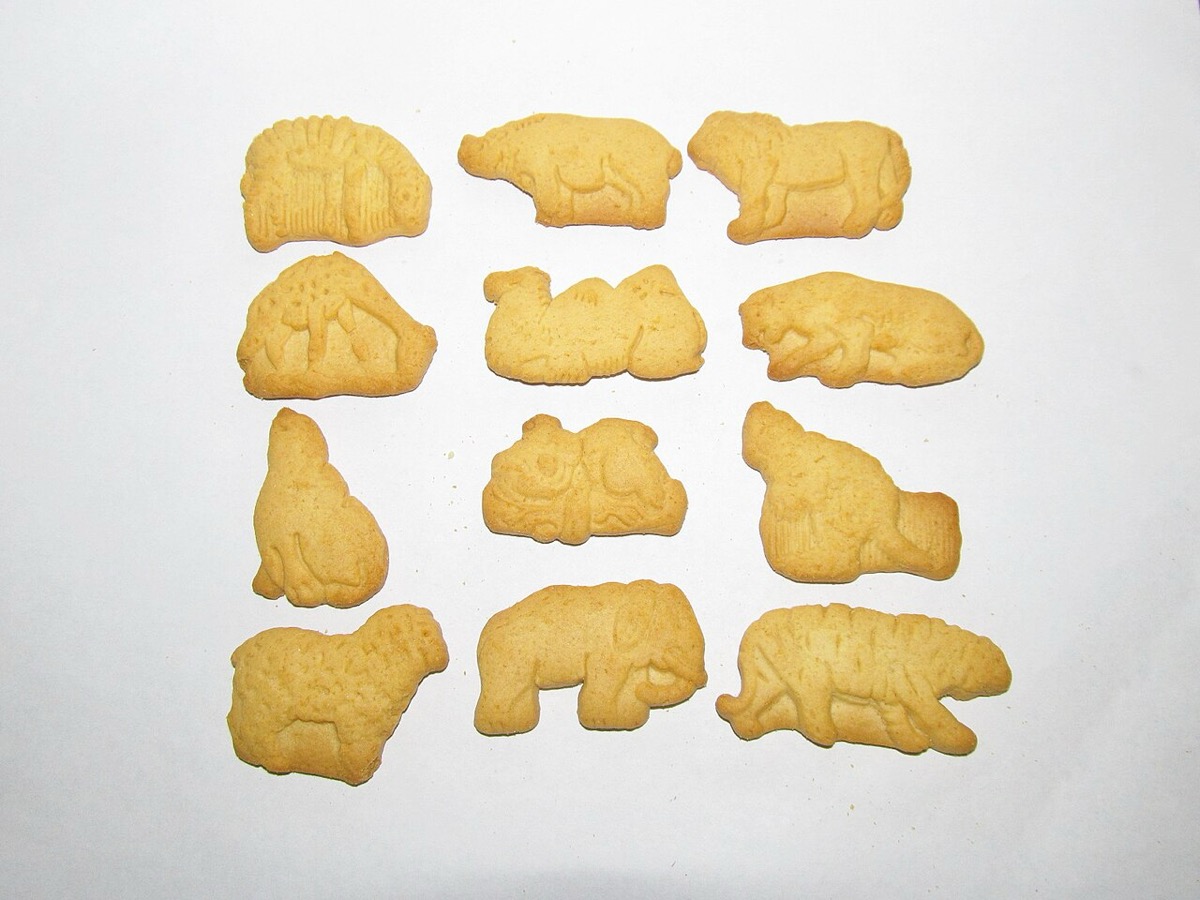
The little circus-wagon box of animal-shaped cookies with the string handle — worn around the neck like a tiny snack pendant by generations of kids. Nabisco's Barnum's Animals date to 1902, when the string was added so the box could hang on a Christmas tree, and they never left the grocery shelf.

A 2007 candy commercial became a 2021 TikTok explosion. The Little Lad — a grown man in old-fashioned page-boy clothes chanting "berries and cream" with a marionette dance — sat dormant for 14 years before the internet crowned him. The flavor was fine; the ad is immortal.
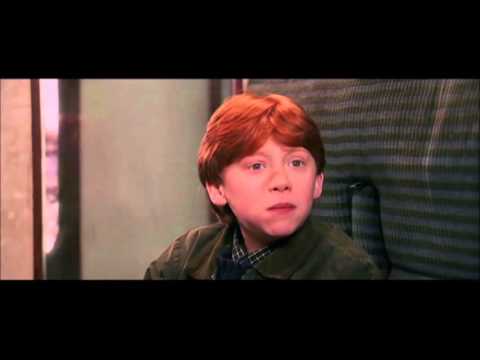
Jelly beans that might be blueberry — or might be Vomit. Jelly Belly made the Harry Potter books' candy gamble real, gruesome flavors and all, and turned every playground into a dare arena: take one blind, make the face, sprint to the trash can.
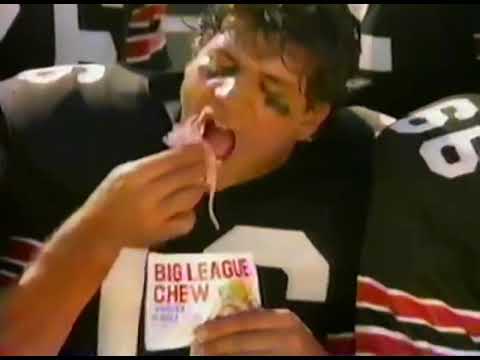
Shredded bubble gum packaged in a foil tobacco-style pouch — dreamed up in the Portland Mavericks bullpen by pitcher Rob Nelson and launched in 1980 with backing from ex-Yankee Jim Bouton. A staple of 80s and 90s little-league dugouts where kids mimicked the professional players they idolized.

The pocket breath spray with the click-and-blast ritual — a slim canister of concentrated mint that delivered instant confidence before any moment that mattered. Born from Swiss pharma giant Ciba's oral-care line, it found American cult status with smokers, daters, and sitcom writers (Seinfeld and Taxi both got jokes out of spraying it in someone's face). By the 1990s it was the pre-date essential; by 1993, some schools were banning it from campuses.
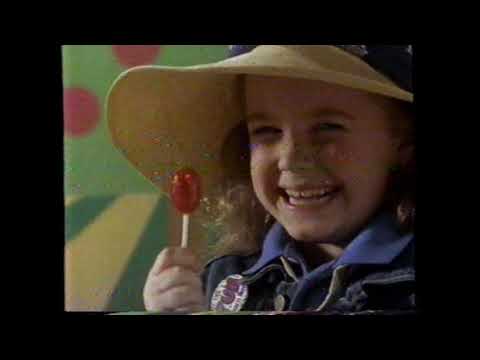
The two-stage candy: a hard sour shell you worked through to reach the bubble gum hiding in the middle. Sour Apple if you were smart, Blue Razz if you were right. The teacher's candy jar and the corner store were never without them.

The red-white-and-blue rocket that turned every kid's tongue tricolor. Born in Kansas City in 1955, the Bomb Pop was the default ice-cream-truck order of a thousand 90s summers — cherry, lime, and blue raspberry stacked in one patriotic missile.
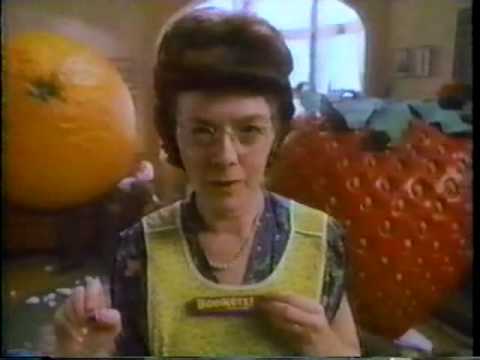
Chewy rectangular fruit candies with a tangy center, sold on the back of some of the most surreal commercials of the era — a giant piece of fruit dropping out of the sky to flatten some unsuspecting bystander. 'Bonkers! Bonks you out!'

A little flip-top plastic jug of powdered bubble gum you poured straight into your mouth. Made by Amurol — Wrigley's novelty-gum shop, the same one behind Bubble Tape and Big League Chew — Bubble Jug was an early-'90s corner-store dare: tip in too much powder and your whole mouth seized up.

Good Humor's baseball-glove ice-cream pop, with a bubble-gum "baseball" tucked in the mitt. A mid-'90s ice-cream-truck treat that paired a frozen cherry glove with a gumball prize — then quietly vanished.
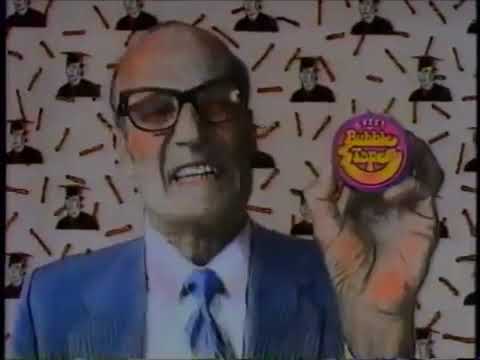
Six feet of bubble gum coiled inside a plastic tin the size of a hockey puck, dispensed like a roll of tape. The whole pitch — "for you, not them" — was a license to hoard, and the move was to peel off a long ribbon and cram the entire thing in your mouth at once.
The soft square chunk of bubble gum in the loud neon wrapper — huge flavor for about ten glorious minutes, then you reached for another piece. Launched in 1977 as American Chicle's answer to Bubble Yum, it spent the 90s as corner-store royalty with a flavor list that read like a slushie machine.
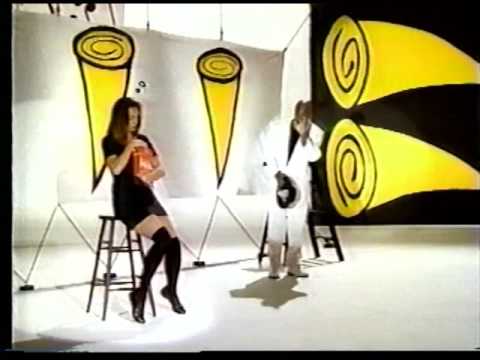
Corn horns you were morally obligated to wear as witch fingernails before eating. General Mills' Bugles hit shelves nationally in 1966 and outlived every snack sibling they launched with — Whistles, Daisys, Buttons, and Bows all vanished so the claw ritual could live forever.

Bite-sized nuggets of Nestlé Crunch — crisped rice drenched in milk chocolate — launched in 1994 exclusively for movie-theater concession stands, because chocolate bars sell poorly at theaters and poppable, rattling boxes don't. It stayed a theater exclusive for nearly two decades, and it's still on concession counters today: one of the few 90s candy inventions that never went away.

Burger King's mini-burger saga: first Burger Bundles, whose tiny patties fell through the flame-broiler, then Burger Buddies — a single figure-eight patty on conjoined buns, made to be torn into two little cheeseburgers for 99 cents. A novelty born from an engineering failure.

Chicken shaped like french fries, sold in a fry box with a hole for sauce — a dumb idea so perfect it built a cult. When Burger King killed them in 2012, the internet staged a years-long resurrection campaign. The internet won.

Burger King's animated kids-meal gang, launched 1990: Kid Vid, I.Q., Boomer, Snaps, Wheels, Lingo, Jaws, and J.D. the dog. They lived on tray liners, toy packaging, and Saturday morning TV — except there was no show. The characters were the marketing.
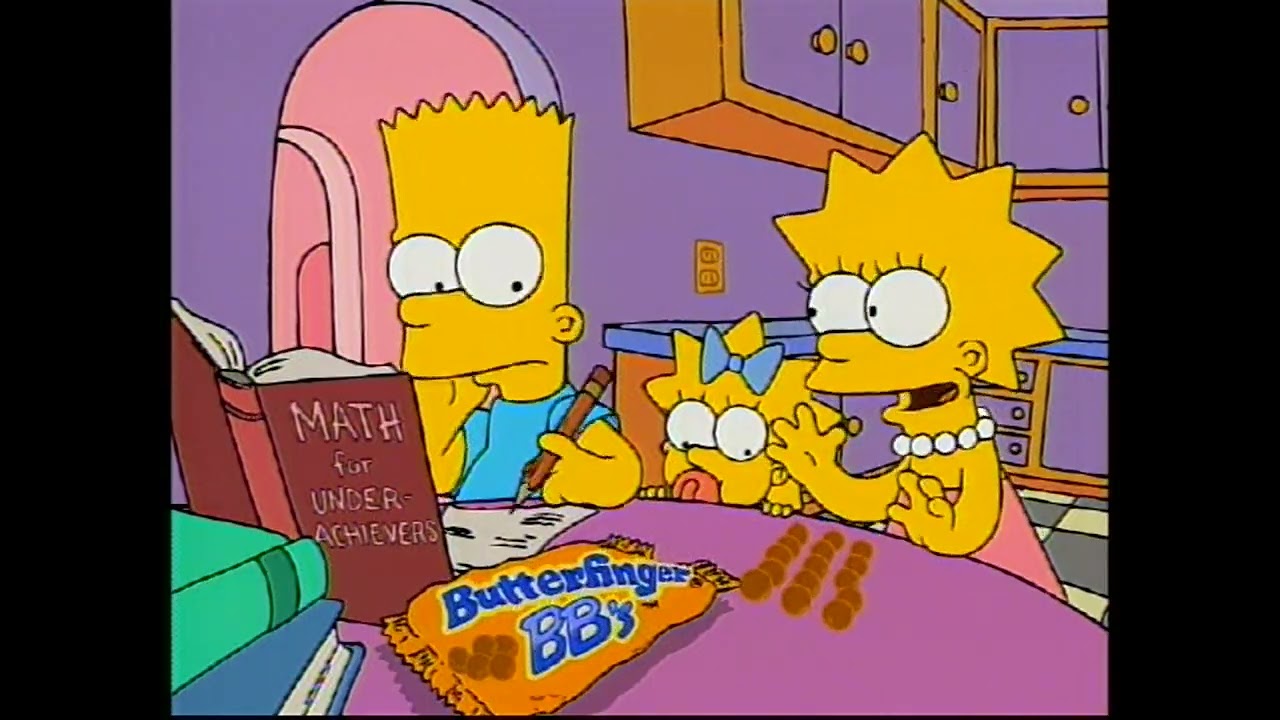
Marble-sized spheres of Butterfinger — crispy peanut-butter core wrapped in chocolate — sold in resealable pouches and at movie-theater counters. The Simpsons were the face: Homer eternally scheming to get at Bart's stash, Bart warning that nobody better lay a finger on his Butterfinger. Launched in 1992, discontinued in 2006 with no explanation — and fans never stopped asking for a comeback.
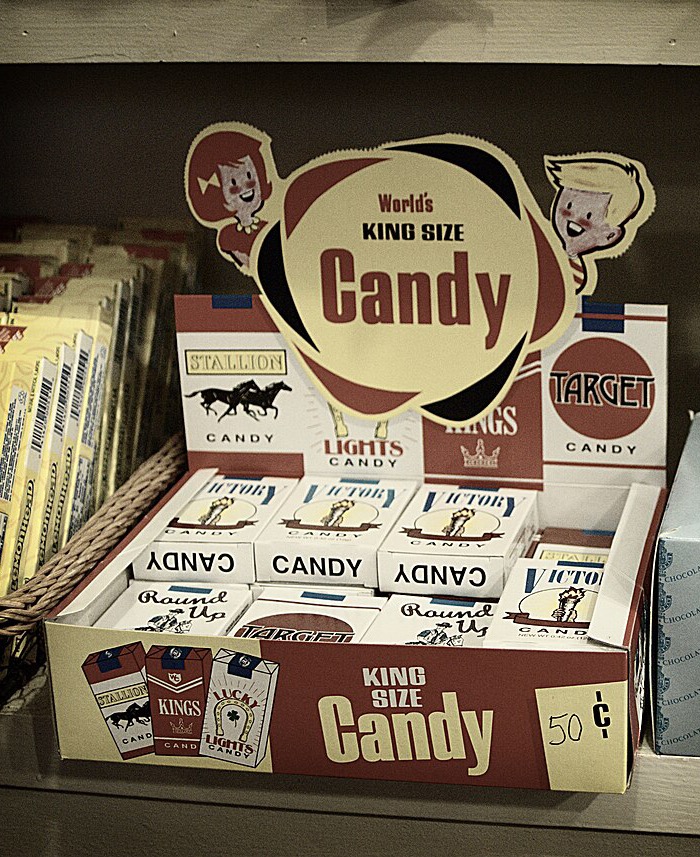
Chalky sugar sticks with a painted red tip, sold in cigarette-style packs straight to kids at the corner store — plus bubble-gum versions whose paper wrappers let you puff out powdered-sugar "smoke." The most "you had to be there" candy of the entire era.

The foil pouch that defined lunchbox life and trained a generation to stab tiny straws with lethal precision. Capri Sun was ubiquity in a stand-up package — arrive at school without one and you'd apparently missed a memo.
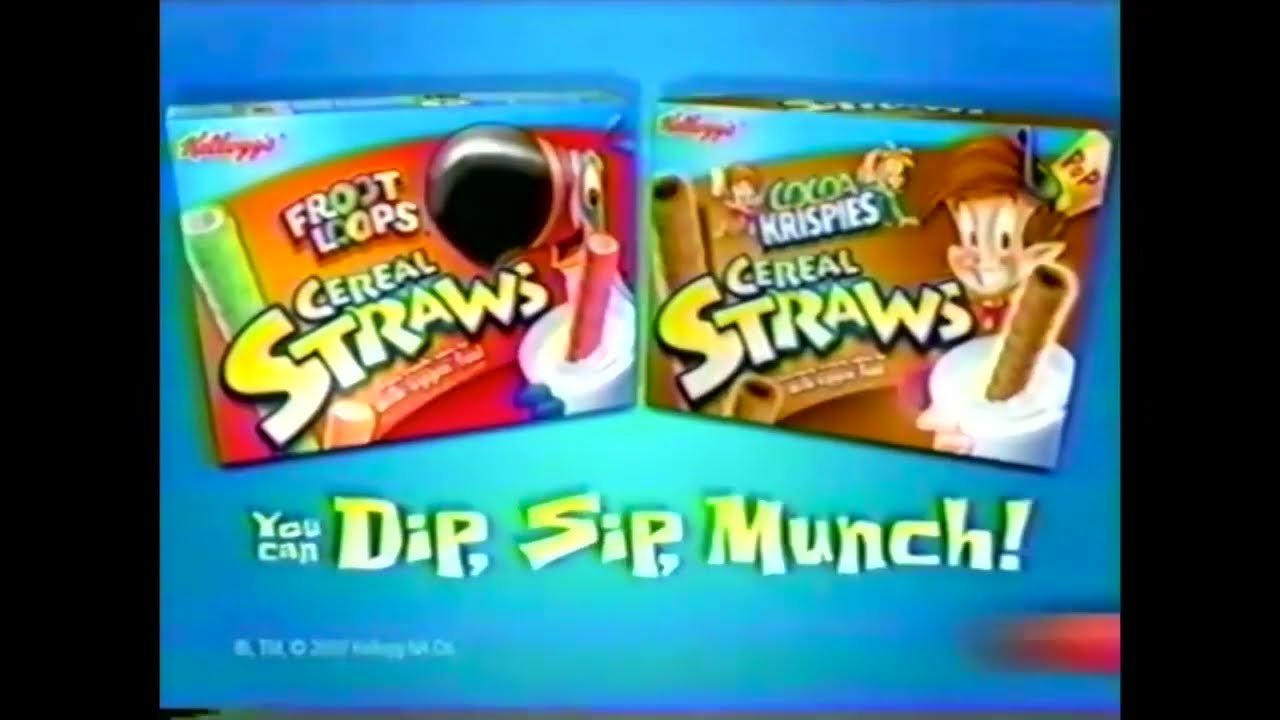
Kellogg's answer to a question every kid had already asked: what if the straw itself tasted like Froot Loops? Crunchy cereal tubes with a sweet milky lining that turned any glass of milk into dessert — gone in two years, mourned for a decade.

Orange dust on your fingers, your homework, and everything you owned. Cheetos had been around since 1948, but the 90s belonged to Chester Cheetah — sunglasses, sneakers, and "It ain't easy bein' cheesy."

Planters' bright-blue canister of neon-orange puffed cheese balls — the road-trip and after-school snack that dyed your fingertips a shameless shade of orange. Discontinued in 2006, mourned for over a decade, and briefly resurrected by popular demand.

Spelling your name in pasta before you were allowed to eat it — alphabet letters and numbers in tomato sauce, a literacy game masquerading as lunch. It arrived around 1980, and behind the goofy can sits one of the great immigrant success stories in American food.

Coca-Cola's first flavored cola—and if you were a 90s kid, the wild graffiti-scribble can is the one burned into your memory. Loud, scribbly, teenage energy on aluminum.

Two thick chocolate-chip cookies hugging a slab of vanilla ice cream. Invented by a New York lawyer and launched off a fleet of Manhattan street carts, the Chipwich made the ice cream sandwich a handheld event.

The waffle-cone shell folded like a taco, packed with vanilla ice cream, fudge, and peanuts under a milk-chocolate coating — the ice cream truck's most architecturally ambitious treat. Klondike's Choco Taco was a summer ritual until it was discontinued in 2022.
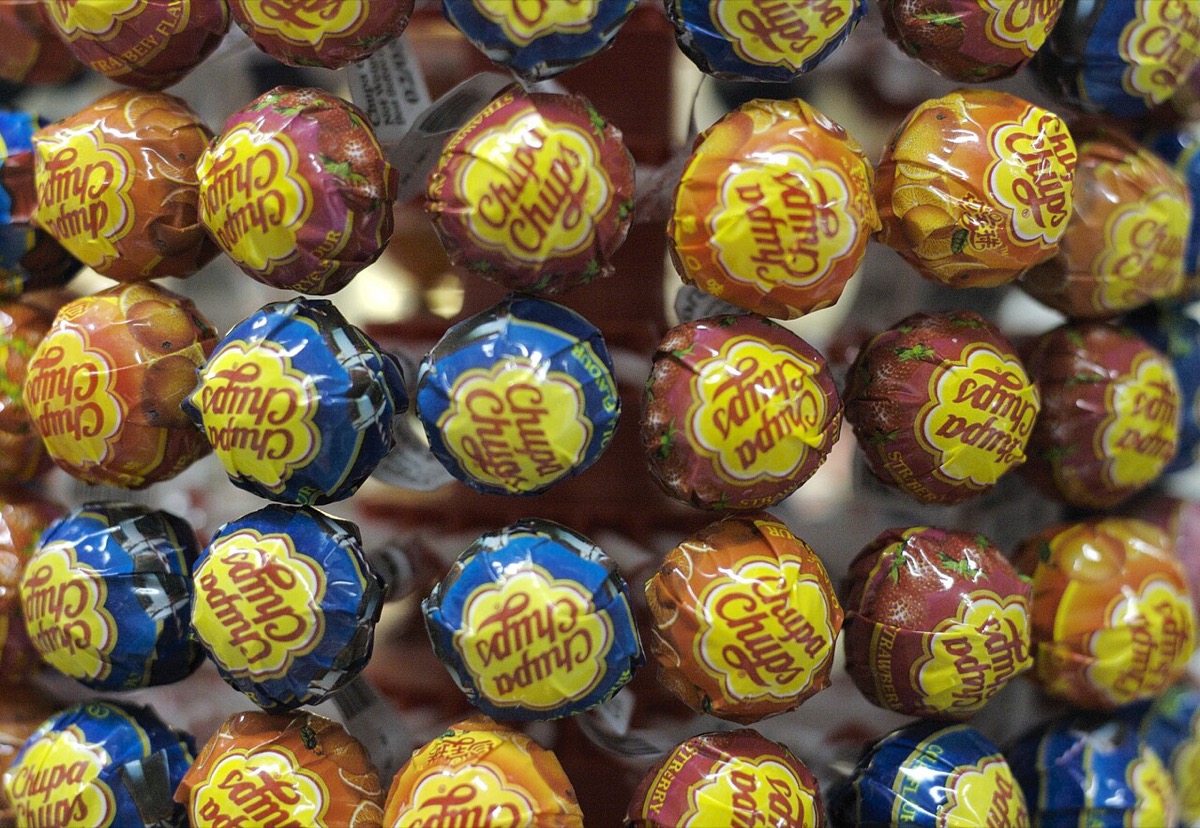
The Spanish lollipop with the unforgettable daisy-shaped logo designed by Salvador Dalí. The round candy on a stick solved a kid's eternal problem — no sticky hands — and the distinctive red-and-white wrapper with a centered daisy became one of the world's most recognizable candy marks.

A cinnamon roll the size of a dinner plate, buried under cream cheese frosting that pooled in the box. You could smell the counter from the other end of the mall, which was not an accident. Nobody ever finished one alone and everybody ordered one anyway.
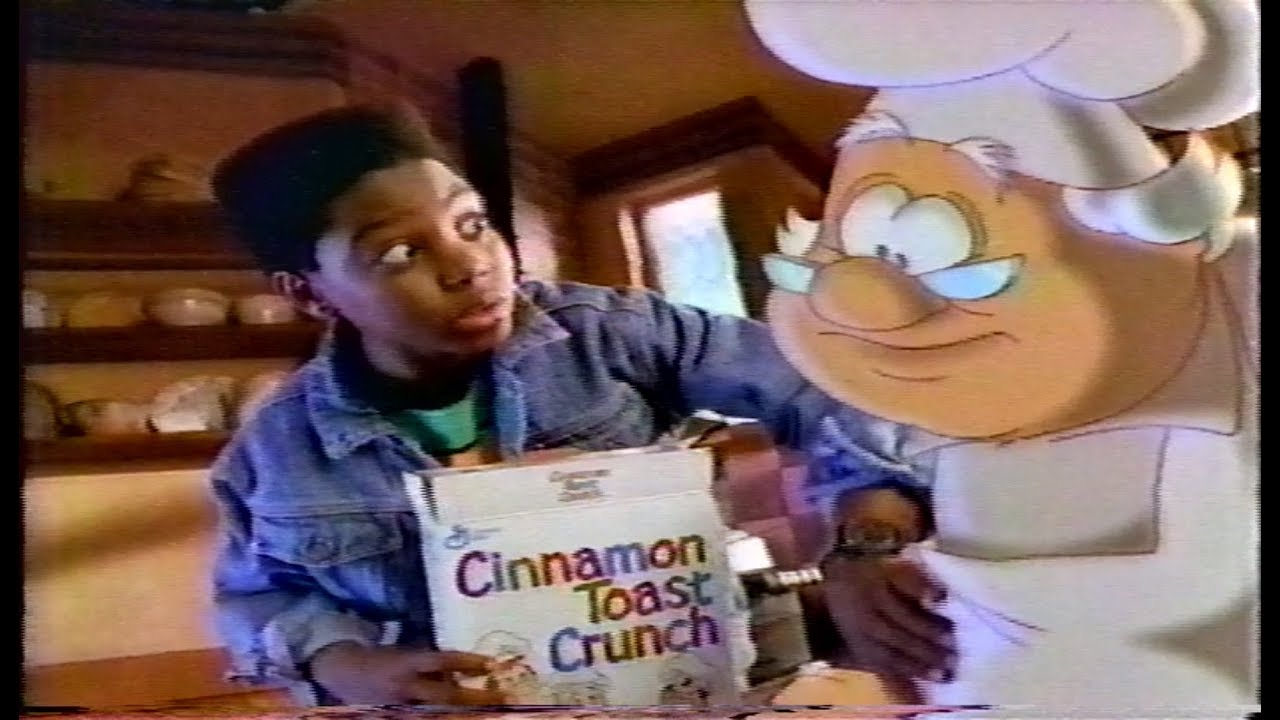
Cinnamon-sugar swirls you could actually see on every square — the commercials made sure you knew it. Chef Wendell sold it, the milk turned to dessert at the bottom of the bowl, and no amount of adult supervision could stop a third helping.

The sparkling flavored water in the teardrop-shaped glass bottle that made every '90s kid feel fancy. Wild Cherry, Mountain Blackberry — nursed like it was champagne.

Coke's coffee-flavored "carbonated fusion beverage" in a sleek little glass bottle — the drink that asked "what if espresso, but soda?" in 2006 and got its answer by 2008. You probably tried it exactly once, and you remember the aftertaste either way.
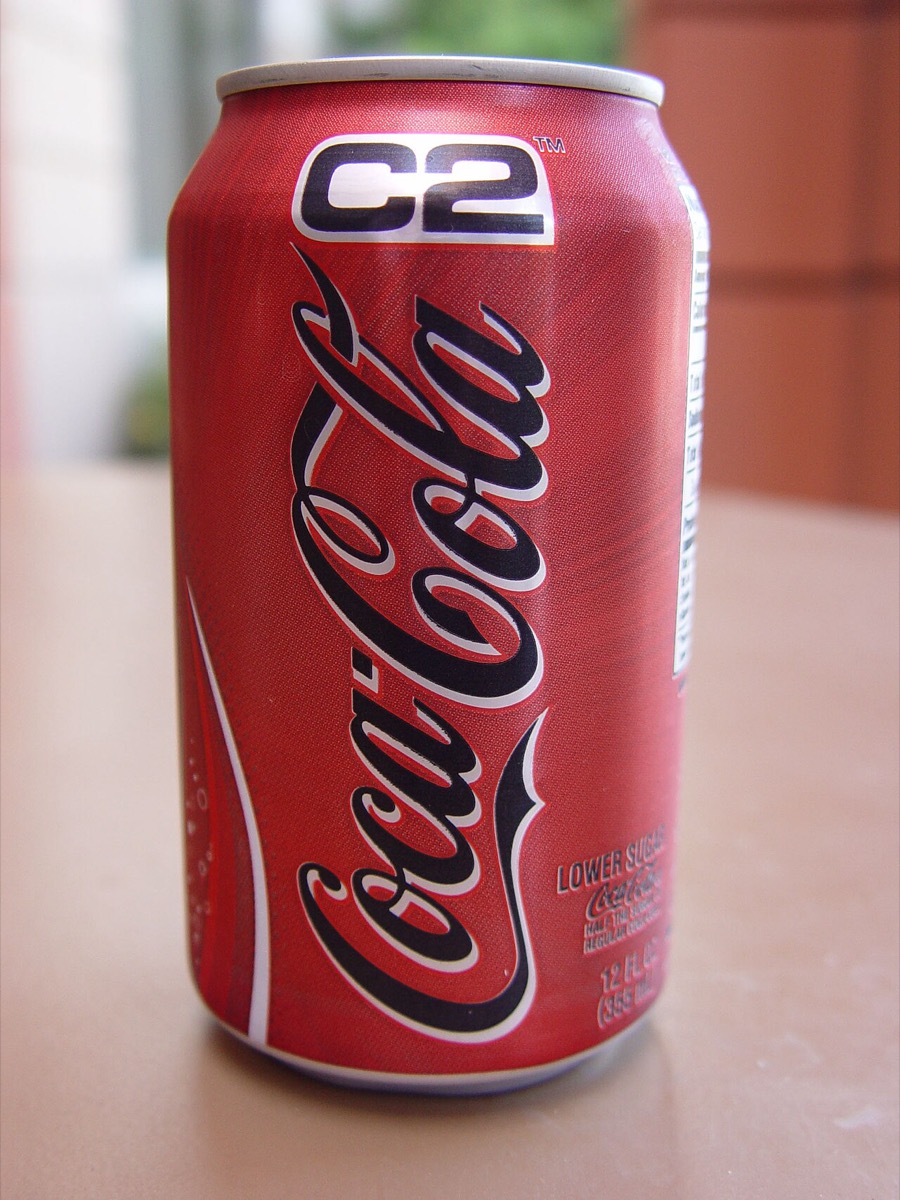
The Atkins diet's cola — half the carbs, half the calories, half the appeal. It got the Rolling Stones and Queen on the TV spots and NASCAR paint schemes at the 2004 Pepsi 400. But America wanted the real thing or nothing at all, and a year later Coke Zero made "half" obsolete.

The chocolate puffed-corn cereal that turned your milk into chocolate milk — the real reason you ate it. Sonny the Cuckoo Bird lost his mind in every commercial, and "I'm cuckoo for Cocoa Puffs!" escaped the cereal aisle to become actual slang for acting unhinged.

Pick your ice cream, pile on mix-ins, and watch a scooper fold it all together on a frozen slab of granite — then tip them and they sing. Cold Stone Creamery turned dessert into a performance across 2000s America.

The pretzel tube injected with cheese — vending-machine royalty and the official fuel of every 90s road trip. A cylinder of salt and neon-orange filling that somehow never existed at home, only at gas stations, rest stops, and the machine outside the pool.

The breakfast cereal that WAS cookies and milk—tiny chocolate-chip cookies you poured milk over and somehow got away with. It's a bowl of cookies masquerading as nutrition, and every 90s kid knew it.

The cereal that could never settle on a name — Sugar Pops, Sugar Corn Pops, Corn Pops, and briefly just "Pops" (we don't talk about that). What stuck was the 90s jingle: a teenager tearing the kitchen apart because he's gotta have his Pops.
The swirled hard candy that paired fruit with cream — and ruled checkout lanes and grandmas' purses from the late '90s into the 2000s. Strawberries & Creme was the icon, its red-and-cream spiral instantly recognizable. Discontinued in 2011, mourned for a decade, and back on shelves since 2021.
The clear cola that tasted like 90s optimism and regret mixed together. Crystal Pepsi was caffeine-free, marketed on a fever dream of purity, and backed by a Super Bowl ad that tried desperately to make it cool.

Instant ramen in a foam cup—just add hot water and wait three minutes. Nissin's Cup Noodles became the ultimate latchkey-kid meal and dorm-room survival tool, affordable enough to buy by the case and fast enough to eat between homework and whatever came next.

Dannon built a kids' yogurt brand around wild-animal characters and a simple mission: turn children into lifelong yogurt eaters. By the 2000s the drinkable little bottles were the centerpiece of the elementary-school lunchbox, chugged in one go before the sandwich was even unwrapped.

The intense-mint pellet gum in the push-through foil blister pack — and the flirty, close-quarters ads that came with it. Launched in the late 1990s, Dentyne Ice built its whole identity on ice-cold breath and the nervous seconds before a first kiss.

Same breading, same chicken, completely different meal. Dinosaur chicken nuggets were proof that shape is a flavor — a plate of T-rexes and brontosauruses you could march across your ketchup before biting their heads off, and the single greatest thing a freezer ever held.
Beaded "ice cream of the future" invented in 1988 by microbiologist Curt Jones, who flash-froze ice cream mix in liquid nitrogen into tiny spheres. Served in a cup and eaten with a spoon, Dippin' Dots became a quintessential 1990s amusement park and mall treat — a novelty that felt futuristic and tasted like the 90s.

Teddy Grahams' extreme-sports cousins: little bears frosted on one side in chocolate or vanilla, showered in candy sprinkles, and posed mid-skateboard-trick. Nabisco's 1995 spinoff lived fast, sold hard on TV, and disappeared quietly — the kind of snack only the kids who ate it remember.

Take the 7 UP logo and flip it upside down: dnL. Take the drink and flip it too — green soda in a clear bottle instead of clear soda in a green one, with caffeine instead of none and an extra citrus kick. The most committed-to-the-bit soft drink of the early 2000s lasted four years and left behind a small, devoted cult.

Betty Crocker's kangaroo snack pack: tiny cookies plus a frosting cup for dunking. The ultimate lunchbox flex of the mid-90s, Dunkaroos were so coveted they became playground currency—until parents killed the sugar craze.
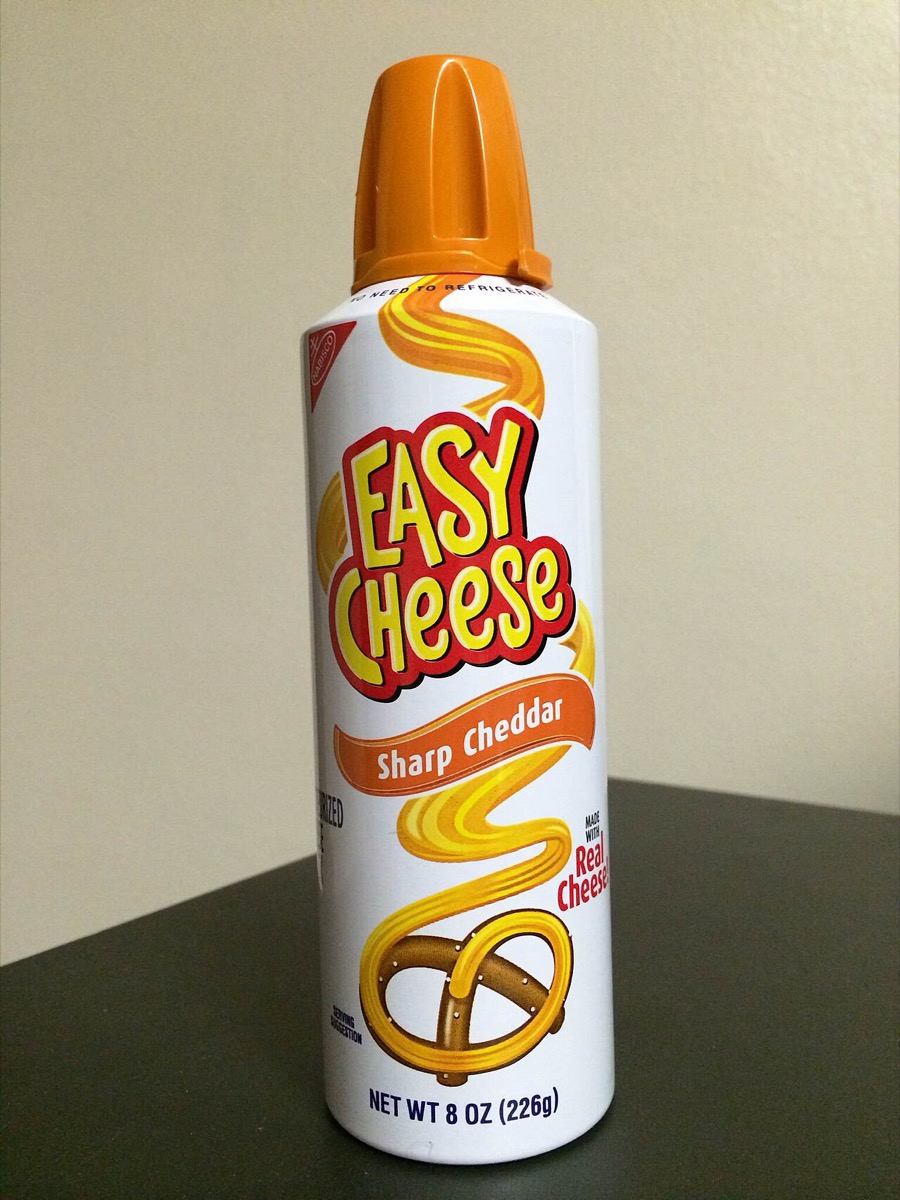
Cheese in an aerosol-style can — squirt it onto a cracker in a squiggle, or straight into your mouth if no one was watching. Shelf-stable, faintly artificial, and weirdly satisfying, Easy Cheese was the ultimate lazy snack.
Single-serve mac and cheese that needed only water and a microwave — no stove, no permission, no waiting. Kraft's 1999 invention turned the famous blue box into a food a kid could make completely alone, then became the default dorm-room dinner.

The golden frozen waffles you popped in the toaster on a school morning — and the ad campaign that turned a breakfast food into a battle cry: "L'eggo my Eggo!" The whole family fighting over the last one in the box was the point.

Three thin slabs to a box, each snapping crosswise into three slices: nine in all, and not a curve among them. The freezer-aisle pizza of a Northeast childhood, and the one that went on television in 1989 to call itself square.
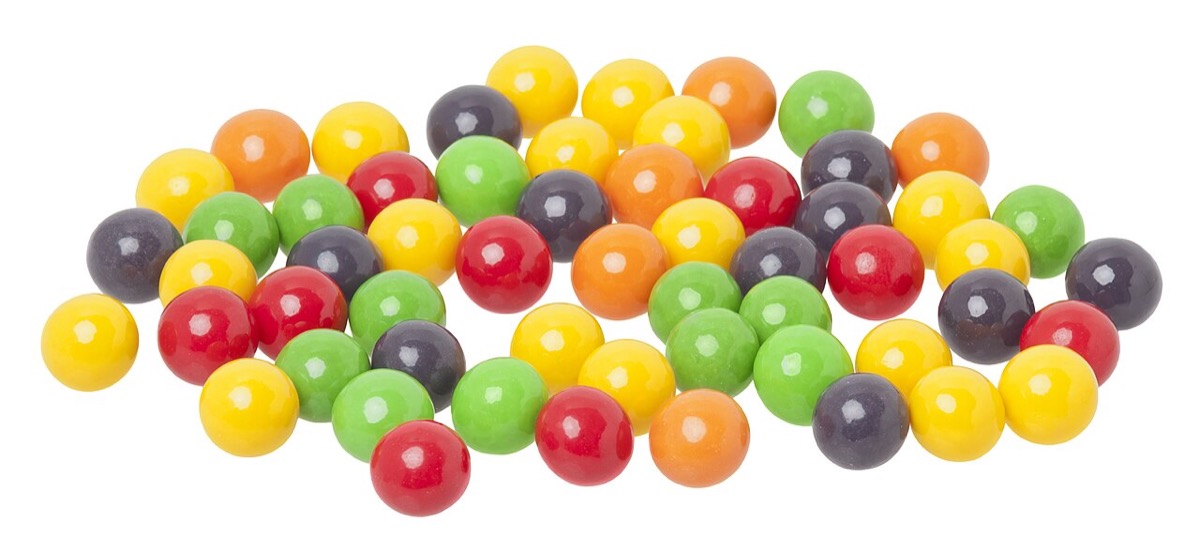
The real-world candy named after Roald Dahl's fictional invention: small multicolored layered jawbreakers that change flavor and hue as they dissolve. Launched in 1976 under the Willy Wonka Candy brand, they became a staple of 1990s lunchboxes and movie-theater concessions.

A jingle so relentless it's still in your head, and a promotion timed to the exact moment America needed a five-dollar meal. The $5 Footlong went national on March 23, 2008, just as the recession was setting in — and the hand gesture did the rest.

A cardboard tube of frozen orange sherbet you pushed up with a plastic stick, badged with Fred, Barney, and the Bedrock gang. The Flintstones Push-Up was the ice cream truck's most hands-on treat.

The Bedrock-shaped chewable multivitamins that made "take your vitamin" feel like getting candy. Every '90s kid's bathroom cabinet had a bottle — and every kid knew the great injustice: for decades, there was no Betty Rubble.

Tiny slices of French toast in a cereal bowl, syrup flavor baked into every piece — Cinnamon Toast Crunch's mid-'90s sister cereal. Discontinued in the U.S. in 2006, mourned for eight years, and brought back by popular demand in its original tiny-toast shape.

General Mills took its wholesome oat O's and dusted them with sugar frosting — a mid-90s bid to win over kids who found plain Cheerios a little too grown-up.
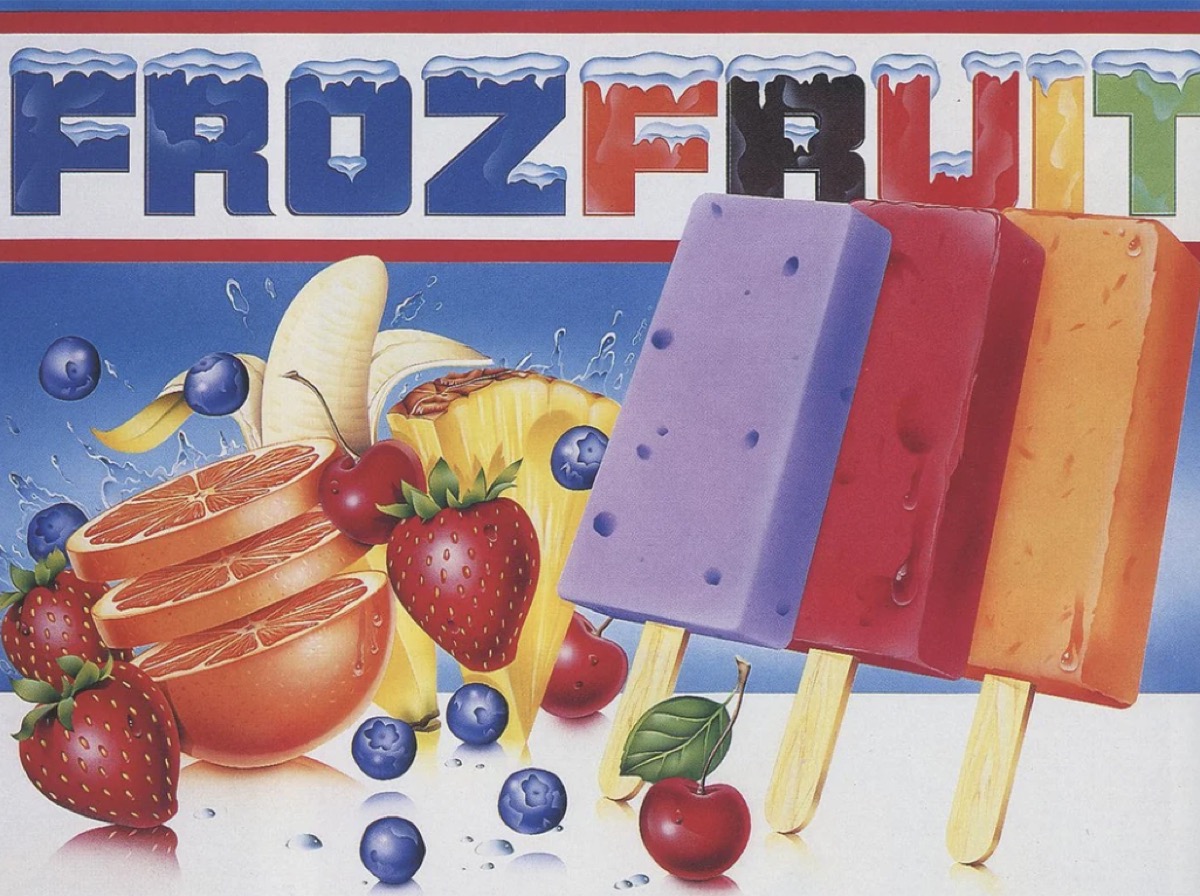
Frozen slabs of ambition — whole strawberry pieces, ragged coconut shreds, actual fruit frozen solid right into the bar. You didn't grab a multipack from the freezer aisle; you bought one cold FrozFruit at a time from a deli case, a pool snack shack, or an ice cream truck on the hottest day of summer. It felt more grown-up than a freezer pop, and somehow more real.

Three feet of rolled fruit snack that unspooled from a little coil, printed with jokes and trivia on the back. Not a Fruit Roll-Up — this was the long, skinny one you unrolled dramatically before eating.

A paper-thin sheet of chewy fruit leather that peeled off its cellophane backing so you could eat it flat, roll it into a tube, or mummify a finger in it. General Mills' lunchbox staple that turned a fruit snack into an activity.

The art project you ate: one long fruit lace pressed into a loopy picture — a racetrack, a pair of sunglasses — on a peel-off board. Eat it line by line or peel the whole drawing off in one piece. Nobody's seen it in decades, and everybody remembers it the second you say the name.
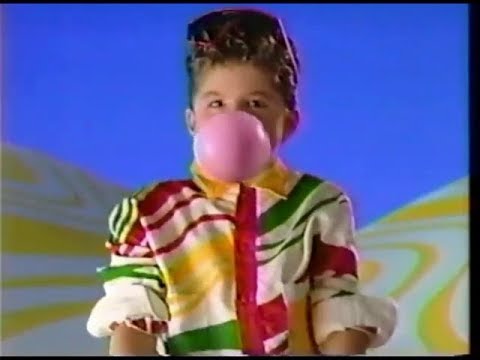
Rainbow-striped sticks of gum fronted by Yipes the zebra, whose wrappers doubled as temporary tattoos. A childhood staple you unwrapped as much for the tattoo as for the gum itself.

Coca-Cola's psychedelic, tie-dyed fruit drink 'for the mind, body, and planet.' The trippy kaleidoscope vending machines and New-Age flavor names — Strawberry Passion Awareness — were peak-'90s marketing weirdness.
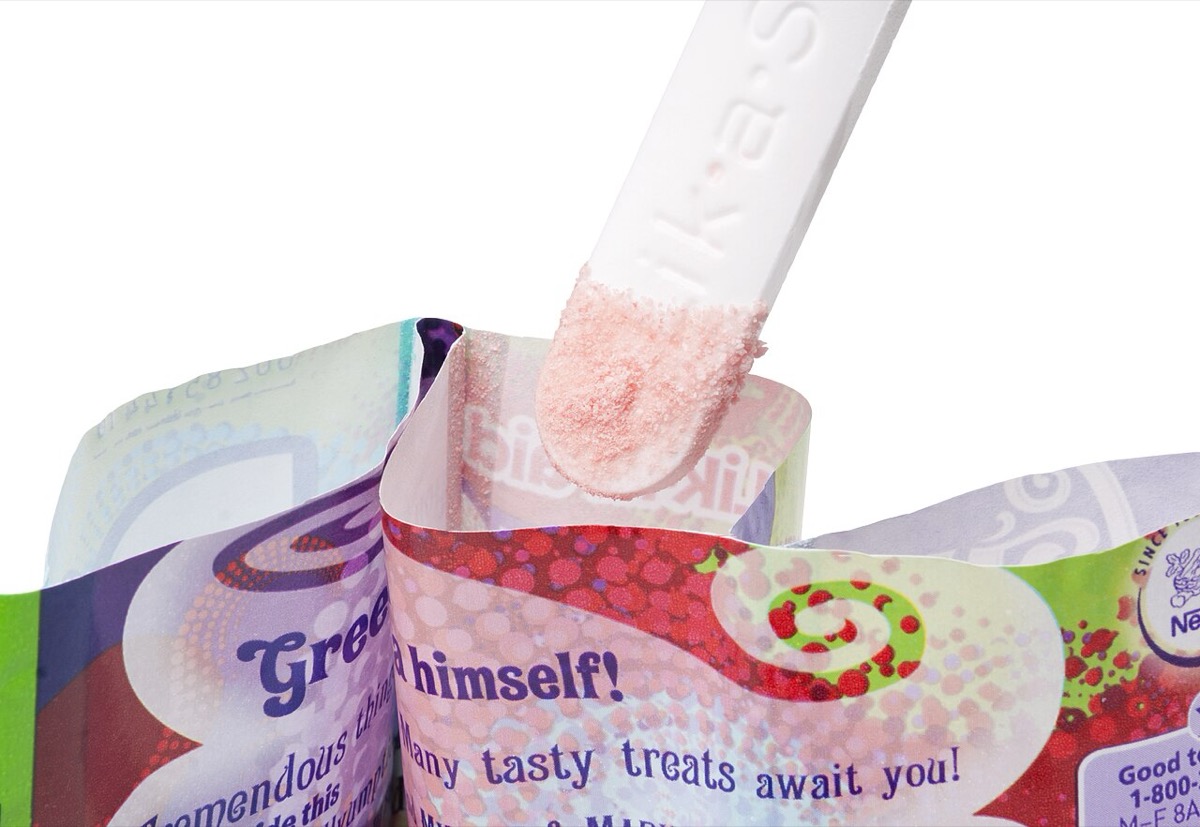
A pouch of intensely flavored colored sugar and a chalky Lik-A-Stix to dip into it — lick, dip, repeat, until your tongue was stained blue and the stick itself became the last course. Peak checkout-lane sugar delivery.

Yogurt in a squeezable plastic tube you slurped without a spoon; introduced by Yoplait/General Mills in 1999 and marketed straight at kids as portable, fun, and freezable. Go-Gurt became a lunchbox staple and the gateway snack for a generation that grew up with the freedom to eat dessert-adjacent dairy before middle school.

Life Savers, but chewy — the rolls of squishy rings that instantly made the hard-candy originals feel like something from grandma's purse. Peeling back the foil, thumbing one off the stack, and stretching it before eating it was the entire mid-90s candy experience.

Chewy hexagonal fruit snacks with a liquid center that burst across your tongue when you bit down. Fruit Gushers made eating candy feel faintly dangerous — and its ads made kids' heads turn into giant fruit.

Kraft's cheese-and-crackers tray: a sealed compartment of processed cheese, a stack of crackers, and one flat red plastic stick for spreading. The stick was not a utensil. It was the entire point.

Guitars on the walls, a tour tee with the city name on the back, and a burger under a wall of rock-and-roll relics. The Hard Rock Cafe turned a meal into a souvenir, and in the '90s a Hard Rock shirt from wherever you'd traveled was a small flex all its own.

Ketchup, but Blastin' Green — then Funky Purple, and a rainbow of colors after that. Heinz put the condiment in a skinny-nozzled squeeze bottle so kids could draw with it, and for a few early-2000s years, dinner plates got weird.

Miniature Hershey's Kisses in a crunchy candy shell — red, orange, yellow, green, and blue, poured straight from the pouch. Hershey's answer to M&M's lasted less than four years before quietly vanishing in 2009, leaving behind one of the 2000s' most specifically mourned candies.
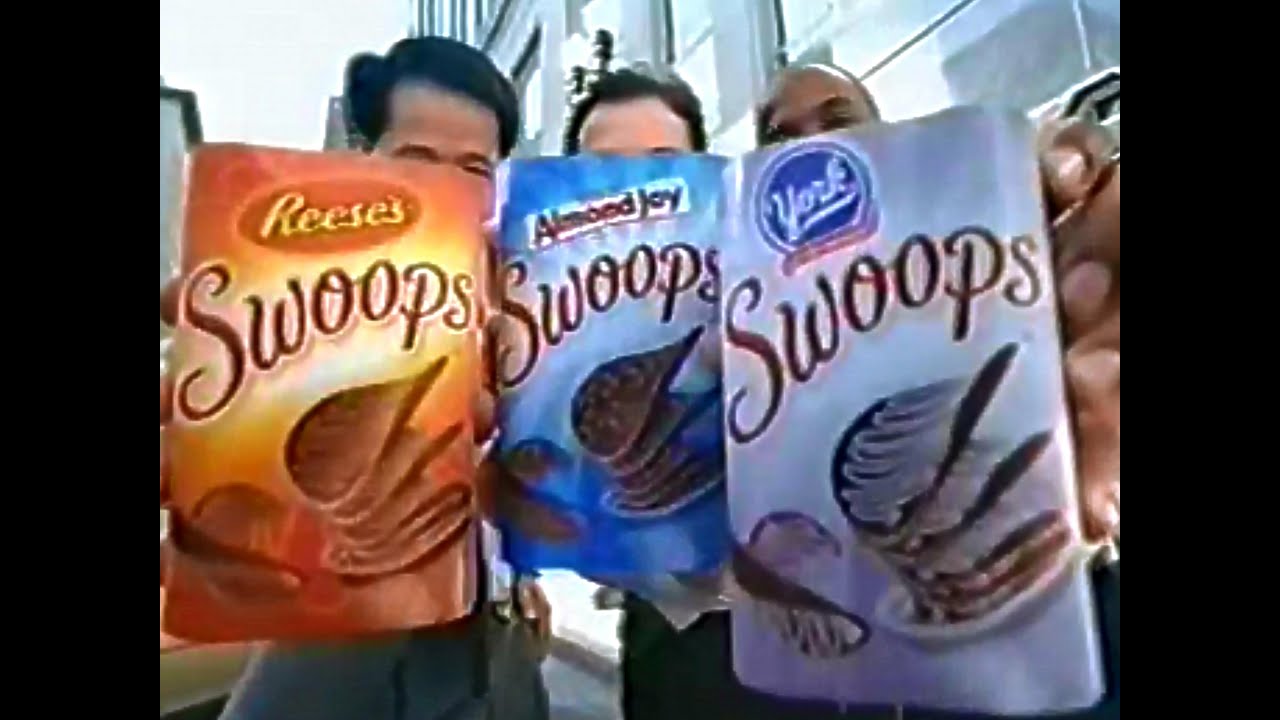
Chocolate slices shaped like Pringles potato chips, for reasons nobody could explain — and almost nobody knew they existed anyway. From 2003 to 2006 they came in snack cups, flavored like the Hershey lineup: Milk Chocolate, Reese's, York, Almond Joy. The perfect 2000s grocery-aisle experiment: an idea that made sense on a whiteboard and nowhere else.
The radioactive-green juice box with Slimer grinning on the label. Hi-C's Ecto Cooler was a Ghostbusters tie-in that tasted like tangerines, glowed neon green, and lived in a generation's lunchboxes long after the cartoon was gone.

General Mills cereal that turned breakfast into a treasure hunt: sweet corn squares that all looked identical, but only some were filled with a hidden fruity center. Every spoonful was a gamble on whether you'd struck gold or bitten into an empty.
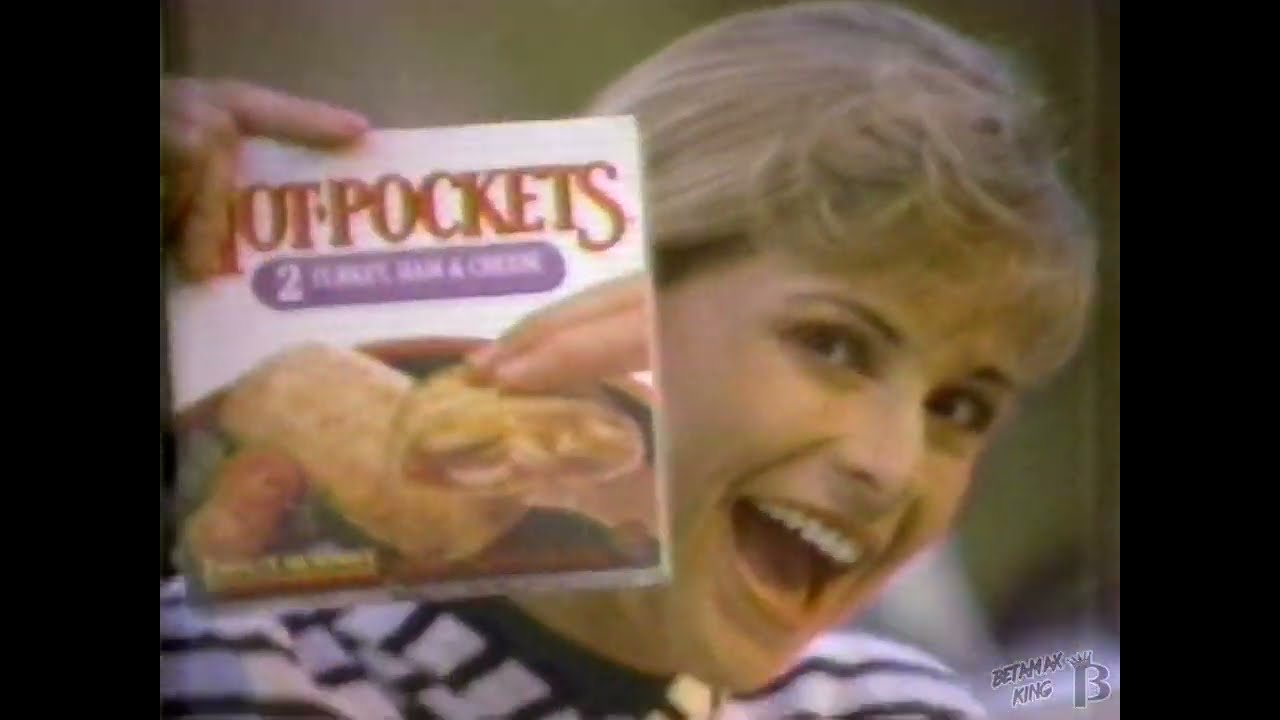
Molten on the outside, frozen in the middle, and somehow both at once: the microwave turnover that fed every dorm room and latchkey afternoon. Then Jim Gaffigan sang "Hot Pockets!" in falsetto, and a freezer-aisle staple became a permanent piece of comedy history.
Pudding on a stick — not ice cream, not a popsicle, but the texture of chilled pudding frozen solid, with that thin frost layer straight from the box. A 1981 hit whose glow carried through '90s childhoods, revived and rejected in 2004, and gone by the early 2010s.
Tiny, intensely flavored gourmet jelly beans with a soft center that taste like their name — from banana to blueberry to buttered popcorn. Jelly Belly launched in 1976 as a premium departure from standard penny candy, becoming the gold standard for a generation of kids sorting through flavor combinations and swapping flavors with friends.

The soda that made a virtue of overkill: 'All the sugar and twice the caffeine.' The unofficial fuel of all-nighters, cram sessions, and anyone with a deadline and no intention of sleeping.

The indie soda in a glass bottle with a customer-submitted photo on every label — weird, grainy snapshots of real life where the big brands would have put a logo. And once a year, flavors like Turkey & Gravy turned the whole company into performance art.
PepsiCo's high-energy guaraná drink, marketed as "Better do the good stuff now" and remembered for its dark snarling-cat branding. Often credited as the first energy drink from a major U.S. beverage company, it arrived years ahead of the energy-drink boom — and was gone by 1999.
The yellow pack, the sugar-blast first chew that faded in ninety seconds, and a jingle that never left: the taste is gonna move ya. Juicy Fruit tastes like... well, nobody officially knows — and it's been that way since 1893.

Keebler's pizza-flavored snack chips made from pizza dough, sold on the promise that they 'taste like real pizza, only louder.' A crunchy shot of Zesty Pepperoni or Pizza Supreme straight from the pantry.

Mashed potatoes, corn, popcorn chicken, gravy, cheese — the whole KFC menu stacked in one container, no apologies. It became a menu staple and an immortal punchline the moment Patton Oswalt called it "a failure pile in a sadness bowl."

The frozen dinner built for kids: a compartmented tray with fried chicken or nuggets, corn, and a gooey brownie or pudding in its own well, fronted by a cartoon penguin. ConAgra's answer to the Happy Meal, minus the drive-thru.
A paper packet, a cup of sugar, a pitcher of water — and suddenly it was summer. Then a six-foot pitcher of cherry Kool-Aid exploded through the nearest wall yelling "OH YEAH!" and nobody in the commercial ever questioned it.

The squat little plastic bottle of neon Kool-Aid with the twist-off top — originally sold as Kool-Aid Kool Bursts. Warm from the pantry, sweet as candy, gone in four squeezes, and the empty bottle immediately became a chew toy.
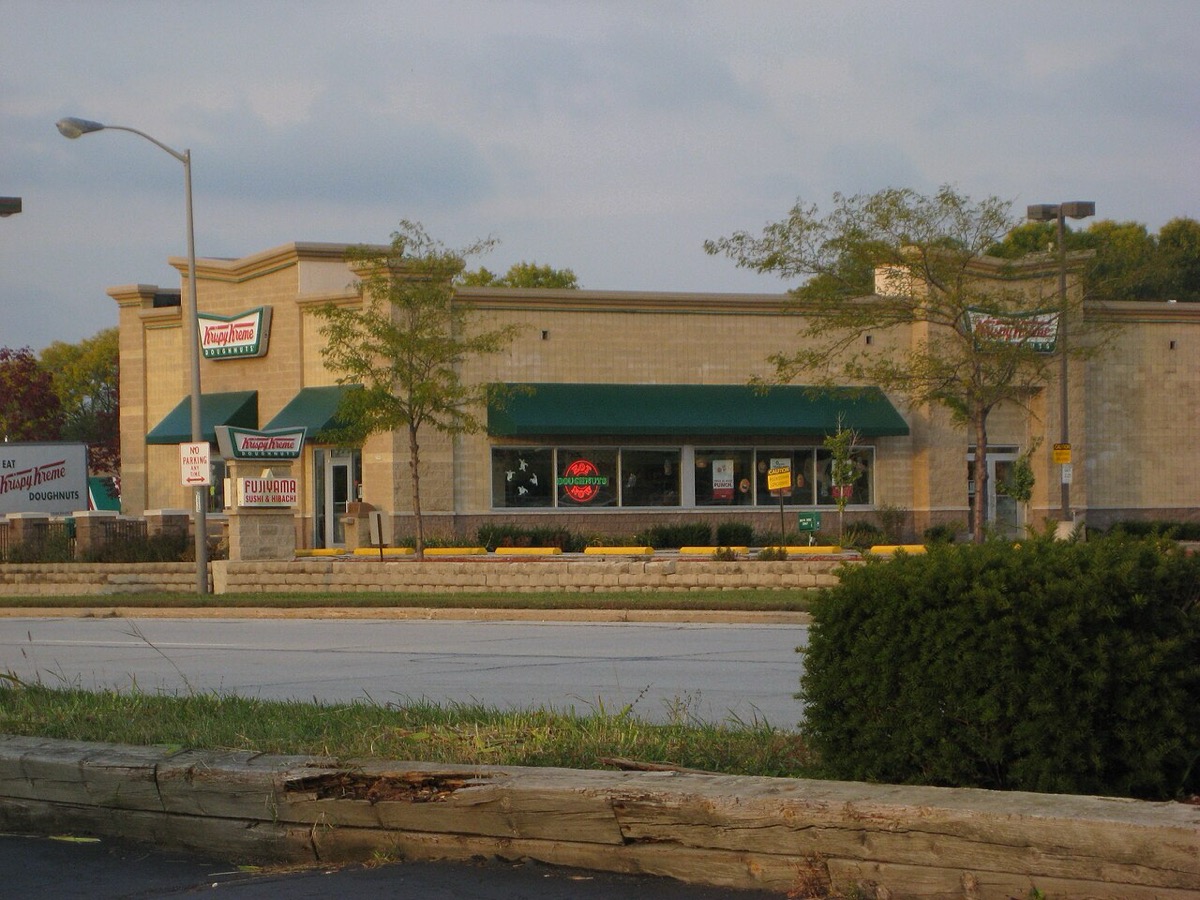
The "Hot Doughnuts Now" neon sign meant fresh Original Glazed were rolling off the line right now, and you pulled the car over. In the early 2000s that ritual became a full national mania — lines around the block at every new store, a soaring stock, local news trucks at doughnut openings — until the bubble burst spectacularly. The doughnuts were always good; the craze was the stock.

The 'granola bar' that fooled exactly no one — a slab of chocolate, fudge, and candy in a wrapper that let your mom feel okay about it. Finding a Kudos in your lunchbox instead of a plain granola bar was a good day; the M&M's version was a great one.

Postage-stamp-sized strips that melted on your tongue in seconds and tasted like menthol fury in the best way. Launched in the US in 2001, they were an instant fad that made TIME's Best Inventions of 2002 list — in every drugstore and backpack until the craze cooled and left them oddly still around forever.

The pizza chain where "Pizza! Pizza!" wasn't just a slogan—it was a promise: two for the price of one. The 1990s ads turned a toga-wearing mascot and his spear into a playground catchphrase, and Hot-N-Ready eventually redefined carryout pizza night.
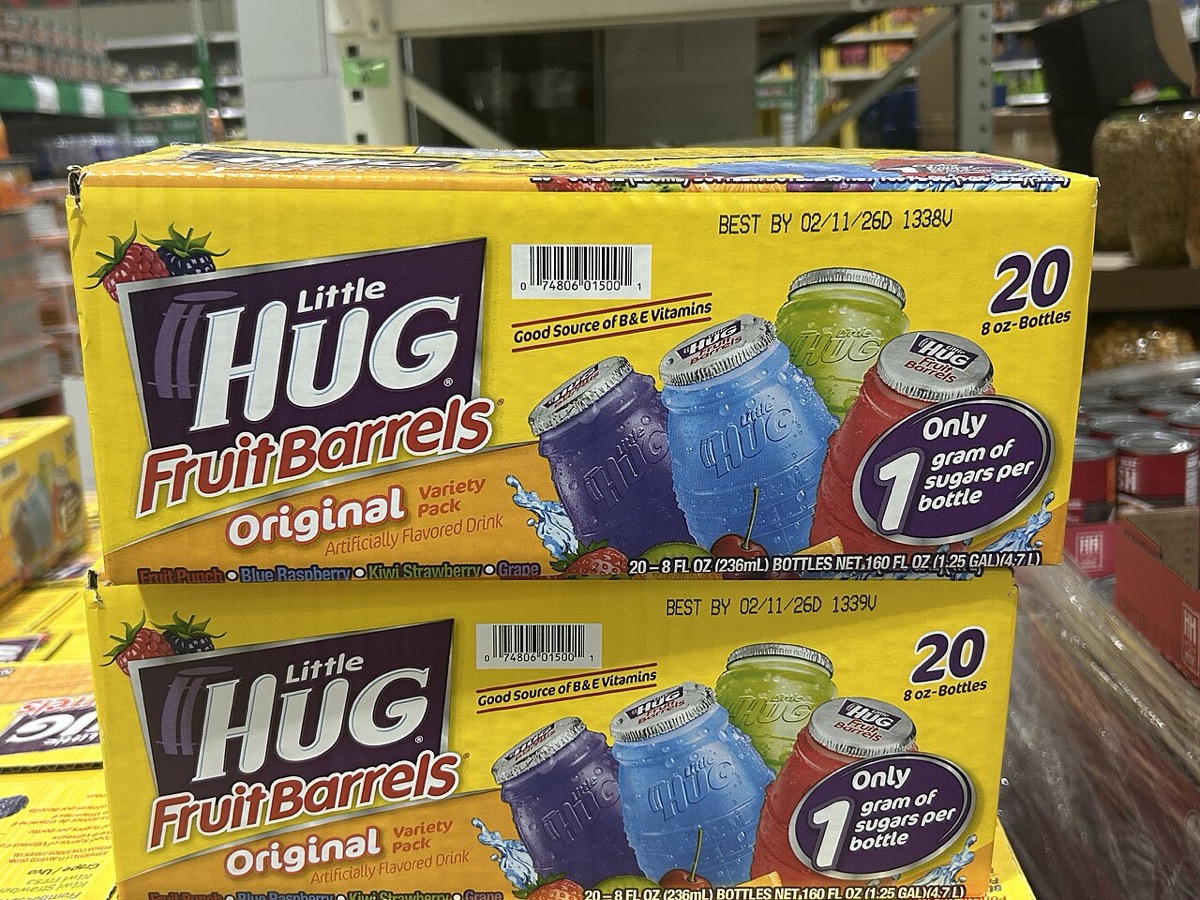
The little plastic barrel with the foil top you stabbed with whatever was handy, full of liquid that was some color more than it was some flavor. Little Hugs were stacked by the case at every corner store and cooler, cost pocket change, and tasted like summer vacation.

You ate the cereal for the marshmallows and everyone knew it — the oats were just the obstacle between you and a final spoonful of pure marbits. A 1964 General Mills invention that every 90s kid claims as their own, complete with the tagline nobody ever had to look up: they're magically delicious.
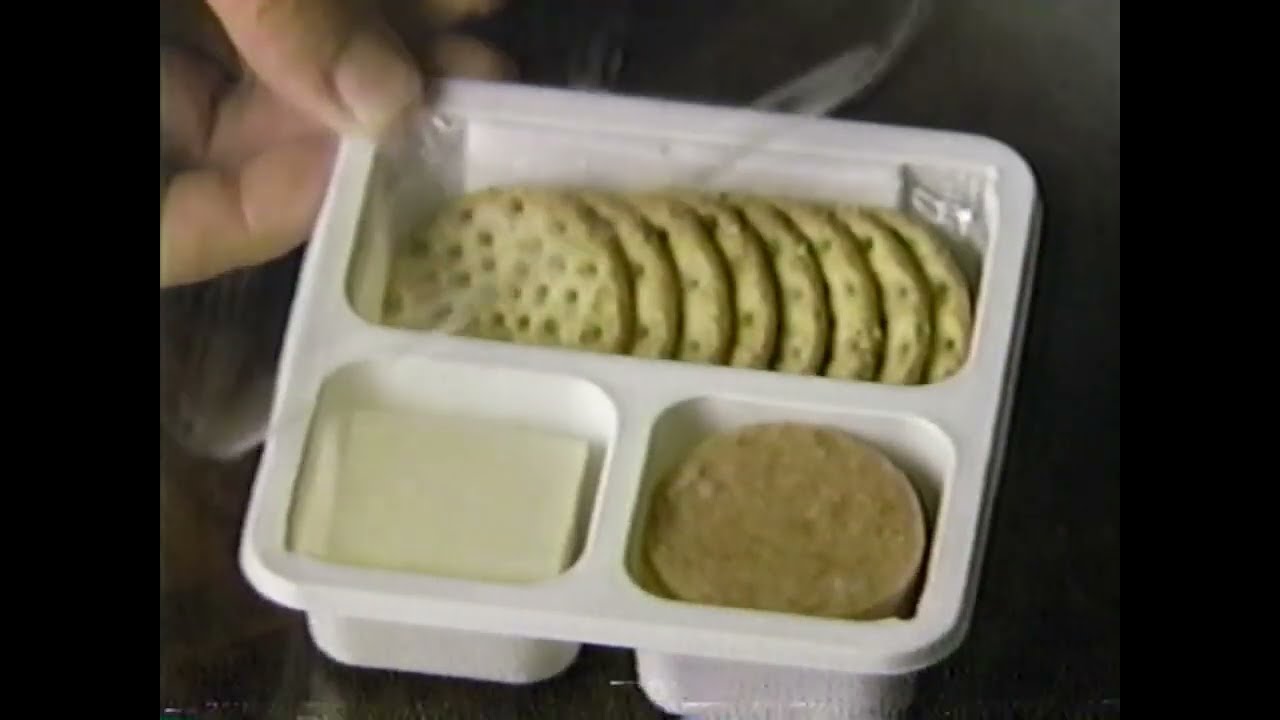
Prepackaged lunch trays where kids assembled their own mini-sandwiches from stackable crackers, meat slices, and cheese. The appeal was autonomy — you were in charge — making Lunchables a 1990s lunchbox status symbol that transformed eating from a chore into an activity.
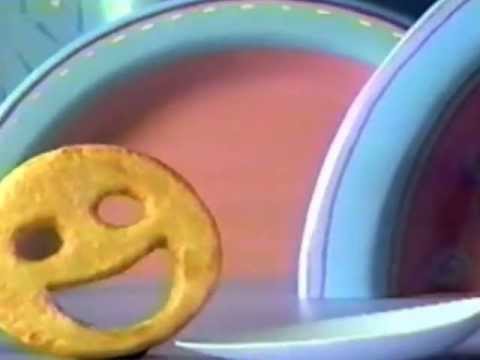
The smiley-face potatoes: crispy mashed-potato discs with two punched eyes and a grin, beaming up from a million cafeteria trays. On Smiles day, the hot-lunch line moved a little faster.

Two double cheeseburgers for $2—the economic lifeline of broke teens everywhere. McDonald's launched an entire era on a single strategic bet that cheap meant survival.

A crispy chicken strip, lettuce, shredded cheese, and ranch in a soft tortilla, engineered for one-handed drive-thru eating. Discontinued in 2016 — and mourned so loudly for so long that McDonald's finally surrendered and brought it back.

A breakfast sandwich that divided people instantly: bacon, egg, and cheese between two maple-flavored griddle cakes with syrup crystallized inside the bread, each embossed with the McDonald's logo. Launched in 2003, it was sweet, savory, and unapologetic — and more than twenty years later it's still on the menu, still dividing opinion.

Minor social catastrophe? Eat a Mentos. Roll across a freshly painted bench, hijack a tablecloth, climb through a stranger's car — then flash a thumbs-up at the camera. The Freshmaker ads were so gloriously wrong they became one of the most beloved things on 90s TV.

A bowl of cereal impersonating a candy bar: two cereal layers with a white "milk" cream stripe through the middle, eaten with your hands in the back seat. For a few years in the early 2000s they were everywhere — lunchboxes, gas stations, vending machines — and then they quietly weren't.
The cherry-red Mountain Dew that felt genuinely edgy in 2001 — a new flavor, a darker can, and a tongue-staining color that made regular Dew look tame. It was the drink of LAN parties and late-night gaming.
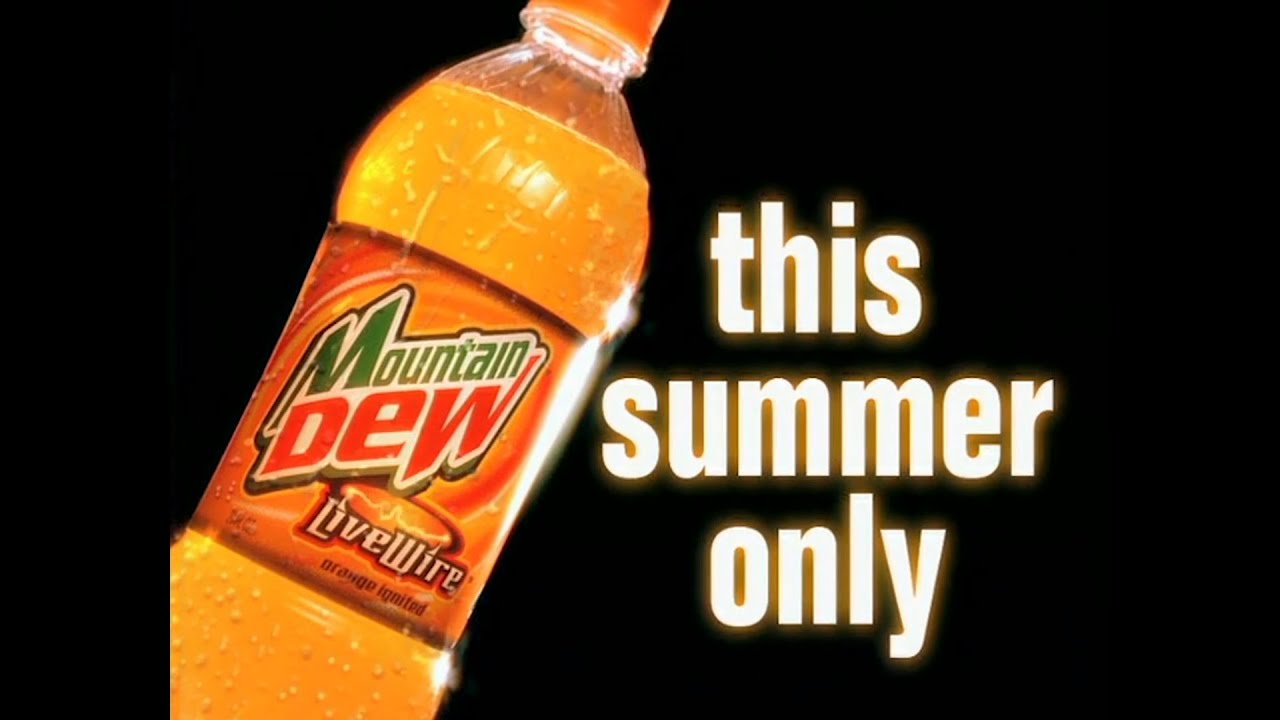
The orange Dew that only existed between Memorial Day and Labor Day. Two summers of "get it before it's gone" panic-buying later, PepsiCo surrendered and made LiveWire permanent in 2005.
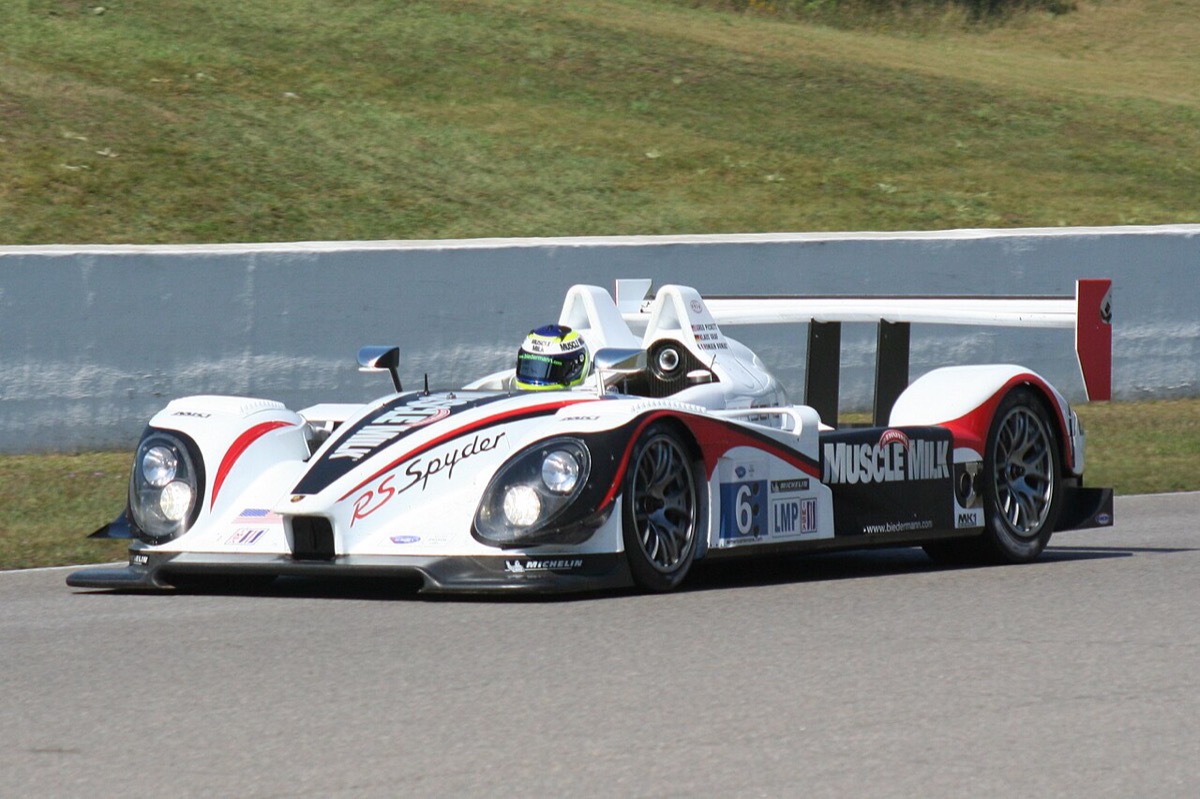
The chalky-sweet protein shake that lived in every 2000s gym bag, GNC aisle, and locker room — with the all-time-great fine print: Muscle Milk contains no milk. The name said milk, the label said otherwise, and eventually the FDA had thoughts.

A rope of soft gummy armored head-to-toe in crunchy Nerds. The texture contrast was the entire point — gummy squish, candy crunch, one bite after another. Lunchroom currency: you traded them, dangled them, bit straight across.

The yellow container of brown powder that turned ordinary milk into an event. Nestlé Quik was the after-school alchemy kit of American childhoods — two heaping spoonfuls (never the suggested amount), a storm of stirring, and that layer of sludge at the bottom you ate with the spoon. In 1999 the name on the label changed to Nesquik, and a small piece of the 20th century quietly ended.
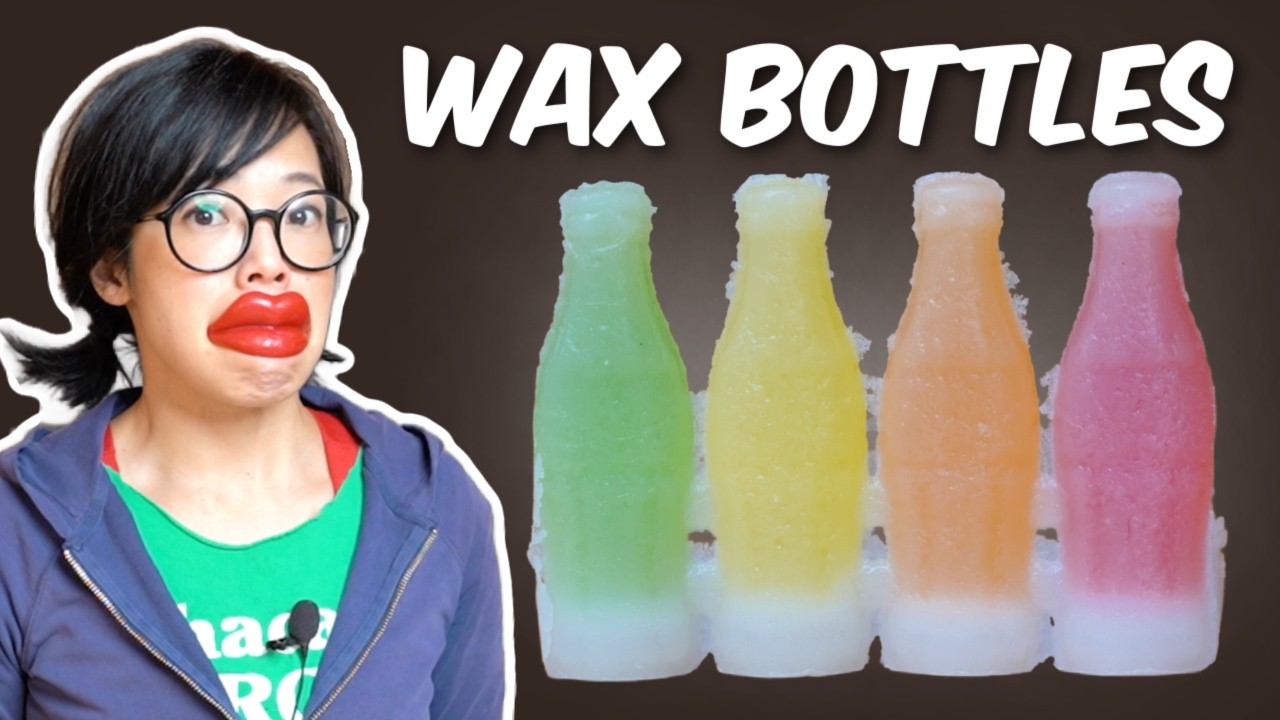
Tiny wax bottles filled with a swallow of sweet, fruit-flavored syrup. You bit the top off, drank the little sip inside, and then — the part that made no sense and everyone did anyway — chewed the leftover wax like gum.
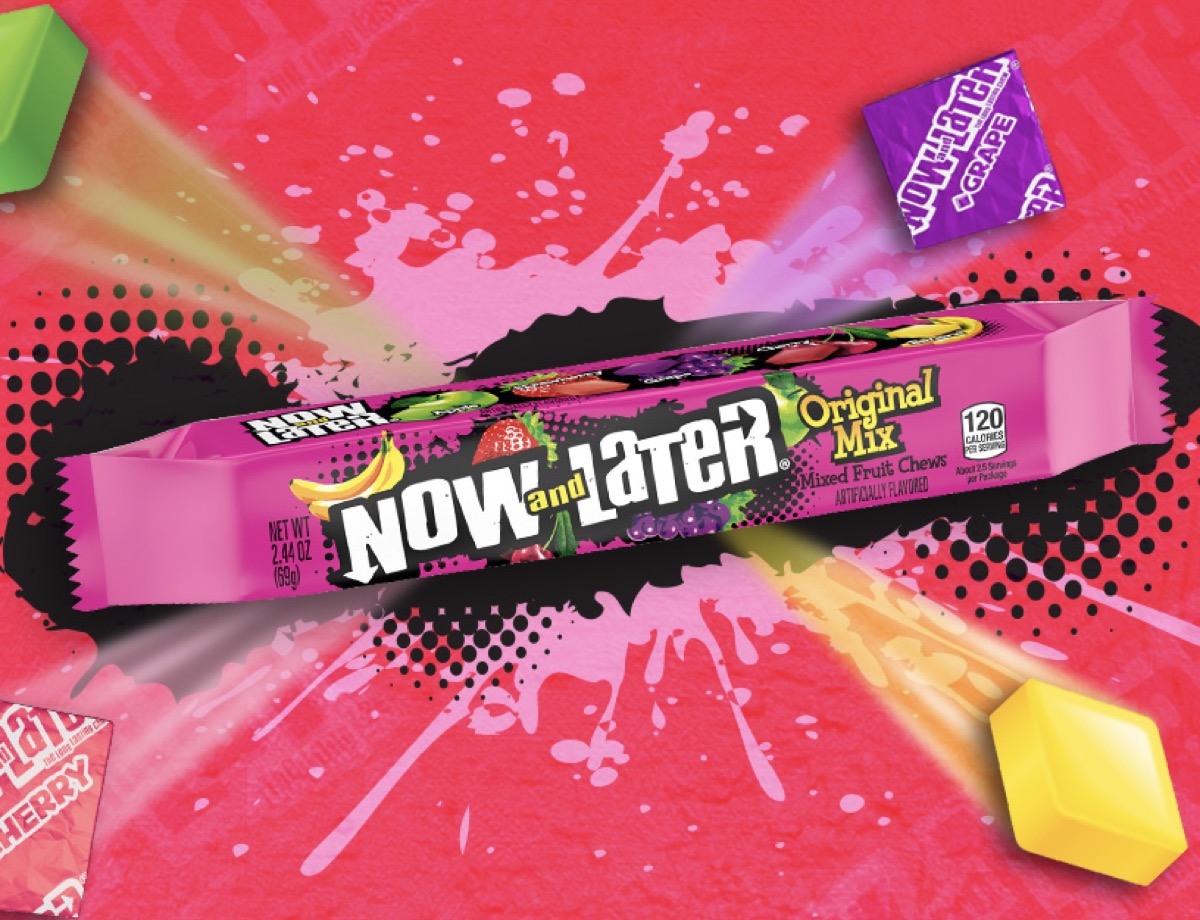
The corner-store fruit squares that started out jaw-breakingly stiff and only gave in after honest work — think Starburst, but way harder. The name was the sales pitch: eat some now, save some for later. Whether any kid ever actually saved some is another matter.
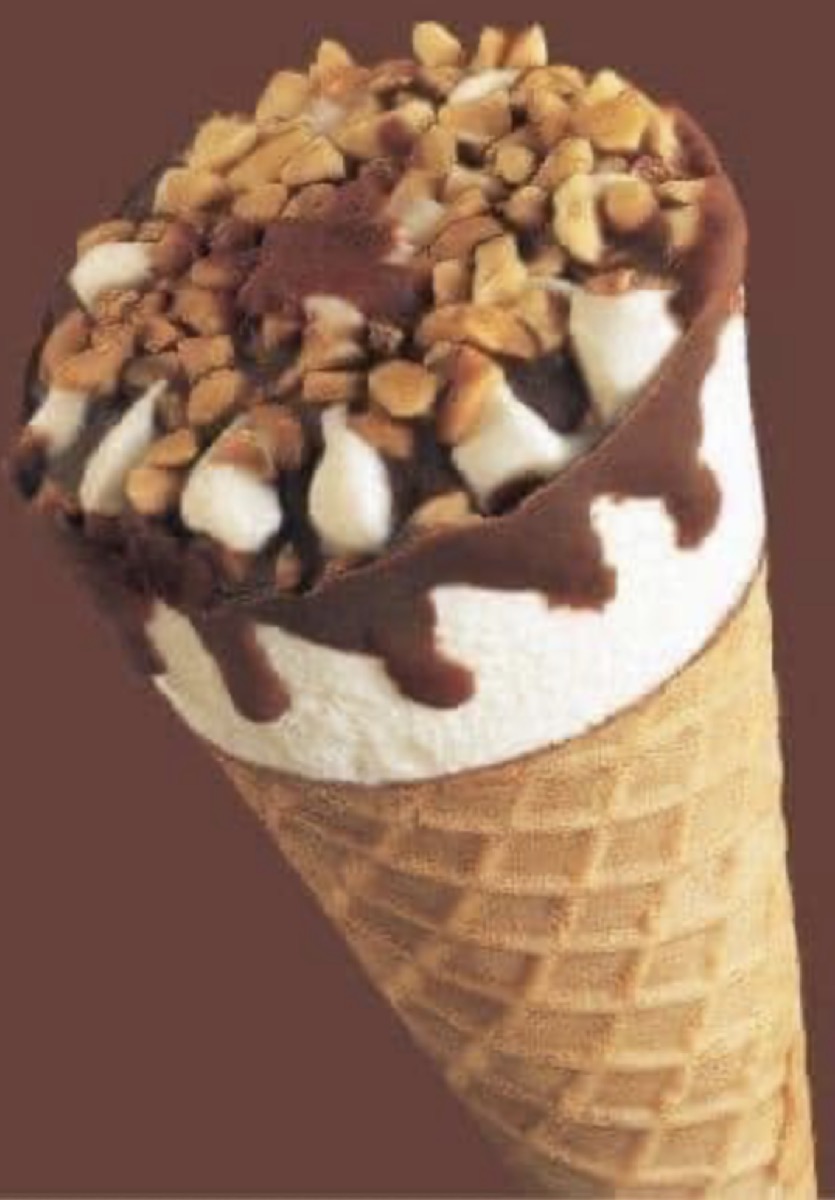
A sugar cone filled with vanilla ice cream, sealed in chocolate and studded thick with peanuts. Sold from ice cream trucks, corner-store freezers, and grocery multipacks. The peanut layer crackled when you bit into it; everyone had a story about where it came from, and nobody's story was quite right.

Coca-Cola's aggressively ironic mid-'90s experiment: a soft drink built on market research showing that "OK" was the most recognizable word on Earth. The gray neo-noir cans were illustrated by alternative-comics artists Daniel Clowes and Charles Burns, the slogan promised only that "Things are going to be OK," and the whole thing was dead within a year.
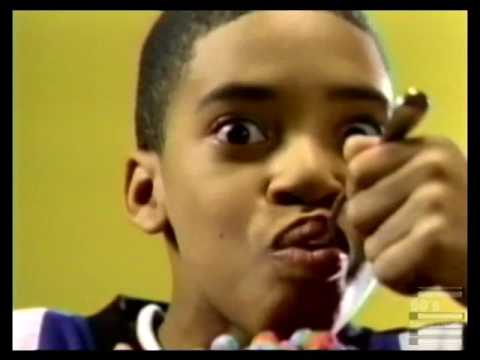
The factory 'goofed,' and every kid in America hoped it would goof forever. In 1997 Cap'n Crunch shipped a box with none of the yellow corn squares and nothing but Crunch Berries — the cereal-aisle equivalent of a dessert with the vegetables removed.

A frothy orange drink in a paper cup, sipped while your mom shopped. Orange Julius was a 1920s Los Angeles sidewalk invention that spent its later decades meaning exactly one thing: the mall food court.

The 'potable lava lamp' — a clear fruit drink with little colored gel balls eerily suspended throughout the bottle. It looked incredible on the shelf, tasted divisive, and vanished almost as fast as it appeared.
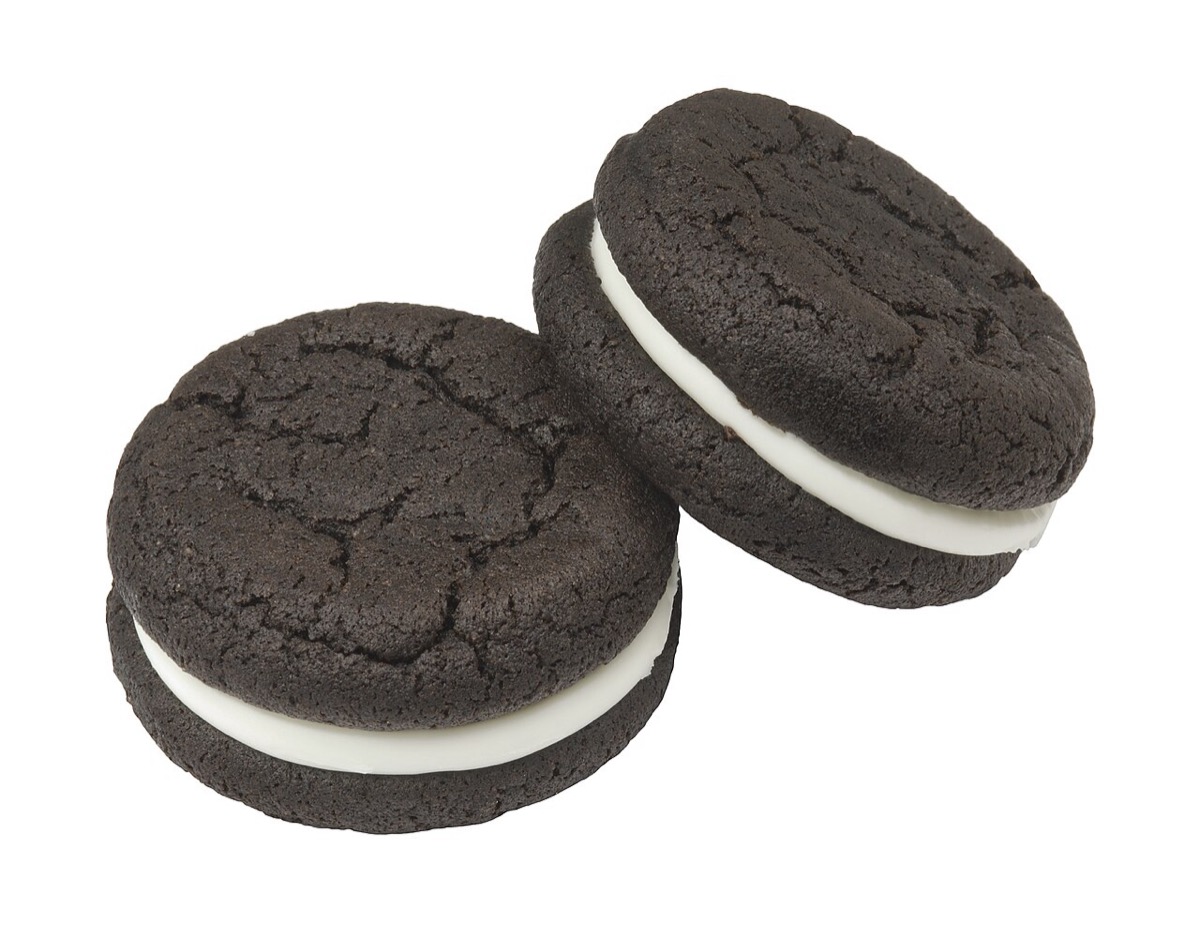
The soft, squishy lunchbox Oreo — two chocolate snack cakes around the familiar white creme — that lasted five years, vanished in 2012, and got mourned so hard Nabisco finally brought it back a decade later.

Cookies for breakfast, officially sanctioned. Post's Oreo O's were little chocolate cereal loops flecked with cream that turned the milk a chocolatey brown — and then, one day, they vanished, becoming one of the most mourned discontinued cereals of the era.
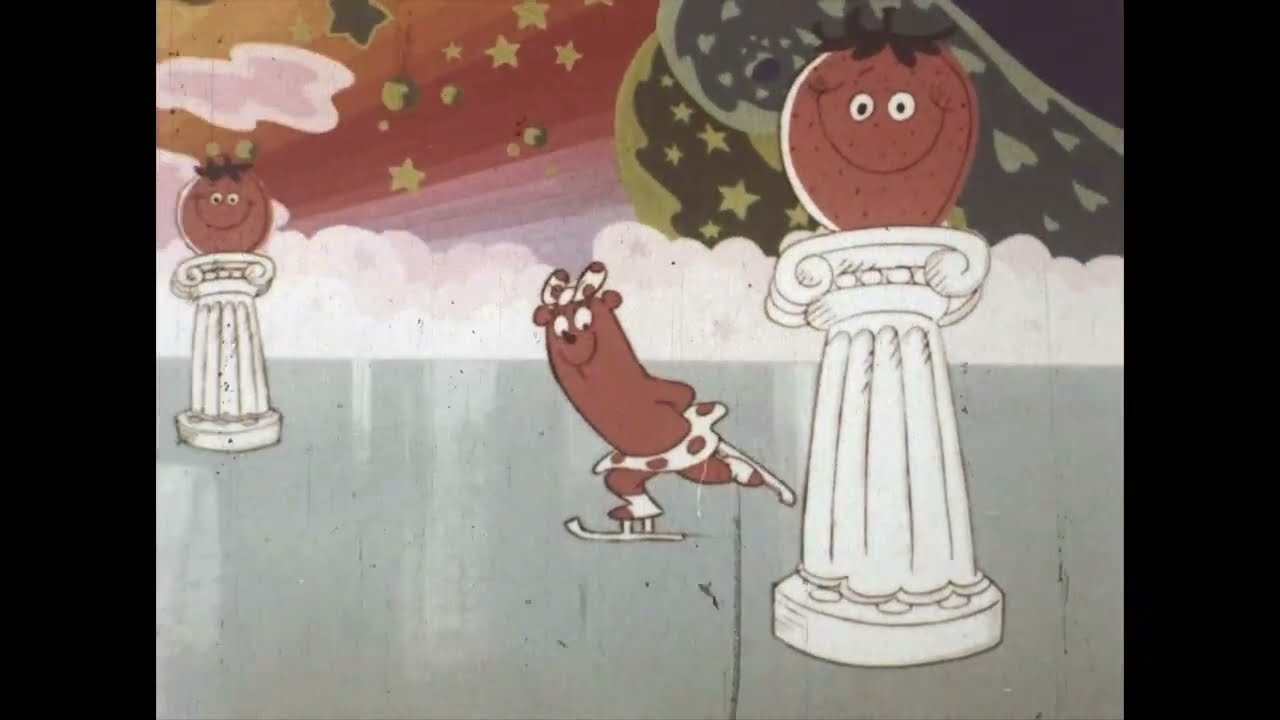
Neon sugar-water in a plastic sleeve, frozen solid and scissored open by a parent — then argued over by flavor mascot: Louie-Bloo Raspberry, Alexander the Grape, Sir Isaac Lime. The unofficial currency of 90s summer.
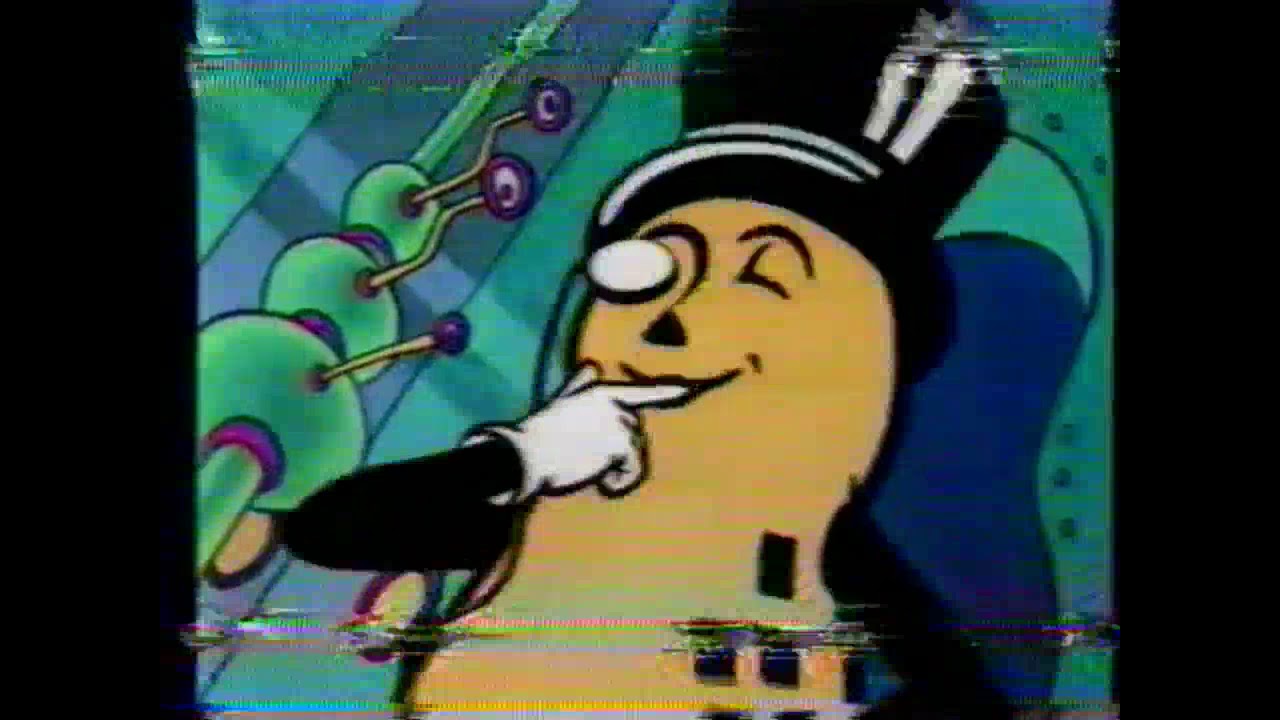
A snack that lived in the middle ground between a cookie and a candy bar: a graham-cookie shell shaped like a peanut, filled with peanut-butter creme, and gone too soon. Planters' PB Crisps captured their moment so perfectly they became permanently regretted.

Mars's turn-of-the-'90s creation: a square of whole-grain cookie topped with creamy peanut butter, enrobed in milk chocolate studded with crunchy cookie bits. It became legendary not for its sales — which were solid — but for the family politics behind its disappearance.
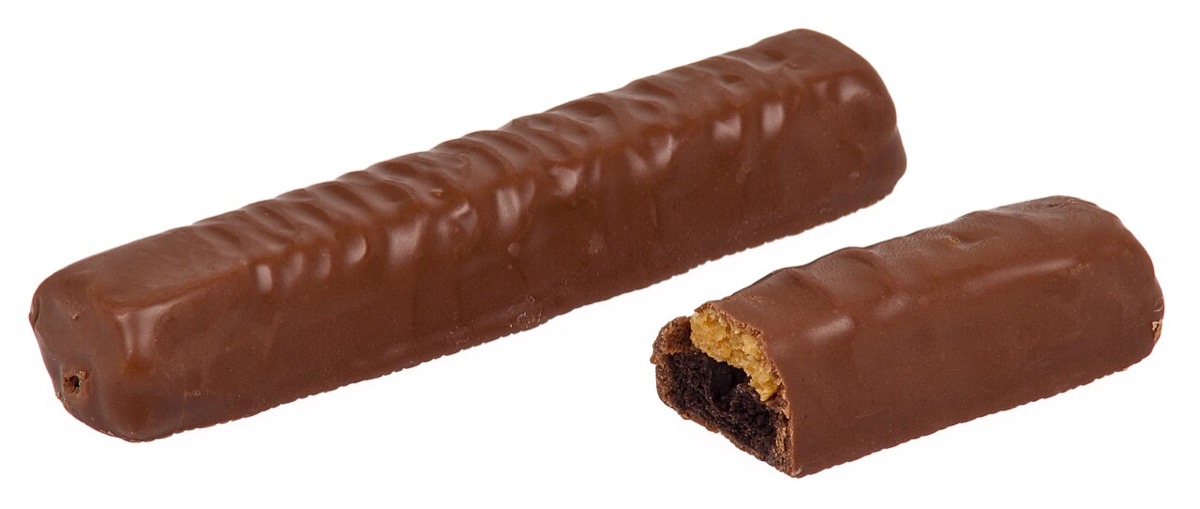
The chocolate-and-peanut-butter version that proved the eternal Twix schism was real. It arrived in the '80s, ruled the '90s, then vanished — only to remind a generation just how much they missed it. For some, the peanut butter layer where the caramel should be is the only Twix that matters.
Fruity Pebbles and Cocoa Pebbles — the crispy-rice cereal fronted by Fred and Barney, with commercials built entirely around Barney's schemes to swipe Fred's bowl. "Yabba-Dabba-Delicious!" and, inevitably, an outraged "Barney! My Pebbles!"

The electric-blue, berry-flavored soda PepsiCo pushed with a huge early-2000s marketing blitz — Britney-era ads, Papa Roach tie-ins, and a taste somewhere between cotton candy and berry. Gone by 2004.
Pepsi with a shot of lemon and a yellow spiral on the label — the cola aisle's big swing of the early 2000s. Britney Spears sold it, the Osbournes sold it at the Super Bowl, and by 2006 it was gone from American shelves.
The red-roof restaurant where you sat in a booth under Tiffany lamps, ordered a Personal Pan Pizza, and cashed in your Book It! certificate for a free one — Pizza Hut was where childhood occasions happened. The dine-in empire nearly disappeared as the chain pivoted to delivery.
Two square feet of rectangular pizza cut into 21 slices — Pizza Hut's largest product and its loudest shot in the '90s value-pizza war. Even the marketing was oversized: the Bigfoot advertising blimp crashed onto a Manhattan apartment roof during the pizza's 1993 launch summer.

A calzone the size of your face, engineered to pack 1,220 to 1,560 calories and up to twice your daily sodium—the 2000s fast-food arms race distilled into one folded, sealed, gloriously indefensible package. Pizza Hut's P'Zone was the broke teen's manifesto: why choose between pizza and a calzone when you can have both and explode.

The movie-memorabilia restaurant chain backed by Stallone, Schwarzenegger, Willis, and Moore — where you ate burgers under a display case of screen-worn props. Planet Hollywood was 1990s celebrity capitalism served with a side of fries.

The fizzing candy that sparked an urban legend and somehow survived it. Pop Rocks were an instant hit in the '70s — until rumors claimed they'd explode your stomach if mixed with soda. The myth was completely false, but it didn't matter: by the '90s, the legend was half the reason kids wanted them.
Frosted, sprinkled rectangles of fruit or fudge that you toasted (or, honestly, ate straight from the foil). Kellogg's toaster pastry was a lunchbox and after-school staple — and in the '90s it even jumped into the cereal bowl.

The saddle-shaped chips stacked in a tall cardboard tube, guarded by the mustachioed face of Mr. P. Technically not even a "potato chip," Pringles were engineered to stack perfectly — and the 90s "Once you pop, you can't stop" campaign made the can a snack-aisle icon.
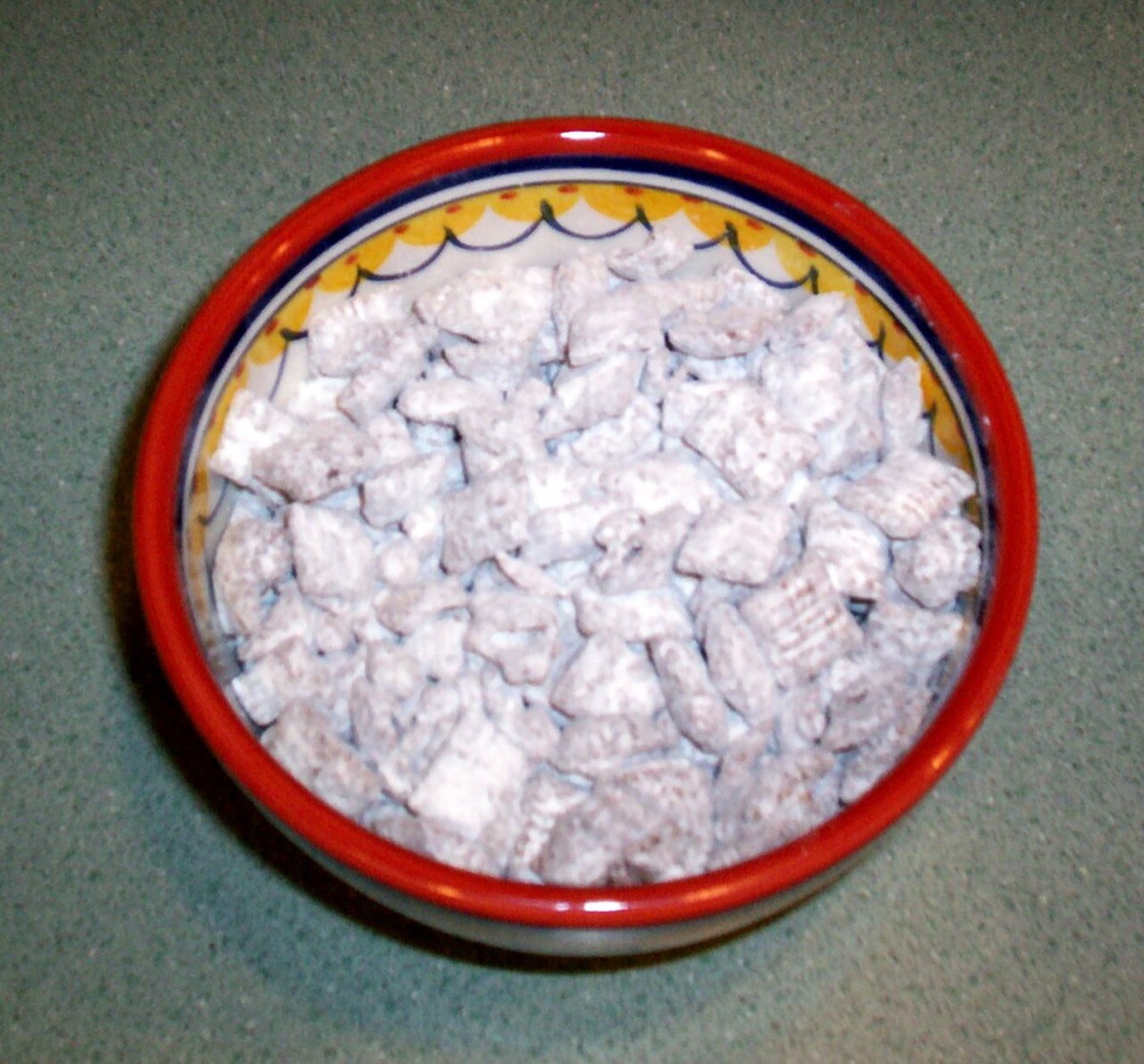
Chex cereal drowned in melted chocolate and peanut butter, shaken in a bag of powdered sugar until every piece looked like a tiny snowdrift. Made by the mixing-bowlful for sleepovers, bake sales, and Christmas tins — and yes, it really does look like dog food. That was the joke.

The lollipop you didn't have to finish: push it up, lick it sticky, cap it, and slide it back into your pocket for third period. Topps' retractable candy cylinder was half treat, half gadget — and the cap made it feel like contraband you were licensed to carry.

The toasted-sub chain that ran your sandwich through an oven — and ran the most bewildering ad campaign of 2004, a pair of shrieking rodent-things called the Spongmonkeys singing "We love the subs." Quiznos was Subway's hot-pressed rival before it collapsed.

The Chips Ahoy! variant where the chocolate chips wore candy shells — rainbow-colored, mini-M&M-style — turning Nabisco's flagship cookie into a lunchbox event. TV commercials survive from around 1990 and 1993, proving it existed, but Nabisco never documented a launch or discontinuation date. At some point after its 90s run it quietly vanished from US shelves with no press release, no farewell.

Peanut butter and chocolate at the breakfast table — the transgressive thrill of eating a Reese's Cup and calling it cereal. It launched in 1994 as Reese's Peanut Butter Puffs, and every kid who poured a bowl understood exactly what they were getting away with.
Kellogg's turned the marshmallow rice treat into a breakfast cereal: presweetened clusters that tasted like the bake-sale bar. Add milk and watch it turn to liquid nostalgia. A dessert officially sold as breakfast.

The giant faceted candy gem you wore on your finger all recess — jewelry you were allowed to lick. Invented to break one kid's thumb-sucking habit, it became the engagement ring of every 90s playground.

The enormous rectangular slab of pizza under the heat lamp, sold by the slice from a counter with a guy waving you over. It was the food court's default answer to "what do you want," and the slice was always bigger than the paper plate it came on.

Betty Crocker's Scooby-shaped fruit snacks in the purple box — the character fruit snack of the 2000s lunchbox. The opaque sky-blue Scooby was the piece everyone wanted, and yes, the old ones really did taste different: the recipe changed in 2015, and fans have never forgiven it.
The ice cream truck treat with a surprise at the bottom: a conical cup of ice cream hiding a bubble-gum ball down at the point of the cone. Eat your way to the bottom, then keep chewing.

A pouch of shark-shaped fruit snacks where the opaque, chalky-white great white was the crown jewel of lunchbox currency. Hammerheads, makos, tiger sharks — fine, whatever. Everyone knew which piece actually mattered, and everyone had a trade ready for it.

The neon slush from the 7-Eleven machine, half drink and half dare: how fast could you pull on the straw before the brain freeze hit? Every summer bike ride to the corner store ended the same way — blue tongue, sticky hands, no regrets.

Neon syrup and soft pellet ice from the countertop machine at the convenience store, the skating rink, the community pool — anywhere a kid had a dollar. The cup had a puppy in a knit hat on it, and if you saved enough of them, prizes.

The iced-tea and juice-drink brand that defined 1990s refreshment, served in a distinctive glass bottle with a metal cap (the famous "Real Facts" printed under the lid didn't arrive until 2002). That satisfying pop when you opened it, the quirky trivia, and flavors like peach and raspberry made Snapple a generational memory.

Snapple's short-lived line of exotic-flavored drinks in tall, tinted-glass bottles with element-themed names. The original four flavors—Fire, Sun, Rain, and Earth—made them feel like a more sophisticated, grown-up version of regular Snapple, and the distinctive glass bottles made them a status symbol at school.

Glass bottles with an embossed lizard, promising mystery potions brewed from ginseng, guarana, and ginkgo — words that meant nothing and sounded exactly like what the future was supposed to taste like. SoBe owned the gas-station cooler at the turn of the millennium, proof you were clued into something cooler than Gatorade.

Sour then sweet: a gritty coat of citric and tartaric acid that made your whole face pucker, then a soft gummy kid underneath as the apology. The 90s schoolyard sour-candy arms race arguably starts here.
Regular Skittles under a grainy sour-sugar coating that genuinely shredded your tongue if you finished the bag — and everyone finished the bag. The green-and-yellow pouch turned the candy aisle's safest brand into a dare.

Neon-orange pasta rings eaten straight from a bowl with a spoon — a 1965 invention that every 90s kid assumes belongs to their own childhood. The ring beat out cowboys, astronauts, and stars for the job, and the jingle promised exactly what it delivered: the neat round spaghetti you can eat with a spoon.

The tart candy discs that came rattling out of every bowling-alley and skating-rink vending machine in the 90s — a roll of fruit-shelled dots that outlasted a few games or a few laps around the rink. A mid-1960s invention that a later generation claimed completely.

General Mills' star-shaped cereal, every piece coated in multi-colored sprinkles like a birthday cake you were allowed to eat for breakfast. Pitched by a genie who granted exactly one wish: more sprinkles.
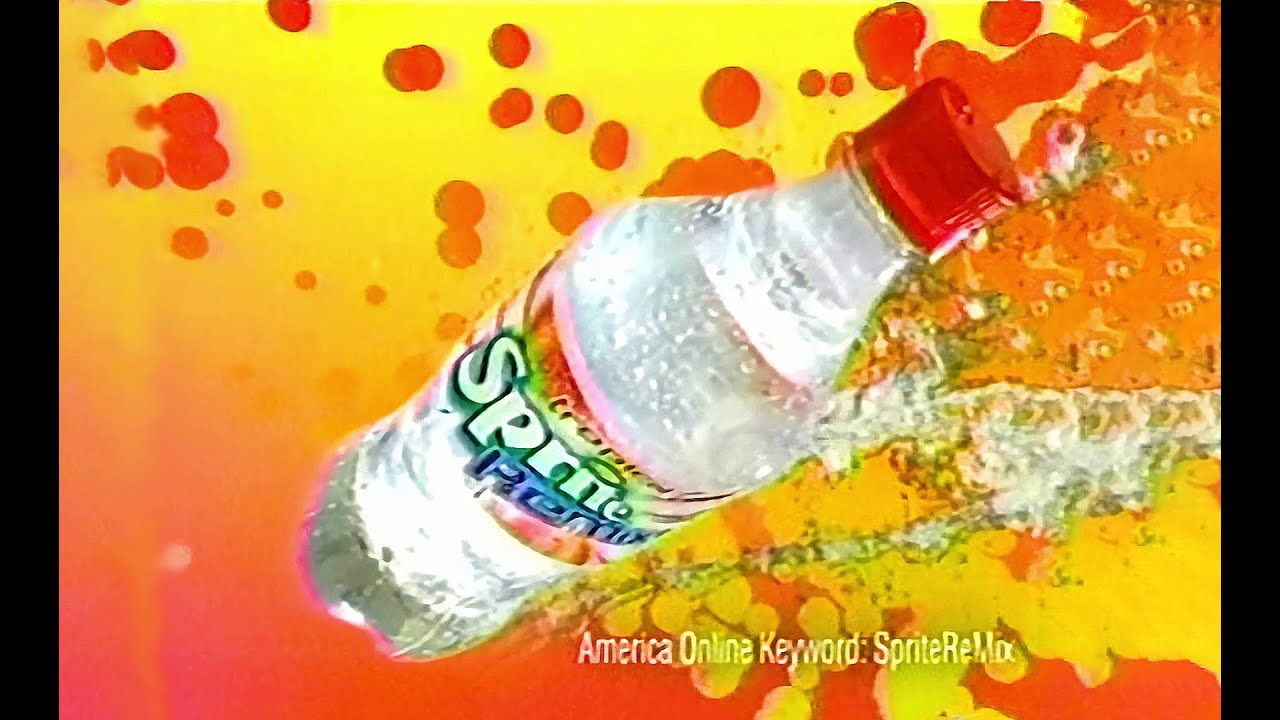
Remember when Sprite messed with its own formula and made something genuinely weird — colorless fruit sodas that looked exactly like the original but tasted like a flavor explosion? Sprite Remix was the early-2000s novelty soda that escaped being a joke and became the one kids actually mourned when it disappeared.

A neon fruit drink in a soft plastic bottle you squeezed straight into your mouth, twist cap and all. Squeezit made a beverage into a toy — and its cartoon-faced bottles were lunchbox icons before it vanished in 2001.
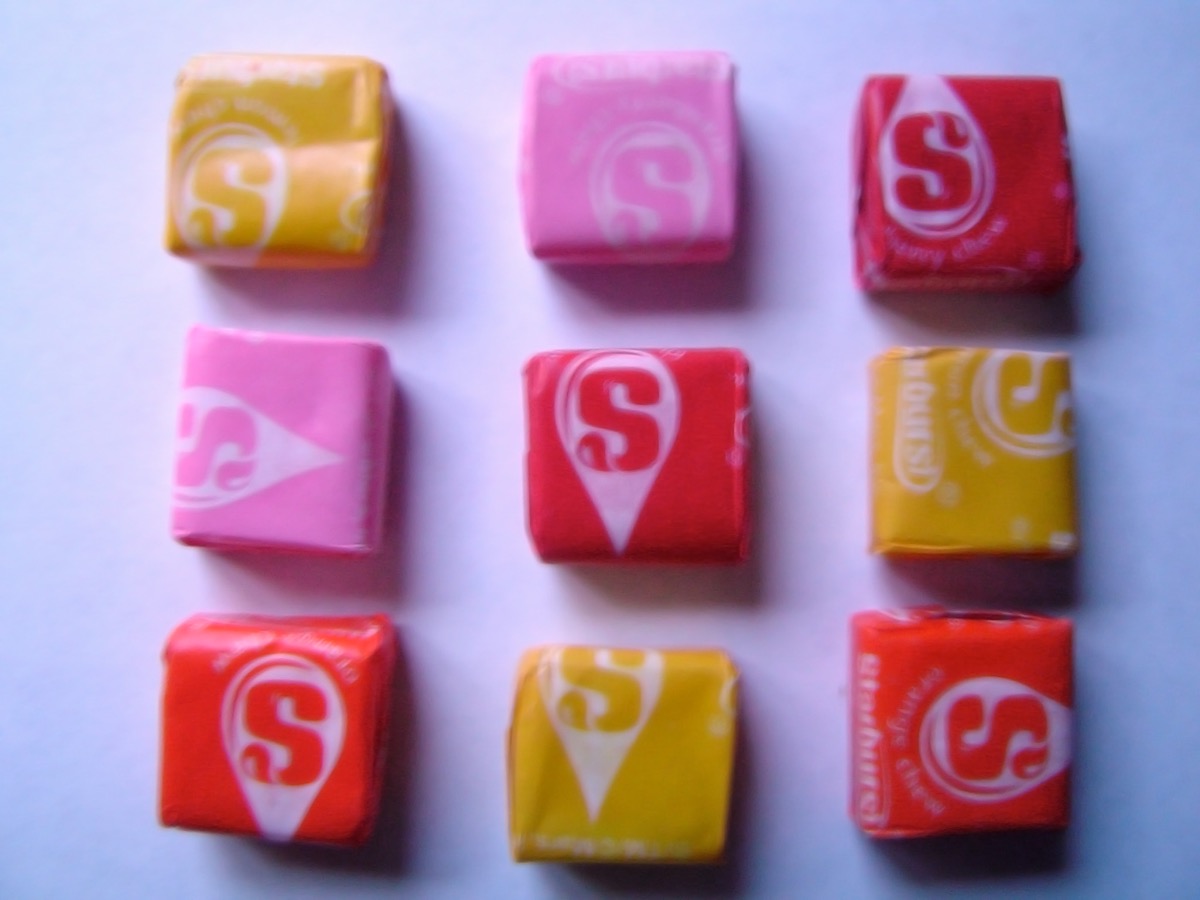
Juicy square fruit chews in individual twist wrappers, with a transatlantic double identity — Opal Fruits in Britain, Starburst in America — and a lunchroom economy all their own, in which pink was a personality trait and the wrappers became origami.

The lunchbox mozzarella log with one sacred rule: you peel it. Strip by satisfying strip, dangled and nibbled until the last stub — and everyone knew that one kid who just bit into it whole like a monster.
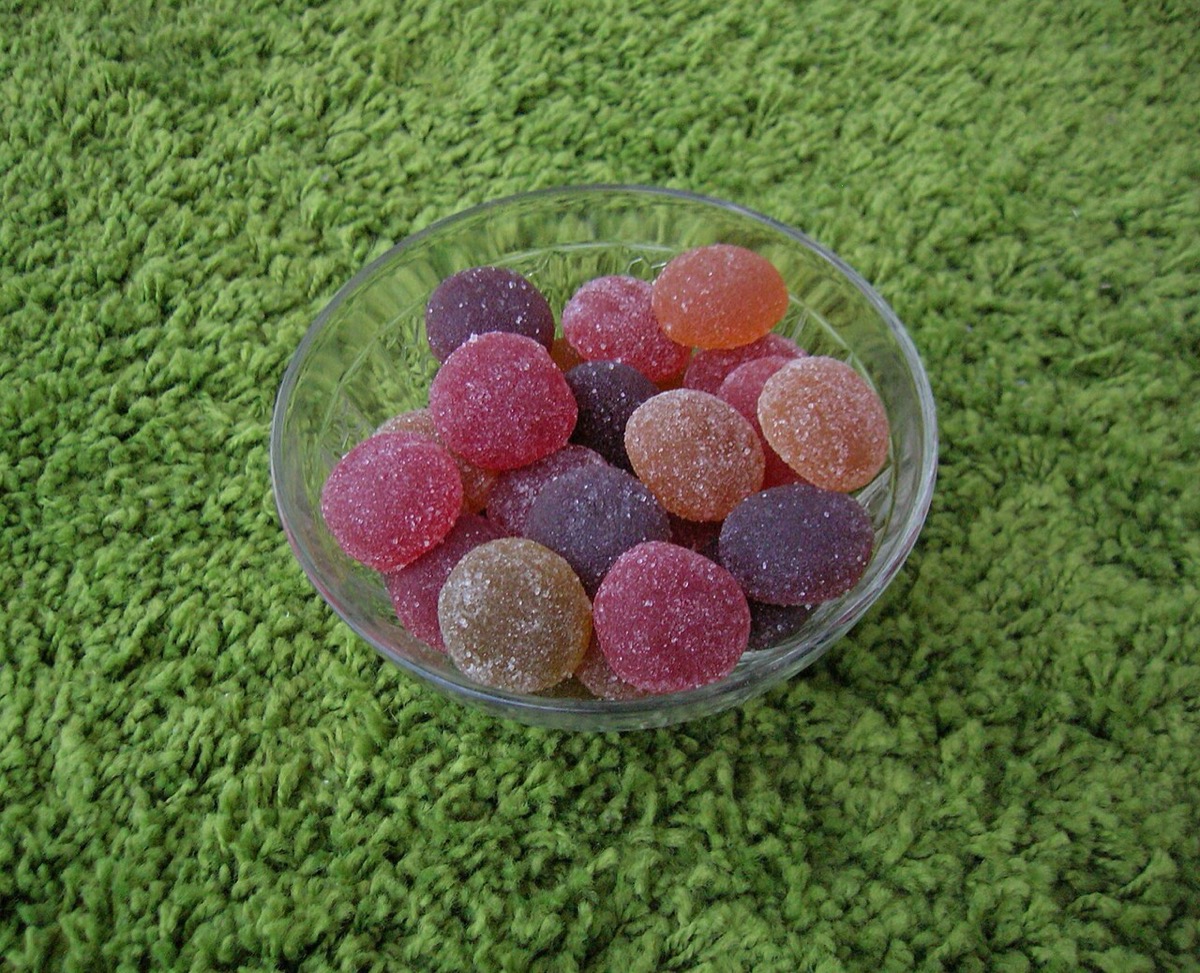
Sugar-dusted pectin jelly squares in individual wax-paper twists — lemon, orange, grapefruit, raspberry, lime — equally at home in a deli-counter jar, a grandparent's candy dish, and a synagogue. The recipe descends from Christopher's Fruit Gems, the signature candy of Southern California's oldest candy company. Thrown at bar and bat mitzvahs for decades: soft enough not to injure, festive enough to 'sweeten' the occasion, and a genuinely airborne childhood memory for a whole community.

The fluorescent orange juice drink that tasted like the sun and lived in every 90s fridge door. The ads where kids rejected "the purple stuff" are permanently burned into your memory.
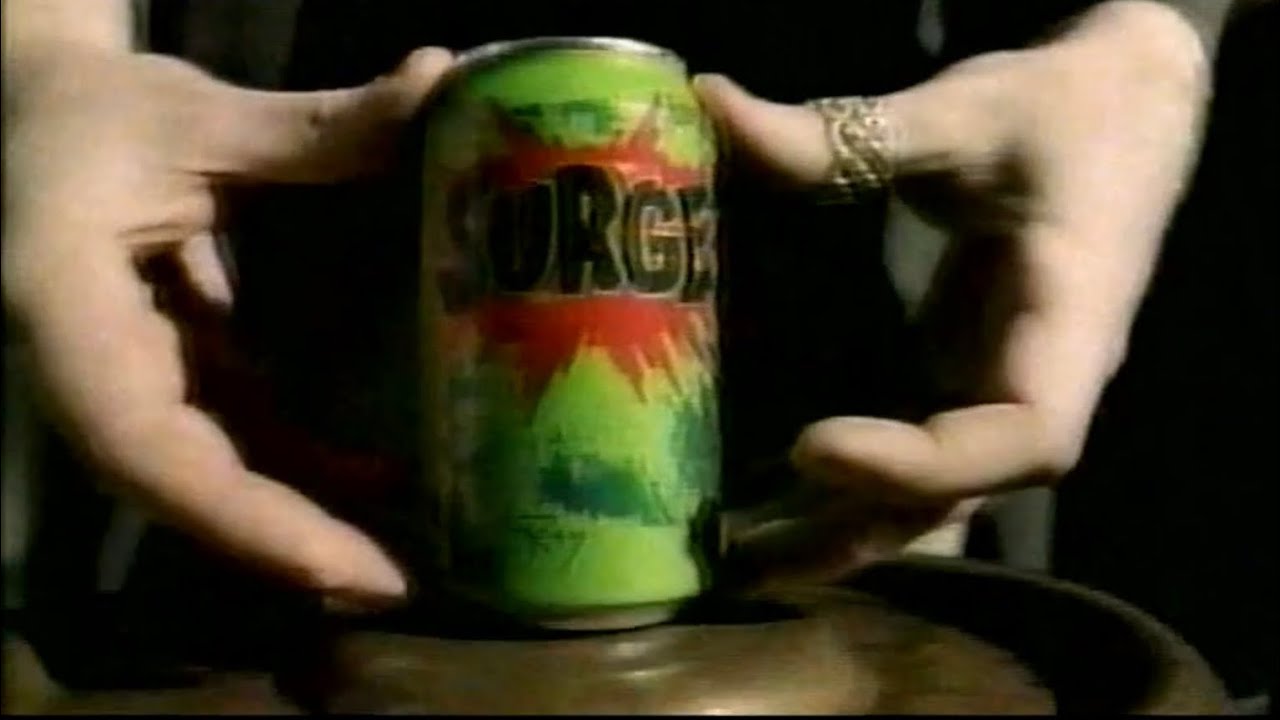
Coca-Cola's aggressively marketed neon-green citrus soda that positioned itself as the extreme-sports answer to Pepsi's Mountain Dew. Heavy on caffeine and attitude, Surge fueled the mayhem marketing of the late 90s before vanishing from shelves in 2003 — only to surge back after a passionate fan movement brought it to Amazon in 2014.

The hot-pink can of Coca-Cola's first-ever diet drink — a saccharin-tart cola with a fanatically loyal following. Once the best-selling diet soda in America, TAB hung on for decades as a cult relic long after Diet Coke stole its crown.

TasteTations were Hershey's answer to Werther's Originals — creamy hard candies that arrived in the mid-1990s with a lineup of chocolate-inspired flavors: Chocolate, Chocolate Mint, Chocolate Raspberry, Chocolate Caramel, Caramel, Peppermint, and Butterscotch. Heavily promoted with TV spots and in-store samples, they were the candy that felt sophisticated and indulgent. Yet despite the hype, they couldn't survive the early 2000s and faded from shelves, leaving a devoted nostalgic following.

Keebler's 1985 answer to casual-dining excess: a thick, crunchy chip shaped like a baked-potato half and made with real potato skins — the loaded-skins appetizer, translated into a bag. Heavy and satisfying in a way regular chips could not match.

Tiny bear-shaped graham crackers, arms up or arms down, shaken out of the box by the fistful. Nabisco launched Teddy Grahams in 1988 in honey, cinnamon, and chocolate, and they immediately colonized every lunchbox, snack cup, and church-nursery cracker bowl in America — the rare 80s launch that feels completely 90s.
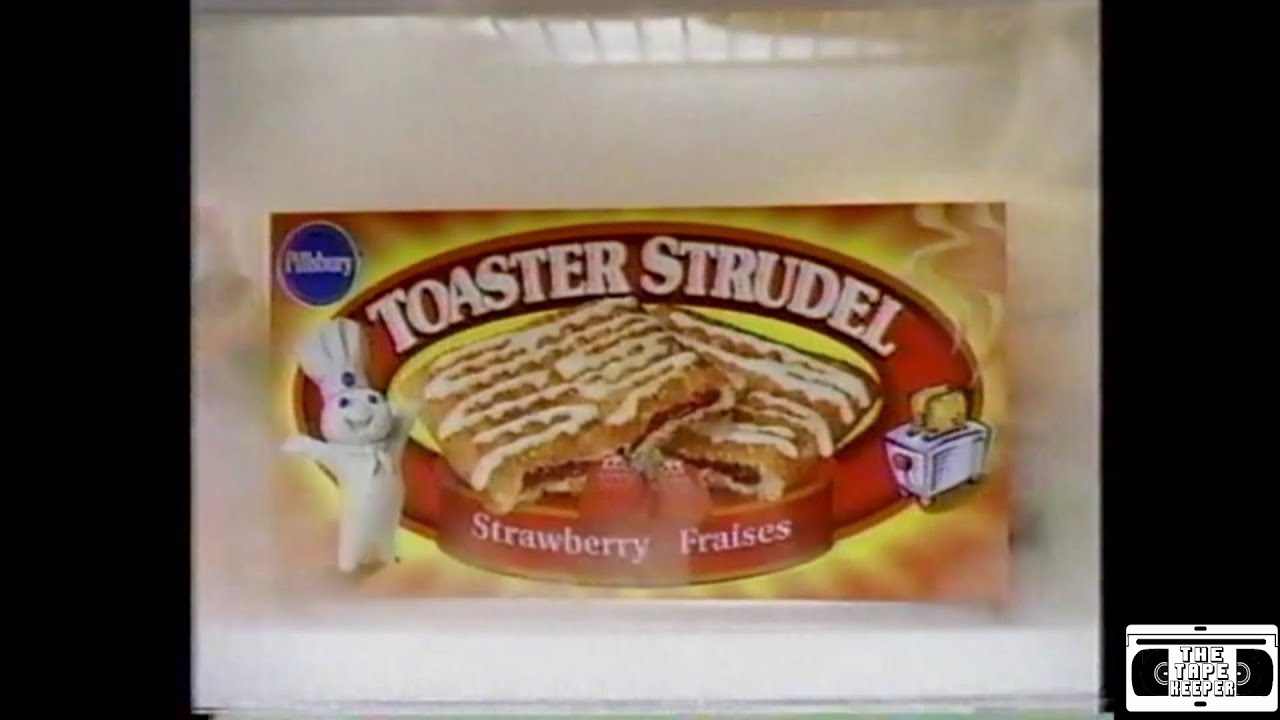
Pillsbury's frozen answer to Pop-Tarts arrived in 1985 with a flaky pastry and one stroke of genius: the icing packet you squeeze yourself. Initials, zigzags, your name in frosting — breakfast as art project. Then Mean Girls made Gretchen Wieners' father its inventor, and the pastry became permanent pop-culture canon.

Bubble gum whose entire point was dyeing your tongue neon — you chewed, you stuck your tongue out at your friends, that was the product. It came loose as gumballs and, most memorably, in a miniature paint can promising to paint your mouth "with a splash of color."

A sheet pan of molten pizza rolls after school: the first one always burned the roof of your mouth, and a "serving" was never fewer than fifteen. Born on egg-roll machinery in the mid-1960s, renamed Totino's in 1993, and permanently welded to the after-school hours of two decades of kids.

The sugarless gum that practically owned the drugstore checkout counter, and the slogan everyone can still recite: "Four out of five dentists surveyed recommend sugarless gum for their patients who chew gum." Trident had been around since 1960, but its color-coded flavors — spearmint, cinnamon, bubble gum — were a '90s pocket-and-purse staple.
![Video thumbnail — Recovered: 1994 Trix Cereal Commercial — "Silly Rabbit, Trix are for Kids!" [Rare VHS Rip]](https://i.ytimg.com/vi/8RBlqjEEm1s/maxresdefault.jpg)
The neon-bright fruity cereal and its eternally denied mascot — "Silly rabbit, Trix are for kids!" The Trix Rabbit spent decades scheming for a single bowl and never got one, making him one of advertising's most beloved lovable losers.

Two neon colors swirled in one cup, flavors like Raspberry Rainbow and Cotton Candy, and the Trix Rabbit scheming on the lid. Trix Yogurt made dairy look like candy, and every 90s lunchbox opened to reveal whether you were a swirl kid or not.
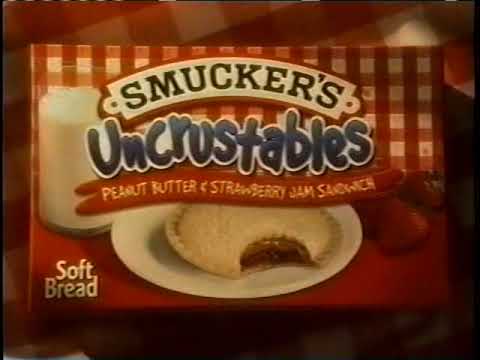
The round, crimped, crustless PB&J that conquered the 2000s lunchbox. Invented by two Minnesota dads in 1995, bought by Smucker's, and defended with an actual patent on the sealed crustless sandwich — still in freezers, bigger than ever.
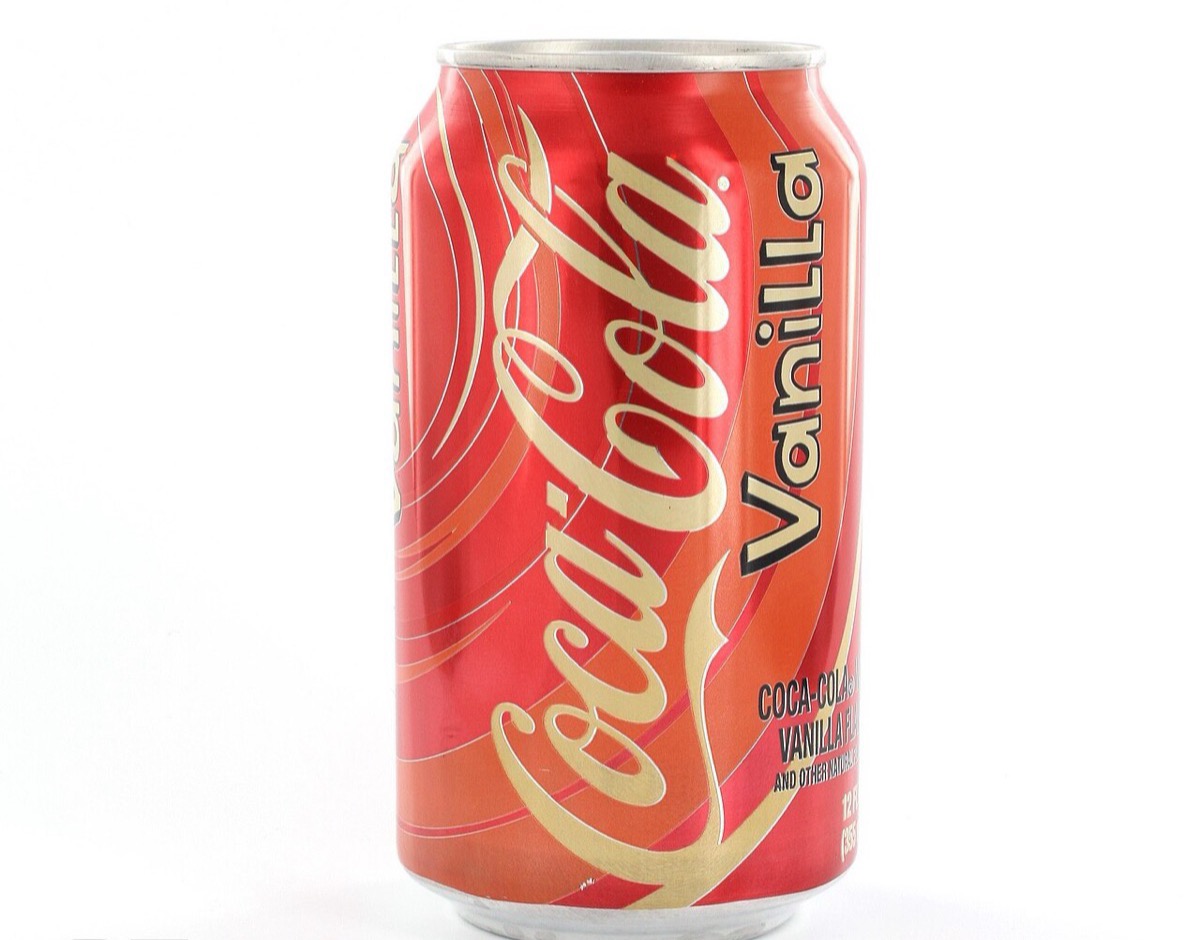
Billed as Coca-Cola's biggest launch since Diet Coke, it arrived in 2002 in a tan-and-gold can that tasted like cream soda had merged with cola. Roughly 29 percent of US households bought it that year. By 2005, it was gone. Then it came back.
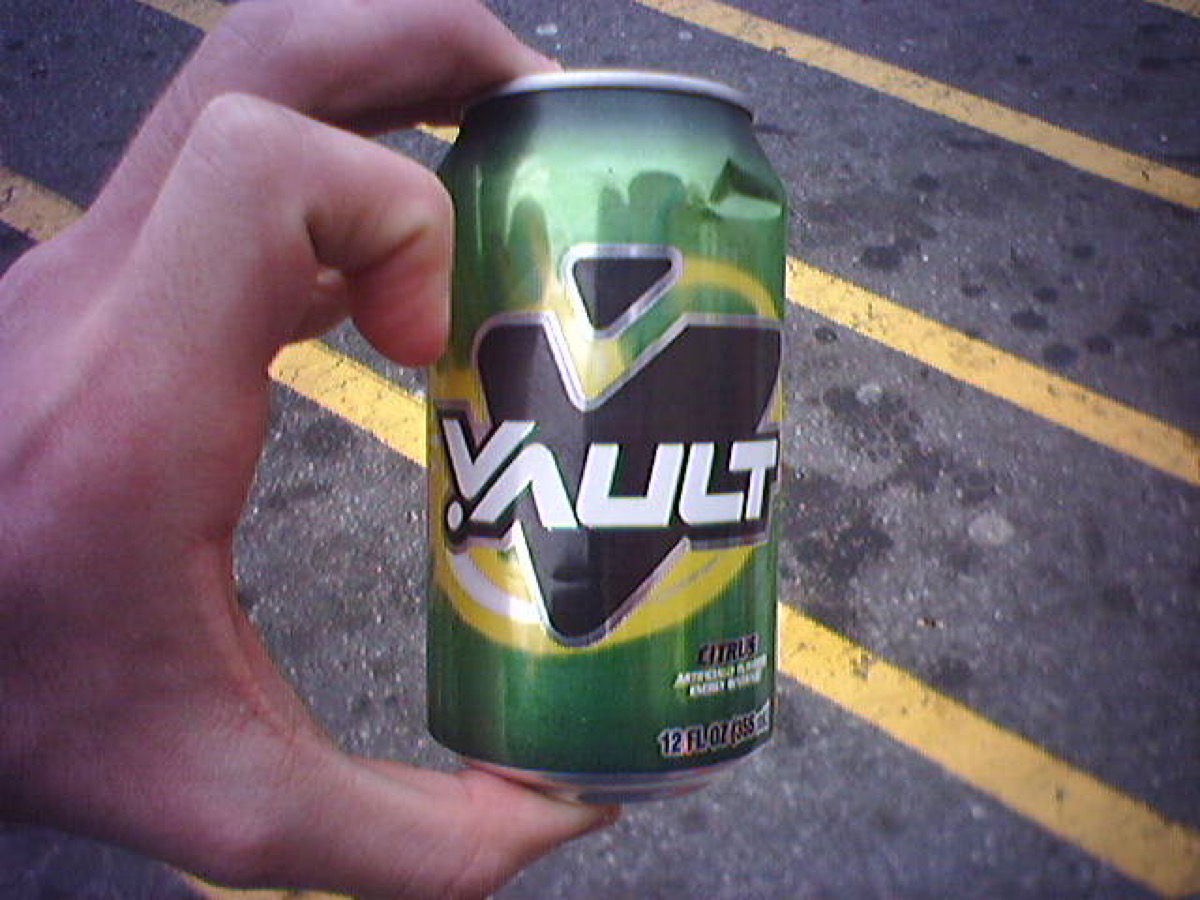
Coca-Cola's bright-green hybrid arrived in 2006 with a promise: "Drinks like a soda, kicks like an energy drink." For fans of the dearly departed Surge, Vault was the second coming — until Coke pulled the plug in 2011 and brought back Mello Yello instead.

The pastel wall of the 2000s deli case: candy-bright bottles, lowercase labels full of jokes, and flavors named for what they promised to do for you. Vitaminwater made hydration a personality choice — and made 50 Cent a legend of business-deal folklore.

Post's maple-syrup-scented cereal shaped like tiny waffles — the smell hit you the second the box opened, like Sunday breakfast poured into a bowl. Sweet enough that the milk at the bottom tasted like dessert.
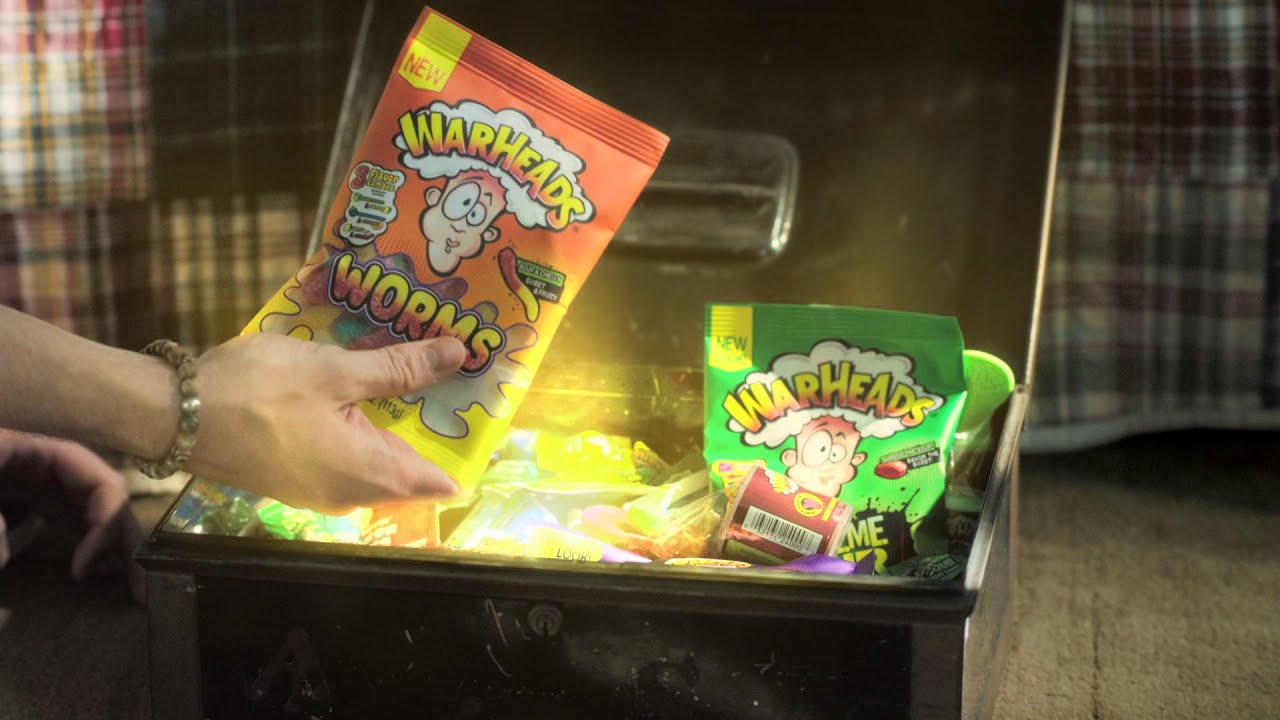
The sour candy that burned your face off for five glorious seconds. Warheads turned the playground dare into a $40 million industry — keeping a straight face through the first ten seconds made you playground royalty.
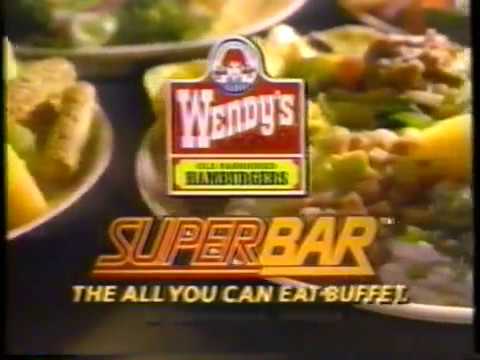
Wendy's all-you-can-eat buffet for $2.99: the Garden Spot, the Mexican Fiesta, and Pasta Pasta, three stations of self-serve freedom inside a burger chain. Popular with customers, brutal on the stores that had to keep it stocked — it was gone by 1998.

Wrigley's blue-wrapped wintergreen stick gum, launched in 1994 and pitched entirely on the promise of icy-cold, long-lasting breath. The foil sticks were a fixture of the gas-station and grocery-checkout racks all decade — the cool-blue pack sitting right beside Wrigley's fiery-red Big Red.
The hollow milk-chocolate sphere with a surprise sealed inside. 'What's in the Wonder Ball?' You cracked it open to find little candies — a treasure-hunt snack that had a much stranger backstory than most kids ever knew.

Vanilla ice cream backed with chocolate and fronted with a cookie embossed with a wrestler's face, on a stick, with a trading card in the wrapper. Biting Hulk Hogan's cookie face off was a formative summer experience.

The chocolate drink that is famously NOT chocolate milk—water-based, shelf-stable, and nobody quite knew what it was made of, which somehow made it perfect. Shake the bottle, crack it open in your lunchbox, and mystery solved: it was just delicious.

The clear, faintly citrus malt beverage Coors pushed as "Zomething different." Part of the '90s clear craze, it was briefly everywhere before late-night jokes turned it into a punchline.