
Animorphs
The Scholastic sci-fi series that hooked '90s kids on something surprisingly dark: five teens who can 'morph' into any animal to fight a secret alien invasion. The covers where a kid transformed mid-photo were the whole hook.
29 items
The Scholastic sci-fi series that hooked '90s kids on something surprisingly dark: five teens who can 'morph' into any animal to fight a secret alien invasion. The covers where a kid transformed mid-photo were the whole hook.
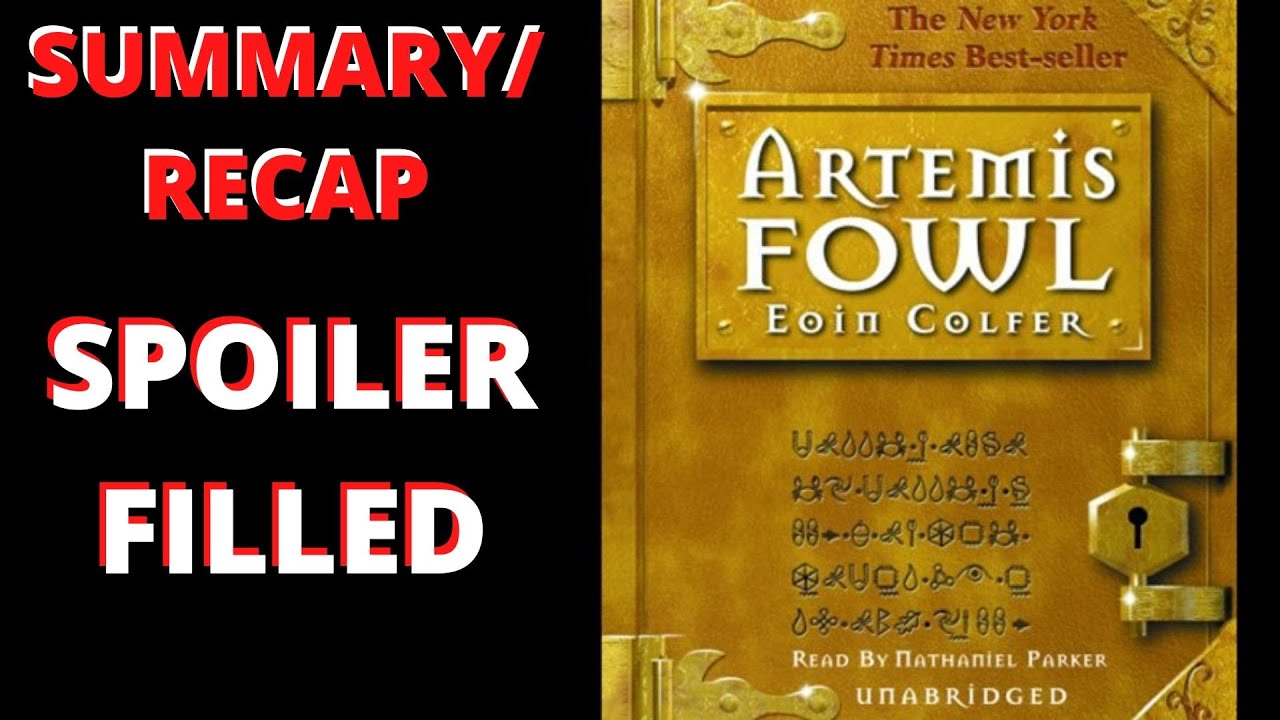
A twelve-year-old criminal mastermind kidnaps a fairy cop and holds her for a ransom of fairy gold. Eoin Colfer's "Die Hard with fairies" gave 2000s bookworms their favorite villain-protagonist — and the coolest cover in the book fair.

Paperback directories of celebrity and athlete fan-mail addresses — PO boxes, team offices, agent contacts — that made the rounds through school book clubs and mall bookstores, fueling the ritual of writing letter after hopeful letter in the quest for an autograph.

Four orphaned Alden siblings turn an abandoned boxcar in the woods into a home — and when their kindly grandfather finds them, he just moves the boxcar to his backyard. Gertrude Chandler Warner's 1924 classic became a 90s classroom juggernaut after ghostwriters revived the series in 1991, on the way to more than 160 titles.
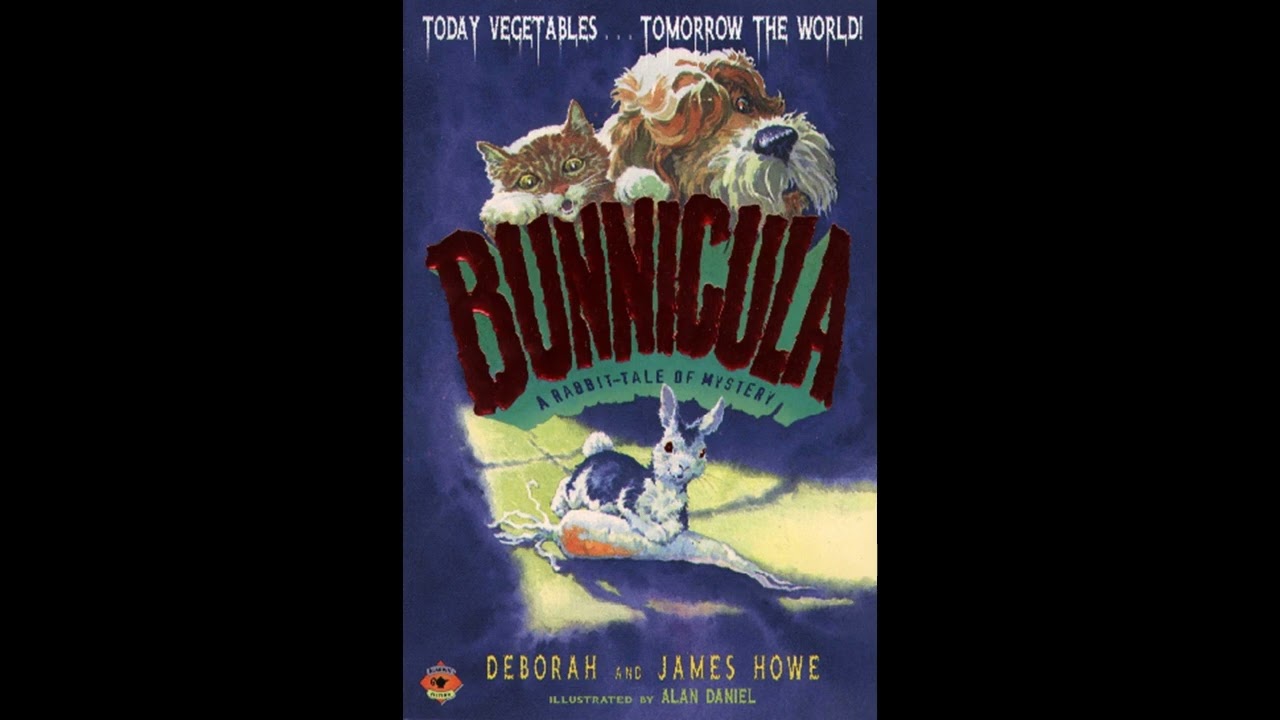
The family dog and cat are convinced the new rabbit is a vampire — one that drains the juice out of vegetables rather than blood. A 1979 chapter book, narrated by the dog, that outlived its own decade and kept turning up in classrooms long after.
![Video thumbnail — The Chronicles Of Narnia: The Lion, The Witch And The Wardrobe - Official® Trailer [HD]](https://i.ytimg.com/vi/cNuoUKDbX_4/maxresdefault.jpg)
C.S. Lewis's seven-book fantasy series that opened via a wardrobe and stayed in your head for decades. For 90s and 2000s kids, Narnia lived in classroom read-alouds, Scholastic box sets, and library paperbacks with that iconic cover art — the White Witch, Turkish delight, and Aslan waiting inside.
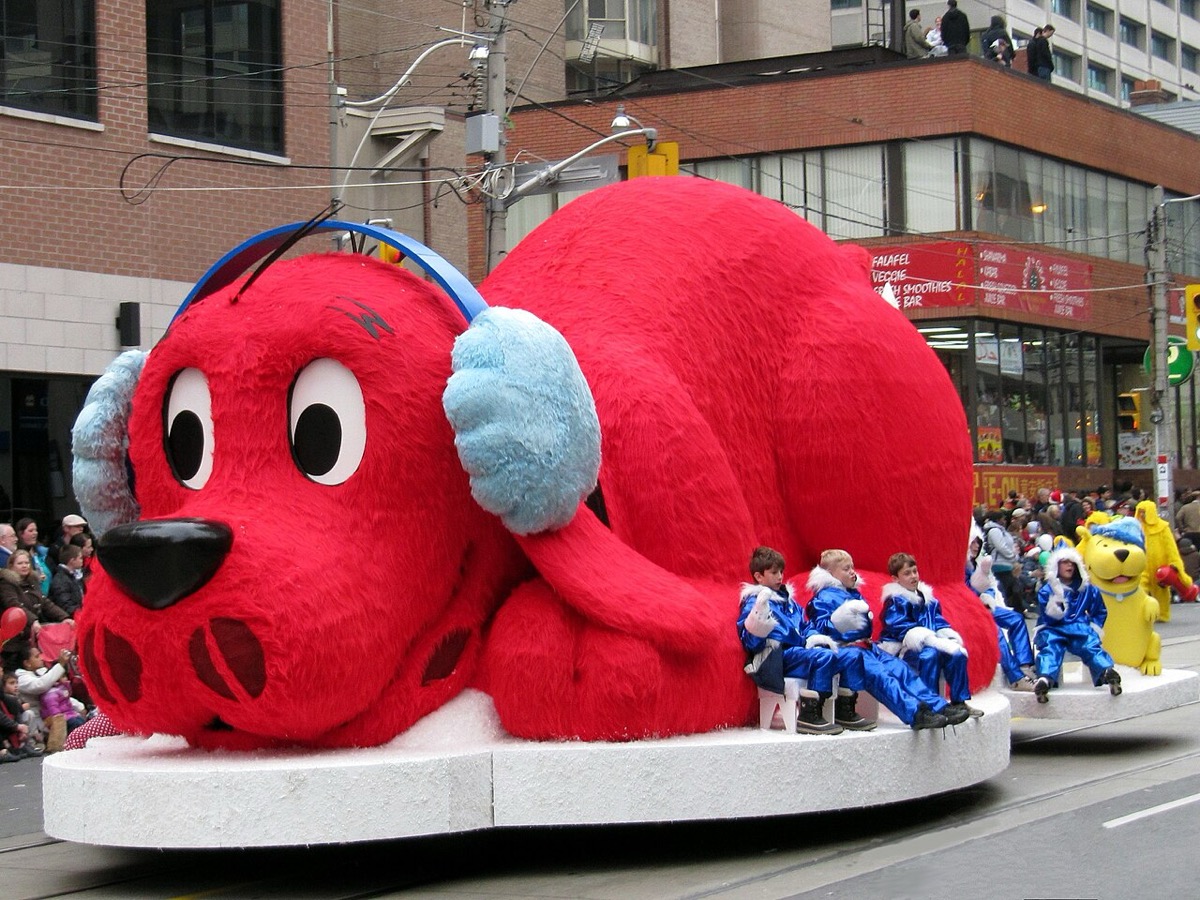
Norman Bridwell's enormous red dog and Emily Elizabeth, the girl who loved him — a 1963 picture book that Scholastic never stopped handing to schoolchildren, and whose star became the company's official mascot. He was very nearly named Tiny.

The picture book about the town of Chewandswallow, where the weather came three times a day as food falling from the sky. Breakfast, lunch, and dinner rained down until the portions got dangerously big. A read-aloud staple that every elementary-school kid seemed to meet at some point.

Middle-schooler Greg Heffley's hand-lettered diary, drawn in stick figures, became the book that made reluctant readers into readers. Every school library's most dog-eared spine.

Visual reference books from Dorling Kindersley that broke the mold of dense gray textbook type. Crisp object photography floating on white pages, labeled and captioned — you didn't read them front-to-back, you wandered them. Within eight years, 18 million copies had sold worldwide; they became the default grab for every school report.

R.L. Stine's mass-produced horror series for kids, where every book's drippy cover could stop your heart in the school library. Goosebumps sold roughly 4 million copies a month at its mid-90s peak and by 1996 accounted for nearly 15% of Scholastic's entire revenue.
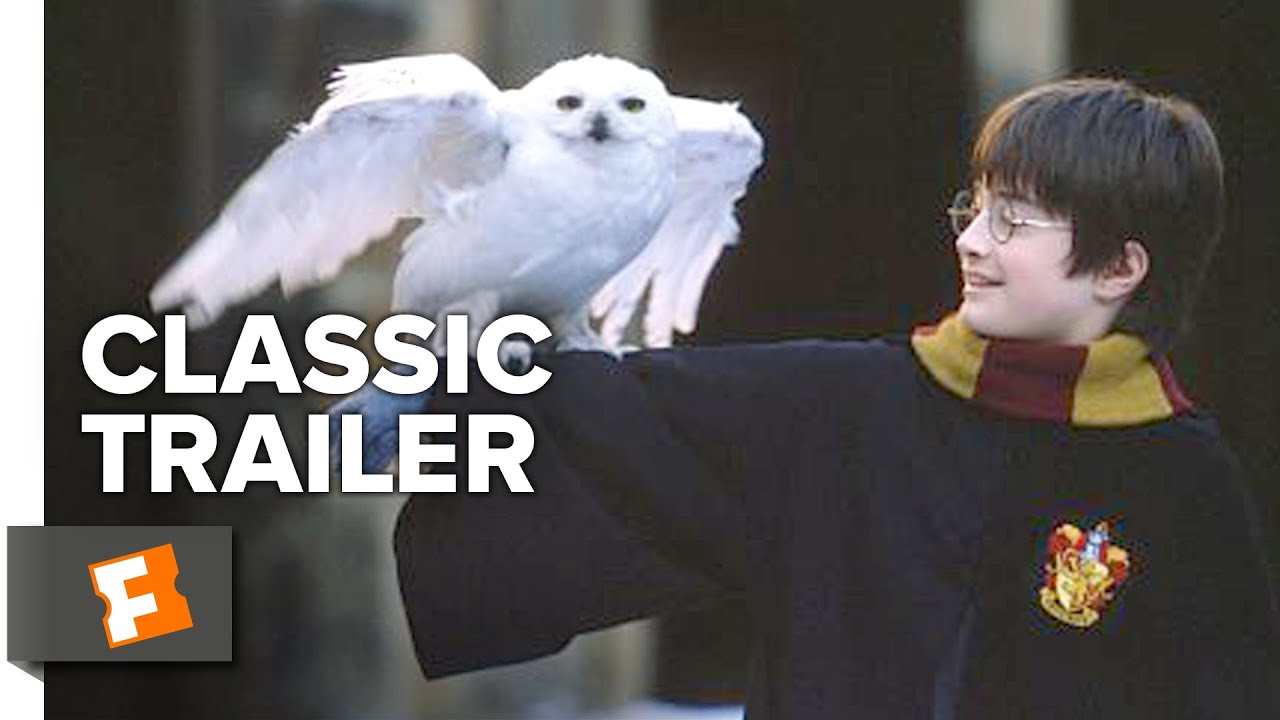
J.K. Rowling's magical phenomenon launched June 1997 in the UK as Harry Potter and the Philosopher's Stone (Sorcerer's Stone in the US). Three books released before the decade ended; by 1999 the series topped global bestseller lists and sparked a franchise that never stopped—within a year, midnight release parties were a cultural tradition.
Gary Paulsen's 1987 survival novel about a thirteen-year-old crash-landed alone in the Canadian wilderness with nothing but a hatchet — the book that convinced a generation of middle schoolers they could survive in the woods if they just tried hard enough.

Harry loves horrible things — slime, snakes, gross schemes — and his loyal best friend Doug narrates the chaos from Miss Mackle's class in Room 2B. Suzy Kline's chapter books were Scholastic order-form gold, and if you remember it as Room 3B, you're not wrong: the class moves up to third grade in the later books.

That Junie B. Jones is a kindergartner with a MOUTH on her, and that's why everybody loved her books. Barbara Park's first-person tornado narrated school exactly the way kids actually talk — bad grammar and all — which made her a 55-million-copy juggernaut AND a banned-books-list regular.
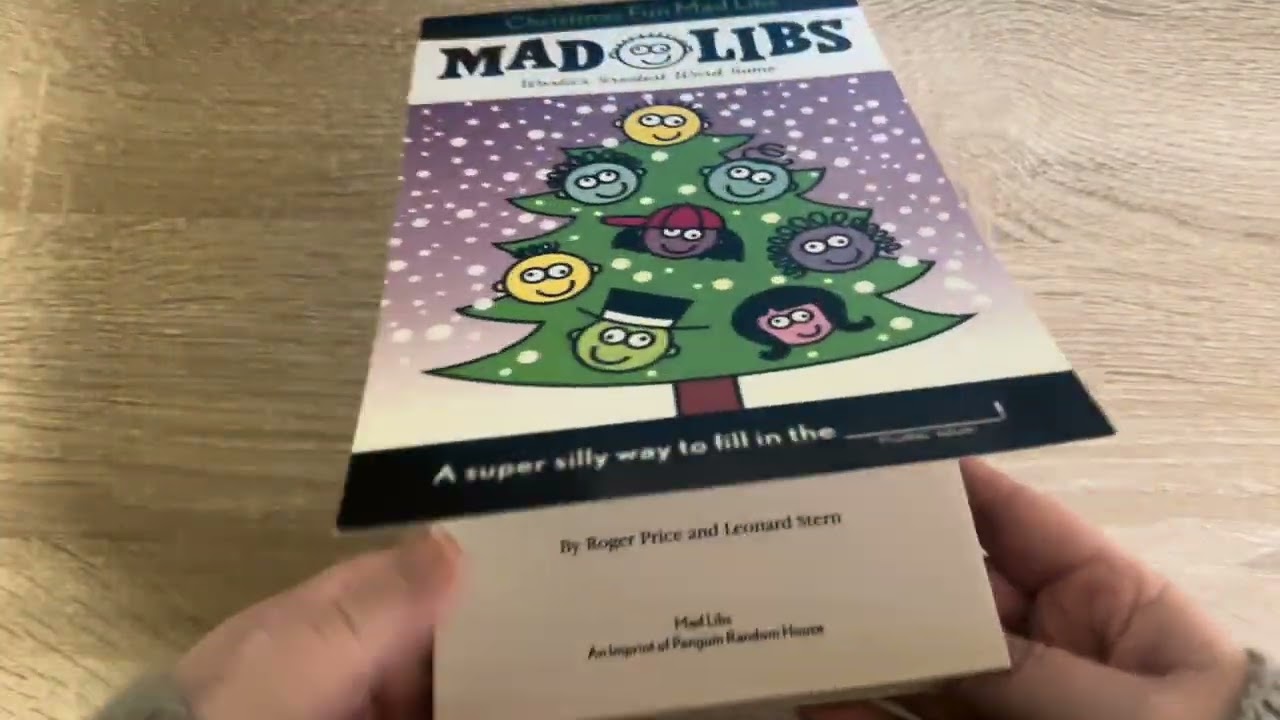
The fill-in-the-blank word game in book form: someone asks for "a noun… a plural noun… an adjective," you shout out words with no idea of the story, and then they read back something gloriously absurd. A road-trip, sleepover, and rainy-day-classroom staple for generations.

You unfocused your eyes at a page of psychedelic noise until a dolphin or a schooner popped out in 3D — or you lied and said it did. Magic Eye books were a mid-90s publishing fever: bestseller lists, mall kiosks, posters, even cereal boxes, all built on a trick your brain either did or stubbornly wouldn't.

Jack and Annie climb into a tree house full of books, point at a picture, and the whole thing spins off to dinosaurs, knights, or the deck of the Titanic. Mary Pope Osborne's chapter-book series turned a generation of kids into readers — one 'research trip' at a time.
The kids' magazine that brought Nickelodeon into mailboxes nationwide, packed with comics, pranks, gross-out humor, and celebrity features. Published from 1993 to 2009, it was the must-read subscription for 1990s and 2000s kids.
Nintendo's official magazine and the pre-internet bible for stuck kids everywhere. Nintendo Power came packed with glossy fold-out maps, pull-out strategy guides, previews of games you couldn't afford yet, and the exact secret you needed to get past that one impossible level.

A dyslexic twelve-year-old finds out his dad is Poseidon, his best friend is a satyr, and summer camp trains demigods. Rick Riordan's five-book series — The Lightning Thief through The Last Olympian — put the Greek gods in modern America and became the book fair's hottest ticket of the late 2000s.

The magazine that turned every week into an event—full-color photographs of the biggest sports moments, waiting in your mailbox. From the swimsuit issue to SI for Kids in the classroom, Sports Illustrated was how America looked at sports in the pre-internet era. Each weekly delivery was the moment the season's story officially arrived.

Nathan Levy's beloved series of slim classroom books that turned mysteries into lateral-thinking puzzles. A teacher reads a weird scenario; you ask only yes-or-no questions to fill in the missing pieces. It was the rainy-day recess, gifted-program, and substitute-teacher lesson staple that made every kid feel like a detective.

The Baby-Sitters Club was the series you grabbed by the stack at the book fair — one wasn't enough, you needed the whole shelf about Kristy and Mary Anne and Claudia running a babysitting business out of a Connecticut suburb. More than 190 million copies sold. That's not an exaggeration; that's a cultural fact.

Lois Lowry's 1993 dystopian novel about a boy chosen to receive all of human memory and emotion in a world stripped of both — and the devastating truth he discovers about 'release.' A generation's introduction to questioning authority, delivered via the middle-school curriculum.

The most beautiful fish in the ocean, covered in real foil-stamped scales that shimmered under the classroom lights — every copy had them, not just fancy editions. Marcus Pfister's 1992 Swiss import sold over 30 million copies in 50 languages, and kids mostly just wanted to touch the sparkle.

The die-cut classic where you poked your finger through the holes a caterpillar ate in the pages. Eric Carle's 1969 collage masterpiece was already decades old by the 90s, but that's when it was simply everywhere childhood was — classroom shelves, library carts, butterfly units — capped by a 1993 animated adaptation that landed on American VHS in 1995.

Find the man in the red-striped shirt hiding in impossibly crowded scenes — a simple concept that became a full-blown craze when American kids discovered Where's Waldo? in the early 1990s. It swept schools, Halloween parties, and bookstore displays.

The glossy wildlife magazine that arrived in your mailbox, each issue a deep dive into a single animal. But the TV commercial — promising a free elephant issue and a tiger poster if you called the 1-800 number — ran on infinite repeat in 90s kids' blocks, embedding itself in the memory of everyone who never got that poster.