Lisa Frank

Neon-rainbow folders, stickers, and binders plastered with dolphins, unicorns, and technicolor leopards—the aesthetic that defined every 90s classroom. Lisa Frank's maximalist explosion of color became a status symbol and a collecting obsession that grossed over $60 million a year at its peak.
Artist Lisa Frank founded her company in Tucson, Arizona around 1980, but it was a 1987 push into school supplies that transformed her aesthetic into a 90s phenomenon. Neon rainbow folders, stickers, notebooks, and binders starring her signature characters—Panda Painter, smiling dolphins, psychedelic big cats—infiltrated every school locker and desktop. At its height, the company grossed over $60 million a year with over $1 billion in cumulative sales, and in 1996 opened a massive 320,000-square-foot rainbow-painted factory in Tucson.
Practically every American kid of the 90s carried something Lisa Frank; the style was inescapable. The brand faded after the 90s as tastes shifted, but it never fully died—periodic collaborations and nostalgia drops keep resurrecting the aesthetic for a new generation of 90s kids now buying for themselves.
Keep talking about it (Reddit)
Similar items

Trapper Keeper
The velcro-sealed binder that turned school supplies into identity. Every 90s backpack carried an airbrushed Trapper Keeper — dreamscapes, sports cars, cartoon characters — and that rrrrip sound is still the official noise of every middle school hallway.
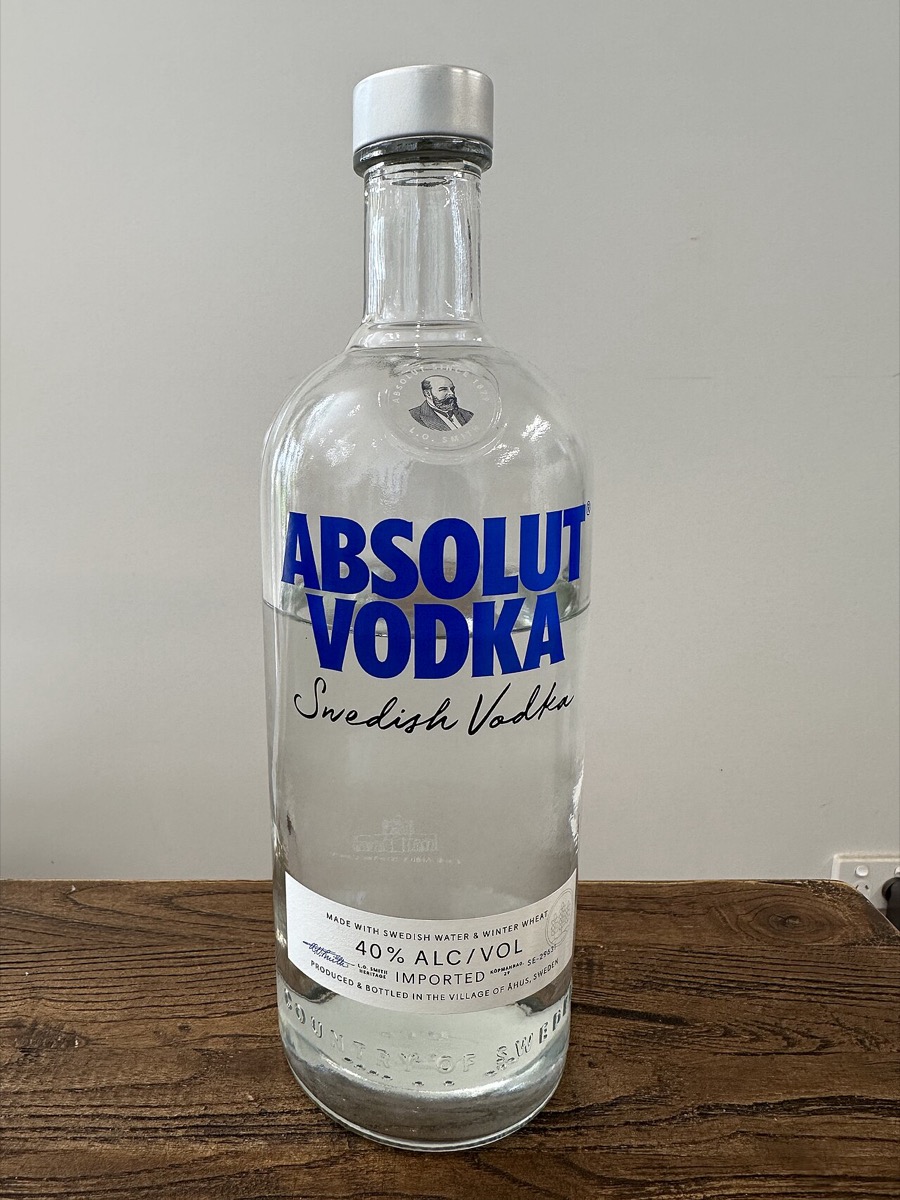
Absolut Ad Collecting
The phenomenon wasn't about drinking — it was about collecting the ads. Absolut's iconic bottle-silhouette campaign generated hundreds of witty one-word variations ('Absolut L.A.', 'Absolut Warhol'), which teens and adults tore from magazines, traded, and wallpapered across bedroom walls and school lockers throughout the 1990s.

Baseball Card Collecting
Every kid's shoebox of commons was going to pay for college. Junk-wax-era baseball cards — Topps, Fleer, Donruss, Score, Upper Deck — were printed by the billions while Beckett price guides promised the binder was a portfolio.
![Video thumbnail — BIC Wite Out Brand EZ Correct Correction Tape Review - How Effective Is It? [2025]](https://i.ytimg.com/vi/INkGHfRlygU/maxresdefault.jpg)
Correction Tape
Click it, drag it, write over it instantly — correction tape solved the eternal problem of waiting for liquid white-out to dry. It became the default fix in 90s classrooms, the superior move of anyone who had tried both.