Sam Goody

The ubiquitous mall record store where 90s kids bought CDs, cassettes, and band tees. Sam Goody was the go-to destination for new releases and the social hub of music shopping before big-box discounters and digital downloads reshaped retail.
Sam Goody opened as a single store in New York in 1951, eventually becoming part of the Musicland group — a retail behemoth that dominated North American music shopping. By the 1980s and 1990s, Sam Goody had become the quintessential mall anchor: red awning, aisles of jewel cases, listening stations, and walls plastered with posters. The store was where kids pooled birthday money for new Nirvana or TLC albums, browsed soundtrack CDs, grabbed concert tickets, and lingered on Saturday afternoons.
The inventory was everything: CDs, cassettes, vinyl, music videos (rentals and sales), concert DVDs, and branded merchandise like band tees and hoodies. The stores employed music-knowledgeable staff — or at least pretended to — and the in-store listening stations were a rite of passage for discovering new artists. Sam Goody was a destination, not just a transaction.
By the mid-2000s, the landscape shifted irreversibly. Big-box retailers like Best Buy and Walmart undercut prices on chart-toppers. Online shopping (Amazon) and iTunes made physical retail obsolete. Many Musicland Group stores, including Sam Goody, closed or rebranded to FYE (For Your Entertainment) starting around 2006, and the name had all but vanished from malls by the late 2000s. A handful of holdout stores kept the Sam Goody sign for years afterward — the last two finally closed in early 2025. The malls that once thrived on these anchor tenants began their own slow decline.
Similar items

Tower Records
The iconic big-box music retailer founded by Russ Solomon in 1960, which grew into a global chain of 200+ stores before collapsing under digital competition and file-sharing. Tower Records was the archetypal "browse-the-racks" record store — deep catalog, knowledgeable staff, late hours, listening stations — that became a cultural hangout and symbol of pre-digital music retail.

Columbia House
The mail-order music gamble that tangled millions in negative-option billing: "Get 12 CDs for a penny," then buy more albums at full price or face automatic charges. Columbia House was the trap that snapped shut after the free shipment arrived—and every kid who signed up under a fake name was trying to outsmart the system.

Suncoast Motion Picture Company
The dim little mall store where you bought the movie you'd already rented five times. Suncoast sold films to own in the age of renting — VHS, Laserdisc, then DVD — under a neon marquee that made movie collecting feel like a legitimate way of life.
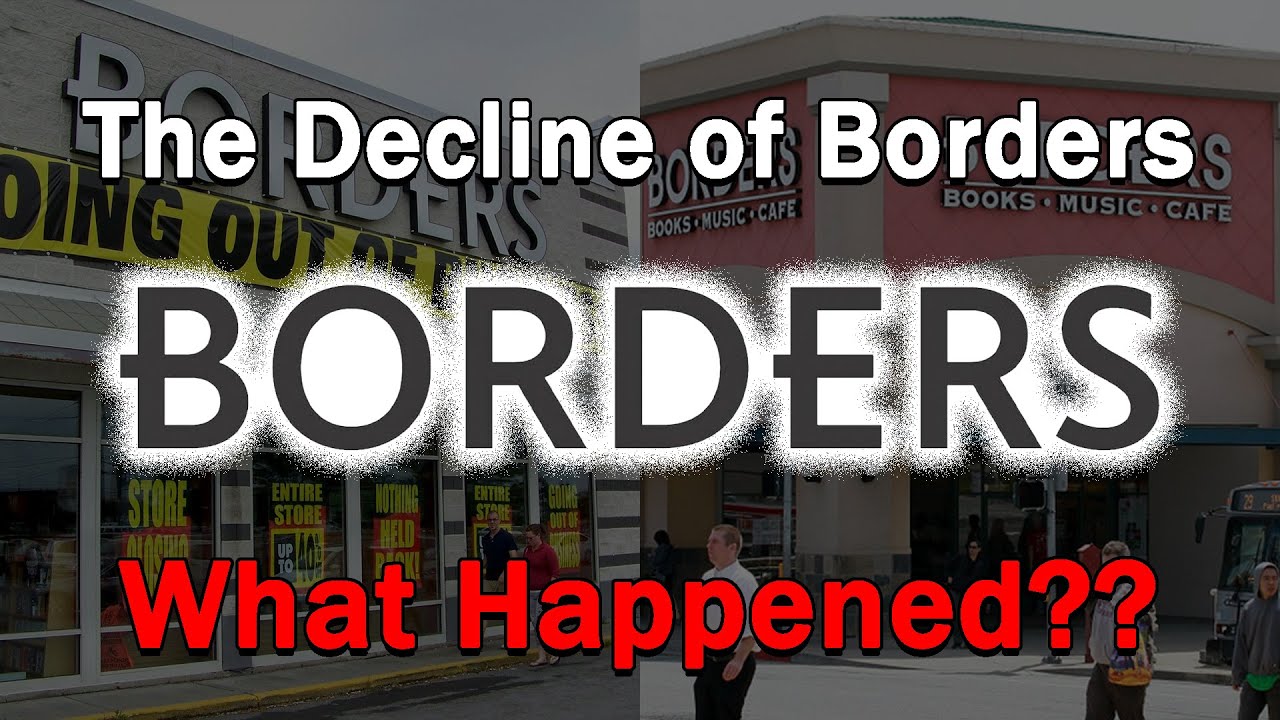
Borders
Three hours in the armchairs with a stack of books you never bought, a chai from the café, and a lap through the CD listening stations — Borders wasn't a store so much as a place to be. Then it was gone, all of it, in a single September.