Circuit City

The electronics superstore where your parents went to buy the first family PC, camcorder, or big-screen TV — with a commissioned salesman in a dress shirt walking them through every feature. Those red-tower storefronts were the 90s temple of consumer electronics. From superstore dominance to total liquidation in 2009, Circuit City is the retail ghost story of the era.
Samuel S. Wurtzel founded Wards Company in Richmond, Virginia in 1949 as a TV and appliance retailer. The electronics-superstore concept grew out of the first "Wards Loading Dock" warehouse showroom in May 1975, renamed "Circuit City Superstore" in 1978; the company itself became Circuit City Stores, Inc. in 1984 when it listed on the New York Stock Exchange. Its mid-80s Los Angeles expansion introduced the iconic red-tower storefronts that defined the chain's look for the rest of its life.
The 1990s were Circuit City's golden era. The retail experience — commissioned sales staff guiding families through the exploding world of home tech, from personal computers and camcorders to CD players and big-screen TVs — became the canonical 90s electronics-shopping ritual. By 1999 it was the second-largest appliance retailer in the country with $1.6 billion in appliance sales, and by 2000 it employed roughly 60,000 people. The company also created CarMax in 1991 (floated as a tracking stock in February 1997, fully spun off in October 2002), a side project that would outlive its parent.
The missteps stacked up fast. Circuit City's Divx pay-per-view DVD format, launched in 1997 against the open DVD standard, was dead by 1999 at a cost of $114 million. The chain walked away from large appliances entirely in July 2000. Most damaging of all, in 2003 it eliminated the commission model and laid off 3,900 of its most experienced salespeople to save $130 million a year — a move widely blamed for gutting the very service that had defined the brand.
Circuit City filed for Chapter 11 on November 10, 2008, announced on January 16, 2009 that it would liquidate after failing to find a buyer, and closed its final stores on March 8, 2009, taking more than 30,000 jobs with it. Systemax bought the brand and website for $14 million that May. The name has floated around e-commerce ever since, but the red-towered superstore where the family computer came from is gone.
Keep talking about it (Reddit)
Similar items
RadioShack
Every strip mall had one: RadioShack, where you flashed your Battery of the Month club card for a free Enercell and got asked for your phone number just to buy batteries. Drawers of components, Realistic-brand gadgets, RC cars, police scanners, and staff who actually knew electronics. "You've got questions. We've got answers."

KB Toys
The cramped, stacked-to-the-ceiling toy store tucked into every American mall — smaller and more chaotic than Toys "R" Us, with clearance bins spilling into the aisles. It was the impulse-buy toy stop on any mall trip, right up until it liquidated for good in 2009.

Blockbuster Video
The blue-and-yellow torn-ticket empire where Friday nights meant wandering the new-release wall, hoping the big movie wasn't rented out, and dreading the late fees. At its peak in 2004, Blockbuster dominated home entertainment with 9,094 stores worldwide—until Netflix and streaming dismantled the whole business model.
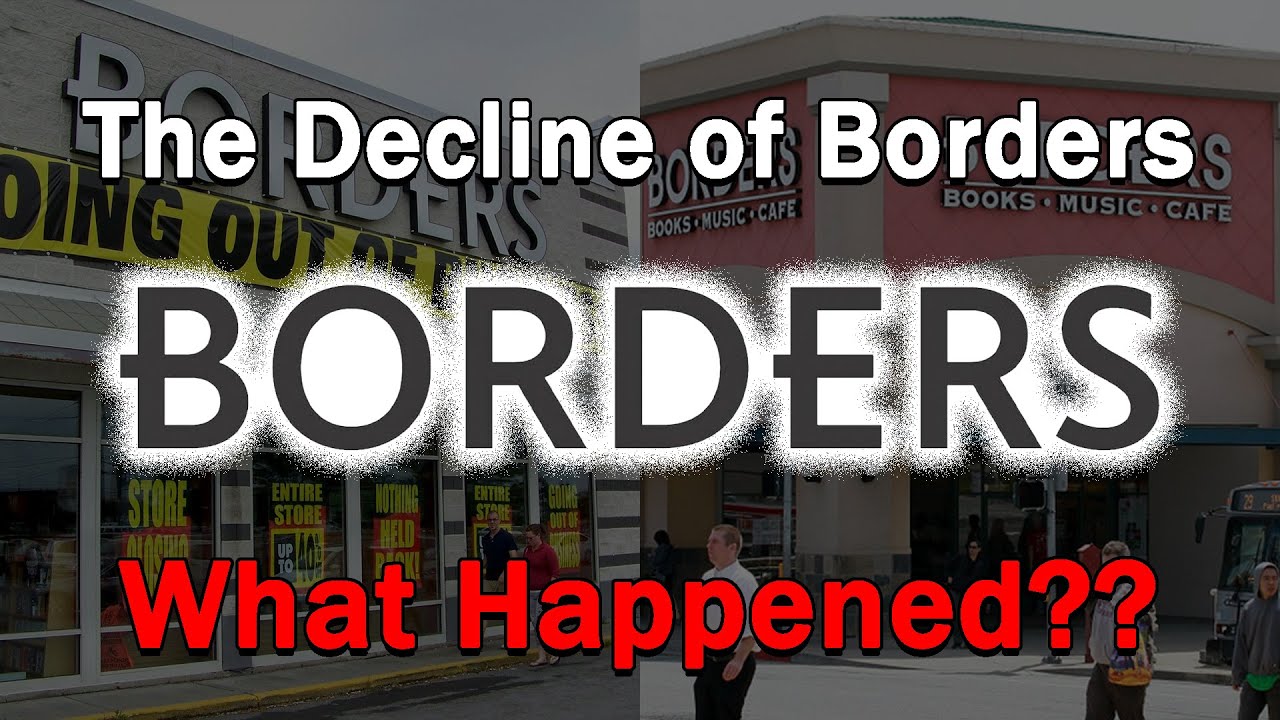
Borders
Three hours in the armchairs with a stack of books you never bought, a chai from the café, and a lap through the CD listening stations — Borders wasn't a store so much as a place to be. Then it was gone, all of it, in a single September.