Glow-in-the-Dark Star Stickers

Adhesive plastic stars that glowed faintly when you turned off the lights, arranged in random chaotic constellations across your ceiling and walls — the ultimate low-effort bedroom customization. Kids spent hours peeling and sticking them in patterns, occasionally attempting actual star charts, mostly just creating glowing chaos overhead to stare at before sleep.
Glow-in-the-dark star stickers became a bedroom fixture throughout the 1990s, part of a broader wave of phosphorescent home decor. The mechanism was simple: plastic stars infused with phosphorescent powder that glowed faintly in darkness after absorbing ambient light. You'd buy them in packets at drugstores, variety stores, or mall kiosks, peel the adhesive backing, and decorate your ceiling and walls in whatever pattern you felt inspired to create.
The stars embodied DIY bedroom culture — customizable, affordable, and instantly transformative. Some kids attempted to recreate actual constellations or star maps; most just created glowing abstract patterns that filled their ceilings. The glow was never bright, more like a faint phosphorescent shimmer in darkness, but it was enough to make staring at your ceiling before sleep feel like a private light show. By the late 90s, glow stars had become standard-issue bedroom decor, as common in dorm rooms and kids' bedrooms as posters and string lights.
Keep talking about it (Reddit)
Similar items

Lisa Frank
Neon-rainbow folders, stickers, and binders plastered with dolphins, unicorns, and technicolor leopards—the aesthetic that defined every 90s classroom. Lisa Frank's maximalist explosion of color became a status symbol and a collecting obsession that grossed over $60 million a year at its peak.

GeoCities
The free web hosting empire where the internet learned to be chaotic. GeoCities gave millions of people their first webpage, organized into themed neighborhoods, and established the visual language of under-construction GIFs, MIDI soundtracks, and blinking text that defined the early web.
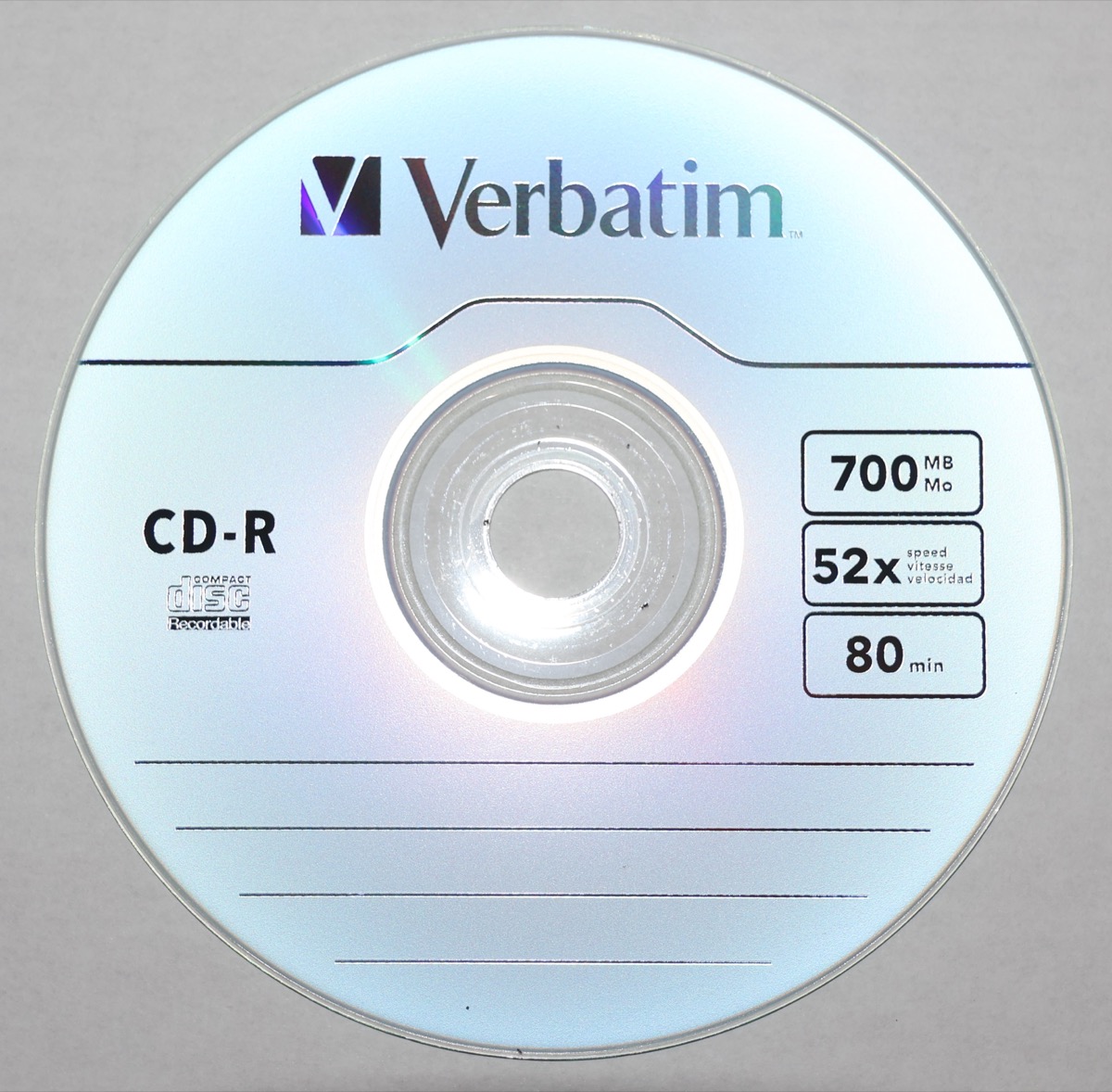
Mix CDs
The mixtape of the CD-R era: download MP3s from file-sharing sites, burn them to a blank disc in Nero or iTunes, label it with Sharpie, and pray it didn't skip. Mix CDs were the late-90s and 2000s ritual—track order agonized over, burnable only by those with a CD-R drive, given as love offerings and road-trip soundtracks.

MySpace
MySpace launched in August 2003 and became the social network that swallowed the mid-2000s internet — where everyone's first friend was Tom. Top 8 rankings sparked drama, profile songs played on auto-load, and DIY HTML customization meant glitter graphics and autoplay music ruled. Bands broke careers there; it was the most-visited website in the US by 2006.