Trillian

AIM, ICQ, MSN and Yahoo in one window — and AOL hated it. Trillian was the power user's messenger, locked in a patch-versus-block war with the biggest network of the IM era.
Cerulean Studios released Trillian on July 1, 2000, as a freeware IRC client named for the Hitchhiker's Guide to the Galaxy character. It soon did something genuinely subversive: it connected to AIM, ICQ, and MSN Messenger simultaneously in one window, with Yahoo and IRC support close behind — one contact list instead of four clients fighting over your taskbar.
AOL noticed. On January 28, 2002, it blocked Trillian's access to AIM; Cerulean patched around the block within days, AOL blocked again, and the skirmishes settled into a running cat-and-mouse game the small developer kept refusing to lose. On September 9, 2002, Cerulean released a commercial version, Trillian Pro 1.0, at $25 a year.
Trillian never won the IM wars — nobody did; the networks it stitched together died one by one. But it outlived nearly all of them, and it is still quietly maintained today: a survivor from an era when your buddy list was your social network.
Similar items

AIM & MSN Messenger
The after-school ritual: logging on to a dial-up modem, scanning your buddy list, typing AIM away messages packed with song lyrics and veiled drama, and knowing your 12-year-old screen name would haunt you forever. AIM and MSN Messenger were the social nervous system of the '90s and 2000s — instant, informal, and utterly addictive.

Meebo
The browser tab that ran AIM, MSN, Yahoo and ICQ all at once — no download, no install, no getting caught. On locked-down school and library computers, Meebo was the loophole: the IT department could block installers, but the browser was always open.
AIM Away Messages
The cryptic, ever-changing status you left up for your buddy list to decode — song lyrics aimed at nobody in particular, inside jokes, coded hints about your mood and your crush. AIM away messages were half diary entry, half performance art, and everyone was reading.
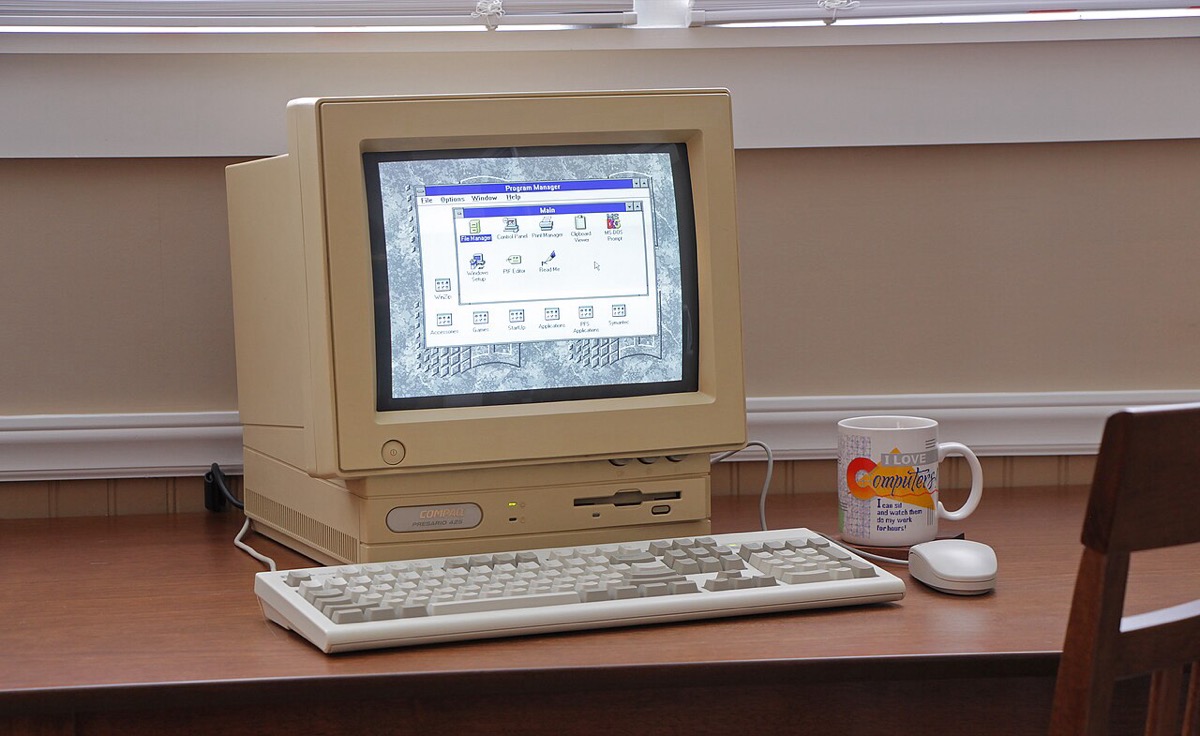
AOL Private Chat Rooms
The hidden rooms where 90s internet culture actually lived. Capped at 23 people, joinable only if you knew the name, and greeted by universal "A/S/L?" — private rooms were where friendships, flirtations, and warez trades quietly thrived.