Emo / Scene-Kid Wave
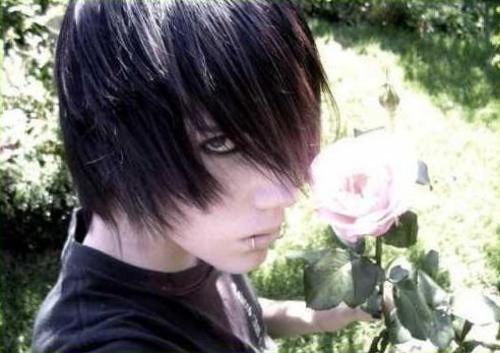
Photo credit: Photo: jezebel parker, CC BY 2.0, via Wikimedia Commons
The mid-to-late-2000s youth subculture built around emo and pop-punk bands like My Chemical Romance, Fall Out Boy, Panic! at the Disco, and Dashboard Confessional. The look: long side-swept bangs over one eye, black skinny jeans, band tees, studded belts, thick eyeliner, Converse, and dyed or straightened hair. It lived on MySpace through dramatic high-angle selfies and Top 8 drama, shaping a generation's teenage aesthetic.
The emo and scene-kid movements emerged from indie and punk rock roots but crystallized into a youth phenomenon in the 2000s when a wave of accessible, melodic pop-punk bands turned angst and vulnerability into chart-friendly anthems. MySpace became the movement's digital home—a space where kids curated their identity through music, layout customization, and carefully angled selfies, turning social media into a personal stage.
The aesthetic was instantly recognizable and just as instantly meme-able: band merchandise, studded accessories, and the iconic side-swept fringe became shorthand for teenage intensity and emotional authenticity. By the early 2010s, the style had become mainstream enough to parody, and the originators moved on, but the era remains one of the most visually distinctive youth movements of the 2000s.
Keep talking about it (Reddit)
Similar items

MySpace
MySpace launched in August 2003 and became the social network that swallowed the mid-2000s internet — where everyone's first friend was Tom. Top 8 rankings sparked drama, profile songs played on auto-load, and DIY HTML customization meant glitter graphics and autoplay music ruled. Bands broke careers there; it was the most-visited website in the US by 2006.
![Video thumbnail — In The End [Official HD Music Video] - Linkin Park](https://i.ytimg.com/vi/eVTXPUF4Oz4/maxresdefault.jpg)
Linkin Park — Hybrid Theory
Linkin Park's landmark debut album, released October 24, 2000, blending Chester Bennington's soaring vocals with Mike Shinoda's aggressive rapping over heavy guitars and electronic production. The best-selling album of 2001 in the US, Hybrid Theory became the soundtrack to countless angsty bedrooms and defined nu-metal for a generation.
![Video thumbnail — Panic! At The Disco: I Write Sins Not Tragedies [OFFICIAL VIDEO]](https://i.ytimg.com/vi/vc6vs-l5dkc/hqdefault.jpg)
"I Write Sins Not Tragedies" by Panic! at the Disco
The song that was everywhere in 2006, with the earworm chorus radio had to censor. Brendon Urie in a ringmaster's top hat, a circus crashing a wedding, and enough theatrical energy to define an era of emo-pop — every kid noticed what the stations cut out and learned the uncensored lyrics anyway.
Invader Zim
Zim is an alien invader from the Irken empire sent to conquer Earth, except he's terrible at it — and his malfunctioning robot servant GIR, disguised as a green dog, is somehow worse. Jhonen Vasquez's creation was Nickelodeon's darkest, weirdest cartoon, and the network killed it fast. The kids who found it never let go.